
Main Courses
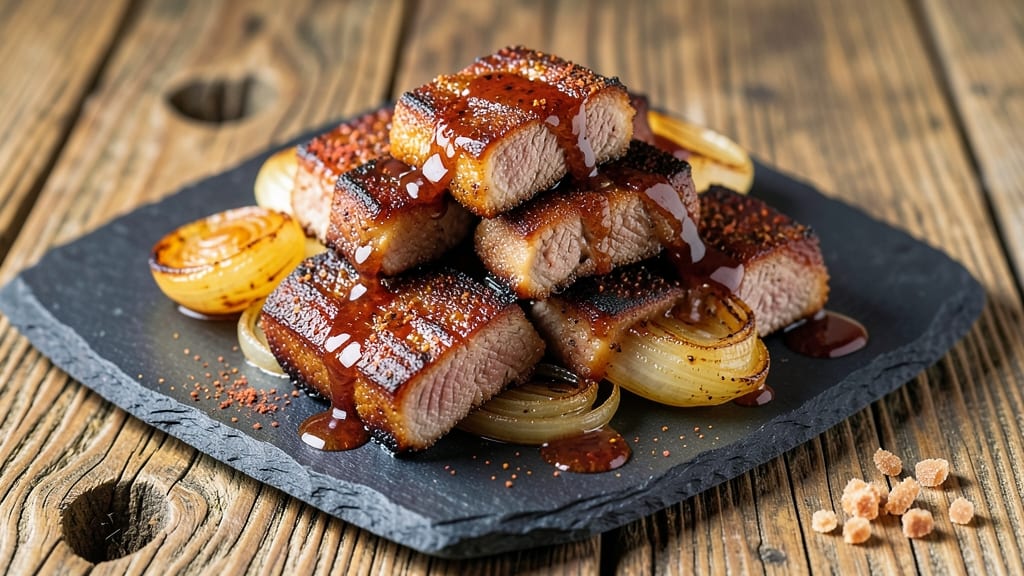
Mastering Traeger pork belly burnt ends transforms a simple cut into smoky-sweet fall-apart perfection—the kind of dish that turns weeknights into celebrations. Growing up in small-town Georgia, I learned that pork belly cooked low and slow develops layers of flavor that no other cut can match.
This recipe isn’t just about the end result; it’s about the process—how the fat renders, the bark develops, and the meat practically melts when you slice through it.
The secret lies in patience and precision: smoking the belly at 225°F for 6 hours until the internal temperature hits 160°F, then wrapping it in foil to finish. The Traeger’s consistent heat ensures even cooking, while the wrap creates steam that tenderizes the meat without drying it out.
This method delivers restaurant-quality results that taste like they’ve been cooking all day—even though you only spent a few hours hands-on.
By the time you’re done, you’ll have caramelized edges, tender meat that shreds easily, and a sauce rich enough to drizzle over everything. The smoky-sweet flavor pairs perfectly with classic sides like coleslaw or cornbread, making it a centerpiece for any meal.
Whether you’re feeding a crowd or treating yourself, these burnt ends are worth every minute of wait time.
For those who love leftovers, the flavor only deepens overnight—just reheat gently in the oven to keep the meat moist. Serve with a cold beer or sweet tea to balance the richness, and you’ve got a meal that feels like a Southern feast. Let’s get started on creating this showstopper.
Ingredients for traeger pork belly burnt ends
Six ingredients transform pork belly into smoky-sweet burnt ends magic.
| Ingredient | Amount | Notes |
|---|---|---|
| Pork Belly 🥓 | 4 lb | Skin-on, thick-cut preferred |
| Yellow Onion 🧅 | 1 whole | Yellow or red, sliced |
| Garlic Cloves 🧄 | 8 cloves | Fresh, peeled and minced |
| Apple Cider Vinegar 🍎 | ¼ cup | For tangy glaze |
| Brown Sugar 🍚 | ½ cup | Light or dark, packed |
| Smoked Paprika 🌶️ | 2 tbsp | For deep smoky flavor |
| Ground Black Pepper 🌶️ | 1 tbsp | Freshly cracked preferred |
| Sea Salt 🧂 | 2 tbsp | Kosher or coarse |
| Honey 🍯 | ¼ cup | Wildflower preferred |
| Wood Chips 🌳 | 2 cups | Hickory or apple |
| Aluminum Foil 📄 | 2 sheets | Heavy-duty for wrapping |
| Butter 🧈 | ½ cup | Unsalted, softened |
| Fresh Rosemary 🌿 | ¼ cup | Chopped, stems removed |
| Fresh Thyme 🌿 | ¼ cup | Leaves only, chopped |
The pork belly is everything here. Look for thick-cut, skin-on slabs—the fat needs to render slowly for that perfect bark. Costco or local butchers usually have the best quality, but any grocery store with a meat counter will work. If you can’t find thick-cut, ask for a bone-in slab and trim it yourself. The skin should be crispy and golden when done, so don’t skip it! Fresh herbs like rosemary and thyme add depth, but dried works in a pinch—just double the amount. For wood chips, hickory gives classic smoky flavor, while apple adds a touch of sweetness that pairs perfectly with the pork.
No apple cider vinegar? Substitute lemon juice or balsamic vinegar—both add tang. Running short on brown sugar? White sugar works too, but the molasses notes in brown sugar are worth it. Smoked paprika is key for that deep, smoky flavor—if you can’t find it, regular paprika plus a pinch of liquid smoke gets you close. The butter at the end is non-negotiable; it bastes the meat and adds richness. If you’re short on time, use ghee instead—it has a higher smoke point and still delivers that creamy finish. For the glaze, if you don’t have honey, maple syrup works beautifully.
This isn’t a dish you’ll want to rush. The pork belly needs 6-8 hours total on the Traeger, so plan ahead. Once it’s done, let it rest for 15-20 minutes before slicing—this keeps the meat juicy. Store leftovers in an airtight container in the fridge for up to 5 days, or freeze for up to 3 months. The flavor actually gets better the next day as the juices redistribute, so make extra if you can. For reheating, low oven (275°F) or microwave (covered) works best—just avoid high heat to keep the meat tender.
Why You'll Love This Recipe
- Traeger Magic: I swear by the smoky-sweet transformation—just toss the pork belly on the Traeger with a sprinkle of brown sugar and let it do its thing. No babysitting, no flipping, just pure, hands-off perfection.
- Sweet-Savory Crunch: That crispy caramelized edge with the tender inside? The apple cider vinegar and brown sugar create a sticky, tangy glaze that’s dangerously addictive. Honestly, I’ve caught myself sneaking bites straight from the pan.
- Party in a Bowl: Serve it over mashed potatoes, in tacos, or straight from the bone—this recipe works for game day, family dinners, or lazy Sundays. Between us, it’s the one dish that gets seconds no matter the occasion.
- Leftovers That Don’t Suck: The flavors only deepen overnight, so you’ll actually want leftovers. Plus, it stretches across meals—breakfast hash, sandwiches, or reheated with a fried egg. My wallet and my freezer thank me every time.
Step-by-step instructions for smoky-sweet pork belly burnt ends
Here's how to transform a simple pork belly into melt-in-your-mouth burnt ends with perfect smoky-sweet balance.
Prepare the Pork Belly for Maximum Flavor
Start by scoring the fat cap of the 4 lb pork belly in a diamond pattern using a sharp knife—cut about ½ inch deep without piercing the meat underneath. This creates channels for the rub to penetrate and the fat to render beautifully. Pat the entire piece dry with paper towels, pressing firmly to remove all moisture from the surface and skin.
In a small bowl, combine the 2 tbsp smoked paprika, 2 tbsp sea salt, 1 tbsp ground black pepper, 0.25 cup brown sugar, and 0.25 cup honey. Rub this mixture all over the pork belly, pressing it into the scored fat and meat. Don't skip this step—it ensures maximum flavor penetration. Wrap the pork belly tightly in the 2 sheets aluminum foil and refrigerate for at least 1 hour (or up to 12 hours) to let the rub develop deep flavor.
Smoke the Pork Belly Low and Slow
Set up your Traeger with the 2 cups wood chips (hickory or apple) for a classic smoke flavor. Preheat to 225°F and let it smoke for 15 minutes to establish a steady temperature. Place the foil-wrapped pork belly directly on the grill grates, fat side up, and smoke for 4 hours without opening the lid. This slow cooking allows the fat to render gradually while the meat becomes tender.
After 4 hours, check the internal temperature using a meat thermometer—it should read 160°F. If it hasn't reached this temperature, continue smoking for another 30-60 minutes. The pork belly will naturally hit "the stall" around 150°F, where the temperature plateaus. This is normal and expected—just be patient and keep smoking.
Create the Glaze and Finish Cooking
While the pork belly smokes, prepare the glaze by combining the 0.25 cup apple cider vinegar, 0.5 cup brown sugar, 0.25 cup honey, 1 whole yellow onion (sliced), 8 cloves garlic (minced), 0.25 cup fresh rosemary (chopped), and 0.25 cup fresh thyme (chopped) in a small saucepan. Bring to a simmer over medium heat and cook for 10 minutes until slightly thickened and fragrant. Remove from heat and let cool slightly.
Once the pork belly reaches 160°F, remove it from the Traeger and let it rest for 10 minutes. Unwrap the foil and brush the glaze mixture all over the pork belly, including the scored fat. Return it to the Traeger, fat side up, and increase the temperature to 275°F. Smoke for another 1 hour until the glaze caramelizes and the pork belly reaches 195°F internally. The fat should be golden and crispy, and the meat should be fork-tender.
Cube and Rest for Perfect Texture
Remove the pork belly from the Traeger and let it rest for 20 minutes before handling. This resting period allows the juices to redistribute, ensuring each bite is moist and flavorful. Once rested, use a sharp knife to carefully cut the pork belly into 1-inch cubes. The cubes should be tender enough to fall apart with a gentle touch—this is what makes them true "burnt ends."
Transfer the cubes to a serving dish and drizzle with any remaining glaze from the pan. Garnish with extra fresh rosemary and thyme for a pop of color. Serve immediately with the crispy fat on top for the ultimate experience. These burnt ends are rich, smoky, and sweet with a perfect balance of textures—crispy fat, tender meat, and caramelized glaze in every bite.
Pro Tips For Making Traeger Pork Belly Burnt Ends
- Trim the Fat First: Score the pork belly skin in a crosshatch pattern before seasoning—this keeps it crispy instead of rubbery. I learned this the hard way after a batch turned out greasy and sad; the fat renders better when you give it an escape route.
- Don’t Rush the Vinegar: Let the apple cider vinegar and brown sugar marinade sit on the pork belly for at least 30 minutes—preferably overnight. The acid needs time to tenderize, and skipping this step means your burnt ends will taste more like sugar syrup than smoky pork.
- Watch the Heat Zones: Start the pork belly over direct heat (400°F) until the skin crisps, then move it to indirect (250°F) to render fat slowly. After burning three batches, I finally figured out that direct heat all the way turns the skin to leather—no one wants that.
- Deglaze with the Drippings: Save the rendered pork fat in a heatproof container and pour it back into the pan at the end to deglaze. Sounds weird, but it works: that fat carries all the caramelized onion and garlic flavors, turning a simple sauce into liquid gold. (Yes, even if you’re impatient like me.)
Serving suggestions for this recipe
Classic Southern Sides
These burnt ends practically beg for a plate of creamy coleslaw—the tangy, crunchy contrast cuts through the richness beautifully. I make mine with shredded cabbage, carrot, mayo, apple cider vinegar, and a touch of smoked paprika for that same smoky note.
A cornbread muffin on the side soaks up the glaze like a dream, especially if you brush the tops with honey butter before baking. 🥗
For a heartier spread, serve with mac and cheese—the cheesy pull-apart texture mirrors the burnt ends' decadence. I like to add a sprinkle of crispy fried onions on top for extra crunch.
If you're feeding a crowd, baked beans with a splash of bourbon in the sauce elevate the whole meal to next-level comfort food.
Fresh Contrasts
A crisp arugula salad with lemon vinaigrette provides the perfect palate reset between rich bites. Toss 4 cups arugula with 2 tbsp extra-virgin olive oil, 1 tbsp lemon juice, and ½ tsp flaky sea salt.
Add ¼ cup toasted pecans for crunch—it’s a Southern-inspired twist that feels light yet sophisticated. 🌿
Grilled zucchini and squash with a sprinkle of fresh herbs and balsamic glaze adds a summery touch. The natural sweetness of the vegetables balances the smoky-sweet burnt ends without overpowering them. For extra flair, drizzle with balsamic reduction and top with crumbled feta for a Mediterranean-inspired contrast.
Beverage Pairings
A cold Southern-style sweet tea is the classic choice—its sweetness mirrors the burnt ends' caramelized glaze while the ice keeps things refreshing. For something stronger, a bourbon cocktail like a Whiskey Sour (bourbon, lemon juice, and simple syrup) complements the smoky depth.
I often sip on George Dickel No. 10—its vanilla notes harmonize perfectly with the pork. 🍹
For beer lovers, a hazy IPA with citrus notes (like New Belgium Fat Tire) cuts through the richness, while a Belgian witbier (such as Hoegaarden) adds a crisp, spicy contrast.
Avoid heavy stouts—they’ll overwhelm the delicate balance of flavors in these burnt ends. A sparkling apple cider is also a fantastic non-alcoholic option, especially during warmer months.
Presentation Tips
Serve the burnt ends in a cast-iron skillet or slab wood board to keep everything warm and add rustic charm. Spoon the cubes over a bed of wilted greens (like spinach or kale) for a vibrant base, then drizzle with extra glaze.
Garnish with crispy fried shallots or chopped fresh herbs for a pop of color and texture. 🍽️
For a showstopping centerpiece, arrange the burnt ends in a large ceramic bowl surrounded by mini cornbread muffins and pickled jalapeños on the side. The contrast of colors and textures makes the dish look as impressive as it tastes.
If serving buffet-style, use a chafing dish to keep everything warm and inviting for guests to help themselves.
Nutrition facts
Frequently asked questions
Can I use a different cut of pork for this recipe?
While pork belly is ideal for burnt ends due to its fat content, you can substitute with pork shoulder or pork butt. These cuts will require 8-10 hours of smoking time and may need extra attention to prevent drying out. The fat content will be slightly lower, so expect less crispy bark but still tender meat. Never use lean cuts like tenderloin—they won't develop the same rich, fall-apart texture.
Why does my pork belly stall at 150°F and won't go higher?
This is called "the stall," a natural evaporation phase where moisture releases from the meat, causing the temperature to plateau. Keep the Traeger at 225°F and be patient—it usually resolves after 30-60 minutes. Never increase heat, as this can dry out the meat. The stall is normal and expected, not a sign of failure. Just maintain steady smoke and let the process work.
How do I make these burnt ends ahead of time?
Cook the pork belly as directed, then let it cool completely before cubing. Store the raw cubes in an airtight container in the fridge for up to 3 days or freeze for 3 months. To reheat, place on a baking sheet and warm in a 275°F oven for 15-20 minutes until heated through. The glaze can be made 1 day ahead and reheated separately. Pro tip: Leftovers taste even better the next day!
Can I make this recipe without a Traeger?
Use an oven set to 225°F with a water pan on the bottom rack for moisture. Place the pork belly on a wire rack over a baking sheet to allow fat to render. Smoke flavor can be replicated by adding 1 tbsp liquid smoke to the glaze. For a grill version, use indirect heat and maintain 225°F with wood chunks. Just monitor temps closely—ovens and grills vary more than pellet smokers.
What's the best way to store leftover glaze?
Let the glaze cool completely, then transfer to an airtight container in the fridge where it'll keep for 1 week. For longer storage, freeze in ice cube trays and transfer to a bag. To reheat, warm in a small saucepan over low heat or microwave in 20-second bursts until smooth. The glaze thickens when cold—thin with a splash of water or apple cider vinegar if needed.