
Main Courses
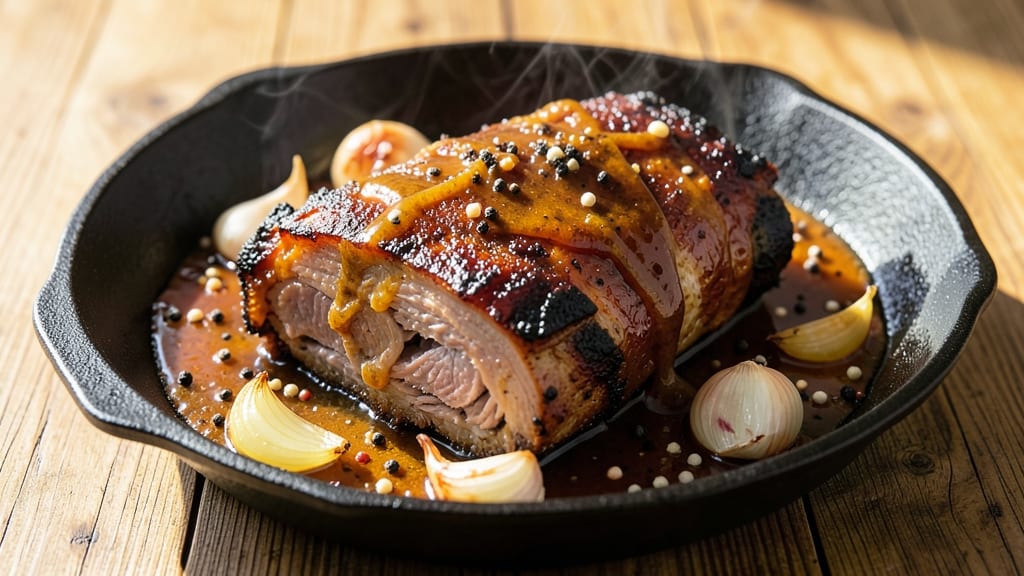
Mastering Aaron Franklin's pork butt recipe means unlocking the secrets of Texas-style BBQ that delivers juicy, melt-in-your-mouth perfection every time. Growing up in small-town Georgia, I learned that slow-smoked pork transforms ordinary gatherings into legendary meals—this recipe captures that same magic with Franklin's signature low-and-slow technique.
The key lies in the brining, the smoke, and the patience that turns tough meat into tender, crisp-edged glory.
What sets this recipe apart is Franklin's emphasis on precise temperature control—maintaining that sweet spot between 225°F and 250°F for hours until the internal temperature reaches 203°F. My heritage Gloucestershire Old Spots pigs add depth of flavor, but even store-bought pork butt will shine with this method.
The bark develops through careful smoke exposure, while the interior stays moist and rich, promising a texture that's impossible to resist.
By the time you slice into that perfectly smoked pork butt, you'll have a centerpiece worthy of any Texas BBQ joint—golden crust giving way to tender, juicy meat that falls apart at the touch of a fork.
The aroma alone will have your guests anticipating every bite, and the versatility means it works as beautifully for a family dinner as it does for a competition-style spread.
Pair it with Texas-style cornbread, tangy pickles, and a crisp coleslaw to complete the experience. Here's how to bring Franklin's legendary technique to your own smoker—where patience and precision meet pure, smoky satisfaction.
Ingredients for aaron franklin pork butt
Six ingredients for brining, five for bark—just patience and precision for Franklin-style perfection.
| Ingredient | Amount | Notes |
|---|---|---|
| Pork Butt (Boston Butt) 🐖 | 8 lb | Heritage Gloucestershire Old Spots preferred |
| Yellow Mustard 🍯 | ½ cup | For brining, any brand works |
| Brown Sugar 🍚 | 1 cup | Packed, light or dark |
| Diamond Crystal Kosher Salt 🧂 | 1 cup | For brining, not iodized |
| Black Peppercorns 🌶️ | 1 tbsp | Freshly cracked, coarse grind |
| Garlic Cloves 🧄 | 6 whole | Peeled, for brining |
| Onion Powder 🧅 | 1 tbsp | Not onion salt |
| Smoked Paprika 🌶️ | 1 tbsp | For dry rub, not sweet paprika |
| Ground Black Pepper 🌶️ | 1 tsp | Freshly ground, coarse |
| Wood Chips (Hickory or Oak) 🌳 | 4 cups | Soaked 1 hour minimum |
| Apple Cider Vinegar 🍎 | ¼ cup | For brining acidity |
| Yellow Onion 🧅 | 1 whole | Quartered, for brining |
| Butter (Unsalted) 🧈 | ½ cup | Cold, for bark application |
The pork butt is your star, so don't skimp. Heritage Gloucestershire Old Spots from a specialty butcher delivers that deep, complex flavor Franklin loves, but even store-bought pork butt from Costco or Whole Foods will work beautifully. Look for cuts with good marbling—the fat renders down during smoking, keeping the meat juicy. If you're buying a whole butt, trim excess fat unless you're going for maximum bark. The 8-pound size is ideal for a crowd, but adjust if needed. For the brining, Diamond Crystal kosher salt dissolves better than iodized—trust me, it makes a difference.
No mustard? Dijon or apple cider vinegar will work in a pinch, though the texture might differ slightly. Smoked paprika is non-negotiable for that authentic Franklin bark—Penzeys or Trader Joe's carry great options. Short on time? Pre-mix your dry rub and store it in an airtight container for up to 6 months. The wood chips can be hickory, oak, or a mix—just avoid fruitwoods like cherry, which can overpower. For the butter, European-style unsalted gives the best flavor, but any good-quality butter works. Pro tip: Use a meat thermometer—it's the only way to nail that 203°F internal temp.
Brined pork butt keeps 3-4 days in the fridge before smoking, but fresher is always better. The dry rub? Make it 2 days ahead—the spices mellow out and taste better. Once smoked, slice against the grain and serve immediately for the best texture. Leftovers reheat beautifully in a 325°F oven with a splash of apple juice to keep them moist. Store smoked pork butt in the fridge for up to 5 days or freeze for 3 months—it actually tastes better the next day as the flavors meld.
Why You'll Love This Recipe
- Four-Hour Hands-Off Magic: Honestly, I set it and forget it—just rub that pork butt with yellow mustard, brown sugar, and kosher salt, then let the smoker (or oven) do the work. No stirring, no babysitting, just pure, unsupervised deliciousness.
- Smoky-Sweet Obsession: That balance of smoky pork butt with the tangy mustard and caramelized brown sugar? It’s the kind of flavor that makes people ask, "What’s in this?" (Spoiler: Just five ingredients, but they work wonders.)
- Leftovers That Shine: Between us, the best part might be the next day. Shredded and reheated, it’s even better—perfect for tacos, sandwiches, or just straight-up eating from a bowl. (Yes, even on a Tuesday night.)
- Budget-Friendly Feast: A whole pork butt feeds a crowd without breaking the bank, and the prep is simpler than you’d think. One rub, one cook, and suddenly you’re the hero of game day, potlucks, or just a lazy Sunday.
Step-by-step instructions for Aaron Franklin's pork butt recipe
Here's how to nail Franklin's signature crispy bark and melt-in-your-mouth tenderness.
Create the Brine for Maximum Flavor and Moisture
In a large stockpot or food-safe container, combine the 8 lb pork butt (Boston Butt), 0.5 cup yellow mustard, 1 cup brown sugar, 1 cup Diamond Crystal kosher salt, 6 whole peeled garlic cloves, 1 whole quartered yellow onion, and 0.25 cup apple cider vinegar. The vinegar helps tenderize while balancing the sweetness. Make sure the pork is fully submerged—if not, add cold water until it is.
Place the container in the refrigerator and let it brine for 12-24 hours. This step is non-negotiable for juiciness. The pork should float freely in the liquid, and you'll notice the surface developing a slightly sticky texture from the sugar and mustard. If you're short on time, a 6-hour brine will still work but won't be as deeply flavorful.
Prepare the Dry Rub and Smoker Setup
After removing the pork from the brine, rinse it under cold water and pat it very dry with paper towels—this is critical for bark formation. In a bowl, mix 1 tbsp onion powder, 1 tbsp smoked paprika, 1 tbsp freshly cracked black peppercorns, and 1 tsp ground black pepper. Generously coat the pork with this rub, pressing it into all sides, including the fat cap. Let it sit uncovered in the fridge for 2-4 hours to dry out slightly.
While the pork rests, soak the 4 cups wood chips (hickory or oak) in water for at least 1 hour. Set up your smoker to 225°F using indirect heat. Place a water pan in the smoker to maintain moisture—this prevents the bark from drying out during the long cook. The smoke should be light and steady, not thick or acrid.
Smoke the Pork Low and Slow
Place the pork butt fat-side up on the smoker grate. The fat will render and baste the meat as it cooks, creating that iconic bark. Smoke for 6-8 hours until the internal temperature reaches 165-170°F. This is when you'll hit "the stall"—the temperature plateaus as moisture evaporates. Don't panic; this is normal and expected.
When the stall hits, wrap the pork tightly in butcher paper (not foil—it breathes better and preserves bark). Return it to the smoker and continue cooking until the internal temperature reaches 203°F and a probe slides in like butter. This usually takes another 4-6 hours, but patience is key. The bark should be deep mahogany with a crisp texture, and the meat should pull apart easily.
Rest and Apply the Butter
Remove the pork from the smoker and let it rest in the butcher paper for 1 hour (or up to 2 hours in a cooler). This resting period allows juices to redistribute, ensuring every slice is moist. While it rests, melt the 0.5 cup unsalted butter in a small saucepan over low heat until it's fully liquid but not browned.
After resting, unwrap the pork and brush the melted butter evenly over all surfaces, including the fat cap. This step isn't just for flavor—it adds a final layer of moisture and enhances the bark's crispiness. Let the pork sit uncovered for 10 minutes to let the butter set slightly before slicing.
Slice and Serve
Slice the pork against the grain into ¼-inch thick slices. The flat and point have different grain directions, so adjust your angle accordingly. Serve immediately while still warm. The bark should be crispy enough to stand up on its own, and the meat should be so tender it nearly falls apart. Each bite should deliver a perfect balance of smoky, sweet, and savory flavors.
For the best experience, let the pork rest on the cutting board for 5 minutes before serving to allow the juices to settle. Pair with classic barbecue sides like collard greens or cornbread to complete the meal. The leftovers? Even better the next day—just reheat gently in the oven to maintain that crispy bark.
Pro Tips For Making Aaron Franklin Pork Butt
- Use a Meat Thermometer: DESCRIPTION: Aaron Franklin’s pork butt isn’t just about low-and-slow—it’s about hitting 203-205°F internal temp. I learned this the hard way by pulling mine at 195°F (too early) and ending up with dry, stringy meat. The probe goes in the thickest part, away from fat or bone, and you’re not done until it’s juicy when you cut into it.
- Salt the Mustard Mix: DESCRIPTION: The dry rub on Franklin’s recipe is simple, but the yellow mustard and brown sugar paste needs salt too—don’t skip it. I used to leave it out, and the flavor felt flat. Mix 1 tsp kosher salt into the mustard-sugar slurry before applying; it balances the sweetness and cuts through the fat.
- Don’t Crowd the Pan: DESCRIPTION: If you’re searing the pork butt in a skillet or sheet pan, leave space between pieces. I tried stacking them to save time, and they steamed instead of browned. Spread them out in a single layer—even if it takes two batches—and you’ll get that caramelized crust Franklin’s known for.
- Rest Under Foil: DESCRIPTION: After pulling the pork, tent it loosely with foil and let it rest 15 minutes before slicing. I know, I know—you’re hungry. But cutting into it too soon means juices pooling on the cutting board, not in the meat. This step guarantees every bite stays moist, especially when you’re serving it with his tangy mustard sauce.
Troubleshooting your aaron franklin pork butt
Stall Phase Struggles
If your pork butt stalls at 165°F and refuses to climb, don’t panic—this is normal. The key is wrapping it in butcher paper (never foil) when it hits this point. I’ve seen beginners use aluminum foil, which traps steam and softens the bark.
Butcher paper lets moisture escape while preserving that crispy crust. Wrap it snugly and return to the smoker immediately. 🌡️
Pro tip: Use a dual-probe thermometer like the ThermoWorks Smoke to monitor internal temp AND smoker temp simultaneously. If your smoker dips below 225°F during the stall, add more wood chips or adjust airflow. Consistency is everything—Franklin’s magic happens between 225-250°F.
Bark Too Soft
A soft, gummy bark means your pork didn’t dry out enough before smoking. Pat it thoroughly dry with paper towels after brining—no shortcuts here. I’ve learned this the hard way: leaving even a little moisture on the surface prevents the Maillard reaction from creating that perfect crust.
Let the rub sit uncovered in the fridge for 2-4 hours to dry it out further. 💡
For extra crispiness, apply the butter immediately after unwrapping—don’t let the pork sit too long. The butter needs to set while the meat is still warm to lock in that bark.
If your bark still feels weak, try increasing your smoker temp slightly to 250°F during the final hour to intensify the crust.
Uneven Cooking
Uneven doneness often means poor airflow in your smoker. Check your vents—if the smoke is thick and acrid, you’re over-smoking. Franklin’s ideal smoke should be light and steady, like morning fog.
Position the pork butt fat-side up and away from direct heat sources. I’ve had to rearrange my Traeger Pellet Grill racks multiple times to ensure even heat distribution.
For stubborn cold spots, rotate the pork 90 degrees every 2 hours after the first 4 hours. A meat thermometer is non-negotiable—probe multiple spots (center, edges, and fat cap) to catch temperature variations early. If one side cooks faster, move it away from the heat source.
Dry Meat
Overcooking is the #1 cause of dry pork butt. Once you hit 203°F internal temp, remove it immediately—even if it feels like it needs more time.
The meat will continue cooking slightly as it rests. I’ve seen competitors leave pork on the smoker until it’s 210°F, ruining all that hard work. 🚫
To prevent this, monitor your smoker’s humidity levels. A water pan in the smoker helps, but if your environment is very dry (like my Atlanta kitchen in summer), consider adding a spritz bottle with apple juice to mist the pork every 2 hours during the final phase.
This keeps the meat moist without steaming it.
Smoke Too Strong
If your pork butt tastes like a campfire instead of a smoky masterpiece, you’re likely over-smoking. Hickory is strong—use it sparingly or mix it with oak (70% oak, 30% hickory) for a milder flavor. Soak wood chips for at least 1 hour to prevent flare-ups that can burn the meat.
Adjust your smoker’s airflow: wider vents = more oxygen = cooler, cleaner smoke. I’ve had to crack my Weber Smokey Mountain vents wider than I thought to dial back the intensity. Remember, Franklin’s pork butt should taste smoky, not smoky-to-the-point-of-overpowering.
Nutrition facts
Frequently asked questions
Why does Aaron Franklin's recipe call for such a long brining time?
That 12-24 hour brine is the secret weapon for tender, juicy pork butt. The mustard, brown sugar, and vinegar work together to break down muscle fibers while infusing deep flavor. Skipping this step often leads to tougher meat—even with perfect smoking. For best results, brine overnight, but a 6-hour minimum will still improve texture significantly.
Can I use a regular oven instead of a smoker for this recipe?
Technically yes, but you'll lose that authentic smoky flavor Franklin's method delivers. For oven cooking, use a 275°F oven with a water pan and wood chips wrapped in foil on the rack. Expect 8-10 hours total time, but the bark won't be as crispy. The real magic happens with indirect heat and wood smoke—that's why Franklin's technique is legendary.
What's the difference between butcher paper and aluminum foil for wrapping?
Butcher paper is the only choice for Franklin-style pork butt. Unlike foil, it allows moisture to escape while preserving that perfect bark. Wrapping in foil creates steam that softens the crust and makes the meat gummy. The paper lets the meat breathe just enough to maintain that crispy exterior while keeping the interior moist during the stall phase.
How do I know when the pork butt is fully cooked?
Use a meat thermometer—it's the only reliable method. The internal temperature should reach 203°F in the thickest part (near the bone). When you probe it, the juices should run clear, not pink. The bark should be deep mahogany and crisp enough to stand up on its own. If it's 210°F+, you've overcooked it and risk dry meat.
What are the best sides to serve with Franklin-style pork butt?
Franklin's Texas BBQ menu pairs perfectly with this pork butt. Try Texas-style cornbread (made with jalapeños and cheddar), tangy pickled red onions, and classic white bread for sandwiches. For a full spread, add crisp coleslaw and slow-cooked collard greens. The key is balancing textures—crispy, creamy, and fresh sides complement the rich pork beautifully.