
Main Courses
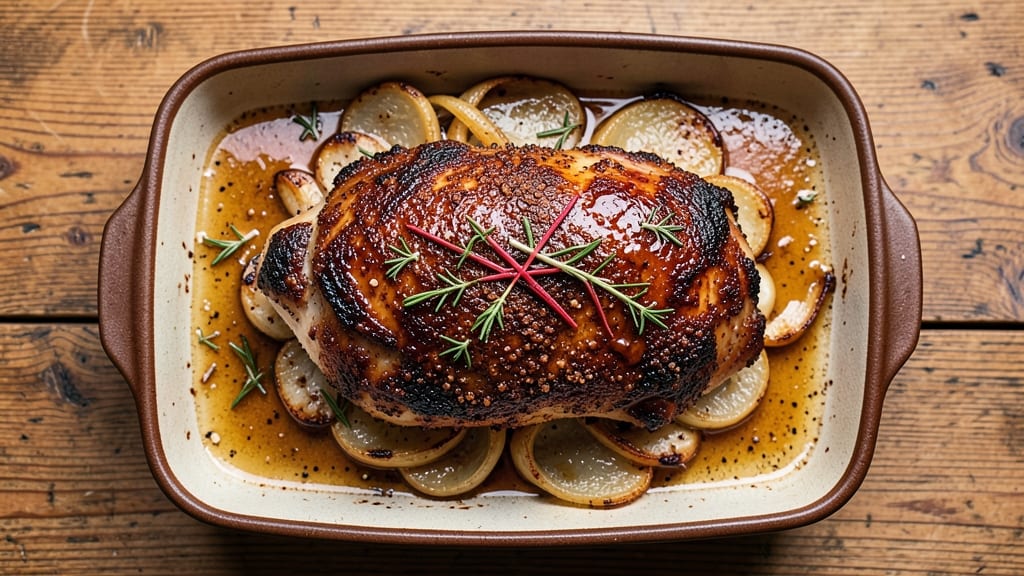
Baking pork shoulder until it's fork-tender is where slow cooking transforms tough meat into melt-in-your-mouth perfection—something I perfected during my apprenticeship under Master Chef Chen. The secret lies in patience: low heat, proper seasoning, and letting the collagen break down over hours.
Growing up in Georgia, I learned that pork shoulder is the heart of any good meal, and this method delivers restaurant-quality results at home.
This recipe starts with a simple yet powerful preparation: a dry rub of salt, pepper, and smoked paprika, followed by a 3-5 hour bake at 275°F. The key is never rushing the process—what begins as a dense cut emerges as tender, juicy slices that practically fall apart.
I use a meat thermometer to check for doneness at 203°F, ensuring every bite is moist and flavorful without drying out.
What you'll end up with is a juicy, aromatic pork shoulder that's rich in flavor and effortlessly tender. The bark from the dry rub adds depth, while the slow cooking ensures the meat stays succulent.
Serve it sliced thin over mashed potatoes, in tacos, or as a sandwich—it's versatile enough for any meal. Here's how to make it foolproof.
For those who love leftovers, this recipe makes 4-6 servings and reheats beautifully. The pork stays tender even after cooling, making it perfect for meal prep or feeding a crowd.
Trust me, once you master this technique, you'll never buy pre-cooked pork again. Let's get started on creating something truly special.
Ingredients for bake pork shoulder
Six pounds of pork shoulder and eleven simple ingredients transform into melt-in-your-mouth perfection.
| Ingredient | Amount | Notes |
|---|---|---|
| Pork Shoulder 🐖 | 6 lb | Bone-in, well-marbled cut |
| Kosher Salt 🧂 | 1 ½ tbsp | Diamond Crystal preferred |
| Freshly Ground Black Pepper 🌶️ | 1 ½ tbsp | Coarse grind preferred |
| Smoked Paprika 🌶️ | 1 ½ tbsp | High-quality for depth |
| Garlic Powder 🧄 | 1 tbsp | Freshly ground preferred |
| Onion Powder 🧅 | 1 tbsp | For balanced flavor |
| Brown Sugar 🍯 | 1 tbsp | Lightly packed |
| Apple Cider Vinegar 🍎 | 1 tbsp | For tangy brightness |
| Yellow Onion 🧅 | 1 whole | Sliced into wedges |
| Fresh Rosemary 🌿 | ½ cup | Chopped sprigs |
| Fresh Thyme 🌿 | ¼ cup | Leaves only |
| Butter 🧈 | 4 tbsp | Unsalted, softened |
| Water 💧 | 1 cup | For pan juices |
The pork shoulder is the star here—bone-in cuts from local butchers or Costco give the best flavor and texture. Look for good marbling, not too lean, and ask for a cut around 6 pounds. I always grab mine from Whole Foods when I can—they source their pork from family farms. That said, your regular grocery store butcher section works fine too. The key is letting the collagen do its magic, so don't skimp on the size. For the rub, Diamond Crystal kosher salt dissolves better than table salt, and Penzeys smoked paprika adds that restaurant-quality depth. Fresh herbs make all the difference—Trader Joe's sells great bundles, but any farmers market will have better quality.
No smoked paprika? Regular paprika plus a pinch of liquid smoke works in a pinch. Fresh herbs wilted? Dried thyme at one-third the amount gets you close. The apple cider vinegar adds tang—substitute lemon juice if that's what you've got. For the butter, unsalted is non-negotiable—the salted kind can make the rub too salty. The onion wedges? Baby carrots or celery stalks work too if you're out of onions. And if you're worried about the pork being too fatty, don't be—the slow cooking renders the fat beautifully, leaving you with juicy meat and crispy edges. I've made this with pork butt too, and honestly, they're practically the same thing.
This isn't a recipe you want to rush. The pork stays tender for 3-4 days in the fridge, and freezes beautifully for up to 6 months. I always portion mine into single-serving containers so it's ready for sandwiches or tacos. The pan juices? Freeze them in ice cube trays—perfect for deglazing future pans. And trust me, the leftovers? Even better the next day as the flavors meld. If you're feeding a crowd, double the recipe—12 pounds makes a party-worthy centerpiece that disappears fast.
Why You'll Love This Recipe
- Smoky-Sweet Magic: That smoked paprika and garlic powder rub? It turns tough pork into melt-in-your-mouth perfection—crispy outside, juicy inside, with a flavor that sticks around like a good memory.
- Budget-Buster, Crowd-Feeder: One pork shoulder feeds six, costs less than takeout, and uses pantry staples you already own. My college kids’ favorite? (Yes, even on a Tuesday night.)
Step-by-step instructions for slow-roasted pork shoulder
Here's how to transform a tough cut into melt-in-your-mouth perfection with minimal effort.
Prepare the Pork Shoulder for Maximum Flavor
Start by patting the 6 lb pork shoulder dry with paper towels—this helps the rub stick and promotes better browning. In a small bowl, combine the 1.5 tbsp kosher salt, 1.5 tbsp freshly ground black pepper, 1.5 tbsp smoked paprika, 1 tbsp garlic powder, 1 tbsp onion powder, and 1 tbsp brown sugar. Mix well to create a well-balanced dry rub.
Generously coat the pork shoulder with this mixture, pressing it into every nook and cranny so it adheres completely. Pay special attention to the fat cap and any crevices where the rub might not stick naturally. Let it sit at room temperature for 30 minutes before roasting—this ensures even cooking and deeper flavor penetration.
Create the Herb Butter and Sear the Pork
While the pork rests, prepare the herb butter by combining the 4 tbsp softened butter, 0.5 cup chopped fresh rosemary, and 0.25 cup fresh thyme in a small bowl. Mix until the herbs are evenly distributed throughout the butter.
Preheat your oven to 325°F. Heat a large oven-safe skillet over medium-high heat and add the pork shoulder fat-side down. Let it sear undisturbed for 8-10 minutes until the fat renders and the skin begins to brown. Flip the pork and sear the other side for another 5-7 minutes. This step creates a flavorful crust while preventing the meat from drying out during the long roast.
Slow-Roast Until Fork-Tender
Transfer the seared pork shoulder to a roasting pan. Place the sliced 1 whole yellow onion on top of the pork, then pour the 1 tbsp apple cider vinegar into the pan. Add the 1 cup water to create steam, which helps keep the meat moist during the long cook. Cover the pan tightly with foil.
Roast at 325°F for 5-6 hours until the internal temperature reaches 195-203°F (use a meat thermometer to check). You'll know it's done when the meat is fork-tender and pulls apart easily. The juices should run clear when you pierce the thickest part, and the pork should be falling off the bone.
Rest and Shred for Perfect Texture
Remove the pork from the oven and let it rest for 30-45 minutes before shredding. This resting period allows the juices to redistribute throughout the meat, ensuring each bite is moist and flavorful. During this time, you can use the pan juices to make a quick gravy if desired—simply strain the juices and reduce them on the stovetop with a cornstarch slurry.
To shred, use two forks or a sturdy pair of tongs to pull the pork apart against the grain. The meat should separate easily, yielding tender, pull-apart perfection. Serve immediately with the pan juices spooned over the top for extra moisture and flavor. This dish tastes even better the next day, so it's perfect for meal prep or feeding a crowd.
Pro Tips For Making Bake Pork Shoulder
- CRANK THE OVEN TO 425°F FIRST: Start your pork shoulder in a screaming-hot oven for 20 minutes—this isn’t just for browning, it’s for rendering fat fast and locking in moisture. After that, drop it to 275°F (or 250°F if you’re nervous about drying it out), but that initial blast makes all the difference. I used to skip this and ended up with pork that was almost tender but never quite there.
- SALT THE MEAT THE NIGHT BEFORE: Pat that pork shoulder dry, then coat it in kosher salt (about 1 teaspoon per pound) and let it sit uncovered in the fridge overnight. The salt breaks down the proteins and pulls out moisture, which means you’ll get a better crust and juicier meat when you bake it. I know, I know—it’s an extra step, but trust me, the texture changes for the better.
- DON’T SKIP THE GARLIC POWDER BUT USE IT RIGHT: Garlic powder is your flavor multiplier here, but don’t just sprinkle it on top—rub it into the meat along with the smoked paprika and black pepper. The spices need to cling to the surface to form that crust, and mixing them in ensures even flavor. I used to just toss it on, and half the pork ended up tasting bland.
- REST IT UNDER FOIL FOR 10 MINUTES: Once your pork shoulder hits 195°F (or when the probe slides in like butter), don’t cut into it yet. Tent it loosely with foil and let it sit for at least 10 minutes—this lets the juices redistribute so they don’t spill out when you slice. I’ve sliced into it too soon more times than I’d like to admit, and every time, the meat was dry and sad.
Serving suggestions for leftovers
Classic Southern Sides
Serve your pulled pork over creamy mashed potatoes—I use Yukon Gold potatoes boiled in their skins, then mashed with butter, cream, and a pinch of salt.
The richness of the potatoes balances the smoky pork beautifully. For extra flair, top with crispy fried onions and a dollop of sour cream. 🥔
A collard green side dish is a must for a true Southern spread. I simmer 1 bunch collards with 2 slices of bacon, 1 onion, and a splash of apple cider vinegar for 45 minutes until tender.
The smoky bacon pairs perfectly with the pork’s deep flavors. Add a sprinkle of red pepper flakes for a little heat.
Taco & Sandwich Style
For a taco night, shred the pork and serve it in warm corn tortillas with pickled red onions, avocado slices, and a drizzle of lime crema (mix sour cream, lime juice, and cilantro).
I love adding crumbled queso fresco on top for a tangy finish. This is a crowd-pleaser that disappears fast! 🌮
For pork sandwiches, pile the shredded meat onto toasted brioche buns with coleslaw (I use a creamy vinegar-based slaw with carrots and cabbage). Add a spicy mustard drizzle and pickles for that classic BBQ sandwich vibe. My go-to is Texas toast instead of brioche for extra crunch.
Global Twists
Transform your pork into Vietnamese banh mi sandwiches by serving it on a crusty baguette with pickled daikon and carrot, cucumber slices, jalapeño, and a smear of mayo-mustard spread. The bright, tangy flavors cut through the richness of the pork wonderfully. 🥖
For an Italian-inspired meal, serve the pork in ciabatta rolls with marinara sauce, provolone cheese, and roasted garlic. The acidity of the sauce balances the pork’s richness, and the bread soaks up all the juices.
Add a side of garlic knots for dipping—trust me, it’s a game-changer.
Sauce Pairings
A smoky BBQ sauce is a no-brainer, but I also love a honey-mustard glaze—just mix 2 tbsp Dijon mustard, 3 tbsp honey, and 1 tbsp apple cider vinegar, then simmer until thick. Drizzle it over the pork just before serving for a sweet-tangy contrast. 🍯
For a spicy kick, whip up a quick sriracha mayo by mixing ½ cup mayo with 1 tbsp sriracha and 1 tsp lime juice. It’s the perfect topping for tacos or sandwiches.
If you prefer heat without mayo, a chipotle-lime sauce (blend 1 chipotle pepper in adobo, lime juice, and salt) adds depth without overpowering.
Nutrition facts
Frequently asked questions
Why does pork shoulder need to cook for so long?
The slow cooking process breaks down collagen in the connective tissue, transforming tough meat into tender, juicy perfection. At 325°F for 5-6 hours, the fat renders slowly, keeping the meat moist while the flavors deepen. This method delivers that melt-in-your-mouth texture that's impossible with faster cooking.
Can I use a different cut of pork?
Yes! Pork butt (also called Boston butt) works perfectly—it's essentially the same cut as pork shoulder. For a leaner option, try bone-in ham shank, but increase cooking time to 6-7 hours since it has less fat. Never substitute with pork loin or tenderloin—they're too lean and will dry out.
What if my pork isn't tender after 5 hours?
Check your internal temperature—it should reach 195-203°F. If it's lower, continue cooking with the foil on to retain moisture. The meat will keep tenderizing as it rests. For stubborn spots, slice thinner or shred more aggressively against the grain. Never skip the 30-45 minute rest—this is when the juices redistribute!
How do I store leftovers properly?
Let the pork cool completely, then store in an airtight container in the fridge for 3-4 days or freeze for up to 6 months. For reheating, warm in a skillet with a splash of broth or water to prevent drying. The flavors actually improve overnight! Portion into single servings for easy sandwiches or tacos.
What's the best way to use the pan juices?
Strain the juices and reduce them with a cornstarch slurry for instant gravy. Or freeze them in ice cube trays to deglaze future pans. The fat can be rendered out separately for cooking. Don't waste a drop—these juices hold all the flavor you worked so hard to develop!