
Main Courses
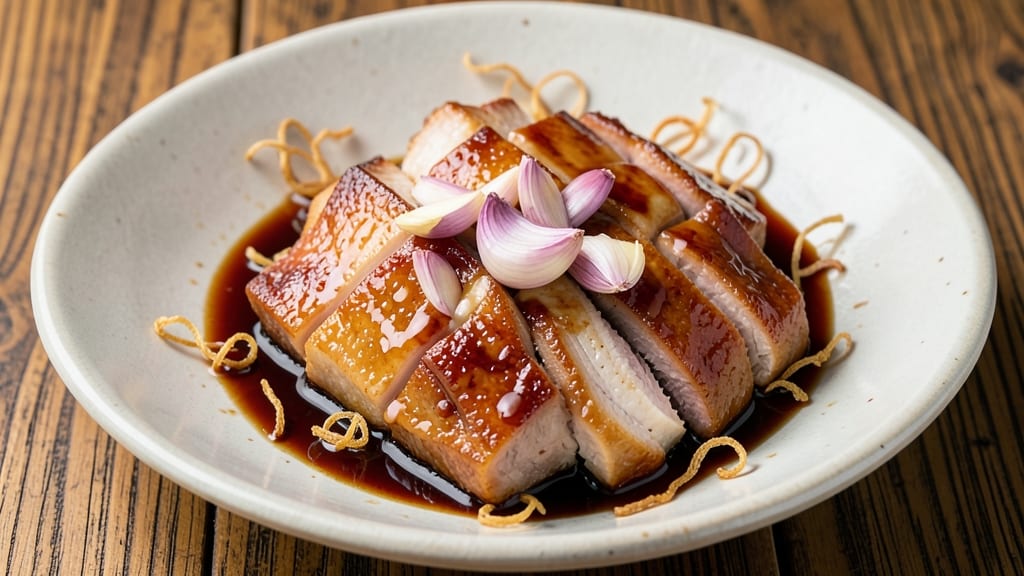
This boiled pork belly Korean recipe transforms fatty, unyielding pork into melt-in-your-mouth perfection—silky, tender, and infused with fermented depth. Growing up in small-town Georgia, I learned that pork’s magic lies in patience and precision, and this dish proves it.
The secret? A long, slow boil that renders fat into crispy pockets while preserving the meat’s natural richness.
The process begins with a simple marinade of soy sauce, sugar, and garlic, letting the flavors penetrate before the pork belly spends hours in gently simmering water. This isn’t just a dish—it’s a lesson in texture, where the skin crisps to golden perfection while the interior stays velvety.
I’ve perfected this method over years of cooking for crowds, ensuring every bite delivers that satisfying contrast.
What you’ll end up with is pork so tender it nearly dissolves on your tongue, its edges caramelized and fragrant. Serve it with steamed rice and a side of kimchi for the full experience—each component balances the richness of the pork.
The aroma alone will have your kitchen smelling like a bustling Seoul street market, but with a Southern twist.
This recipe scales beautifully for gatherings or meal prep, and the leftovers reheat just as well. Whether you’re hosting a dinner or treating yourself, this boiled pork belly delivers restaurant-quality results with minimal effort. Let’s get started—your taste buds will thank you.
Ingredients for boiled pork belly korean
Simple ingredients, hours of patience—this transforms tough pork belly into melt-in-your-mouth perfection.
| Ingredient | Amount | Notes |
|---|---|---|
| Pork Belly 🥓 | 2 lb | Thick-cut, skin-on preferred |
| Kosher Salt 🧂 | 1 tbsp | For initial curing |
| Granulated Sugar 🍚 | 1 tbsp | Brown sugar works too |
| Garlic Cloves 🧄 | 6 cloves | Peeled, smashed slightly |
| Korean Soy Sauce (Ganjang) 🍶 | ½ cup | Or substitute regular soy |
| Rice Vinegar 🍶 | ¼ cup | White or seasoned |
| Fresh Ginger 🌿 | 1 tbsp | Grated, peeled |
| Water 💧 | 4 cups | Filtered preferred |
| Sesame Oil 🫒 | 1 tbsp | Toasted, for finishing |
| Green Onions 🧅 | 3 whole | Sliced, for garnish |
| Vegetable Oil 🫒 | 2 tbsp | For crisping skin |
| Asian Pearl Onions 🧅 | 4 whole | Quartered, for aroma |
| Gochugaru (Korean Red Pepper Flakes) 🌶️ | 1 tbsp | Adjust for heat preference |
The pork belly is non-negotiable here. Thick-cut, skin-on from the butcher section gives the best texture—ask for the fatty side, not lean cuts. I always grab mine from Costco when possible, but any well-marbled cut works. Look for pieces with good fat cap—at least half an inch thick. If you're buying pre-cut, check for even thickness; uneven pieces crisp unevenly. For the Korean soy sauce, Ganjang is ideal, but regular soy sauce in a pinch works fine. The sugar? Brown sugar adds depth, but white is fine if that's what you've got.
No Korean red pepper flakes? Substitute cayenne or smoked paprika at half the amount. Fresh ginger too fibrous? Ground ginger works at one-third the amount. The rice vinegar can be swapped for apple cider vinegar, but it won't be quite as bright. For the onions, green onions can be replaced with scallions or regular onions if needed. The sesame oil is for finishing—use toasted sesame oil if you've got it, but regular will work. Pro tip: if your pork belly has a strong odor, soak it in cold water for 15 minutes before marinating to mellow the smell.
This dish tastes even better the next day, so make extra. Store leftovers in the fridge for 4-5 days or freeze for 3 months. For crispy skin, reheat in a 350°F oven for 15 minutes—no microwave! The marinade keeps in the fridge for 3 days, so prep ahead if you're busy. Garnish with extra green onions and sesame seeds right before serving—it makes all the difference.
Why You'll Love This Recipe
- One-Pot Magic: I swear by this—just pork belly, salt, sugar, and ganjang in a pot. No chopping, no fuss, and the sugar caramelizes right into the broth. That’s it. The simplicity is chef’s kiss.
- Crispy-Creamy Obsession: The garlic cloves roast right in the broth, infusing every bite with that sweet, savory depth. You get tender pork with a crackling edge—like biting into a Korean BBQ dream, but with half the effort.
- Leftover Goldmine: This recipe actually improves the next day. The pork gets even more flavorful as it sits, and I repurpose it for everything: rice bowls, banchan, or even a quick stir-fry. My lunchbox never looks the same twice.
- Budget-Friendly Luxury: Pork belly feels fancy, but here it’s affordable. A single cut stretches for meals, and the ganjang adds that umami punch without breaking the bank. Honestly, it’s the kind of dish that makes grocery day feel like a win.
Step-by-step instructions for silky-smooth boiled pork belly
Here's how to transform tough pork belly into melt-in-your-mouth perfection with fermented depth.
Cure and Parboil the Pork Belly
In a large bowl, combine the 2 lb pork belly, 1 tablespoon kosher salt, and 1 tablespoon granulated sugar. Massage the mixture into the meat for 5 minutes using your hands, working it into all the crevices and fat layers. This step draws out moisture and begins breaking down the collagen for that signature silky texture. Let it rest uncovered in the refrigerator for 1 hour to allow the salt to penetrate fully.
After resting, rinse the pork belly under cold water to remove excess salt, then pat it completely dry with paper towels. This drying step is crucial—it prevents steam from forming during cooking, which would otherwise make the skin rubbery. Place the pork belly in a large pot and cover it with 4 cups water. Bring to a boil over high heat, then reduce to a gentle simmer and cook for 45 minutes. You'll know it's ready when the meat is just beginning to pull away from the fat slightly and the internal temperature reaches 160°F—this first cook softens the meat without fully rendering the fat.
Build the Fermented Marinade
While the pork belly simmers, prepare the marinade in a small saucepan. Add 0.5 cup korean soy sauce (ganjang), 0.25 cup rice vinegar, 6 smashed garlic cloves, 1 tablespoon grated fresh ginger, and 4 quartered asian pearl onions. Bring to a boil over medium heat, then reduce to a simmer and cook for 10 minutes until the liquid reduces by half and the aromatics are deeply fragrant. This reduction concentrates the flavors and creates a sticky, umami-rich glaze that will cling to the pork belly.
Strain the marinade through a fine-mesh sieve to remove the solids, pressing gently on the garlic and ginger to extract every bit of flavor. Set the strained marinade aside—you'll use it later to baste the pork belly. The pearl onions can be discarded or reserved for garnish if you like their sweet, caramelized flavor.
Finish Cooking with Crispy Skin
Remove the pork belly from the simmering water and let it rest on a wire rack for 5 minutes to allow excess moisture to evaporate. This resting step is key for achieving crispy skin later. While it rests, heat 2 tablespoons vegetable oil in a large skillet over medium-high heat until it shimmers. Place the pork belly fat-side down in the skillet and cook for 5-6 minutes, pressing down gently with a spatula to ensure even contact. You're looking for the fat to render and the skin to develop a deep golden-brown crust—this is where all the magic happens.
Flip the pork belly and cook the other side for 3-4 minutes until lightly browned. Remove from the skillet and let it rest for another 5 minutes before slicing. The residual heat will continue cooking the meat slightly, ensuring it's perfectly tender.
Baste and Garnish for Maximum Flavor
Return the pork belly to the skillet and pour the reserved marinade over it. Simmer for 2-3 minutes on medium heat, spooning the marinade over the meat to ensure it's fully coated. This basting step infuses the pork belly with layers of fermented depth and balances the richness of the fat with bright acidity. The skin should now be glossy and the aroma irresistible.
To serve, slice the pork belly into ¼-inch thick pieces against the grain. Drizzle with 1 tablespoon sesame oil and garnish with 3 sliced green onions and 1 tablespoon gochugaru (korean red pepper flakes) for a touch of heat. The result is a dish where each bite delivers a harmonious blend of silky pork, crispy skin, and fermented complexity—perfect for serving with steamed rice and quick-pickled vegetables.
Pro Tips For Making Boiled Pork Belly Korean
- Boil in Stages: Start with a rolling boil for 10 minutes to render fat, then drop to a simmer—this keeps the pork belly tender without turning it greasy. I used to ignore this and ended up with a sad, waterlogged slab every time.
- Salt the Belly First: Generously coat the pork belly with kosher salt at least an hour before cooking—this draws out moisture and makes the skin crispier later. Skip this, and you’ll end up with a bland, soggy exterior.
- Don’t Crowd the Pot: If you’re boiling multiple pieces, leave space between them or cook in batches—crowding steams the meat instead of browning. My first attempt with a packed pot left me with pale, flavorless pork.
- Caramelize the Sugar: When adding sugar to the pot, let it melt and darken slightly before tossing in the garlic—this adds depth and balances the saltiness. I used to dump everything in at once, and the dish always tasted flat.
Creative variations of these flavors
Spicy Gochujang Twist
For a bold, spicy kick, add 2 tbsp gochujang paste directly to the marinade along with the soy sauce and vinegar. This Korean fermented chili paste adds depth and heat that pairs beautifully with the pork’s richness.
I like to balance it with 1 tbsp honey to mellow the sharpness—trust me, it makes all the difference. Serve with extra gochugaru on the side for guests to adjust their spice level. 🌶️
Sweet and Smoky BBQ Fusion
Infuse Southern flavors by swapping the rice vinegar for ¼ cup apple cider vinegar and adding 2 tbsp smoked paprika to the marinade. Finish with a drizzle of 2 tbsp BBQ sauce (like Sweet Baby Ray's) before serving.
This fusion keeps the silky texture while adding a smoky, tangy twist that’s perfect for tailgates or summer BBQs.
Herb-Infused Korean-Italian
Brighten the dish with Italian herbs by adding 1 tbsp fresh rosemary and 1 tbsp fresh thyme to the marinade. After crisping the skin, finish with a sprinkle of grated Parmesan cheese and a drizzle of balsamic glaze.
This unexpected combo adds an elegant, herby brightness that elevates the classic flavors—ideal for dinner parties.
Caramelized Onion Glaze
Take the dish to the next level by caramelizing 2 large yellow onions in 2 tbsp butter until deep golden brown. Spread this glaze over the pork belly after basting and broil for 2 minutes to create a glossy, sweet-savory crust.
The onions add a rich, jammy depth that complements the pork’s natural richness perfectly.
Kimchi Braised Version
For a fermented depth that rivals the marinade, simmer the pork belly in 1 cup kimchi juice (strain the kimchi first) along with the soy sauce and vinegar.
After the initial boil, add ½ cup chopped kimchi and let it cook into the pork belly for the last 10 minutes of simmering. The tangy, spicy kimchi transforms the dish into a hearty, umami-packed masterpiece.
Sesame-Crusted Crunch
For texture lovers, coat the pork belly in a mix of 2 tbsp toasted sesame seeds, 1 tbsp cornstarch, and 1 tsp sugar before the final crisping step. Press the mixture firmly onto the skin and pan-fry until golden and crunchy.
This adds a satisfying crunch that contrasts beautifully with the silky interior—perfect for those who love texture play. 💛
Nutrition facts
Frequently asked questions
Why does the pork belly need to rest after curing?
The 1-hour rest after curing lets the salt and sugar penetrate deeply into the meat, breaking down collagen for that signature silky texture. Skipping this step means the flavors won't distribute evenly, and the meat may stay tough. Think of it like a good steak—resting relaxes the fibers for perfect tenderness.
Can I use regular soy sauce instead of Korean soy sauce?
Yes! While Korean soy sauce (ganjang) adds authentic depth, regular soy sauce works perfectly fine. The key is using ½ cup for the marinade—just be aware it may lack the fermented complexity of traditional Korean ingredients. For extra umami, add 1 tsp fish sauce to the marinade.
How do I know when the pork belly is fully cooked?
Use a meat thermometer—it's the only reliable way! The pork belly should reach an internal temperature of 160°F after the initial 45-minute simmer. After crisping, the residual heat will push it to 165°F or higher. If you don't have a thermometer, check for slight separation between fat and meat.
What's the best way to reheat leftover boiled pork belly?
Never microwave! For crispy skin, reheat in a 350°F oven for 15 minutes on a wire rack. For softer texture, pan-sear in 1 tbsp oil over medium heat for 3-4 minutes per side. Leftovers keep well for 4-5 days in the fridge or 3 months frozen.
Can I make this dish in a slow cooker?
After the initial 45-minute parboil, transfer the pork belly to a slow cooker with 2 cups water and cook on low for 6-8 hours or high for 3-4 hours. Follow the same crisping and basting steps at the end. The slow cooker method is perfect for hands-off prep—just don't skip the final pan-searing for that crispy skin!