
Main Courses
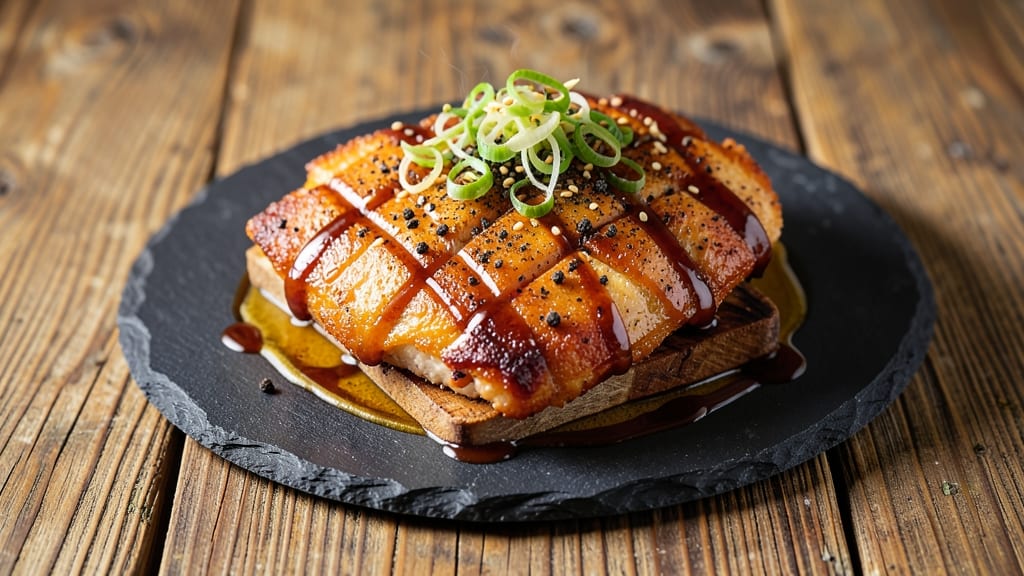
This deep fried pork belly recipe delivers the perfect balance of crispy gold skin and ultra-juicy meat that falls apart at the touch of a fork. After years of perfecting the technique—from precise scoring to ideal oil temperature—I’ve cracked the code for restaurant-quality results at home.
The secret lies in patience: slow rendering for maximum flavor, then a high-heat fry that transforms tough fat into shatteringly crisp layers.
What sets this method apart is the two-stage cooking process that ensures both texture and moisture. First, we render the pork belly low and slow to develop deep, caramelized flavors without drying out the meat.
Then, a 400°F oil bath (peanut or vegetable oil works best) creates that coveted crispy exterior while keeping the interior tender. No shortcuts—just a foolproof technique that transforms a simple protein into a showstopper dish.
The result is a plate of golden, crackling pork belly that’s irresistibly crisp yet melts in your mouth. Serve it with a tangy dipping sauce (like chili oil or hoisin) to cut through the richness, or pair it with pickled vegetables for balance.
This isn’t just fried pork—it’s a textural masterpiece that’ll have everyone asking for seconds.
Whether you’re hosting a dinner party or craving a decadent weeknight meal, this recipe delivers restaurant-quality results with minimal fuss. The key is in the details—from scoring the fat cap to monitoring oil temperature—so let’s get started on creating pork belly that’s worth every crispy bite.
Ingredients for deep fried pork belly
Pork belly, cornstarch, and two-stage frying—these are the essentials for golden, ultra-juicy bites.
| Ingredient | Amount | Notes |
|---|---|---|
| Pork Belly 🥓 | 2 lb | Thick-cut, skin-on, untrimmed |
| Kosher Salt 🧂 | 1 ½ tbsp | Diamond Crystal preferred |
| Black Peppercorns 🌶️ | 1 tsp | Freshly cracked for aroma |
| Five-Spice Powder 🌶️ | 1 tsp | Authentic blend for depth |
| Peanut Oil 🫒 | 4 cups | High smoke point for frying |
| Vegetable Oil 🫒 | 1 cup | Backup option for peanut oil |
| Cornstarch 🌾 | ½ cup | Lightly coats for crispiness |
| Hoisin Sauce 🍶 | ¼ cup | For serving, optional |
| Chili Oil 🌶️ | ¼ cup | For serving, optional |
| Fresh Ginger 🧅 | 1 tbsp | Minced, for marinade |
| Garlic Cloves 🧄 | 4 cloves | Minced, for marinade |
The pork belly is non-negotiable—thick-cut, skin-on pieces with ample fat render beautifully. Most butchers carry it pre-portioned, but if buying whole, look for marbled cuts with at least 1-inch fat cap. Whole Foods and specialty Asian markets often carry the best quality, though Costco offers a solid budget-friendly option. Score the fat in a diamond pattern before seasoning to ensure even crisping. The five-spice powder should be authentic—Penzeys or Spicewalla carry high-quality blends that elevate the dish beyond basic fried pork.
No peanut oil? Vegetable oil works in a pinch, but avoid canola or olive oil—they burn at lower temperatures. The cornstarch is critical for that shatteringly crisp exterior; don’t substitute flour or rice flour, as they lack the necessary adhesion. For the marinade, fresh ginger and garlic are ideal, but if unavailable, powdered ginger and garlic powder (at half the amount) suffice. The hoisin and chili oil for serving can be swapped for sriracha mayo or duck fat if you’re feeling adventurous—just ensure the sauce cuts through the richness.
Store leftover pork belly in an airtight container for up to 4 days, but reheating will compromise crispiness. For best results, freeze portions in a single layer before transferring to a bag—this preserves texture for up to 3 months. The rendered fat can be repurposed for cooking or stored in the fridge for up to 1 week in a sealed jar. When reheating, use a 350°F oven for 10-15 minutes to restore some crispiness, though it won’t match the fresh fry.
Why You'll Love This Recipe
- Two-Ingredient Magic: The pork belly and peanut oil do all the heavy lifting—just salt, pepper, and five-spice to wake it up. Honestly, that’s it. No fancy marinades or last-minute prep; the fat renders itself into crispy perfection while you sip your coffee.
- Crispy-Creamy Obsession: The outside shatters like a potato chip, but inside? Still pillowy and rich, with the five-spice adding this warm, nutty depth that sticks with you. Between us, I’ve seen grown adults lick plates after this.
- Party or Pantry: Slice it thin for tacos, cube it for fried rice, or serve it whole as a centerpiece—it’s the star whether you’re feeding a crowd or reheating leftovers. (Yes, even on a Tuesday night.) The oil keeps it crispy cold or reheated, so it’s always ready.
- Budget Crispy Luxury: A single pork belly feeds four, and the cost per serving is a steal compared to takeout. Plus, peanut oil’s high smoke point means no wasted batches—just golden, crackling slices every time. My wallet and taste buds thank me.
Step-by-step instructions for deep fried pork belly
Mastering this technique delivers restaurant-quality results with a perfect balance of crispy exterior and melt-in-your-mouth tenderness.
Prepare the Pork Belly for Maximum Crisp
Start by scoring the pork belly in a diamond pattern using a sharp knife, cutting about ½-inch deep without piercing the fat. This creates pathways for the marinade to penetrate while allowing the fat to render evenly. Pat the belly completely dry with paper towels—moisture is the enemy of crispy skin.
In a small bowl, combine the 1 tbsp minced fresh ginger, 4 minced garlic cloves, 1.5 tbsp kosher salt, and 1 tsp five-spice powder. Rub this mixture all over the pork belly, pressing firmly into the cuts. Let it marinate uncovered in the refrigerator for at least 4 hours (overnight is ideal). This step ensures deep flavor penetration and helps tenderize the meat.
Create the Cornstarch Coating for Extra Crispiness
Remove the pork belly from the refrigerator and let it sit at room temperature for 30 minutes before frying. In a shallow dish, mix the 0.5 cup cornstarch with an additional 1 tbsp kosher salt and 1 tsp black peppercorns. This extra seasoning layer will create a double barrier for maximum crispiness.
Lightly dredge the pork belly in the cornstarch mixture, pressing gently to adhere the coating evenly. The cornstarch acts as a moisture barrier while creating a crispy, golden crust. For best results, work in batches if needed, as overcrowding will lead to uneven cooking.
Fry to Golden Perfection Using Dual Oils
In a heavy-bottomed Dutch oven or deep fryer, combine 4 cups peanut oil and 1 cup vegetable oil. Heat the oil to 325°F—this lower temperature ensures the pork belly cooks through without burning the exterior. Use a deep-fry thermometer to monitor the temperature precisely.
Carefully lower the pork belly into the hot oil, fat-side down first. Fry for 12-15 minutes until the skin is golden brown and the internal temperature reaches 145°F. Flip the pork belly and continue frying for another 10-12 minutes, adjusting the heat to maintain 325°F. The pork belly is ready when the skin is deep golden and crispy, and the meat is tender enough to pierce easily with a fork.
Rest and Slice for Optimal Texture
Remove the pork belly from the oil and transfer it to a wire rack set over a baking sheet. Let it rest for 10 minutes to allow the juices to redistribute. This resting period is crucial—it prevents the meat from becoming dry and ensures each slice remains succulent.
Slice the pork belly against the grain into ½-inch thick pieces. Serve immediately with the optional 0.25 cup hoisin sauce and 0.25 cup chili oil for dipping. The result should be a perfect balance of ultra-crispy skin and juicy, flavorful meat in every bite.
Pro Tips For Making Deep Fried Pork Belly
- CRANK THE HEAT FIRST: Start your peanut oil smoking hot—375°F (190°C) or higher—before adding the pork belly. I learned this the hard way: lukewarm oil means soggy skin and uneven cooking. Use a deep-fry thermometer; your oil’s temp drops when you add meat, so get it blazing upfront.
- SALT THE BELLY 12 HOURS EARLY: Generously coat the pork belly in kosher salt and let it sit uncovered in the fridge overnight. This isn’t just seasoning—it’s curing the fat, making it render cleaner and giving the crust something to grip. Skip this, and your five-spice powder will just slide off.
- DON’T OVERCROWD THE BATCH: Fry one piece at a time, even if it means two rounds. Pork belly releases fat like a fountain, and cramming the pan forces the oil to cool. A single slab should sizzle without disturbing the oil level—if it doesn’t, wait. Your future self will thank you for the crisp.
- USE A SLOTTED SPOON, NOT TONGS: Tongs crush the delicate crust, turning it into a greasy mess. A slotted spoon lets you lift the belly out cleanly, draining excess oil while keeping the five-spice crust intact. It’s a small tool, but it makes a real difference in texture.
Flavor customization for this dish
Sweet & Smoky
For a caramelized twist, add 1 tbsp brown sugar and ½ tsp smoked paprika to your marinade. After frying, brush the slices with a mix of 2 tbsp honey and 1 tbsp soy sauce while still warm.
The sweetness balances the pork’s richness, creating a sticky, glaze-like finish. This works especially well with Asian-inspired dipping sauces like hoisin or sriracha mayo. 🌟
Spicy & Tangy
Kick up the heat by adding 1 tbsp gochujang (Korean chili paste) and 1 tbsp rice vinegar to your marinade. After frying, toss the slices in 1 tbsp chili crisp (like Lao Gan Ma) for an extra layer of spicy crunch.
Serve with a side of pickled daikon and carrot to cut through the richness. This variation is a crowd-pleaser for those who love bold, complex flavors.
Herb-Infused
Swap the five-spice powder for a mix of 1 tbsp fresh rosemary, 1 tbsp fresh thyme, and 1 tsp lemon zest in your marinade. After frying, garnish with extra fresh herbs and a squeeze of lemon juice.
The bright, herbal notes elevate the dish, making it perfect for a lighter yet still indulgent meal. Pair with a white wine reduction for a sophisticated touch.
Umami Bomb
For a deeper, savory punch, add 1 tbsp fish sauce and 1 tbsp dark soy sauce to your marinade. After frying, drizzle the slices with a mix of 1 tbsp melted duck fat and 1 tsp black garlic paste (if available).
The umami-rich flavors create a luxurious, restaurant-worthy dish. Serve with steamed bok choy and a sprinkle of toasted sesame seeds for texture contrast.
Citrus Zing
Brighten up the dish by adding 1 tbsp orange zest and 1 tbsp lime juice to your marinade. After frying, serve the slices with a side of spicy mango salsa (diced mango, red onion, jalapeño, and cilantro).
The citrus cuts through the fat beautifully, making this a refreshing yet rich dish. Perfect for warm weather or as a lighter appetizer option.
Cheesy Crunch
For a decadent twist, sprinkle ½ cup grated Parmesan cheese and ¼ cup panko breadcrumbs over the cornstarch-coated pork belly before the second fry. The cheese melts slightly, creating a gooey, crispy layer that adds a whole new dimension.
Serve with a marinara sauce for dipping or as a topping for loaded baked potatoes. This variation is a game-changer for cheese lovers! 🧀
Nutrition facts
Frequently asked questions
Can I use regular flour instead of cornstarch for crispiness?
Cornstarch creates a lighter, more delicate crust compared to flour. For the best results, stick with cornstarch—it forms a crispier, golden layer that won't weigh down the pork belly. If you must substitute, use a 50/50 mix of cornstarch and flour for slightly better texture than all flour.
How do I know when the oil is at the right temperature?
Use a deep-fry thermometer to maintain 325°F—this is critical for even cooking. A good test is dropping a small piece of bread in the oil: if it sizzles and turns golden in 30 seconds, your oil is ready. Never exceed 350°F, or the exterior will burn before the interior cooks.
Why did my pork belly turn greasy instead of crispy?
Greasy results usually mean the oil wasn't hot enough or the pork wasn't dry before frying. Pat it thoroughly with paper towels and ensure your oil reaches 325°F. Also, avoid overcrowding the fryer—this lowers the oil temperature and steams the meat instead of crisping it.
Can I make this recipe in an air fryer?
An air fryer won't give you the same deep-fried texture, but you can achieve a crispy version by spraying the pork belly with oil and cooking at 375°F for 12-15 minutes, flipping halfway. For best results, use a cornstarch coating and spray with oil multiple times during cooking. The skin won't be as shatteringly crisp as deep-frying, but it's a lighter alternative.
How should I store leftover fried pork belly?
Store leftovers in an airtight container for up to 4 days in the fridge. For longer storage, freeze portions in a single layer before transferring to a bag—this preserves texture for up to 3 months. Reheat in a 350°F oven for 10-15 minutes to restore some crispiness, though it won't match the fresh fry.