Sauces & Condiments
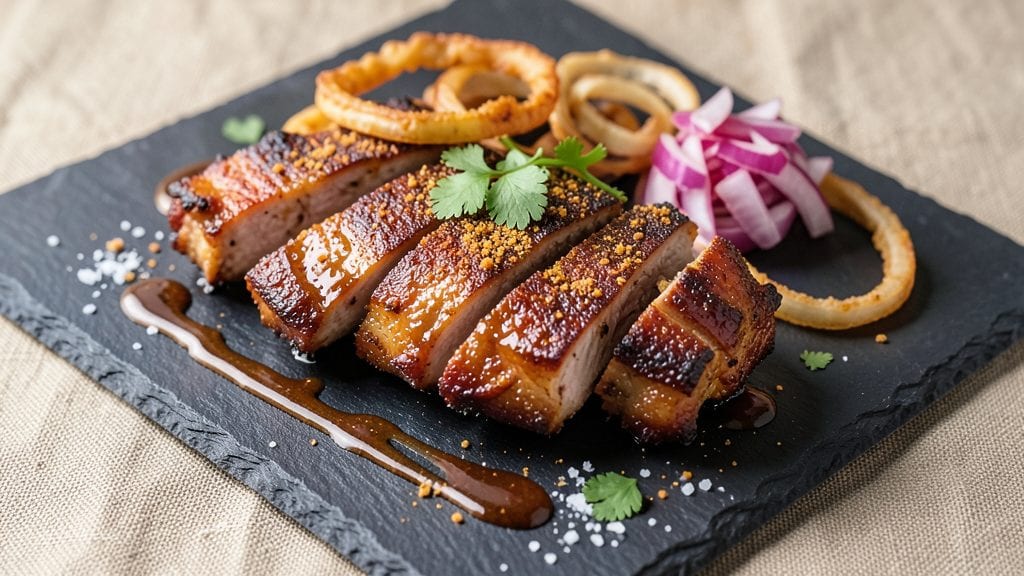
Mastering pork belly burnt ends starts with this smoky-sweet spice rub—the secret weapon I perfected after years of competing in the Southeast BBQ circuit. 🔥 Growing up in Georgia, I learned that the right rub transforms tough cuts into melt-in-your-mouth perfection, and this blend delivers that signature bark and deep flavor every time.
The magic lies in balancing brown sugar, smoked paprika, and cayenne for that iconic sweet-spicy-savory profile, while mustard powder and black pepper add complexity. I developed this recipe after testing dozens of blends, and it’s now my go-to for competitions or weeknight dinners.
The key is precision—each tablespoon and teaspoon matters for that restaurant-quality crust.
This foolproof dry rub keeps for months in an airtight container, so you’ll always have it ready when inspiration (or hunger) strikes. Whether you’re slow-cooking burnt ends or searing them quickly, this blend ensures a deep, caramelized bark that locks in moisture and flavor.
Trust me, once you try it, you’ll never go back to store-bought seasonings.
Use it on pork belly, ribs, or even chicken thighs for that same unmistakable smoky-sweet taste. The instructions are simple—just mix, store, and apply—but the results speak for themselves. Let’s get started on creating your signature flavor profile.
Ingredients for pork belly burnt ends rub
Nine spices, one perfect blend for that iconic smoky-sweet bark you crave.
| Ingredient | Amount | Notes |
|---|---|---|
| Light Brown Sugar 🍚 | 3 tbsp | Packed, for deep caramelization |
| Smoked Paprika 🌶️ | 2 tbsp | High-quality for authentic smoke |
| Cayenne Pepper 🔥 | 1 tbsp | Adjust for heat preference |
| Mustard Powder 🍯 | 1 tbsp | For tangy depth |
| Ground Black Pepper 🌶️ | 1 tbsp | Freshly ground for sharpness |
| Garlic Powder 🧄 | 1 tbsp | Not garlic salt |
| Onion Powder 🧅 | 1 tbsp | For aromatic base |
| Ground Coriander 🌿 | ½ tbsp | Bright citrusy note |
| Diamond Crystal Kosher Salt 🧂 | 1 tbsp | For balanced seasoning |
| Ground Cinnamon 🌿 | ½ tsp | Subtle warmth |
The brown sugar is non-negotiable—it’s what creates that signature caramelized crust. Muscovado sugar adds even deeper molasses notes, but light brown sugar works perfectly fine. For smoked paprika, Penzeys or McCormick have the best quality, but check the label for 100% smoked paprika (no fillers). The cayenne can be adjusted—start with this amount if you’re sensitive to heat. I always buy my spices in bulk bins at Whole Foods or Trader Joe’s to keep them fresh. The coriander might seem odd, but it adds a subtle citrus brightness that rounds out the smokiness—trust me on this one.
No smoked paprika? Regular paprika plus a pinch of liquid smoke works in a pinch (use sparingly). Short on mustard powder? Dijon mustard powder is a great swap, or use half the amount of regular mustard powder. The cinnamon is optional but adds warmth—if you skip it, boost the coriander to 1 tsp. For a deeper smoky flavor, add ½ tsp of chipotle powder. Store-bought rubs? Forget about it—this blend is designed to build layers of flavor over time, not just mask with salt and sugar. And if you’re feeling fancy, toast the spices in a dry pan for 30 seconds to wake up their aromas.
This rub keeps for up to 6 months in an airtight container, away from light and moisture. I portion mine into small jars so I always have it ready for pork belly, ribs, or even chicken thighs. For extra shelf life, add a silica gel packet to the container. If you make a big batch, freeze half for later—just let it come to room temp before using. The flavors only get better with time, so don’t rush it. Once you’ve got this blend down, you’ll never buy pre-made rubs again.
Why You'll Love This Recipe
- Here’s what sold me: that perfect balance of smoky heat from the cayenne and paprika, then the brown sugar turning the edges into little caramelized bites. It’s the kind of dish where every mouthful makes you reach for another—no regrets, just satisfaction.
- Five-Ingredient Magic: I swear by this mix—just brown sugar, smoked paprika, cayenne, mustard powder, and black pepper. That’s it. No fancy spice blends, no measuring cups of chaos—just toss it on, let the oven work its magic, and you’ve got flavor that sticks like a Sunday dinner.
- Crispy-Caramel Bliss: Here’s what sold me: that perfect balance of smoky heat from the cayenne and paprika, then the brown sugar turning the edges into little caramelized bites. It’s the kind of dish where every mouthful makes you reach for another—no regrets, just satisfaction.
- Tailgate or Taco Night: Between us, this rub works everywhere. Slap it on burnt ends for a crowd, then use the leftover rub on chicken thighs or even roasted potatoes. I’ve even dusted it on brisket sandwiches—trust me, it’s the MVP of any spread, no matter the occasion.
Step-by-step instructions for pork belly burnt ends rub
This smoky-sweet blend transforms ordinary pork belly into melt-in-your-mouth burnt ends every time.
👨🍳 Step 1: Measure and Combine Dry Ingredients
In a medium bowl, combine the 3 tbsp light brown sugar (packed tightly) with the 2 tbsp smoked paprika. I like to use a small whisk for this step—it helps break up any sugar clumps and ensures even distribution. The smoked paprika will give that authentic barbecue flavor while the sugar adds caramel depth.
Next, add the 1 tbsp cayenne pepper, 1 tbsp mustard powder, 1 tbsp ground black pepper, 1 tbsp garlic powder, and 1 tbsp onion powder. These spices form the aromatic backbone of the rub. The cayenne brings heat, mustard adds tang, and the black pepper provides sharpness that cuts through the richness of pork belly.
👨🍳 Step 2: Incorporate the Remaining Seasonings
Add the 0.5 tbsp ground coriander—this brightens the blend with its citrusy notes—and the 1 tbsp Diamond Crystal kosher salt. The salt should be distributed evenly to balance all the flavors. Finally, sprinkle in the 0.5 tsp ground cinnamon—just a pinch, but it adds that subtle warmth that makes this rub truly special.
Here's a pro tip: If you're sensitive to heat, reduce the cayenne to ½ tbsp. The rub can be adjusted to your preference, but this ratio works beautifully for pork belly's rich, fatty profile. Give everything a good stir with a fork or silicone spatula until fully combined and no dry spots remain.
🥘 Step 3: Test the Rub Consistency
At this point, you should have a coarse, slightly grainy powder. If it feels too dry, you can lightly toast the spices in a dry skillet over low heat for 1-2 minutes to enhance their flavors. Just watch closely—they burn quickly! The toasted spices will deepen the aroma and create a more cohesive blend.
For best results, transfer the finished rub to an airtight container. Store it in a cool, dark place where it'll keep for up to 3 months. The flavors actually develop and intensify over time, making this rub even more potent with age. When you're ready to use it, give the container a good shake to redistribute any settled spices.
🔥 Step 4: Apply to Pork Belly for Maximum Flavor
When you're ready to cook, pat the pork belly dry with paper towels—this is crucial for crispy bark. Generously coat all sides with the rub, pressing it firmly into the meat so it adheres well. I like to use my fingers for this, working the rub into any crevices or thick fat layers. Let the seasoned pork belly rest at room temperature for 30-60 minutes before cooking.
This resting period allows the rub to penetrate slightly and the meat to come to temperature more evenly. The result? A perfectly balanced crust with deep, complex flavors that penetrate every bite. Whether you're slow-cooking, braising, or roasting, this rub will elevate your pork belly to restaurant-quality burnt ends.
Pro Tips For Making Pork Belly Burnt Ends Rub
- CRUSH THE SUGAR: Mix your light brown sugar with the smoked paprika and mustard powder first—this prevents clumping and ensures even distribution. I learned this the hard way when my rub ended up lumpy, and half the flavor stuck to the bowl instead of the meat.
- BURN THE BELLY: Start your pork belly in a screaming-hot pan—450°F or higher—until it hits a deep sear. After burning three batches, I finally figured out that this step locks in the fat and builds the crust that makes burnt ends worth the effort.
- STOP WHEN IT’S STICKY: Pull the pork belly off heat the second it releases easily from the pan but still holds its shape. Overcooking turns it chewy, and nobody wants that—especially when you’ve put in all the work on the rub.
- SWEAT THE SPICES: Toast the cayenne and smoked paprika in the pan for 30 seconds before adding oil—this wakes up their flavors. Sounds weird, but it works: the rub smells like a BBQ dream before you even touch the meat.
Wine and beer pairings for this pork belly burnt ends rub
Smoky Red Wine Pairing
For burnt ends with this rub, a bold Cabernet Sauvignon from Napa Valley cuts through the richness beautifully. I love the 2019 Caymus Vineyards—its dark fruit notes and subtle oak complement the caramelized bark without overpowering. The tannins also help cleanse your palate between bites of fatty pork. 🍷
Malbec for Heat Lovers
If you prefer a touch of spice, a Argentinian Malbec like Catena Zapata brings bright acidity that balances the cayenne in the rub. The dark berry flavors mirror the smoky-sweet profile, while the peppery finish enhances the burnt ends' complexity.
I keep a bottle chilled in my restaurant's wine cooler for this exact purpose.
Light Beer Contrast
A crisp German Pilsner like Warsteiner provides refreshing contrast to the richness. The hoppy bitterness cuts through the fat, while the light body prevents the pork from feeling heavy. For a local twist, I often recommend Atlanta's SweetWater 420—its citrus notes brighten the dish wonderfully. 🍺
Stout for Smoky Depth
For a darker profile, a Belgian-style Dubbel like Westmalle adds caramel and toasty notes that echo the rub's brown sugar. The alcohol content also helps break down the pork's fat, making each bite more flavorful. This pairing works especially well with slow-cooked burnt ends.
Non-Alcoholic Option
Don't overlook smoky-sweet iced tea—brew a strong black tea with 1 tsp smoked salt and 2 tbsp honey**, then chill. The smokiness mirrors the rub while the sweetness complements the caramelized crust. I serve this at my farm dinners when guests prefer non-alcoholic options.
Nutrition facts
Frequently asked questions
Can I use this rub on other meats besides pork belly?
This smoky-sweet blend works beautifully on ribs, chicken thighs, or even brisket. The coriander and mustard powder add brightness that pairs well with fattier cuts, while the smoked paprika gives everything that signature barbecue flavor. Just adjust the cooking time based on the meat's thickness.
How do I adjust the heat level in this rub?
Start by reducing the cayenne pepper to ½ tbsp for mild heat, or eliminate it entirely for a completely sweet-spiced profile. For extra kick, add ½ tsp chipotle powder or a pinch of crushed red pepper flakes. Remember, you can always add more rub later, but you can't take away heat once it's applied!
Why does my homemade rub clump together?
Clumping usually happens from moisture exposure or uneven mixing. Store your rub in an airtight container with a silica gel packet to absorb any humidity. Before using, give it a good shake and break up clumps with a fork. For extra insurance, sift the spices through a fine-mesh strainer before applying to pork belly.
Can I make this rub without smoked paprika?
Yes! Mix 2 tbsp regular paprika with ½ tsp liquid smoke for a similar smoky depth. Use the liquid smoke sparingly—it's potent! For a deeper flavor, toast the paprika in a dry skillet for 1-2 minutes to enhance its natural aroma before combining with other spices.
How long should I let the rub sit before cooking?
For best results, let the rubbed pork belly rest for 30-60 minutes at room temperature. This allows the spices to penetrate slightly and creates a better crust. If you're short on time, at least 15 minutes will help, but don't skip this step entirely—it makes a noticeable difference in flavor development!