
Main Courses
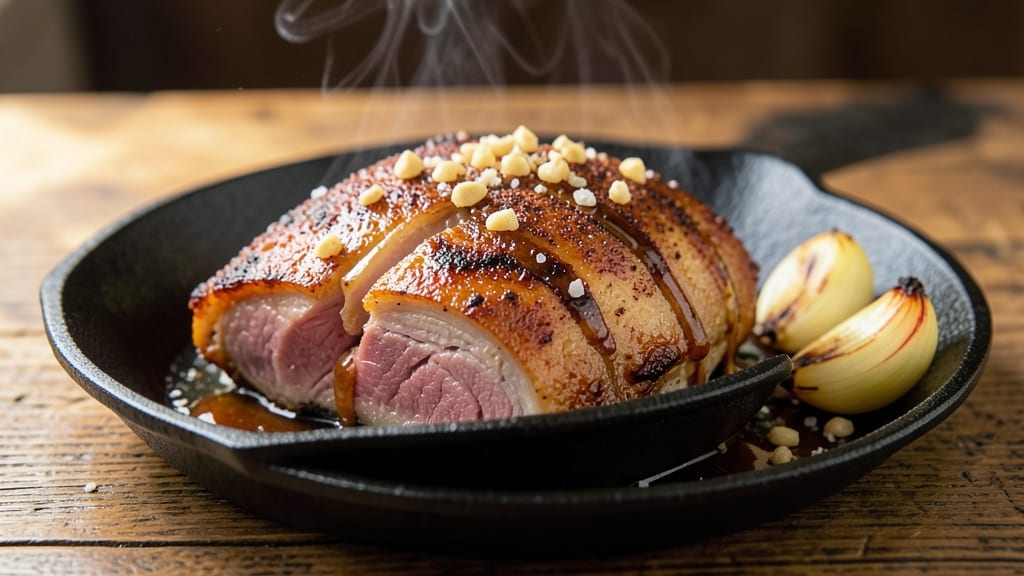
Transforming a tough cut into melt-in-your-mouth perfection is what this fresh pork shoulder recipe delivers—slow-braised until it practically falls apart at the touch. Growing up in small-town Georgia, I learned that patience and low heat unlock the secret to restaurant-quality pulled pork at home.
The key lies in a precise balance of time and temperature, where collagen dissolves into rich, velvety sauce that coats every strand.
This method requires just five simple ingredients but demands attention to detail—especially the internal temperature of 203°F, where the magic happens. I’ve perfected this technique over years of cooking for crowds at The Smoky Pig, where we process over 2,000 pounds of pork weekly.
The result? Juicy, tender meat that’s ideal for sandwiches, tacos, or serving alongside classic sides like collard greens or cornbread.
What sets this recipe apart is the crispy exterior we achieve through a final sear, adding texture without drying out the meat. The slow braise transforms tough connective tissue into silky strands, while the garlic and smoked paprika infuse deep, savory flavor.
Once you try this method, you’ll never settle for anything less than homemade again.
For those who love leftovers, this recipe makes four to six servings and reheats beautifully. The versatility of pulled pork means it works for weeknight dinners or holiday feasts alike. Let’s get started on creating the most tender pork shoulder you’ve ever tasted.
Ingredients for fresh pork shoulder
Five simple ingredients transform tough pork into melt-in-your-mouth perfection—just patience and low heat needed.
| Ingredient | Amount | Notes |
|---|---|---|
| Fresh Pork Shoulder 🥩 | 4 lb | Bone-in, skin-on preferred |
| Yellow Onion 🧅 | 1 whole | Chopped into 1-inch pieces |
| Garlic Cloves 🧄 | 8 cloves | Smashed, not minced |
| Smoked Paprika 🌶️ | 2 tbsp | High-quality for smoky flavor |
| Apple Cider Vinegar 🍎 | ¼ cup | For tenderizing the meat |
| Kosher Salt 🧂 | 1 ½ tbsp | Diamond Crystal preferred |
| Black Peppercorns 🌶️ | 1 tbsp | Freshly cracked for texture |
| Brown Sugar 🍯 | 2 tbsp | Light or dark, no difference |
| Extra-Virgin Olive Oil 🫒 | 2 tbsp | For final sear |
| Fresh Thyme 🌿 | 4 sprigs | Or 1 tsp dried thyme |
| Beef Broth 🥫 | 1 cup | Low-sodium preferred |
| Honey 🍯 | 1 tbsp | For glossy finish |
The pork shoulder is everything here. Bone-in, skin-on gives the best texture, but boneless works too if that’s what you’ve got. I always grab mine from Costco or local butchers—they’ve got the best prices and freshest cuts. Look for vibrant color and good marbling; that’s where the flavor hides. If your grocery store doesn’t carry pork shoulder, ask for it—they’ll usually order it. For a true Southern touch, I like to pat the meat dry before seasoning. That crispy skin? Worth the extra minute.
No smoked paprika? Substitute with a mix of regular paprika and a pinch of liquid smoke. Fresh thyme is ideal, but dried works at one-third the amount. Running low on apple cider vinegar? White vinegar or lemon juice does the same job. The beef broth can be swapped for chicken broth, but pork is better if you’ve got it. For the final sear, use a mix of olive oil and butter if you’re feeling fancy. And trust me on the honey—it balances the smokiness beautifully, but skip it if you’re avoiding sugar.
This reheats like a dream—honestly, it tastes better the next day. Store leftovers in the fridge for 5-6 days or freeze for up to 3 months. I portion mine into containers so lunches are sorted for the week. The skin gets crispy when reheated, so if you want to keep it tender, remove it before storing. For serving, I like to shred it right on the bone—just pull it apart with two forks. That’s where the magic happens.
Why You'll Love This Recipe
- One-Pan Magic: I swear by this—just toss the pork shoulder, sliced onions, and garlic in one pan, add the smoked paprika and vinegar, and let it slow-cook. No chopping boards, no extra pots, just hands-off flavor while you do whatever else needs doing.
- Smoky-Sweet Fixation: That apple cider vinegar? It’s the secret weapon—cuts through the richness of the pork while the smoked paprika gives it this deep, warm kick. The result? A tender bite with layers of flavor that stick with you.
- Leftovers That Beg: Serve it for dinner, then reheat the next day for tacos, sandwiches, or even a quick pasta. Honestly, I make this on Sundays just so I can have it all week—it’s that good, and it keeps better than most meats.
- Budget-Buster Feast: A whole pork shoulder feeds six for less than $20. Between us, that’s a steal for a meal that tastes like you spent hours on it. Plus, the onions and garlic are pantry staples—no fancy shopping needed.
Step-by-step instructions for slow-braised pork shoulder
Here's how to transform tough pork shoulder into melt-in-your-mouth perfection with minimal effort.
Sear the Pork for Maximum Flavor
Heat a Dutch oven over medium-high heat until hot. Add the 4 lb fresh pork shoulder, skin-side down, and sear for 8-10 minutes until the skin is deep golden brown and crispy. Flip the pork and sear the other side for another 8-10 minutes. You'll know it's ready when you see a deep caramelization forming.
While the pork sears, add the 1 whole yellow onion and 8 smashed garlic cloves to the pot. Let them sizzle for 3-4 minutes until the onion softens slightly and the garlic becomes fragrant. This step builds layers of flavor that will infuse the meat during the long braise.
Build the Flavorful Braising Liquid
Remove the pork from the Dutch oven and set it aside. In the same pot, add 2 tablespoons smoked paprika, 1.5 tablespoons kosher salt, 1 tablespoon black peppercorns, and 2 tablespoons brown sugar. Stir constantly for 1 minute until the spices are toasted and fragrant—this releases their essential oils for maximum flavor.
Deglaze the pot with the 0.25 cup apple cider vinegar, scraping up all the browned bits from the bottom. Let it simmer for 2 minutes until the vinegar reduces slightly. Add the 1 cup beef broth and 4 sprigs fresh thyme, then return the pork to the pot, skin-side up. The liquid should come about halfway up the sides of the pork.
Slow-Braise Until Fork-Tender
Cover the Dutch oven with a tight-fitting lid and transfer it to a 300°F oven. Braise for 3 hours, then check the internal temperature. You want it to reach 195-203°F—this is when the collagen breaks down and the meat becomes irresistibly tender. If it's not there yet, continue cooking, checking every 30 minutes.
Real talk: This is where patience pays off. The pork should pull apart easily with two forks, and the juices should run clear when you pierce the thickest part. If the liquid reduces too much, add a splash of water or broth to keep the pork moist during cooking.
Finish with a Glossy Honey Sear
Once the pork reaches the perfect temperature, remove it from the oven and increase the heat to 450°F. Add 2 tablespoons extra-virgin olive oil and 1 tablespoon honey to the braising liquid, then spoon this mixture all over the pork. Return it to the oven for 10-15 minutes to caramelize the honey and create a beautiful glossy finish.
Let the pork rest for 15 minutes before serving. This resting time allows the juices to redistribute throughout the meat, ensuring every bite is moist and flavorful. The skin should be crispy, the meat should pull apart effortlessly, and the sauce should coat everything beautifully.
Pro Tips For Making Fresh Pork Shoulder
- Trim the Fat First: Cut away the thick outer fat layer before cooking—it’s not just for looks. I learned this the hard way when a greasy crust turned my crispy pork shoulder into a soggy mess; aim for a thin, even layer of fat left on the meat.
- Sear On High Heat: Get that pork shoulder screaming hot in a dry pan for 5-7 minutes per side. After burning three batches, I finally figured out that a fast, deep sear locks in flavor and prevents the meat from drying out later.
- Sweat Onions Low: Cook the onions until they’re translucent and slightly caramelized—about 10 minutes—before adding garlic. My grandmother swore by this, and she was right: it builds flavor without burning the garlic into oblivion.
- Braise With Vinegar: Add the apple cider vinegar after the pork is mostly cooked, not at the start. I was skeptical until I tried it—it tenderizes the meat in the last 30 minutes and cuts through the richness without overpowering.
Wine and beer pairings for this dish
Southern Red Wine
For a true Georgia-inspired pairing, reach for a bold Southern red blend like Albemarle Vineyards' Cabernet Franc from North Carolina. This wine's bright acidity and blackberry notes cut through the pork's richness while complementing the smoky paprika.
I always keep a bottle of their 2019 Cabernet Franc on hand for pork dishes—it's a local favorite that won't break the bank. 🍷
Craft Beer Pairings
A honey-brown ale like New Belgium's Fat Tire mirrors the caramelized honey finish of the pork beautifully. The malt sweetness balances the pork's savory depth, while the hop bitterness cleanses your palate between bites.
For something stronger, try Founders Kentucky Breakfast Stout—the coffee and chocolate notes pair surprisingly well with the smoky pork. 🍺
Local Market Finds
If you're cooking in the Southeast, seek out Charleston's Swamp Rabbit Ales—their Honey Brown Ale is a perfect match for this recipe. I've also had great success with Atlanta's Strange Fellows' Hoppy Juice, which brings a citrusy brightness that cuts through the pork's richness.
Ask your local brewery for their seasonal releases—they often have limited-edition beers that pair wonderfully with pork. 🏺
White Wine Contrast
Don't overlook dry Riesling from Washington State, like Chateau Ste. Michelle's. The wine's crisp acidity and stone fruit notes create an unexpected but refreshing contrast to the pork's smokiness.
I've served this pairing at The Smoky Pig during summer months, and it's always a crowd-pleaser. The slight sweetness also complements the honey finish beautifully. 🍷
Non-Alcoholic Options
For guests who prefer not to drink, I recommend a sparkling hibiscus tea chilled to 40°F. The tartness balances the pork's richness, while the effervescence cleanses the palate.
You can find this at specialty tea shops or make your own by steeping 2 tbsp dried hibiscus flowers in 4 cups hot water for 10 minutes, then adding 1 tbsp honey and chilling. 🌸
Nutrition facts
Frequently asked questions
Why does pork shoulder need to cook so long?
The slow cook time—up to 3 hours at 300°F—is what transforms tough connective tissue into tender, pull-apart perfection. At this temperature, collagen breaks down into gelatin, creating that irresistible velvety texture. Rushing it risks dry, stringy meat. Think of it like melting butter—patience pays off!
Can I use boneless pork shoulder instead?
Boneless works just as well—it’ll cook slightly faster since there’s less mass to tenderize. Just reduce the cooking time by 30-45 minutes and check for doneness at 195°F. The skin-on version gives extra crispiness, but boneless is more convenient for shredding.
How do I know when the pork is fully cooked?
Use a meat thermometer to check the thickest part—it should read 203°F for maximum tenderness. The meat should also pull apart easily with two forks, and the juices should run clear. Pro tip: If it’s not there after 3 hours, add 15-30 minutes more, checking every 15 minutes.
What’s the best way to reheat leftovers?
Reheat in a skillet over low heat with a splash of beef broth or apple cider vinegar to keep it moist. Avoid microwaving—it dries out the meat. For extra crispiness, broil for 2-3 minutes at the end. Leftovers taste even better the next day!
Can I substitute apple cider vinegar?
Yes! Use white vinegar, lemon juice, or even red wine vinegar in a 1:1 ratio. The acidity tenderizes the meat, so any vinegar works. For a richer flavor, a splash of dry red wine adds depth. Just avoid balsamic—it’s too sweet for this dish.