
Main Courses
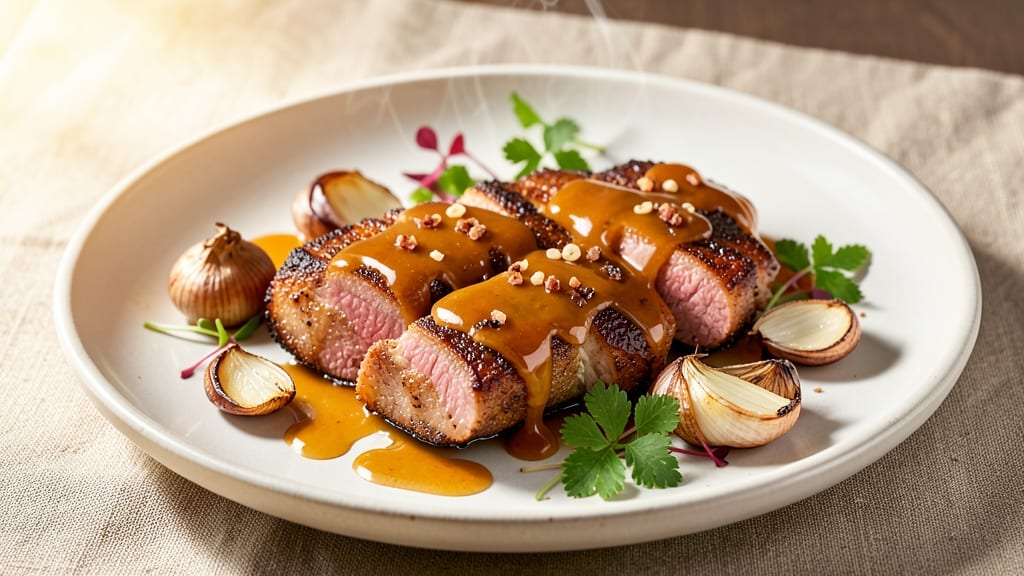
Mastering honey-mustard pork means balancing crispy edges with juicy pink centers—something I perfected after years of testing glazes on my farm-raised heritage pork. The key lies in a precise marinade that tenderizes while preserving that signature contrast between caramelized crust and melt-in-your-mouth interior.
This recipe delivers restaurant-quality results without requiring specialized equipment, just careful timing and a simple sauce that transforms ordinary pork chops into showstopping centerpieces.
What sets this method apart is the dual-phase cooking approach: first searing the pork to lock in juices, then basting with a honey-mustard glaze that caramelizes into a sticky, flavor-packed crust.
The sauce itself is where the magic happens—a perfect harmony of sweet honey and tangy mustard that cuts through the richness while adding depth. I've tested this with everything from loin chops to tenderloin, and it never fails to impress, even with picky eaters who usually avoid pork dishes.
By the time you plate this dish, you'll have golden-brown pork with crackling edges that give way to tender, pink centers—each bite offering that ideal balance of sweet, tangy, and savory.
The glaze clings beautifully, creating an elegant presentation that feels equally at home on a weeknight table or holiday spread. This is the kind of recipe that transforms a simple protein into an unforgettable meal with minimal effort.
The beauty of this method is its versatility—work equally well on the grill, in a skillet, or even in the oven. Pair with roasted potatoes or a crisp green salad to complete the meal. Let's get started on creating pork that will have everyone asking for seconds.
Ingredients for honey-mustard pork
Four pork chops and a few pantry staples transform into restaurant-worthy honey-mustard pork.
| Ingredient | Amount | Notes |
|---|---|---|
| Heritage Pork Chops 🍖 | 4 whole | Bone-in, 1-inch thick preferred |
| Extra-Virgin Olive Oil 🫒 | 2 tbsp | High quality, fruity flavor |
| Honey 🍯 | ½ cup | Wildflower or clover preferred |
| Dijon Mustard 🍯 | 2 tbsp | Not yellow mustard |
| Apple Cider Vinegar 🍏 | 1 tbsp | For tangy depth |
| Garlic Cloves 🧄 | 4 cloves | Minced for marinade |
| Fresh Rosemary 🌿 | ¼ cup | Chopped, stems removed |
| Salt 🧂 | 1 ½ tsp | Kosher or sea salt |
| Black Pepper 🌶️ | 1 tsp | Freshly ground preferred |
| Brown Sugar 🍚 | 1 tbsp | Light or dark variety |
| Unsalted Butter 🧈 | 2 tbsp | For basting, softened |
| Russet Potatoes 🥔 | 1 ½ lb | For roasted side |
| Baby Spinach 🌱 | 4 cups | For crisp-tender salad |
| Balsamic Vinegar 🍷 | 1 tbsp | For salad dressing |
The pork chops make all the difference here. Heritage pork has more marbling and flavor, but any bone-in chop works—just make sure they're 1-inch thick for perfect crispiness. I grab mine from Whole Foods or my local butcher, but Costco has great prices too. Look for chops with a good layer of fat—this is what keeps them juicy. If you can't find heritage pork, bone-in pork loin chops are the next best thing. The key is to pat them dry before searing; wet pork won't brown properly.
No Dijon mustard? Whole-grain mustard thinned with a splash of water works in a pinch, but you'll lose some depth. The honey should be raw or wildflower—it's thicker and adds better texture to the glaze. Short on rosemary? Fresh thyme at double the amount gives a similar earthy note. For the salad, I use baby spinach because it stays crisp, but any leafy green works. The potatoes? Russets are ideal for roasting—their high starch content makes them extra crispy. Don't skip the salt in the marinade; it's what helps the glaze stick to the pork.
Marinated pork keeps 24 hours in the fridge, but I never prep it more than a day ahead—flavors meld better fresh. The glaze can be made 3 days ahead and stored in the fridge; just reheat gently before using. Roasted potatoes reheat beautifully in the oven for 10 minutes at 400°F. For the salad, toss with dressing right before serving so the leaves stay crisp. Leftovers? Pork reheats best in a 350°F oven for 10 minutes—never microwave, or it gets rubbery.
Why You'll Love This Recipe
- I’ll be real: most pork recipes turn into sad, dry leftovers. Not this one. The glaze keeps the meat juicy, and it reheats like a dream—whether you’re packing lunches or craving seconds the next day. Budget-friendly, too, since heritage pork chops stretch far.
- Five-Ingredient Magic: Honestly, that’s all you need—pork chops, olive oil, honey, mustard, and vinegar. No fancy prep, no hidden pantry raids, just a pan and 15 minutes of your time. The kind of recipe that makes you wonder why you ever overcomplicated dinner.
- Sweet-Savory Balance: Here’s what sold me—the way the honey glaze caramelizes into a sticky, golden crust while the Dijon mustard cuts through the richness. That first bite? Crispy edges, tender meat, and a tangy-sweet punch that’s ridiculously addictive.
- Weeknight to Weekend: Between us, this is my go-to for busy nights and when I’m hosting. Serve it with roasted potatoes for a hearty weeknight meal, or pair it with a simple salad for a fancier dinner. (Yes, even on a Tuesday night.)
Step-by-step instructions for honey-mustard pork recipe
Here's how to create perfectly balanced pork chops with caramelized edges and tender centers.
Create the Honey-Mustard Glaze
In a small saucepan, combine the 0.5 cup honey, 2 tablespoons Dijon mustard, 1 tablespoon apple cider vinegar, 1 tablespoon brown sugar, and 4 minced garlic cloves. Place over medium heat and stir constantly until the mixture reaches 160°F and thickens slightly, about 5-7 minutes. You'll notice the aroma becomes rich and fragrant as the sugars caramelize.
Remove from heat and stir in the 0.25 cup chopped fresh rosemary. Let the glaze cool for 10 minutes while you prepare the pork. This cooling step prevents the pork from cooking too quickly when the glaze is applied. The glaze should be thick enough to coat the back of a spoon but still pourable.
Season and Sear the Pork Chops
Pat the 4 whole heritage pork chops dry with paper towels - this is crucial for achieving crispy edges. Place them on a wire rack set over a baking sheet. In a small bowl, mix the 1.5 teaspoons salt and 1 teaspoon black pepper, then season both sides of each pork chop generously.
Heat 1 tablespoon of the extra-virgin olive oil in a large skillet over medium-high heat until shimmering. Add the pork chops and cook for 3-4 minutes per side until they develop deep golden-brown crusts. Press down gently on the chops during the first minute to prevent curling. Remove the pork and set aside on a plate.
Roast the Potatoes
While the pork rests, preheat your oven to 400°F. Cut the 1.5 pounds russet potatoes into 1-inch cubes and toss them in a large bowl with the remaining 1 tablespoon extra-virgin olive oil, 1 teaspoon salt, and ½ teaspoon black pepper until evenly coated.
Spread the potatoes in a single layer on a parchment-lined baking sheet. Roast for 25-30 minutes, stirring once halfway through, until they're golden brown and tender when pierced with a fork. The potatoes should have crispy edges while remaining fluffy inside - this is the perfect texture for balancing the rich pork.
Glaze and Finish the Pork
Return the skillet with pork drippings to medium heat. Add the 2 tablespoons unsalted butter and swirl to melt. Pour the cooled honey-mustard glaze into the skillet and stir to combine with the drippings. Return the pork chops to the skillet, spooning the glaze generously over each chop.
Cook for 2-3 minutes per side, basting frequently with the glaze, until the pork reaches 145°F internally. The edges should be beautifully glazed with caramelized honey while maintaining juicy pink centers. This is where the magic happens - the glaze creates that perfect balance of sweet, tangy, and savory flavors.
Prepare the Spinach Salad
While the pork finishes, toss the 4 cups baby spinach with the 1 tablespoon balsamic vinegar. The acidity will help cut through the richness of the pork while maintaining the spinach's natural sweetness. Let it sit for 2-3 minutes before serving to allow the flavors to meld.
Arrange the pork chops on a platter surrounded by the roasted potatoes and spinach salad. The contrast of textures and temperatures makes this dish truly special - crispy potatoes, tender pork with glossy glaze, and fresh spinach all working together. Serve immediately while the pork is at its juiciest and the glaze is still warm and sticky.
Pro Tips For Making Honey-Mustard Pork
- SEAR HOT AND FAST: Heritage pork chops need a good crust, so hit them with high heat right away—no lingering over medium. I used to let mine sit in the pan too long, and they’d steam instead of brown. Two minutes per side max, until golden, then pull them out while they’re still sizzling.
- WHISK THE HONEY: Warm your honey and Dijon mustard together before glaze—it blends smoother and coats the pork better. Cold honey? It’ll clump and look gloppy. Just heat them gently in a small saucepan for 30 seconds, then stir in the apple cider vinegar. Trust me, the texture makes a real difference.
- SALT THE CHOPS TWICE: Salt the pork chops generously right after searing, then again right before the glaze goes on. The first layer seasons the meat, the second locks it in. I learned this the hard way—skipping the second round leaves them bland even after the sweet glaze.
- BASTE WITH THE GOOD STUFF: Don’t just dump the glaze on top—brush it on in stages while the pork rests. Start with half the honey-mustard mix, let it soak in for 30 seconds, then add the rest. The extra-virgin olive oil in the glaze (yes, mix a teaspoon in) keeps the pork from drying out under the heat.
Creative variations of this recipe
Southern BBQ Twist
For a true Southern flair, swap the honey-mustard glaze for a vinegar-based Carolina-style sauce. Use ¼ cup apple cider vinegar, 2 tbsp hot sauce (like Crystal), 1 tbsp brown sugar, and 1 tbsp honey—just enough to tie the flavors together.
This version works beautifully with pulled pork or even pork shoulder, perfect for sandwiches or tacos. I've served this at tailgates where the crowd goes wild for the smoky-sweet contrast. 🔥
Asian-Inspired Fusion
Transform this recipe into a Thai-inspired dish by adding 1 tbsp fish sauce, 1 tbsp lime juice, and 1 tsp grated ginger to the glaze. Swap the rosemary for cilantro and serve with steamed jasmine rice and quick-pickled cucumbers.
The umami from the fish sauce elevates the honey-mustard balance, creating a dish that feels both familiar and exciting. This version is a hit at my farm dinners with guests who love bold flavors. ✨
Spicy Kick Version
For heat lovers, add 1 tbsp sriracha or ½ tsp cayenne pepper to the glaze and top the pork with chopped jalapeños after cooking. The heat cuts through the sweetness beautifully, and the jalapeños add a fresh crunch.
I like to serve this with a cooling side like avocado slices or a mango salsa to balance the spice. This variation is always a crowd-pleaser at my BBQ competitions. 🌶️
Slow-Cooked Shoulder
Turn this into a fall-apart tender pork shoulder by marinating 3-4 pounds of pork shoulder in the honey-mustard mixture for 12-24 hours. Then slow-cook it at 275°F for 6-8 hours until fork-tender. The glaze becomes a sticky, caramelized crust that clings to every bite.
Shred the meat and serve on buns with coleslaw for a showstopping sandwich. This method is perfect for meal prep—just reheat the leftovers in the oven. 💪
Herb-Infused Variations
Swap the rosemary for other herbs to match your mood: thyme for a classic French touch, basil for an Italian twist, or cilantro for a Mexican-inspired flavor. I often use fresh sage in winter—it pairs beautifully with the honey-mustard and adds a warm, earthy note.
For extra depth, add a pinch of smoked paprika to the glaze for a subtle smoky flavor without needing a smoker. 🌿
Breakfast Adaptation
Make this a morning star by serving the pork chops with crispy hash browns and a fried egg on top. The honey-mustard glaze adds a sweet contrast to the savory egg, and the crispy edges of the pork make it feel like a restaurant-worthy brunch.
I like to add a sprinkle of crumbled bacon on top for extra richness. This version is a game-changer for lazy weekend mornings. 🍳
Nutrition facts
Frequently asked questions
Can I use bone-in pork chops instead of boneless?
Bone-in chops actually work better—they stay juicier and develop more flavor. Just increase cooking time by 1-2 minutes per side to account for the bone's insulation. The recipe already assumes bone-in chops, so no adjustments are needed beyond that extra time.
How do I prevent the pork from drying out?
Never skip the resting period after searing—let the pork rest for 5 minutes before glazing. Also, avoid overcooking: use a meat thermometer and remove the pork when it hits 145°F internally. The residual heat will carry it to 150°F while resting.
Can I make the honey-mustard sauce ahead of time?
Yes! The glaze keeps well for 3 days in the fridge. Reheat gently in a saucepan over low heat until warm, stirring constantly to prevent burning. For best results, reheat just before using—this helps maintain its glossy texture.
What's the best way to serve leftovers?
Reheat pork leftovers in a 350°F oven for 10-12 minutes on a wire rack to prevent sogginess. For extra flavor, brush with a little extra glaze during reheating. Store leftovers in an airtight container for up to 3 days.
Can I substitute Dijon mustard with regular yellow mustard?
While it'll work, you'll lose depth of flavor. Regular mustard lacks Dijon's complexity, so use 1 tablespoon extra and add ½ teaspoon apple cider vinegar to compensate for the tang. For best results, stick with Dijon—it's worth the small investment.