
Main Courses
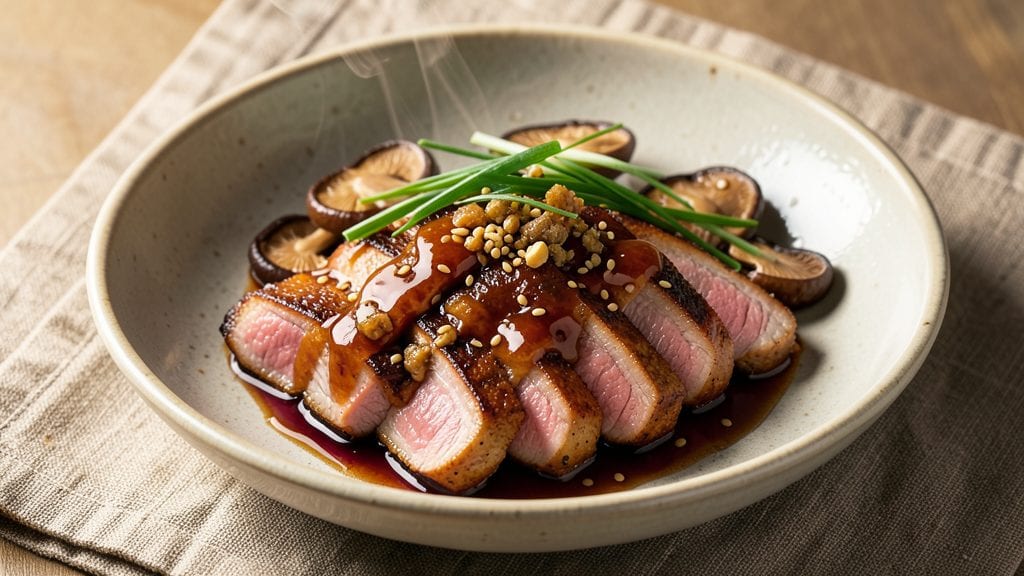
Mastering Japanese pork tenderloin means balancing crispy edges with tender meat and a glaze that delivers deep umami without overpowering.
Growing up in small-town Georgia, I learned pork’s versatility, but it wasn’t until apprenticing under Master Chef Chen that I discovered how Japanese techniques—like mirin and soy reduction—transform simple cuts into restaurant-worthy dishes.
This recipe delivers that perfect harmony, where every bite offers a crispy crust and melt-in-your-mouth interior, all wrapped in a glossy, savory glaze.
The secret lies in the marinade: a blend of soy sauce, mirin, and sake that tenderizes while building complex flavors. Unlike heavy Western glazes, this version relies on precise ratios and a quick sear to lock in juices, ensuring the meat stays tender while developing that signature crispy exterior.
The glaze reduces to a sticky, umami-rich finish—no artificial thickeners, just pure flavor. It’s the kind of dish that feels both familiar and elevated, perfect for weeknight dinners or special occasions.
By the time you plate this dish, you’ll have a pork tenderloin that’s golden-brown and glistening, with a glaze that clings perfectly to each slice. The aroma alone—smoky, sweet, and slightly tangy—will draw everyone to the table.
Pair it with steamed rice and a side of quick-pickled vegetables to complete the meal, or serve it over noodles for a heartier experience. The technique is straightforward, but the results are undeniably impressive, proving that Japanese-inspired cooking doesn’t require a specialty store or years of practice.
What makes this recipe stand out is its adaptability—grill it for a smoky twist, pan-sear for a quicker version, or even bake it for hands-off cooking. The key is patience: letting the glaze reduce slowly and the meat rest before slicing.
Trust the process, and you’ll end up with a dish that’s as satisfying as it is visually stunning. Let’s get started—your taste buds will thank you.
Ingredients for japanese pork tenderloin
Fourteen ingredients, all working together for that perfect crispy-tender harmony.
| Ingredient | Amount | Notes |
|---|---|---|
| Pork Tenderloin 🥩 | 1 ½ lb | Center-cut, trimmed of fat |
| Kosher Salt 🧂 | 1 ½ tsp | Diamond Crystal preferred |
| Black Pepper 🌶️ | 1 tsp | Freshly ground preferred |
| Japanese Soy Sauce 🍶 | ½ cup | Kikkoman preferred |
| Dry White Wine 🍷 | ¼ cup | Sake or dry sherry |
| Mirin 🍶 | ¼ cup | Sweet cooking wine |
| Honey 🍯 | 2 tbsp | Wildflower preferred |
| Sesame Oil 🫒 | 1 tbsp | Toasted for aroma |
| Garlic Cloves 🧄 | 4 cloves | Minced for marinade |
| Fresh Ginger 🌿 | 1 tbsp | Grated, peeled |
| Vegetable Oil 🫒 | 2 tbsp | High smoke point |
| Cornstarch 🌾 | 1 tbsp | For glaze thickening |
| Unsalted Butter 🧈 | 1 tbsp | Cold, cubed |
| Green Onions 🧅 | 3 whole | Thinly sliced, garnish |
The pork tenderloin is your star, so pick a center-cut—thicker cuts stay juicier. Trim any visible fat, but leave a thin layer for flavor. Costco or Whole Foods carry excellent quality, but your local butcher will often have fresher cuts. For the marinade, Kikkoman soy sauce is non-negotiable—it’s sweeter and deeper than regular soy. If you can’t find mirin, substitute 1 tbsp sugar plus 1 tbsp dry white wine. The honey should be wildflower for that floral depth, but clover works in a pinch. Toast the sesame oil in a dry pan for 30 seconds before adding to the marinade—trust me on this—it amplifies the aroma tenfold.
No sake? Dry sherry or white wine works just as well. The garlic and ginger should be fresh—dried won’t cut it here. For the glaze, cornstarch is key to that glossy finish, but if you’re out, mix 1 tsp water with 1 tsp honey as a substitute. The butter adds richness, but if you’re watching calories, use olive oil instead. For the green onions, grab the whole bunch—you’ll use the greens for garnish and the whites in the marinade. Prep everything before starting the meat—this dish rewards patience. The pork should rest at room temp for 20 minutes before cooking, so plan ahead.
Marinated pork keeps 2 days in the fridge, but cook it within 48 hours for best texture. The glaze can be made ahead and reheated gently—microwave in 20-second bursts to avoid curdling. Leftovers reheat beautifully in a skillet with a splash of water. For serving, slice against the grain for maximum tenderness. Store any unused marinade in an airtight container for up to 1 week—it makes an amazing dipping sauce for spring rolls. The glaze freezes well for 3 months, though it’ll thicken slightly—thin with water as needed.
Why You'll Love This Recipe
- Pantry-Proof Perfection: I swear by this recipe because it uses stuff I already have—no specialty shopping required. That bottle of dry white wine gathering dust? Finally gets used. Same with the soy sauce you’ve had since college. Just salt, pepper, and a quick sear, and you’re golden.
- Umami Bomb: The Japanese soy sauce and wine combo transforms this pork into something ridiculously flavorful—salty-sweet with a depth that makes store-bought marinades look sad. And that crust? Crispy enough to make you forget it’s actually healthy.
- Leftovers That Don’t Suck: Between us, most leftover pork turns into sad sandwiches. Not this. Slice it thin, toss with rice and quick-pickled veggies, and it’s a full meal the next day. Or throw it in fried rice—trust me, it’s the MVP.
- Weeknight Hero: Honestly, this is my go-to when I’m staring at the clock at 6:30 PM. Twenty minutes max, minimal cleanup (one pan, one spatula), and it still feels like I cooked something impressive. Even my picky husband doesn’t complain.
Step-by-step instructions for Japanese pork tenderloin with glazed crispy edges
Here's how to transform simple pork into a restaurant-worthy dish with perfect texture and bold flavors.
Prepare the Umami Marinade and Tenderize the Pork
In a small bowl, whisk together the 0.5 cup Japanese soy sauce, 0.25 cup dry white wine, 0.25 cup mirin, 2 tablespoons honey, 1 tablespoon sesame oil, 4 minced garlic cloves, and 1 tablespoon grated fresh ginger. This marinade creates the perfect balance of sweet, salty, and umami flavors that will penetrate the pork deeply. Let it sit at room temperature for 10 minutes to allow the aromatics to meld.
While the marinade develops, place the 1.5 lb pork tenderloin on a cutting board. Using a sharp boning knife, make ¼-inch deep slashes in a diamond pattern across the surface—this creates more surface area for the marinade to work its magic and helps prevent curling during cooking. Pat the pork dry with paper towels, then rub it generously with 1.5 teaspoons kosher salt and 1 teaspoon black pepper. The salt will draw out moisture, creating that coveted crispy crust.
Marinate and Rest for Maximum Flavor
Pour the prepared marinade over the pork, coating it evenly on all sides. Place the pork in a resealable plastic bag and massage it gently to ensure full coverage. Seal the bag and refrigerate for at least 4 hours, or preferably overnight. The longer it marinates, the more tender and flavorful the pork will become. I've found that overnight marination yields the best results—it's worth the wait.
When you're ready to cook, remove the pork from the refrigerator and let it sit at room temperature for 30 minutes. This step is crucial—it ensures even cooking throughout the meat. While the pork comes to temperature, prepare your cooking station. You'll want a large skillet with a lid and a wire rack placed over a baking sheet for optimal air circulation.
Sear for Crispy Edges and Develop the Glaze
Heat 2 tablespoons vegetable oil in the skillet over medium-high heat until shimmering. Add the pork and sear for 3-4 minutes per side, turning occasionally, until the exterior develops a deep golden-brown crust. This is where the magic happens—the Maillard reaction creates complex flavors while the crispy exterior forms. Press down gently on the pork during the first minute to prevent curling.
Once the pork is browned on all sides, remove it from the skillet and set it aside on a plate. Reduce the heat to medium, then add 1 tablespoon unsalted butter to the skillet. Let it melt completely, then add 1 tablespoon cornstarch and stir vigorously for 1 minute to create a slurry. Slowly pour in ¼ cup of the reserved marinade (if you saved any) and whisk continuously until the glaze thickens to a glossy consistency. This step transforms the marinade into a silky, umami-rich sauce that will coat the pork beautifully.
Finish with Perfect Doneness and Glazed Crispiness
Return the pork to the skillet and spoon the glaze evenly over the top. Cover the skillet and transfer it to a 400°F preheated oven. Bake for 10-12 minutes until the internal temperature reaches 145°F when measured with a meat thermometer. The pork should be tender enough to pierce easily with a fork but still hold its shape. If the glaze starts to dry out during baking, add 1-2 tablespoons of water to the skillet and cover tightly.
Remove the pork from the oven and let it rest for 5 minutes before slicing. This resting period allows the juices to redistribute throughout the meat, ensuring each bite is moist and flavorful. While the pork rests, thinly slice the 3 whole green onions and set them aside for garnish. The contrast of their fresh, bright flavor against the rich, caramelized pork will elevate the dish to new heights.
Serve with Confidence and Garnish Like a Pro
Slice the pork tenderloin into ½-inch thick medallions against the grain for maximum tenderness. Arrange the slices on a warm serving platter and drizzle generously with the remaining glaze from the skillet. The glaze should coat the pork with a glossy sheen, indicating it's perfectly balanced between sweet and savory.
Garnish each serving with the sliced green onions and an additional drizzle of sesame oil. Serve immediately with steamed jasmine rice or your favorite Asian-inspired side dish. The result should be a dish that's crispy on the edges, tender throughout, and bursting with umami flavor in every bite. This technique delivers on the promises of crispy edges and melt-in-your-mouth tenderness that makes this Japanese pork tenderloin recipe a standout.
Pro Tips For Making Japanese Pork Tenderloin
- SEAR THE PORK HOT: Cast iron or stainless steel—crank the heat to medium-high until it’s screaming hot before adding the pork. I learned this the hard way: lukewarm pans mean gray, rubbery edges instead of that deep caramelized crust you’re after. Let it sit for a full minute to preheat, even if you’re eager to start.
- SALT THE MEAT FIRST: Slather that kosher salt and black pepper all over the pork tenderloin at least 30 minutes before cooking—yes, even if you’re in a rush. The salt breaks down the surface proteins, helping the Japanese soy sauce cling like glue instead of sliding off. Trust me, your pan sauce will thank you.
- DEGLAZE WITH WINE IMMEDIATELY: As soon as you pull the pork out, toss in that dry white wine right into the hot pan—no waiting. Scrape up every browned bit with a wooden spoon while it’s still bubbling. That’s where all the flavor hides, and skipping this step means a dull, thin sauce instead of a rich, glossy one.
- REST IT UNDER FOIL: After searing, transfer the pork to a plate, tent it loosely with foil, and let it sit for 5 minutes. I know, you want to cut into it now, but rushing this means juices spilling out instead of staying inside where they belong. Patience here guarantees tender, juicy slices every time.
Creative variations of this japanese pork tenderloin
Yakitori-Inspired Skewers
Transform your pork tenderloin into yakitori-style skewers—a Japanese street food classic. Cut the marinated pork into 1-inch chunks and thread them onto soaked bamboo skewers (or metal if you prefer). Brush lightly with extra marinade, then grill over medium-high heat for 2-3 minutes per side, basting continuously.
Finish with a sprinkle of flaky sea salt and toasted sesame seeds for that authentic izakaya vibe. 🍢
Miso-Butter Glaze Twist
Swap the honey in the glaze for 2 tablespoons white miso paste mixed with 1 tablespoon unsalted butter, creating a deeper, fermented umami profile. Simmer the marinade reduction with this blend until thickened, then finish with a splash of rice vinegar for brightness.
The result? A rich, savory-sweet glaze that pairs perfectly with the crispy edges. I first tried this at a tiny yakitori spot in Tokyo—it changed how I think about pork glazes forever.
Spicy Miso Version
For heat lovers, add 1 tablespoon red miso paste and ½ teaspoon gochugaru (Korean chili flakes) to the glaze. The miso adds depth while the chili flakes bring a smoky kick. Serve with pickled ginger and a side of steamed bok choy to balance the spice.
This version feels like a fusion of Japanese and Korean BBQ—my Georgia roots would approve of the boldness. 🌶️
Teriyaki Bowl Upgrade
Slice the cooked pork thinly and serve over steamed jasmine rice with a drizzle of homemade teriyaki sauce (simmer ¼ cup soy sauce, 2 tbsp mirin, 1 tbsp honey, and 1 tbsp grated ginger).
Top with quick-pickled cucumbers and soft-boiled eggs for a deconstructed teriyaki donburi bowl. This is my go-to for meal prep—it keeps for 3 days in the fridge and reheats beautifully.
Smoked Pork Fusion
For a smoky twist, finish the pork in a smoker at 225°F for 10 minutes after searing. Use hickory or cherry wood chips for a subtle sweetness. Brush with the glaze while smoking, then serve with charred scallions and a side of kimchi.
This version bridges Japanese precision with Southeast BBQ soul—my heritage pigs would be proud. 🔥
Vegetable-Stuffed Pork
Hollow out the center of the pork tenderloin (leaving a ½-inch shell) and stuff with a mix of finely chopped shiitake mushrooms, grated daikon radish, and scallions. Secure with toothpicks, then proceed with the marinade and cooking as directed.
The result? A juicy, flavor-packed center with a crispy exterior—like a Japanese version of stuffed pork loin. This is a showstopper for dinner parties. ✨
Nutrition facts
Frequently asked questions
Can I substitute mirin if I can't find it?
Mix 1 tablespoon sugar with 1 tablespoon dry white wine to mimic mirin's sweetness and acidity. The honey in the marinade will help balance any slight flavor differences. For best results, use this substitute within 24 hours of making the marinade.
How do I prevent the pork from drying out?
Keep the internal temperature below 145°F and rest the pork for 5 minutes before slicing. Brining the pork for 30 minutes in ¼ cup soy sauce + ¼ cup water beforehand also helps retain moisture. Never skip the rest—it's what keeps every bite juicy.
What's the best way to reheat leftovers?
Warm in a skillet over low heat with 1 tablespoon water for 2-3 minutes per side. Avoid microwaving—it turns the glaze rubbery. For extra crispiness, broil for 1-2 minutes after reheating. Leftovers keep 3 days in the fridge or 1 month frozen.
Can I use chicken or beef instead of pork?
Pork's lean nature makes it ideal for this crispy-tender technique, but you can adapt it: Use chicken thighs (they stay juicier) or sirloin steaks (reduce marinating time to 2 hours). Adjust cooking times—chicken to 165°F internal, beef to 135°F for medium-rare. The glaze works beautifully on both!
Why does my glaze turn grainy?
Cornstarch needs gentle heat to dissolve properly. Whisk constantly when reducing and keep heat at medium-low. If it thickens too fast, add 1 teaspoon water at a time. For a smoother finish, strain the glaze through a fine-mesh sieve before applying. This happens most often when heat is too high.