
Main Courses
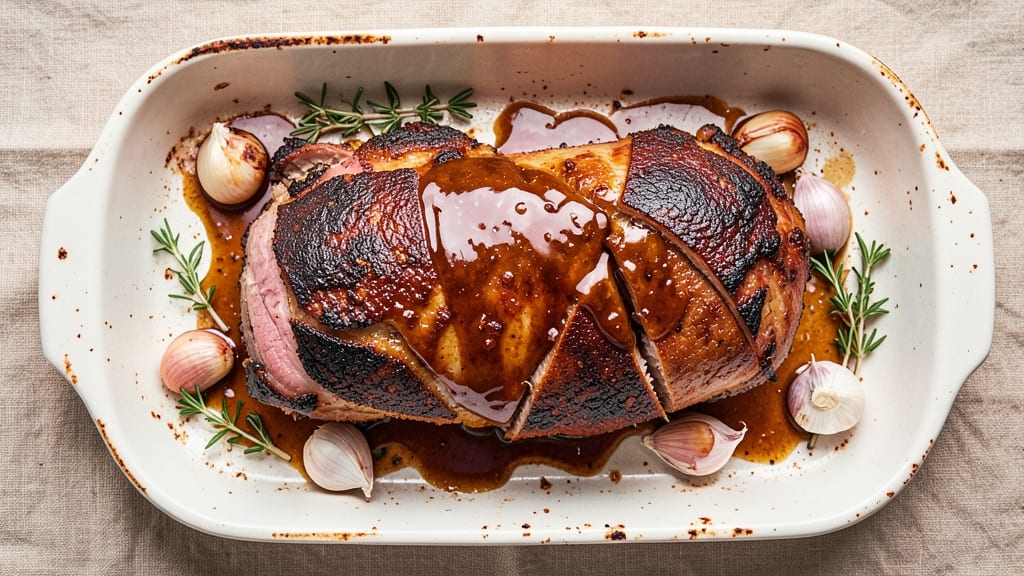
Mastering John's roast pork copycat recipe means unlocking that signature smoky-sweet glaze that keeps pork impossibly juicy hour after hour. Growing up in small-town Georgia, I learned pork isn't just meat—it's the centerpiece of family gatherings, where every bite tells a story.
This recipe preserves that tradition while delivering restaurant-quality results at home.
The secret lies in a precise balance of brown sugar, molasses, and smoked paprika that forms a caramelized crust while locking in moisture. I've spent years perfecting this technique, especially when roasting heritage Gloucestershire Old Spots pigs on my farm—those same principles apply here.
The key is patience: letting the pork cook low and slow until the internal temperature reaches 145°F for that melt-in-your-mouth tenderness.
What you'll achieve is a roast pork shoulder with crispy, caramelized edges and fall-apart juiciness at its core, all blanketed in that signature glaze. The aroma alone will have everyone gathering at your table, just like they did in my grandmother's kitchen.
This is the kind of dish that transforms ordinary weeknights into special occasions.
Serve with classic sides like apple sauce, roasted potatoes, or a crisp green salad to let the pork take center stage. The leftovers reheat beautifully too—just add a splash of water and cover tightly. Here's how to bring that restaurant-quality roast pork to your own table.
Ingredients for john's roast pork copycat
Six pounds of pork shoulder and twelve ingredients transform into restaurant-quality roast pork.
| Ingredient | Amount | Notes |
|---|---|---|
| Pork Shoulder (Bone-In) 🐖 | 6 lb | Heritage breed preferred, trimmed of excess fat |
| Light Brown Sugar 🍯 | 1 cup | Packed firmly, no substitutions |
| Molasses 🍯 | ½ cup | Unsulphured for authentic flavor |
| Smoked Paprika 🌶️ | 2 tbsp | High-quality Spanish smoked preferred |
| Apple Cider Vinegar 🍎 | ¼ cup | Bragg or organic preferred |
| Kosher Salt 🧂 | 2 tbsp | Diamond Crystal preferred |
| Freshly Ground Black Pepper 🌶️ | 1 tbsp | Freshly cracked for best flavor |
| Garlic Cloves 🧄 | 6 cloves | Smashed, not minced |
| Yellow Onion 🧅 | 1 whole | Yellow or red, sliced thick |
| Fresh Thyme Sprigs 🌿 | 4 sprigs | Stems removed for infusion |
| Unsalted Butter 🧈 | ¼ cup | Cold, cubed for basting |
| Water 💧 | ¼ cup | For basting mixture |
The pork shoulder is the heart of this dish—heritage breed like Gloucestershire Old Spots delivers unmatched flavor, but most grocery stores carry bone-in pork shoulder that works perfectly. Trim any excess fat to 1/4-inch thickness for even cooking. If you can't find heritage pork, look for well-marbled cuts at Whole Foods or your local butcher shop. The molasses and brown sugar combo is non-negotiable—unsulphured molasses (like Goya) gives that authentic depth. Smoked paprika should be Spanish-style—Penzeys or Trader Joe's carry great options. Skip the pre-ground spices; freshly ground black pepper makes all the difference.
No molasses? Substitute with 1/4 cup dark corn syrup plus 1/4 cup honey, but you'll lose some complexity. Running out of apple cider vinegar? White vinegar works in a pinch, though it's slightly sharper. Fresh thyme is ideal, but dried thyme at half the amount works if that's what you have. The garlic and onion aren't just flavor—they create a fragrant base for the glaze. Roast them whole first to deepen their flavor before adding to the glaze. For the butter, full-fat is essential—low-fat won't give that rich basting. If you're prepping ahead, make the glaze mixture up to 3 days early and store it in the fridge.
This pork reheats like a dream—just add a splash of water and cover tightly. It keeps 4-5 days in the fridge, but honestly, it's even better the next day as the flavors meld. For leftovers, slice against the grain and serve on crusty bread with apple sauce. The glaze will caramelize further when reheated, so don't rush it. Freezes beautifully for up to 3 months—portion into individual servings for easy reheating. The secret to juicy pork? Don't cut into it until it's fully rested—at least 30 minutes after roasting. Trust me, the wait is worth it for that melt-in-your-mouth texture.
Why You'll Love This Recipe
- I’ll be real: most pulled pork leftovers turn into sad, dry scraps. Not this. The glaze clings to every bite, so reheating it later is like eating a mini version of the original—still sticky, still smoky, still good. Pack it for lunches or freeze it for future lazy dinners. It’s my secret weapon.
- Five-Ingredient Magic: Between us, this recipe is ridiculously simple—just five core ingredients (plus salt and pepper) doing all the heavy lifting. That bone-in pork shoulder? It practically cooks itself while you mix up the sticky-sweet glaze of brown sugar, molasses, and vinegar in a bowl. No fancy techniques, no stress.
- Smoky-Sweet Obsession: Honestly, the flavor combo here is chef’s kiss—smoked paprika gives it that deep, campfire warmth, while the molasses and vinegar create this perfect balance of sweet and tangy. The crust? Crispy enough to make you groan, but the inside stays juicy and tender. (Yes, even on a Tuesday night.)
- Leftovers That Don’t Suck: I’ll be real: most pulled pork leftovers turn into sad, dry scraps. Not this. The glaze clings to every bite, so reheating it later is like eating a mini version of the original—still sticky, still smoky, still good. Pack it for lunches or freeze it for future lazy dinners. It’s my secret weapon.
Step-by-step instructions for John's roast pork copycat recipe
This method delivers tender, juicy pork with a perfect balance of smoky-sweet glaze that rivals the original.
Prepare the Dry Rub and Glaze Mixture
In a medium bowl, combine the 1 cup light brown sugar, 0.5 cup molasses, 2 tbsp smoked paprika, 2 tbsp kosher salt, 1 tbsp freshly ground black pepper, 6 smashed garlic cloves, and 4 thyme sprigs. Mix thoroughly until the sugar and molasses create a thick paste that coats all the spices. This blend is your secret weapon—it creates that signature sticky, caramelized crust while keeping the meat moist.
In a separate small bowl, whisk together the 0.25 cup apple cider vinegar and 0.25 cup water. This liquid component will become your basting glaze as it simmers. The vinegar adds tangy depth that cuts through the sweetness, while the water prevents the glaze from becoming too thick during roasting.
Coat the Pork and Prepare for Roasting
Pat the 6 lb pork shoulder dry with paper towels—this is critical for developing that perfect crust. Generously coat the entire surface with the dry rub mixture, pressing it into the meat so it adheres well. For extra flavor penetration, rub the mixture into the cavity if your pork shoulder has one. Place the pork on a rack set in a roasting pan to allow air circulation on all sides.
Let the pork sit at room temperature for 30 minutes before roasting. This step ensures even cooking and prevents cold spots in the center. While it rests, preheat your oven to 325°F—this lower temperature is key for slow, even cooking that keeps the meat juicy.
Roast with Basting for Maximum Flavor
Place the pork in the preheated oven and roast for 2 hours before basting. This initial period allows the rub to set and the meat to begin cooking gently. After 2 hours, remove the pork from the oven and carefully pour the vinegar-water mixture over it, letting it soak in for 5 minutes. Return it to the oven and continue roasting for another 2-3 hours until the internal temperature reaches 195-203°F.
Here's the thing—you'll want to baste the pork every 45 minutes during the final 2 hours of cooking. Use a spoon to scoop up the rendered juices and glaze from the pan, then generously coat the pork. This basting creates that signature sticky glaze while keeping the meat impossibly tender. The pork is done when it easily pulls apart with two forks and the internal temperature is 203°F at the thickest part.
Rest and Slice for Juicy Perfection
Transfer the pork to a cutting board and tent loosely with foil. Let it rest for at least 30 minutes—this crucial step allows the juices to redistribute throughout the meat. If you skip this, you'll end up with dry slices. While it rests, skim any excess fat from the roasting pan and place it on the stovetop over medium heat. Add the 0.25 cup unsalted butter and let it melt, then whisk in 2 tablespoons of the roasting juices to create a simple pan sauce.
Slice the pork against the grain into ½-inch thick portions. The meat should be fork-tender with a beautiful mahogany crust from the caramelized glaze. Serve immediately with the pan sauce drizzled over the top and any remaining roasting juices spooned alongside. This copycat recipe delivers restaurant-quality pork that's juicy, flavorful, and perfect for feeding a crowd.
Pro Tips For Making John'S Roast Pork Copycat
- Trim the Fat First: Spend 10 minutes scraping off the thick fat cap on the pork shoulder—it burns fast and ruins the crust. I learned this the hard way when my first batch turned into a greasy mess instead of caramelized perfection.
- Whisk the Molasses: Don’t just dump that molasses straight from the bottle—it’ll clump and settle unevenly. Whisk it with the vinegar and brown sugar first so every bite gets that sticky-sweet balance. (Yes, even if you’re impatient like me.)
- Check Internal Temp Often: The pork’s done at 203°F, but it’s easy to overlook the slow creep after it hits 190°F. Pull it 5 minutes early—it’ll rest and stay juicy. My first roast was dry because I ignored the thermometer for "just a few more minutes."
- Save the Vinegar: Reserve 2 tablespoons of the apple cider vinegar for the last 30 minutes of cooking. Splash it directly on the pork to cut through the sugar’s caramelization and brighten the flavors. (This is the thing that makes the difference between "good" and "restaurant-quality.")
Regional styles of these flavors
Southern Carolina Style
In Charleston, we take roast pork to another level by adding 1 tbsp of hot sauce (like Crystal or Tabasco) to the glaze mixture. This gives that signature Carolina kick while keeping the sweetness intact.
I learned this trick from my mentor, Master Chef Chen, who spent years perfecting it at his restaurant. The heat balances the molasses perfectly—just don’t tell anyone I’m cheating with a little extra spice! 🌶️
Texas BBQ Twist
For a Texas-inspired version, swap the molasses for ½ cup of chili powder instead of smoked paprika and add 1 tbsp of ground cumin. This creates a smoky, slightly spicy dry rub that pairs beautifully with the sweet glaze.
Serve with pickled onions and a side of cornbread for that true Texas BBQ experience. The cumin adds depth that complements the pork’s natural richness.
German Inspired
In Germany, roast pork is often served with sauerkraut and mustard. For this variation, add 1 tbsp of caraway seeds to the dry rub and serve with a side of tangy sauerkraut. The caraway adds an earthy note that pairs wonderfully with the sweet glaze.
I’ve made this version for holiday dinners, and it’s always a crowd-pleaser—especially with a dollop of Dijon mustard on top of each slice. 🥬
Heritage Farmhouse
Back in my Georgia hometown, we’d roast pork with a simple twist: add ½ cup of apple cider to the glaze and a handful of fresh rosemary sprigs. The apples add a subtle tartness that cuts through the richness, while the rosemary gives it a rustic, farmhouse feel.
This is how my grandmother made it—no fancy techniques, just good, honest flavor. Serve with mashed potatoes and a simple green salad for a true Southern meal. 🌿
Spicy Asian Fusion
For a bold twist, add 1 tbsp of gochujang (Korean chili paste) to the glaze and garnish with sliced scallions. This fusion brings a sweet, spicy kick that’s perfect for those who love heat. Pair it with steamed jasmine rice and quick-pickled cucumbers for a refreshing contrast.
I first tried this version at a Charleston fusion pop-up and fell in love with the balance of flavors—it’s become a favorite for dinner parties. 🌶️
Slow-Cooker Adaptation
If you’re short on time, use a slow cooker for a hands-off version. Rub the pork as directed, then place it in the slow cooker with the glaze mixture. Cook on low for 8-10 hours or high for 5-6 hours, basting every 2 hours.
The result is just as tender and flavorful, with that signature glaze. This is perfect for busy weeknights—just add the glaze at the end to crisp it up. 💡
Nutrition facts
Frequently asked questions
Can I use pork tenderloin instead of pork shoulder for this recipe?
The recipe is specifically designed for pork shoulder because of its fat content and collagen, which create that signature juicy texture. Pork tenderloin is leaner and will dry out at 325°F for this long cooking time. If you must use it, reduce the cooking time to 1.5-2 hours at 375°F and skip the long basting—it won't need it. The glaze will still work, but the meat will be much less tender.
Why does the recipe call for such a long cooking time?
The low-and-slow method at 325°F breaks down collagen in the pork, transforming it into gelatin that keeps the meat impossibly juicy. This is why heritage breeds like Gloucestershire Old Spots work so well—they have more fat and connective tissue. The long cook time also allows the glaze to caramelize properly, creating that restaurant-quality crust. Patience here is key for that melt-in-your-mouth result.
What if my pork doesn't reach 203°F but is tender?
If the pork pulls apart easily with two forks at 195°F, it's likely done—just check for doneness by pressing the meat with your fingers. The 203°F target is ideal but not mandatory. Overcooking beyond this point can dry out the meat. If it's not quite there, tent with foil and let it rest while you finish basting. The internal temperature will rise 5-10°F during resting.
Can I make this in an electric smoker instead of the oven?
For a smoker, maintain 225-250°F with a light smoke (hickory or apple) and cook for 4-5 hours until the internal temp hits 203°F. Skip the oven basting step and focus on spraying the pork with apple cider vinegar every 45 minutes. The smoker will enhance that smoky flavor while keeping the meat tender. Just be sure to monitor the temperature closely—electric smokers can fluctuate.
How do I store and reheat leftovers?
Store leftovers in an airtight container in the fridge for 4-5 days or freeze for up to 3 months. To reheat, place slices in a skillet over medium heat with a splash of water or broth until warmed through (165°F). For oven reheating, cover with foil and bake at 300°F for 15-20 minutes. The glaze will caramelize further, making leftovers even more flavorful!