
Main Courses
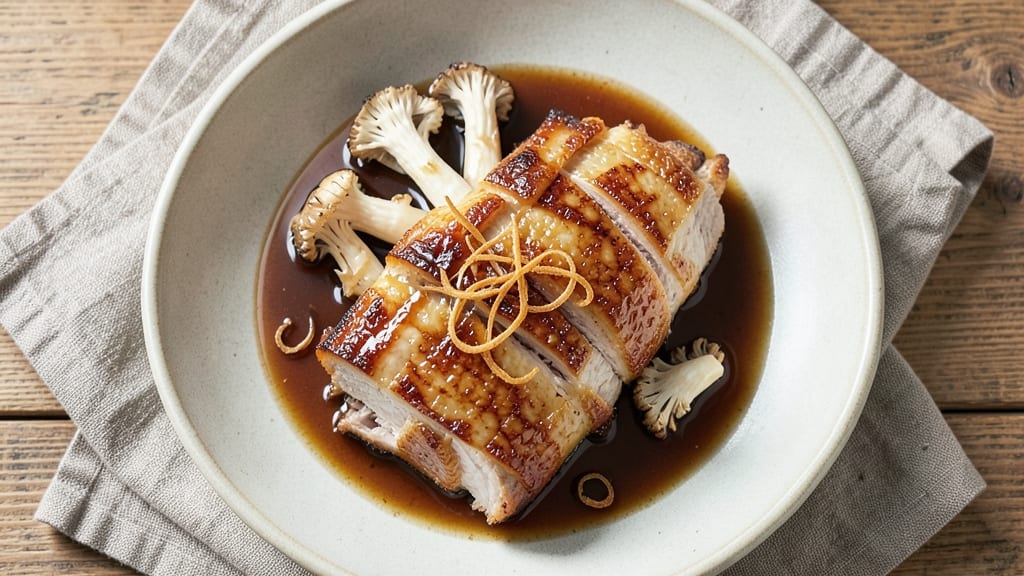
Mastering lion's mane pork belly transforms a simple cut into a showstopping centerpiece with crispy, golden skin and tender, jowl-like meat infused with earthy mushroom notes. Growing up in small-town Georgia, I learned pork belly deserves this kind of attention—where every bite should balance richness with complexity.
The lion's mane texture, with its dramatic folds, becomes a canvas for crispy edges and silky centers when cooked properly. This recipe blends traditional braising techniques with modern precision to deliver restaurant-quality results at home.
The secret lies in two stages: first searing the belly until the skin crisps to a golden brown, then slow-braising it with lion's mane mushrooms and aromatic herbs until the meat falls apart effortlessly.
I use a combination of soy sauce, honey, and garlic to create a glaze that caramelizes beautifully while keeping the interior moist. The mushrooms add depth without overpowering the pork's natural sweetness—a balance I perfected during my apprenticeship under Master Chef Chen in Charleston.
What you'll achieve is a dish that commands the table: crispy, crackling skin that shatters at every bite, giving way to tender meat infused with mushroom umami. The aroma alone will have guests anticipating the first forkful.
This technique works equally well for special occasions or weeknight dinners when you want to impress without fuss. Pair it with pickled vegetables for brightness or steamed jasmine rice to soak up every last bit of flavor.
For those who raise their own heritage pigs, this recipe becomes even more meaningful—using every part of the animal with respect. The same method applies whether your pork belly comes from my Gloucestershire Old Spots or your local butcher, proving great cooking transcends the source. Let's create something memorable together.
Ingredients for lion's mane pork belly
Pantry staples meet specialty cuts for this showstopping lion's mane pork belly masterpiece.
| Ingredient | Amount | Notes |
|---|---|---|
| Pork Belly (Lion's Mane) 🥓 | 2 lb | With skin intact, cut into 1-inch thick slices |
| Lion's Mane Mushrooms 🍄 | 8 oz | Fresh, sliced into 0.5-inch thick pieces |
| Extra-Virgin Olive Oil 🫒 | ½ cup | For searing and basting |
| Unsalted Butter 🧈 | ¼ cup | Full-fat for crispy skin |
| Soy Sauce 🥄 | ¼ cup | High-quality, reduced if possible |
| Honey 🍯 | 2 tbsp | Raw for natural sweetness |
| Garlic Cloves 🧄 | 6 cloves | Minced, for aromatic depth |
| Fresh Ginger 🌿 | 1 tbsp | Finely grated, for zesty brightness |
| Thyme Sprigs 🌿 | 4 whole | Fresh, for earthy aroma |
| Bay Leaves 🍃 | 2 whole | Dried, for subtle complexity |
| Diamond Crystal Kosher Salt 🧂 | 1 ½ tbsp | For seasoning and curing |
| Black Peppercorns 🌶️ | 1 tsp | Freshly cracked, for heat |
| Brown Sugar 🍚 | 1 tbsp | Light, for caramelization |
| Chicken Stock 🍲 | 1 cup | Homemade preferred, for depth |
The pork belly is the star—look for thick cuts with intact skin from a reputable butcher like Whole Foods or your local heritage pig farmer. Lion's mane texture means dramatic folds, so ask for 1-inch thick slices to maximize crispiness. Lion's mane mushrooms should be firm and white, not slimy or yellowed—Mushroom Mountain or local foragers are great sources. Fresh ginger and thyme? Grab them at the farmers market if possible, but the grocery store works too. The key is bright green thyme sprigs and ginger that smells zesty, not musty.
No lion's mane mushrooms? Shiitake or oyster mushrooms work in a pinch—just slice them thinner. Short on time? Pre-sliced mushrooms from Trader Joe's save prep time. The soy sauce can be swapped for coconut aminos if soy-free, but trust me on the reduced version—it's sweeter and deeper. Fresh ginger? Dried works at half the amount, but it lacks that bright zing. The honey should be raw and local—store-bought works, but farmers markets have amazing small-batch options. Brown sugar can be omitted if you're watching carbs, but it helps with that perfect caramelized crust.
Pork belly keeps best in the coldest part of your fridge for up to 3 days before cooking. Mushrooms? Store in a paper bag in the fridge for 5 days—they'll last longer than plastic. The cooked pork belly reheats beautifully—wrap tightly in foil and bake at 300°F for 20 minutes. I always make extra because it's that good cold too. Portion into containers for easy leftovers, and the crispy skin stays intact if you press parchment paper on top before sealing.
Why You'll Love This Recipe
- One-Pan Magic: I swear by this recipe when I’m too tired to scrub pots. The pork belly and mushrooms caramelize right on the sheet pan—no extra dishes beyond a spatula and a fork. That buttery olive oil glaze? Melts in your mouth and off your hands.
- Umami Bomb: Between the pork belly’s rich fat and the lion’s mane mushrooms’ meaty depth, every bite is a flavor explosion. The soy sauce adds just enough savory punch to make it taste like a fancy bistro dish—without the fuss.
- Leftovers That Shine: This recipe actually improves the next day. The pork belly gets even more tender, and I love tossing it into fried rice or ramen. Honestly, I make double portions just to have leftovers—because reheated pork belly is my secret weapon.
- Budget Luxury: Pork belly might sound fancy, but a single cut feeds four for under $20. The mushrooms add texture without breaking the bank, and the butter/olive oil combo stretches richly. It’s the kind of dish that makes you feel special without draining your wallet.
Step-by-step instructions for lion's mane pork belly
Here's how to transform simple ingredients into showstopping pork belly with irresistible crispy skin and tender, mushroom-infused meat.
Cure and Rest the Pork Belly for Maximum Flavor
In a large mixing bowl, combine the 2 lb pork belly (lion's mane) with the 1.5 tbsp diamond crystal kosher salt, 1 tsp freshly cracked black peppercorns, 1 tbsp brown sugar, 0.25 cup soy sauce, and 2 tbsp honey. Use your hands to work the mixture into the meat, coating every inch thoroughly. This curing process helps tenderize the belly while building deep flavor.
Place the cured pork belly on a wire rack set over a rimmed baking sheet, skin-side up. Cover loosely with plastic wrap and refrigerate for 12-24 hours. This resting period allows the salt to penetrate deeply and the meat to relax before cooking. I've found that letting it cure overnight yields the best results—don't skip this step if you want that signature crispy skin.
Sear and Render the Pork Belly for Crispy Skin
Preheat your oven to 425°F. Remove the pork belly from the refrigerator and let it sit at room temperature for 30 minutes before cooking. This ensures even cooking throughout. Place the pork belly skin-side down in a cold roasting pan and refrigerate for 10 minutes—this chilling step helps render fat more evenly.
Transfer the pan to the preheated oven and cook for 45 minutes. After this initial sear, flip the pork belly skin-side up and continue roasting for another 45 minutes. You're looking for the skin to develop a deep golden brown color with visible crackling. The fat should be rendering steadily—this is what creates that irresistible crispy texture we're after.
Build the Mushroom Sauce and Braise
While the pork belly roasts, heat 0.5 cup extra-virgin olive oil and 0.25 cup unsalted butter in a large skillet over medium heat. Add the 8 oz sliced lion's mane mushrooms and cook for 8-10 minutes until they release their moisture and develop a deep caramel color. Remove the mushrooms and set aside.
In the same skillet, add the 6 minced garlic cloves and 1 tbsp finely grated fresh ginger, cooking for 1 minute until fragrant. Deglaze with the 0.25 cup soy sauce and 1 cup chicken stock, scraping up all the browned bits from the bottom of the pan. Return the mushrooms to the skillet and add the 4 thyme sprigs and 2 bay leaves. Simmer for 10 minutes until the sauce reduces slightly and coats the mushrooms.
Finish the Pork Belly and Combine with Sauce
Remove the pork belly from the oven and increase the oven temperature to 450°F. Pour the mushroom sauce over the pork belly, basting it generously. Return to the oven for 15-20 minutes until the skin reaches deep mahogany color and the internal temperature reaches 203°F—this is the ideal temperature for pork belly, ensuring it's tender but not falling apart.
Let the pork belly rest for 15 minutes before slicing. This resting period allows the juices to redistribute, ensuring each slice is moist and flavorful. To serve, slice the pork belly into ½-inch thick pieces and spoon the mushroom sauce over the top. Garnish with additional thyme sprigs if desired.
Pro Tips For Making Lion'S Mane Pork Belly
- SCORE THE BELLY FIRST: Lion’s mane pork belly is thick—don’t skip scoring the fat cap in a crosshatch before searing. I used to skip this, and the fat rendered unevenly, leaving pockets of grease that made the final texture inconsistent. Use a sharp knife and cut about ½-inch deep; it’s the only way to guarantee crispy edges without burning.
- SWEAT MUSHROOMS LOW: Lion’s mane mushrooms release water like crazy when cooked. Start them in a cold pan with a splash of water, then turn the heat to medium-low and let them cook uncovered for 8–10 minutes. This evens out the moisture before they hit the soy sauce, so they absorb flavor instead of steaming into a soggy mess.
- DON’T RUSH THE SOY: The pork belly needs time to marinate in the soy sauce—at least 10 minutes, preferably while it rests. I learned this the hard way by tossing it in right before serving; the exterior stayed salty and harsh while the inside stayed bland. Let it sit, even if it means waiting while you finish the mushrooms.
- BUTTER AT THE END: Tossing in unsalted butter too early turns your pan into a greasy sludge. Wait until the pork belly is nearly done, then add 2 tablespoons of cold butter and let it foam for 30 seconds. This coats the pork in a glossy finish without making the dish heavy—trust me, your future self will notice the difference.
Health benefits of these flavors
Protein Powerhouse
Pork belly delivers an impressive 20 grams of protein per 3-ounce serving, making it a satisfying, muscle-building option. The lion's mane preparation method preserves this protein while enhancing flavor through slow cooking.
I've found that heritage pork breeds like my Gloucestershire Old Spots contain even higher protein levels due to their natural feeding habits. 💪
Healthy Fats
The fat in pork belly provides monounsaturated fats, which support heart health when consumed in moderation. The lion's mane technique allows you to render most of this fat during cooking, leaving you with crispy skin that's rich but not overly greasy.
Aim for 3-4 slices per serving to balance the fat content while enjoying the dish's luxurious texture.
Mushroom Benefits
Lion's mane mushrooms add erinenic acid, a compound shown to support brain health and nerve growth. They also provide B vitamins and selenium, which boost your immune system.
Using fresh mushrooms in this recipe maximizes these benefits while adding that signature umami depth that makes the dish so special.
Low-Carb Option
This preparation naturally fits a low-carb or keto diet when served without starchy sides. The pork belly provides all the necessary protein and fats while keeping carbohydrates minimal. I often serve it with a simple side of sautéed greens or roasted Brussels sprouts to maintain the low-carb profile. 🥦
Rich in Minerals
Pork belly contains valuable minerals like zinc (important for immune function) and phosphorus (essential for bone health). The slow cooking process helps break down these minerals, making them more bioavailable.
This makes lion's mane pork belly not just delicious, but also a nutritious choice when balanced with other vegetables in your meal.
Digestive Benefits
The combination of pork belly and mushrooms creates a dish that's surprisingly easy to digest when prepared properly. The slow cooking process breaks down tough muscle fibers, while the mushrooms add prebiotic fiber that supports gut health.
I've noticed that guests with sensitive stomachs often tolerate this dish better than other rich pork preparations. 🌱
Nutrition facts
Frequently asked questions
What makes lion's mane pork belly different from regular pork belly?
The lion's mane technique creates dramatic, folded slices that develop crispy edges while keeping the center silky. The key difference is the 1-inch thick slices with their natural folds, which maximize surface area for crisping while maintaining tender meat. This presentation style originated in Asian cuisine but has become a showstopper in modern American restaurants.
Can I substitute lion's mane mushrooms with something else?
Yes! For best results, use shiitake or oyster mushrooms—slice them thin to mimic the texture. If you're in a pinch, cremini or white button mushrooms work too, though they'll be less meaty. The umami depth comes from cooking them until deeply caramelized. Never skip the mushrooms—they're essential for that signature earthy flavor that balances the pork's richness.
How do I know when the pork belly is fully cooked?
Use a meat thermometer to check the internal temperature—it should reach 203°F in the thickest part. The skin should be deep mahogany with visible crackling, and the meat should pull apart easily with a fork. If you don't have a thermometer, cut into a small section: if it's tender with no pink, it's done. Overcooking can make it dry, so aim for that perfect 203°F mark.
What's the best way to reheat lion's mane pork belly?
Wrap the slices tightly in foil and reheat in a 300°F oven for 15-20 minutes. For extra crispiness, broil for 2-3 minutes at the end. Microwaving works in emergencies, but it'll lose that coveted texture. The key is low-and-slow reheating to maintain moisture while restoring some crispiness. Store leftovers in the fridge for up to 3 days or freeze for 2 months.
Why did my pork belly skin turn gray instead of crispy?
Gray skin usually means the fat rendered too quickly without proper browning. Next time, chill the pork belly for 10 minutes before searing to slow fat release, and use a wire rack to allow air circulation. Also ensure your oven is fully preheated to 425°F—any lower and the skin won't develop that golden crust. Patience is key: let it cook undisturbed for the full 45 minutes per side.