
Main Courses
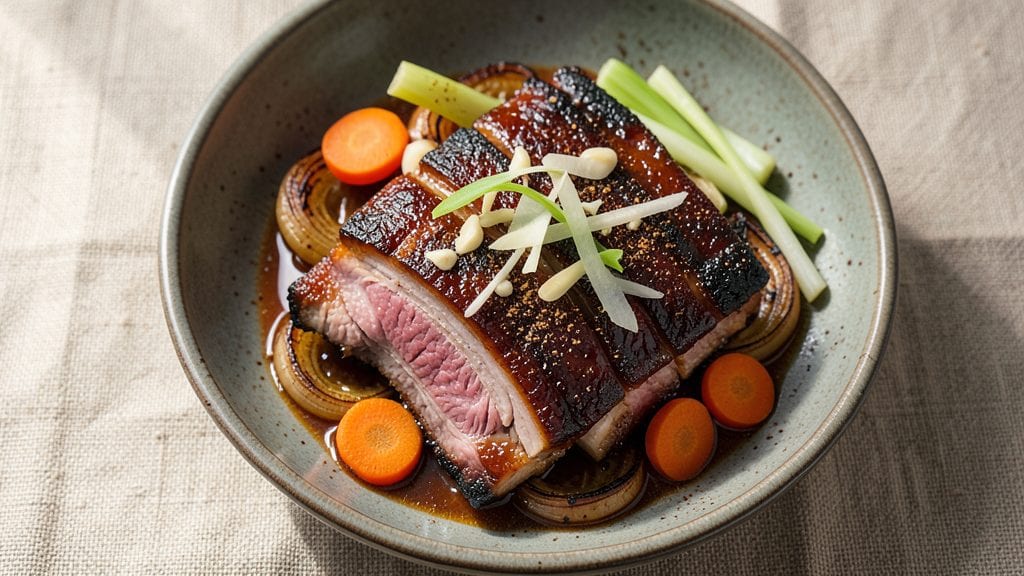
Mastering pork shoulder country-style ribs with Asian fusion flavors transforms a classic Southern dish into something extraordinary—where smoky, fall-off-the-bone tenderness meets the bright, umami-rich profile of Asian seasonings.
This recipe blends my Georgia roots with techniques I learned from Master Chef Chen, creating ribs that balance sweet, spicy, and savory notes in every bite.
The secret lies in a two-stage cooking process: first slow-braising the pork shoulder to render fat and tenderize the meat, then finishing with a sticky Asian-inspired glaze that caramelizes into a glossy, flavor-packed crust.
No fancy equipment is needed—just a Dutch oven, patience, and a few key ingredients like soy sauce, ginger, and five-spice powder to elevate the dish without overpowering the natural richness of the pork.
What you’ll end up with is ribs that are perfectly tender, with a crisp exterior that crackles when you cut through, and a glaze that’s sweet enough to satisfy but balanced by the deep, smoky flavors of the pork.
The aroma alone will have everyone gathering around the table—this is the kind of dish that turns a simple meal into a memorable experience.
Pair these ribs with steamed jasmine rice and quick-pickled cucumbers to let the flavors shine. The combination of textures and tastes makes this recipe ideal for both casual weeknight dinners and special gatherings. Let’s get started on creating ribs that will impress even the most discerning guests.
Ingredients for pork shoulder country style ribs asian
Four pounds of pork shoulder and a handful of Asian pantry staples—this fusion takes classic country ribs to next-level flavors.
| Ingredient | Amount | Notes |
|---|---|---|
| Bone-In Pork Shoulder 🥩 | 4 lb | Country-style cut with ribs attached |
| Yellow Onion 🧅 | 1 whole | Chopped into large chunks |
| Carrots | 4 medium | Whole, peeled, cut into 2-inch pieces |
| Celery Stalks 🥬 | 4 whole | Cut into 2-inch pieces |
| Garlic Cloves 🧄 | 6 cloves | Smashed, not minced |
| Fresh Ginger 🌿 | ½ inch | Thinly sliced, peeled |
| Five-Spice Powder 🌶️ | 2 tsp | High-quality blend |
| Ground Black Pepper 🌶️ | 1 tsp | Freshly cracked |
| Kosher Salt 🧂 | 1 ½ tsp | Diamond Crystal preferred |
| Dry White Wine 🍷 | ½ cup | Sauvignon Blanc or Pinot Grigio |
| Low-Sodium Soy Sauce 🍶 | ½ cup | Kikkoman preferred |
| Honey 🍯 | ½ cup | Wildflower or clover |
| Sesame Oil 🫒 | 1 tbsp | Toasted, not flavored |
| Rice Vinegar 🍶 | 2 tbsp | Seasoned preferred |
| Fresh Cilantro 🌿 | ¼ cup | Chopped, for garnish |
The pork shoulder is non-negotiable here. Look for bone-in, country-style cuts with visible fat marbling—this is what gives those fall-off-the-bone results. Costco or local butcher shops usually have the best quality at reasonable prices. If you can't find country-style ribs, regular pork shoulder with the bone in works too, just trim any excess fat. The aromatics—onion, carrots, celery—are classic for a reason: they build deep flavor during the braise. Whole spices like cinnamon and star anise in the five-spice powder add complexity that jarred blends can't match.
No five-spice powder? Mix 1 tsp each of cinnamon, fennel, clove, and star anise—it's worth the effort. Subbing soy sauce? Coconut aminos work in a pinch, but you'll lose some umami depth. The honey can be swapped for brown sugar (though it won't caramelize as beautifully), and sesame oil can be omitted if you're sensitive to its flavor. For the wine, dry vermouth or even apple cider vinegar will work if you're avoiding alcohol. Fresh ginger is ideal, but ground ginger at half the amount gets you close. The rice vinegar adds brightness—don't skip it unless you're using a strongly flavored vinegar like balsamic.
This braise keeps beautifully. Portion into airtight containers with some of the cooking liquid to maintain moisture—ribs reheat perfectly in the oven at 325°F for about 20 minutes. The glaze components (honey, soy, vinegar) can be pre-mixed and stored in the fridge for up to 1 week, but the fresh ginger and garlic should be added just before finishing. For leftovers, freeze in single portions—they make amazing sandwiches or ramen toppings later.
Why You'll Love This Recipe
- One-Pot Magic: I swear by this trick—just toss the pork shoulder, onions, carrots, and celery into a pot with broth, let it simmer, then shred or slice. No fancy equipment, no stress. The bones render their flavor right into the meat, so you’re basically making a self-basting masterpiece.
- Umami Bomb: That carrot-celery-onion combo isn’t just for looks—it’s a flavor bridge. The onions caramelize slightly, the celery adds a fresh crunch, and the garlic? It’s the secret weapon turning this into something dangerously good. The pork shoulder stays juicy while soaking up all that depth.
- Weeknight to Party: Between us, this recipe works for everything. Weeknight dinners? Check. Game day snacks? Done. Potlucks or family gatherings? It disappears fast. Serve it shredded in tacos, sliced over rice, or straight from the pot with a cold beer—no judgment here.
- Budget Hero: Pork shoulder is the ultimate value player—big portions, minimal cost. A single cut feeds four, and leftovers? They’re even better the next day. Honestly, I’ve made this for under $10 per serving, and my wallet and my family thank me for it. Plus, the bones? Free stock for next time.
Step-by-step instructions for pork shoulder country style ribs Asian recipe
Here's how to transform a tough pork shoulder into melt-in-your-mouth ribs with an irresistible Asian-inspired glaze.
Prep the Pork Shoulder for Maximum Flavor and Tenderness
Begin by trimming any excess fat from the 4 lb bone-in pork shoulder, leaving about ¼-inch fat cap for moisture during cooking. Pat the meat dry with paper towels—this ensures a better sear and helps the rub adhere. In a small bowl, combine 2 tsp five-spice powder, 1 tsp ground black pepper, and 1.5 tsp kosher salt. Rub this mixture all over the pork, pressing firmly into the meat and ribs. Let it sit at room temperature for 30 minutes while you prepare the aromatics.
This step is crucial—drying the meat and applying the rub creates a flavorful crust while the five-spice powder adds depth that pairs perfectly with the sweet-savory glaze. Don't skip the resting time; it allows the rub to penetrate and the meat to cook more evenly.
Build the Aromatic Base for Deep Flavor
In a large Dutch oven or heavy pot, combine the chopped 1 whole yellow onion, 4 medium carrots cut into 2-inch pieces, 4 whole celery stalks cut into 2-inch pieces, 6 smashed garlic cloves, and 0.5-inch sliced fresh ginger. Add 1 tbsp sesame oil and cook over medium heat for 8-10 minutes, stirring occasionally, until the vegetables soften and the garlic turns golden. This aromatic base forms the flavor foundation for your ribs.
You'll notice the onions and carrots release moisture as they cook—this is normal. The goal is to develop a deep, caramelized flavor without browning the vegetables too much. If the pan starts to dry out, add 2 tbsp rice vinegar to deglaze and scrape up any browned bits from the bottom.
Braise the Pork Shoulder Low and Slow
Place the seasoned pork shoulder fat-side up on top of the vegetables in the Dutch oven. Pour in 0.5 cup dry white wine, 0.5 cup low-sodium soy sauce, and 0.5 cup honey, then bring to a simmer. Cover tightly with a lid and reduce heat to low (275°F). Braise for 3-4 hours until the pork is fork-tender and pulls away from the bone easily. The internal temperature should reach 195-200°F—this is when collagen breaks down and transforms into gelatin, creating that signature fall-off-the-bone tenderness.
Resist the urge to peek or stir during cooking—each time you open the lid, you lose heat and moisture. Instead, check the pork's progress by inserting a fork into the thickest part. If it slides in easily and the meat feels tender, it's ready. The braising liquid should be reduced and slightly thickened by the end.
Finish with a Glossy Glaze and Rest
Once the pork is tender, carefully remove it from the pot and place it on a cutting board. Strain the braising liquid through a fine-mesh sieve into a saucepan, pressing on the vegetables to extract all the flavor. Return the liquid to the pan and simmer over medium heat for 5-7 minutes until it thickens slightly into a glossy glaze. Taste and adjust seasoning with additional kosher salt or rice vinegar if needed.
Slice the pork shoulder into individual ribs and arrange them on a serving platter. Drizzle the glaze evenly over the top, then garnish with 0.25 cup chopped fresh cilantro. Let the ribs rest for 10 minutes before serving—this allows the juices to redistribute, ensuring each bite is moist and flavorful.
Serve with Crispy Sides for the Ultimate Meal
These ribs are best served immediately with crispy sides like pan-fried rice or steamed jasmine rice to soak up the glaze. The contrast between the tender, sticky ribs and the crispy texture of the rice creates a perfect balance. Pair with a simple cucumber salad or quick-pickled vegetables to cut through the richness of the dish.
Leftovers? Store the ribs and glaze separately in the refrigerator for up to 3 days. Reheat the glaze separately and drizzle it over the ribs before serving to maintain that glossy, appetizing finish.
Pro Tips For Making Pork Shoulder Country Style Ribs Asian
- Trim the Fat First: Cut away the thickest layer of fat from the pork shoulder before cooking—it’s the part that turns greasy and soggy. I learned this the hard way when my first batch of ribs came out glistening but unappetizing. Leave just a thin layer; the meat stays tender, and the flavor concentrates where it matters.
- Sear in Batches: Don’t crowd the pan when searing the pork shoulder—it’ll steam instead of brown. Work in two batches if needed, and use a heavy skillet or Dutch oven. High heat. Seriously, crank it up until you hear that sizzle. That crust is non-negotiable for the final flavor.
- Char the Aromatics: Once the pork is out, leave the onions, carrots, and celery in the pot and cook them until deeply browned—almost burnt in spots. This isn’t just for color; it builds layers of flavor that’ll stick to the ribs later. Skip this, and your dish will taste like it’s missing something.
- Braise with Liquid: Don’t skimp on the braising liquid—use enough to come at least halfway up the pork shoulder. I used to eyeball it and end up with dry, tough meat. A good rule: Start with 2 cups of broth or water per pound of pork, then adjust as needed. The ribs will fall apart when done, but only if they’re bathed in liquid.
Wine and beer pairings for these flavors
Asian-Inspired Wine Pairings
For these sweet-savory ribs, I reach for dry Riesling from Germany or Pinot Noir from Oregon—both wines cut through the honeyed glaze while complementing the five-spice complexity. The acidity in Riesling mirrors the rice vinegar in the glaze, while Pinot Noir’s earthy notes enhance the pork’s depth.
I always keep a bottle of Dr. Loosen Blue Slate Riesling in my fridge for these ribs—it’s become my go-to. 🍷
Craft Beer Harmony
A light lager like Asahi Super Dry or a Japanese junmai pairs surprisingly well with the dish’s balance of sweet and umami. The crisp, clean finish cleanses the palate between bites, while the subtle malt sweetness enhances the honey glaze.
For something bolder, try a wheat beer like Blue Moon—its citrus notes play off the ginger and garlic in the braise. 🍺
Unexpected Spirit Elevation
If you’re serving these ribs at a gathering, consider a sake cocktail like a Sake Martini (equal parts sake and vodka with a splash of lime) to start. The umami in sake mirrors the soy and five-spice in the ribs, creating a cohesive tasting experience.
For a non-alcoholic option, yuzu soda from Japan adds a bright, citrusy contrast that’s refreshing. 🍸
Regional Adaptations
In Charleston, I’ve seen these ribs served with Moscow Mule cocktails—ginger beer’s spice echoes the fresh ginger in the glaze, while the lime cuts through the richness.
For a Southeast twist, swap the Riesling for a Georgia Chardonnay (like Chateau Elan)—its buttery notes stand up to the pork’s fat while keeping the dish’s balance. 🗺️
Glaze Variations for Pairing
If you adjust the glaze (say, adding gochujang for heat), lean into spicy margaritas or Szechuan-style beers like Snow City’s Szechuan Ale. The chili heat in both complements the ribs’ new depth.
For a sweeter glaze (more honey, less vinegar), moscato or sweet Riesling works beautifully—just be mindful of the sugar overload. 🌶️
Nutrition facts
Frequently asked questions
Why does this recipe use pork shoulder instead of traditional baby back ribs?
Pork shoulder delivers unmatched tenderness because its collagen-rich connective tissue breaks down during slow cooking, creating that signature fall-off-the-bone texture. Country-style cuts include the ribs attached, giving you both meat and bone in one economical package—perfect for Asian-inspired braising where the bone adds depth to the broth. Plus, the fat cap renders down beautifully, infusing flavor into every bite.
Can I make this recipe without a Dutch oven?
Use a heavy pot with a tight-fitting lid or even a slow cooker on low for 6-8 hours. For stovetop cooking, choose a pot with thick walls to maintain even heat. If using a slow cooker, add ½ cup extra liquid to prevent drying out. The key is keeping the temperature steady at 275°F—just monitor the internal temp with a meat thermometer.
How do I adjust the sweetness in the Asian glaze?
For less sweetness, reduce honey to ¼ cup and add 1 tbsp rice vinegar to balance. For more depth, swap honey for brown sugar (it caramelizes differently) or add 1 tsp grated ginger to enhance complexity. Always taste the glaze before applying—you can adjust with extra soy sauce for umami or vinegar for acidity.
What’s the best way to reheat leftover ribs?
Store ribs and glaze separately in airtight containers. Reheat the glaze in a saucepan over medium heat until warm, then brush it over ribs reheated in the oven at 325°F for 20 minutes (covered with foil). For extra crispiness, broil for 2-3 minutes at the end. Microwaving works in a pinch, but it dulls the glaze’s shine.
Can I substitute five-spice powder with other spices?
Yes! Mix 1 tsp each of cinnamon, fennel, clove, and star anise for a homemade blend. For a simpler approach, use 1 tsp each of ginger and garlic powder plus ½ tsp black pepper. Avoid heavy cardamom or nutmeg—these can overpower the dish’s balance. The key is to mimic five-spice’s warm, aromatic profile without adding bitterness.