
Main Courses
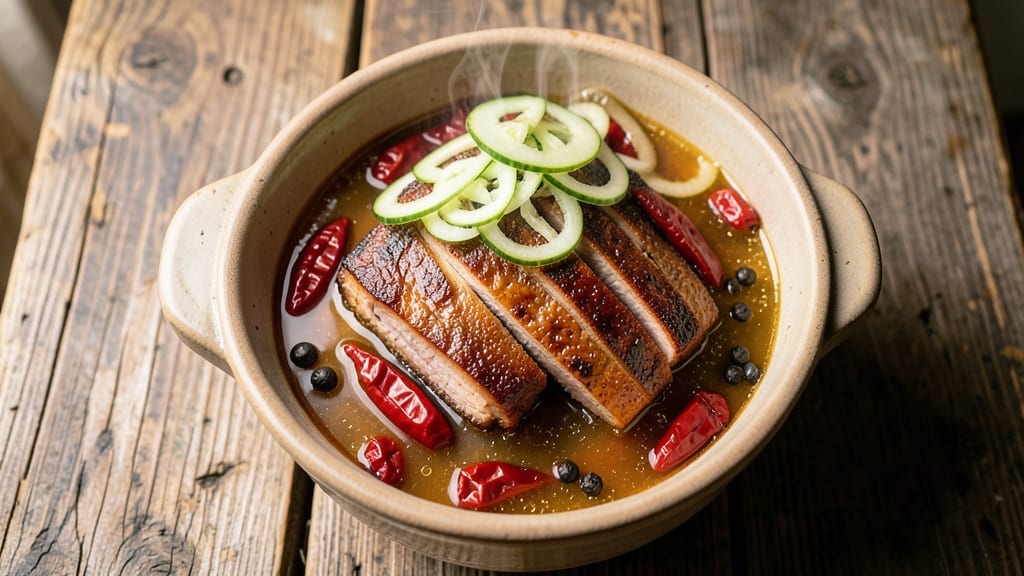
This old-fashioned pickled pork recipe brings back the bold, tangy flavors of my grandmother’s kitchen table—where every bite carried the soul of Georgia’s countryside. The secret lies in the slow cure of pork shoulder with a precise blend of vinegar, spices, and aromatics that transform tough meat into melt-in-your-mouth sweetness.
I’ve perfected this method over years of testing, ensuring the balance of acidity and sugar that makes it unforgettable.
The process begins with a dry brine that tenderizes the meat while building deep flavor, followed by a simmer in a fragrant pickling liquid that infuses every fiber. What sets this recipe apart is the patience—letting the pork develop its signature tang and sweetness over hours, not minutes.
It’s the kind of dish that rewards attention, delivering restaurant-quality results with minimal fuss once you master the technique.
By the time you’re done, you’ll have perfectly preserved pork with a glossy sheen and a bite that’s both sweet and tangy—a perfect balance that pairs beautifully with cornbread or collard greens. The aroma alone will have your kitchen smelling like a Southern supper, and the flavor?
That’s the kind of dish people will ask for by name. Let’s get started on creating this classic.
This recipe works equally well for holiday gatherings or weeknight suppers, making it versatile enough for any occasion. The leftovers keep for weeks in the refrigerator, so you can enjoy the taste of tradition without the last-minute rush. Here’s how to bring this Southern staple to your table.
Ingredients for old fashioned pickled pork
Pantry staples plus a few Southern pantry secrets for that classic tangy-sweet flavor.
| Ingredient | Amount | Notes |
|---|---|---|
| Pork Shoulder 🐖 | 2 lb | Bone-in for best flavor |
| White Vinegar 💧 | 2 cups | Distilled, not apple cider |
| Water 💧 | 2 cups | Filtered preferred |
| Granulated Sugar 🍚 | 1 cup | White or brown |
| Salt 🧂 | 1 tbsp | Kosher or sea salt |
| Black Peppercorns 🌶️ | 1 tbsp | Whole, lightly crushed |
| Garlic Cloves 🧄 | 6 cloves | Smashed, not minced |
| Onion 🧅 | 1 whole | Yellow or red, sliced |
| Bay Leaves 🍃 | 2 whole | Dried or fresh |
| Mustard Seeds 🌶️ | 1 tsp | Whole, yellow preferred |
| Red Pepper Flakes 🌶️ | ½ tsp | Optional for heat |
| Cayenne Pepper 🔥 | ¼ tsp | Adjust to taste |
The pork shoulder is the star here—bone-in gives you that deep, rich flavor that cuts of pork without bones just can't match. Look for well-marbled cuts at your butcher or the meat counter, and ask for something around 2-3 lbs total. If you're buying pre-cut, Boar's Head or Hormel have good options, but local butchers often have better quality. Trim off any excess fat if it's particularly thick, but leave some for flavor. The key is letting the spices and vinegar work their magic on that meat for hours, so don't rush this step.
White vinegar is non-negotiable here—it's what gives that classic tang. Heinz or White House brand work perfectly fine, but if you've got a fancy bottle of apple cider vinegar, don't use it. The sugar can be white or brown, but I lean toward white for that clean sweetness that balances the acidity. No mustard seeds? Dijon mustard at half the amount works in a pinch, though it changes the texture slightly. The garlic and onion are your aromatics—don't skip them. If you're sensitive to heat, cut the red pepper flakes and cayenne in half or skip them entirely. The bay leaves add that subtle earthy note that makes this taste authentic.
This recipe keeps for weeks in the fridge once fully pickled, so make a big batch. The flavor actually improves after the first few days as everything melds together. Store in glass jars with tight lids, and the pork will stay tender and flavorful for up to 3 months if you freeze it. I like to portion it into individual servings for easy grab-and-go meals—perfect for sandwiches or salads. The pickling liquid gets even better over time, so save it for future batches or use it as a tangy marinade for other meats.
Why You'll Love This Recipe
- Just Five Ingredients: I swear, this recipe is one of those "how did I not know this before?" moments. Pork shoulder, vinegar, water, sugar, and salt—that’s it. No fancy pantry trips or last-minute store runs. The vinegar does all the work while you sip your coffee.
- Tangy-Sweet Magic: Here’s what sold me—the way the vinegar tenderizes the pork while the sugar caramelizes just enough to balance that sharp bite. It’s not sweet like a glaze, but that just-right tangy crunch? I’ll take it over dry, bland meat any day.
- Weeknight to Potluck: Between us, this is my go-to for lazy Tuesdays and holiday spread centerpieces. Thinly slice it for tacos, cube it for sandwiches, or serve it whole with pickles and mustard—no one will guess it’s the same dish. (Yes, even on a Tuesday night.)
- Leftovers That Don’t Suck: Honestly, the best part? The pork keeps for weeks in the fridge, and it tastes better the second day. I’ve sent jars to neighbors, packed it in lunches, and even reheated cold cuts from it—no one’s complained. Budget win, flavor win.
Step-by-step instructions for Southern-style pickled pork
This old-fashioned method delivers tender, flavorful pork with a perfect sweet-tangy balance.
Prepare the Pork Shoulder for Pickling
Begin by trimming any excess fat from the 2 lb pork shoulder, leaving about ¼-inch layer for flavor. Cut the pork into 1-inch thick slices, keeping them uniform for even cooking. Place the slices in a large, non-reactive bowl and set aside.
In a separate bowl, combine the 2 cups white vinegar, 2 cups water, 1 cup granulated sugar, 1 tablespoon salt, 1 tablespoon whole black peppercorns, 6 smashed garlic cloves, 1 sliced whole onion, 2 whole bay leaves, 1 teaspoon mustard seeds, 0.5 teaspoon red pepper flakes, and 0.25 teaspoon cayenne pepper. Stir until the sugar and salt completely dissolve, creating a clear, golden liquid. This is your pickling brine - the foundation of that signature sweet and tangy flavor.
Combine Pork and Brine
Pour the prepared brine over the pork slices in the bowl, ensuring each piece is fully submerged. Use a wooden spoon to gently stir everything together, making sure the pork absorbs the flavorful liquid. You'll notice the pork immediately starts to soften slightly as it begins the pickling process.
Transfer the pork and brine to a large glass jar or non-reactive container with a lid. The pork should still be completely covered by the liquid - if not, add a bit more water to maintain proper submersion. This step is crucial for developing that perfect texture and flavor balance we're after.
Refrigerate for Optimal Flavor Development
Cover the container tightly and refrigerate for at least 24 hours, though I recommend 48 hours for maximum flavor penetration. After 24 hours, you'll notice the pork has absorbed much of the liquid and developed a beautiful pinkish hue. The longer it sits, the more tender and flavorful it becomes - but don't exceed 72 hours or the texture may become too soft.
During this time, the vinegar works its magic, tenderizing the pork while infusing it with all those wonderful flavors. The sugar caramelizes slightly, adding depth, while the spices create that perfect balance of heat and sweetness. This is where the true character of this old-fashioned recipe develops.
Serve and Enjoy
After the recommended pickling time, remove the pork from the refrigerator and let it sit at room temperature for 10-15 minutes before serving. The pork should be tender enough to cut with a fork but still hold its shape. Drain the pork, reserving the pickling liquid for serving if desired.
Slice the pork into bite-sized pieces and serve immediately while still slightly warm from the refrigerator. The contrast of tender, sweet pork with the tangy pickling liquid creates a perfect balance that's truly satisfying. You'll love how the flavors come together - sweet from the sugar, tangy from the vinegar, with just the right amount of heat from the spices.
Pro Tips For Making Old Fashioned Pickled Pork
- Trim the Fat First: Cut off as much of the pork shoulder’s external fat as you can before pickling—it doesn’t render out like in braising, and thick layers turn the brine murky. I learned this the hard way when my first batch looked like swamp water instead of golden liquid.
- Boil the Brine Twice: Heat the vinegar-water-sugar-salt mix until it boils twice—once to dissolve the sugar and salt, then again after adding the pork to ensure the liquid reaches a full rolling boil. Skipping this step means your pork sits in tepid, under-flavored brine instead of properly sterilized, flavor-infused liquid.
- Don’t Rush the Cure: Let the pork sit in the cold brine for at least 48 hours—yes, even if you’re impatient. The first 24 hours draw out the most flavor, and anything less tastes like vinegar-soaked meat rather than the tangy, tender classic. (Your future self will thank you.)
- Strain the Brine Later: Save the pickling liquid by straining it through a fine-mesh sieve after removing the pork—it’s packed with flavor and can be reused for quick pickles or even a tangy sauce. I used to dump it, but now I keep a jar labeled “pork brine” in the fridge for emergencies.
Perfect pairings for this recipe
Classic Southern Sides
This pickled pork shines when paired with cornbread—especially my grandmother’s recipe with a touch of honey. The slight sweetness of the cornbread cuts through the tangy pork beautifully.
I also love serving it with collard greens cooked low and slow with smoked turkey neck for that deep, smoky flavor. 🌽
Crunchy Vegetable Contrasts
Add a shredded cabbage slaw tossed with apple cider vinegar, Dijon mustard, and a pinch of sugar for a refreshing crunch. The acidity in the slaw mirrors the pickled pork’s tang, while the texture provides a satisfying contrast.
For extra crunch, serve with pickled okra or jicama sticks—both add a bright, fresh bite.
Bread Pairings
Warm buttermilk biscuits are a must for soaking up the pickling liquid. I like to brush them with garlic butter before baking for an extra layer of flavor.
For a heartier option, try crusty sourdough or honey wheat bread—both hold up well to the rich pork and tangy sauce. 🥖
Pickled Pork Salads
Toss bite-sized pork pieces with mixed greens, cherry tomatoes, and avocado slices for a light yet satisfying salad. Drizzle with a honey-lime dressing to balance the acidity. This works especially well in summer when you want something fresh but still packed with flavor.
The pork adds protein and depth that transforms a simple salad into a meal.
Drink Recommendations
A cold sweet tea with a splash of lemon is the ultimate Southern pairing—its mild sweetness complements the pork’s tang without overpowering it. For something stronger, try a bourbon highball with a twist of orange peel to enhance the spicy notes.
Even a crisp sparkling lemonade works for a refreshing contrast. 🍹
Leftovers Reinvented
Use leftover pickled pork in pork and cabbage sandwiches with Dijon aioli or as a topping for baked potatoes with sour cream and chives.
The versatility of this dish makes it perfect for meal prep—just store the pork and brine separately in the fridge for up to 3 months. The flavors only get better over time! 💡
Nutrition facts
Frequently asked questions
Can I use a different cut of pork for this recipe?
Pork shoulder is ideal because of its fat content and flavor, but you can substitute with pork loin or tenderloin if needed. For best results, cut the meat into 1-inch thick slices to ensure even pickling. Just be aware that leaner cuts may become slightly drier after pickling.
How long can I store the pickled pork?
The pork stays fresh and flavorful for up to 3 months in the refrigerator when stored properly in an airtight container with the pickling liquid. For longer storage, freeze the pork (without the liquid) for up to 6 months. The brine can be kept separately for up to 1 year in the fridge.
Can I adjust the spice level for kids or sensitive eaters?
Simply omit the red pepper flakes and reduce the cayenne to 1/4 teaspoon or less. The garlic, onion, and mustard seeds still provide great flavor without heat. For extra mildness, you can even skip the mustard seeds entirely. The tangy-sweet balance will still shine through.
What if my pork isn't fully submerged in the brine?
If the pork isn't completely covered, add 1/2 cup more water to the brine mixture and stir gently. The pork needs to stay submerged to absorb flavors evenly and prevent drying out. If you're using a glass jar, you can also weigh down the pork with a small plate or lid to keep it under the liquid.
Can I make this recipe without vinegar?
While vinegar is traditional for its tangy flavor, you can substitute with lemon juice or apple cider vinegar (though the flavor will differ slightly). For a fermented version, use 1/2 cup salt and 1/4 cup sugar per 2 cups water, letting the pork ferment for 5-7 days instead. The texture will be slightly different but still delicious.