
Main Courses
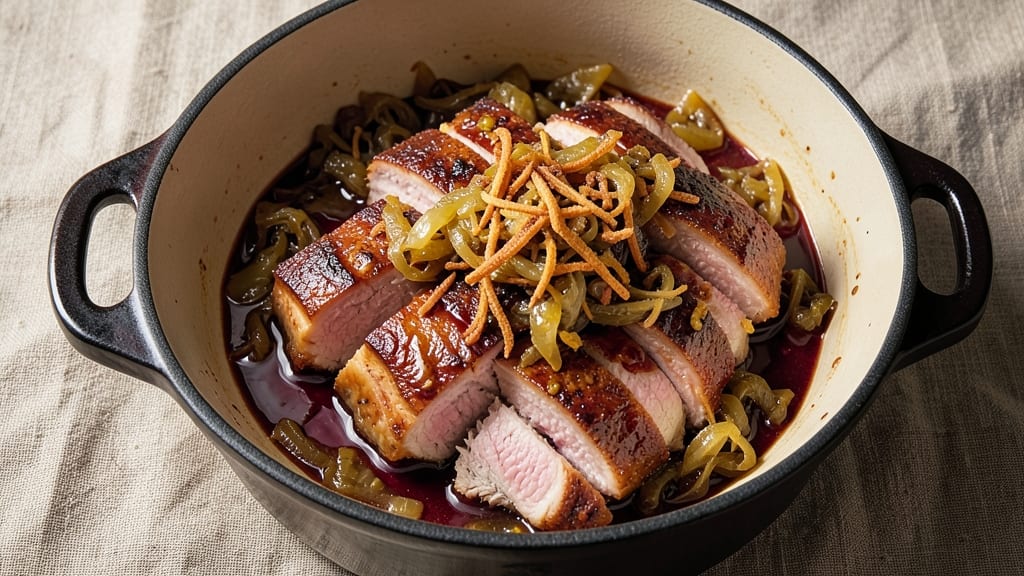
This Pa Dutch pork and sauerkraut recipe brings heartland comfort to your table with a perfect balance of tangy sauerkraut and rich, slow-braised pork—just like my grandmother used to make.
Growing up in small-town Georgia, I learned that this dish isn’t just food; it’s tradition, simmered in cast iron until the flavors meld into something unforgettable. The secret lies in marinating the pork overnight, then browning it deeply before braising with sauerkraut until tender and caramelized.
The beauty of this recipe is its foolproof technique—no fancy equipment needed, just a Dutch oven and patience. You’ll start with a simple marinade of mustard and spices, then sear the pork to lock in juices before adding the sauerkraut.
The tangy fermented cabbage softens as it braises, absorbing all the pork’s rich flavors, while the pork becomes so tender it falls apart at the touch of a fork.
This is the kind of dish that tastes even better the next day, making it perfect for meal prep or a Sunday supper.
What you’ll end up with is a restaurant-quality meal that’s rich, smoky, and deeply satisfying—every bite packed with that perfect harmony of sweet and tangy. The aroma alone will have your whole house smelling like a family gathering, and the texture?
Crispy edges on the pork, silky tender meat, and sauerkraut that’s just soft enough to cling to every forkful. This isn’t just dinner; it’s a taste of home, slow-cooked to perfection.
Serve it with crusty bread to soak up every last drop of that flavorful braising liquid, or pair it with mashed potatoes for a true comfort-food experience. The leftovers keep well for days, so you’ll have an easy lunch or dinner ready whenever you need it.
Let’s get cooking—this is the kind of recipe that deserves a place in your rotation.
Ingredients for pa dutch pork and sauerkraut
Six hearty ingredients transform into a Dutch oven masterpiece—rich pork and tangy sauerkraut that tastes like home.
| Ingredient | Amount | Notes |
|---|---|---|
| Pork Shoulder 🥩 | 3 lb | Bone-in for best flavor |
| Yellow Mustard 🍯 | ½ cup | For marinade |
| Brown Sugar 🍚 | ¼ cup | Packed, light variety |
| Apple Cider Vinegar 🍎 | ¼ cup | For tangy marinade |
| Sauerkraut 🥬 | 2 ½ cups | Drained, rinsed if too sour |
| Onion 🧅 | 1 whole | Yellow, sliced |
| Carrot 🥕 | 2 whole | Peeled, sliced |
| Garlic Cloves 🧄 | 4 cloves | Minced for marinade |
| Dijon Mustard 🍯 | 1 tbsp | For marinade depth |
| Black Peppercorns 🌶️ | 1 tsp | Freshly cracked |
| Bay Leaves 🍃 | 2 whole | For braising |
| Beef Broth 💧 | 1 ½ cups | Low-sodium preferred |
| Crusty Bread 🍞 | 1 loaf | For serving (optional) |
| Olive Oil 🫒 | 2 tbsp | For searing pork |
The pork shoulder is the star here—bone-in for maximum flavor, but boneless works too if you're short on time. Costco or butcher counters usually have the best deals on pork shoulder, and it's worth splurging on a good cut. Look for good marbling and ask for it cut into 1-inch chunks if you're not doing it yourself. The sauerkraut should be bright and slightly sour—none of that limp, sad stuff. Reinhart or Bubbier's brands are my go-to, but any quality sauerkraut will work. Freshly ground black peppercorns make all the difference, so don't skip cracking them yourself if you've got a pepper grinder.
No bone-in pork? Pork loin or tenderloin works in a pinch, but it'll be less flavorful. Short on yellow mustard? Dijon or whole-grain mustard adds a nice depth. The apple cider vinegar can be swapped for white vinegar or lemon juice, though it'll change the flavor profile slightly. If you can't find fresh bay leaves, dried works at one-fourth the amount. The beef broth is crucial—low-sodium so you can control the seasoning. And that crusty bread? Sourdough or a good baguette from the bakery section is perfect for soaking up all that delicious braising liquid.
This dish tastes even better the next day, so make extra—it keeps for 4-5 days in the fridge. For longer storage, freeze portions in airtight containers for up to 3 months. The pork gets more tender with time, so don't rush it. I always make a double batch—one for dinner, one for lunches all week. The braising liquid is pure gold, so save it for soups or gravies. And if you've got leftovers, reheat them gently in the oven with a splash of broth to keep everything moist.
Why You'll Love This Recipe
- One-Pan Magic: I swear by this recipe when I need zero cleanup. Toss the pork shoulder and sauerkraut on one sheet pan, slather it with that tangy mustard-brown sugar glaze, and let the oven do the work. No chopping, no fuss—just hands-off perfection.
- Sweet-Tangy Crave: That glaze—mustard, brown sugar, and apple cider vinegar—is the star. It caramelizes into a sticky, slightly spicy crust that cuts through the sauerkraut’s sour punch, leaving you with bites that balance rich, sweet, and funky all at once.
- Leftovers? Please.: This dish begs to be made extra. The pork stays tender for days, and the sauerkraut only gets better as it soaks up those leftover glaze bits. Pack it for lunches or reheat it for dinner—it’s the kind of meal that rewards laziness.
- Budget Feast: Pork shoulder stretches forever, and sauerkraut lasts months in the fridge. Brown sugar and vinegar are pantry staples, so this recipe costs next to nothing to make. Feed a crowd or stretch it into multiple meals without breaking the bank.
Step-by-step instructions for Pa Dutch pork and sauerkraut
This Dutch oven masterpiece delivers melt-in-your-mouth pork with a tangy-sweet glaze and perfectly tender sauerkraut.
Create the Perfect Marinade for Maximum Flavor
In a medium bowl, whisk together the 0.5 cup yellow mustard, 0.25 cup packed brown sugar, 0.25 cup apple cider vinegar, 1 tablespoon Dijon mustard, and 1 teaspoon freshly cracked black peppercorns until completely smooth. This marinade is the flavor foundation - the mustard adds tang, the vinegar brings acidity, and the brown sugar creates that signature caramelized depth.
Cut the 3 lb pork shoulder into 2-inch chunks and place them in a large resealable bag. Pour the marinade over the pork, seal the bag, and massage it gently to coat all surfaces. Let it marinate in the refrigerator for at least 4 hours (overnight is even better). The longer it marinates, the more flavorful and tender the pork will become.
Sear the Pork for Deep Flavor and Color
Heat a large Dutch oven over medium-high heat until hot. Add 2 tablespoons olive oil and swirl to coat the bottom evenly. Working in batches if needed, add the marinated pork chunks and sear for 3-4 minutes per side until they develop a deep golden-brown crust. This searing step is crucial - it locks in juices and creates that beautiful caramelized exterior that makes every bite irresistible.
As you sear, remove the pork pieces and set them aside on a plate. The residual fat in the Dutch oven will become the flavor base for your braising liquid, so don't wipe it out. This is where all the magic happens - those browned bits (fond) will dissolve into the sauce, adding layers of depth to your dish.
Build the Braising Liquid and Layer in Vegetables
Add the 1 whole sliced onion and 2 peeled, sliced carrots to the Dutch oven, cooking for 3-4 minutes until they begin to soften. Stir in the 4 minced garlic cloves and cook for 30 seconds until fragrant - this quick cooking prevents the garlic from burning while still releasing its aromatic oils.
Pour in the 1.5 cups beef broth and scrape up any browned bits from the bottom of the pot. Add the 2 whole bay leaves and bring the mixture to a gentle simmer. This aromatic base will infuse the pork with incredible depth of flavor as it braises.
Braise Until Fork-Tender with Perfect Sauerkraut
Return the seared pork to the Dutch oven and add the 2.5 cups drained sauerkraut, pressing it down gently into the liquid. The sauerkraut should be submerged at least halfway - this ensures it absorbs all the rich flavors while maintaining its signature tang. Cover the Dutch oven tightly with a lid and transfer it to a preheated 325°F oven.
Braise for 3 to 3.5 hours, turning the pork occasionally to ensure even cooking. The pork is done when it easily pulls apart with two forks and the internal temperature reaches 203°F. The sauerkraut should be tender but still hold its shape - you're looking for that perfect balance of texture that makes this dish so satisfying.
Finish and Serve with Crusty Bread
Once the pork is perfectly tender, remove it from the oven and transfer it to a serving platter. Tent loosely with foil and let it rest for 10 minutes - this crucial resting period allows the juices to redistribute, ensuring each bite is moist and flavorful. Skim any excess fat from the braising liquid if desired, but leave some for richness.
Serve the pork and sauerkraut hot, ladling the flavorful braising liquid over the top. The combination of tender pork, tangy sauerkraut, and sweet-savory glaze is pure comfort food perfection. Pair with the 1 loaf crusty bread to soak up every last drop of that delicious sauce. This dish tastes even better the next day as the flavors continue to meld together!
Pro Tips For Making Pa Dutch Pork And Sauerkraut
- CRISP THE SKIN FIRST: Pat the pork shoulder dry, then sear it skin-side down in a cold pan over medium heat—no oil needed. Let it sit undisturbed for 5-6 minutes until the skin turns golden and crispy. I used to rush this, and the pork always ended up greasy instead of caramelized. This step locks in flavor and makes the mustard glaze stick better later.
- DRAIN AND RINSE SAUERKRAUT: Dump the sauerkraut into a colander and rinse it under cold water until the liquid runs clear. This cuts the sharpness and removes excess brine, which can make your dish taste watery. Sounds tedious, but trust me—your taste buds will notice the difference, especially when mixed with the sweet mustard sauce.
- LOW AND SLOW AFTER SEARING: Once the pork is browned, transfer it to a pot with the mustard, brown sugar, and vinegar. Cover and simmer on low heat—around 275°F (135°C)—for 2.5 to 3 hours. I learned the hard way that high heat makes the pork dry out before it’s tender. A meat thermometer at 203°F (95°C) is your friend here.
- DEGLAZE WITH VINEGAR FIRST: After searing the pork, immediately pour in the apple cider vinegar while the pan is still hot. Let it bubble for 30 seconds to lift the browned bits before adding the mustard and sugar. This shortcut saves you from scrubbing a stuck-on mess later and gives the sauce a deeper, tangier base right away.
Serving suggestions for pa dutch pork and sauerkraut
Crusty Bread Pairings
Nothing beats serving this dish with a warm, crusty sourdough loaf or a baguette from your local bakery. I always reach for a freshly baked loaf from the bakery section—the crisp crust soaks up the tangy-sauerkraut and sweet pork juices perfectly.
For extra flair, toast the bread lightly before serving, or even better, brush it with garlic butter while it's still warm. 🍞
Classic Potato Sides
Creamy mashed potatoes or buttery scalloped potatoes elevate this dish to next-level comfort. My go-to is Yukon Gold potatoes mashed with sour cream and chives, but a simple roasted potato wedge with rosemary works too.
The starchiness of the potatoes balances the richness of the pork beautifully, and the leftovers make for an easy lunch the next day.
Fresh Greens Contrast
A simple arugula salad with a light apple cider vinaigrette cuts through the richness of the pork. Toss 4 cups arugula with 2 tbsp olive oil, 1 tbsp apple cider vinegar, and a pinch of salt and pepper.
The peppery bite refreshes your palate between forkfuls of sauerkraut and pork. For a heartier option, add thinly sliced apples or walnuts for crunch.
Pickled Vegetable Garnish
Brighten the plate with pickled red onions or quick-pickled cucumbers—just slice ½ red onion thin and soak in ½ cup apple cider vinegar with 1 tsp sugar for 15 minutes.
The acidity mirrors the sauerkraut's tang while adding a pop of color. I also love sprinkling fresh dill or parsley on top for a fresh finish. 🥬
Creamy Cheese Pairings
For a richer touch, serve with sharp cheddar or gouda on the side. The cheese melts beautifully into the braising liquid, creating a creamy sauce that ties everything together.
I like to cube 1 cup sharp cheddar, sprinkle it over the top of the dish in the last 10 minutes of braising, and let it melt into the juices. It adds a decadent, gooey element that makes this dish feel like a true celebration.
Beverage Pairings
A cold lager beer like Peroni or Leinenkugel's complements the dish's tangy-sweet profile beautifully. The crispness cuts through the richness, while the maltiness enhances the pork's depth. For a non-alcoholic option, sparkling apple cider adds a refreshing contrast.
I also love a bold red wine like Cabernet Sauvignon—its tannins stand up to the sauerkraut's acidity while complementing the pork's richness.
Nutrition facts
Frequently asked questions
Why does the recipe call for marinating the pork overnight?
Marinating pork overnight (or at least 4 hours) breaks down tough muscle fibers, making it fork-tender while infusing deep flavor. The mustard and vinegar in the marinade tenderize the meat, while the brown sugar creates a caramelized crust during braising. This step transforms tough cuts like pork shoulder into melt-in-your-mouth perfection.
Can I use boneless pork instead of bone-in pork shoulder?
Yes, but bone-in pork delivers richer flavor through the marrow and longer cooking time. If using boneless, reduce braising time to 2.5-3 hours and add ½ cup extra broth to prevent drying. The meat will still be tender, though slightly less flavorful. For best results, choose a well-marbled cut like pork butt.
What if my sauerkraut is too sour or watery?
Drain and rinse sauerkraut under cold water to reduce acidity, then pat dry with paper towels. For extra flavor balance, add 1 teaspoon honey or maple syrup to the braising liquid during the last 30 minutes of cooking. Avoid over-rinsing—some tang is essential for that classic Pa Dutch flavor profile.
Can I make this in a slow cooker instead of a Dutch oven?
Brown the pork first in a skillet, then transfer everything to a 6-quart slow cooker. Cook on LOW for 7-8 hours or HIGH for 4-5 hours, adding ½ cup extra broth if needed. The slow cooker method is perfect for hands-off prep, though the Dutch oven yields slightly deeper caramelization.
How do I know when the pork is fully cooked?
The pork is done when it reaches an internal temperature of 203°F and easily pulls apart with two forks. For bone-in cuts, check the thickest part near the bone. If using boneless, aim for 195°F. The juices should run clear, not pink, and the meat should be fork-tender.