
Main Courses
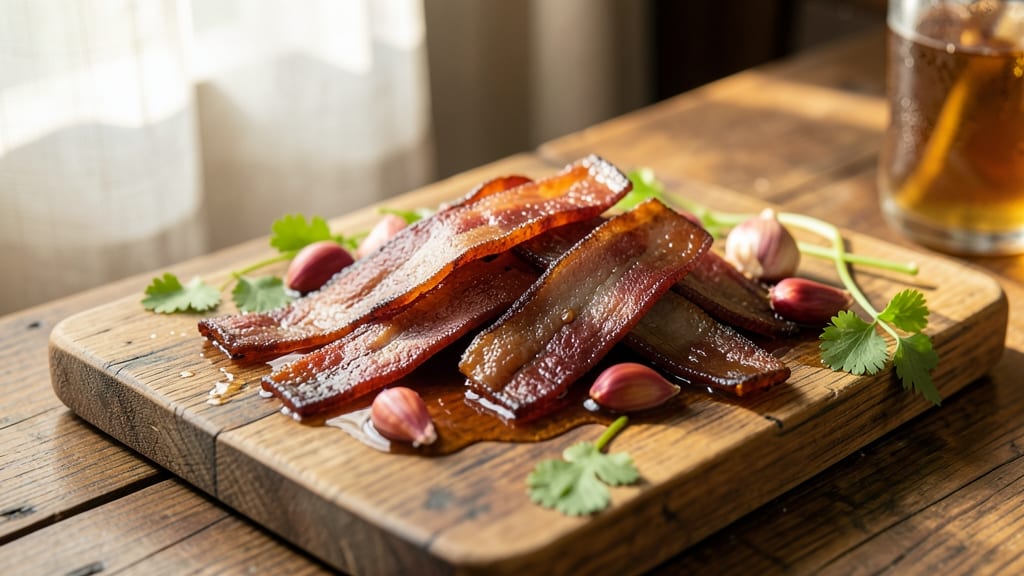
This pickled pork skin recipe transforms what most people discard into a delicacy that’s crispy on the outside and silky inside—perfect for those who appreciate texture and tradition. Growing up in small-town Georgia, I learned that nothing went to waste, especially when it came to pork.
The secret lies in the vinegar braise, which tenderizes the skin while infusing it with bright, tangy flavors that cut through rich dishes.
The process begins with curing the pork skin in a saltwater bath to remove impurities, then simmering it in a vinegar-spiced liquid until it reaches that ideal balance of crunch and tenderness.
It’s a method I perfected while apprenticing under Master Chef Chen, where we treated every part of the pig with respect. The result? A dish that’s equally at home as a snack, an appetizer, or a side that elevates any meal.
What makes this recipe stand out is how it turns a simple ingredient into something extraordinary—no shortcuts, just time and technique. The vinegar braise ensures the skin stays tender while developing a satisfying bite, and the aromatics add depth that lingers long after the first bite.
This isn’t just a side dish; it’s a testament to what happens when you honor the whole animal.
Serve it alongside grilled meats, in salads, or even as a standalone snack with a cold beer. The key is patience—let the flavors develop fully, and you’ll have a dish that’s as rewarding to make as it is to eat. Let’s get started on creating something truly special.
Ingredients for pickled pork skin
Transform scraps into something extraordinary with these simple yet powerful ingredients.
| Ingredient | Amount | Notes |
|---|---|---|
| Pork Skin 🥓 | 12 oz | Fresh, uncooked, cut into strips |
| White Vinegar 💧 | 2 cups | Distilled for best results |
| Water 💧 | 1 cup | Filtered preferred |
| Granulated Sugar 🍚 | ½ cup | White or brown sugar |
| Salt 🧂 | 2 tbsp | Kosher or sea salt |
| Garlic Cloves 🧄 | 4 cloves | Minced for infusion |
| Fresh Ginger 🌿 | 1 inch | Peeled, thinly sliced |
| Red Chili Flakes 🌶️ | 1 tsp | Adjust for heat preference |
| Bay Leaves 🌿 | 2 whole | Fresh preferred |
| Black Peppercorns 🌶️ | 10 whole | Crushed lightly |
| Star Anise 🌟 | 2 whole | Optional for depth |
| Cinnamon Stick 🌿 | 1 whole | Optional aromatic |
Pork skin is the star here—look for fresh cuts from your butcher or the meat department. Ask for the thickest pieces if possible, as they hold up better during the braising. The vinegar does most of the work, so white vinegar or apple cider vinegar both work well, but avoid anything with added flavors. Sugar isn't just for sweetness; it helps tenderize the skin. I always grab organic garlic and ginger from the farmers market when in season—they make a noticeable difference in flavor. If you're feeling fancy, Costco's bulk spices are a great way to stock up on bay leaves, star anise, and cinnamon sticks.
No white vinegar? Apple cider vinegar or rice vinegar will work, though the flavor profile shifts slightly. Short on ginger? Substitute ground ginger at half the amount, but fresh is always better. Chili flakes giving you pause? Skip them entirely—the dish still shines. The spices are where you can get creative: cardamom or cloves add warmth, while a pinch of cinnamon deepens the complexity. For the sugar, honey or maple syrup can replace it one-to-one, though the texture might vary slightly. Don’t stress about perfection—this recipe is forgiving.
Once braised, the pork skin keeps for up to 2 weeks in the fridge, stored in its vinegar bath. For longer storage, freeze it in portions—3 months is plenty. The flavors actually improve over time, so make extra if you can. Reheat gently in the braising liquid to keep it tender. I like to portion it into small jars so I can grab a handful whenever I’m craving something crispy and tangy. The leftovers make an amazing snack with a cold beer or alongside grilled meats.
Why You'll Love This Recipe
- No-Fuss Crunch: I swear by this recipe because it’s three steps—boil, soak, done. That crispy pork skin doesn’t need hours of frying or fancy prep, just a quick vinegar bath with sugar and salt. Honestly, I’ve made it while waiting for dinner to cook.
- Tangy Sweet Magic: The balance of vinegar’s sharp bite and sugar’s slow caramelization? Chef’s kiss. The pork skin stays chewy-crisp, while the brine soaks in just enough flavor to make every bite addictive. I’ll be real: I eat it straight out of the jar.
- Snack Attack Ready: This isn’t just for meals—it’s my go-to for movie nights, lunchboxes, or when I’m craving something salty without the fuss. My kids grab it for school (yes, even the picky ones), and it keeps for weeks in the fridge. Zero waste, all win.
- Budget Crunch Fix: Pork skin is cheap, and this recipe stretches it further than you’d think. A single batch lasts me through errands, potlucks, and emergency snack emergencies. Between us, it’s my secret weapon for stretching groceries without sacrificing flavor.
Step-by-step instructions for pickled pork skin recipe
Here's how to transform tough pork skin into silky, tender bites with a perfect crunch.
Clean and Prep the Pork Skin
Start by rinsing the 12 oz pork skin under cold water to remove any debris. Pat it completely dry with paper towels—this step is crucial for even cooking. Using kitchen shears or a sharp knife, cut the skin into strips about 2 inches wide and 4 inches long. The strips should be uniform in size so they cook evenly.
Place the cut strips in a large bowl and sprinkle evenly with the 2 tbsp salt. Use your hands to massage the salt into the skin for about 2 minutes. This helps break down proteins and removes any remaining moisture, which is key for achieving that perfect texture later. Let the salted strips sit at room temperature for 30 minutes while you prepare the pickling liquid.
Create the Pickling Liquid
In a medium saucepan, combine the 2 cups white vinegar, 1 cup water, 0.5 cup granulated sugar, 4 minced garlic cloves, 1 inch peeled and thinly sliced fresh ginger, 1 tsp red chili flakes, 2 whole bay leaves, 10 lightly crushed black peppercorns, 2 whole star anise, and 1 whole cinnamon stick. Stir everything together until the sugar dissolves completely.
Bring the mixture to a boil over medium-high heat, then reduce to a gentle simmer. Let it cook uncovered for 10 minutes, allowing the aromatics to infuse and the liquid to slightly reduce. You'll notice a rich, fragrant aroma—this is your signal that the flavors are melding together. Remove the pan from heat and let the liquid cool to room temperature.
Blanch the Pork Skin
While the pickling liquid cools, bring a large pot of water to a rolling boil. Add the salted pork skin strips and cook for exactly 3 minutes. This brief blanch helps relax the collagen in the skin, making it more tender. Immediately drain the strips and rinse them under cold water to stop the cooking process and remove any excess salt.
Real talk: Don't skip this step. Skipping the blanch means you'll end up with tough, chewy skin instead of the silky texture you're after. The pork skin should look slightly opaque after blanching—this is your visual cue that it's ready for the next step.
Pickle for Perfect Texture
Transfer the blanched pork skin strips to a clean, heatproof jar or bowl. Pour the cooled pickling liquid over the strips, ensuring they're completely submerged. If needed, use a small plate to weigh down the strips and keep them under the liquid. Cover the container and refrigerate for at least 24 hours, but I recommend 48 hours for maximum tenderness.
During this time, the acid in the vinegar will work its magic, breaking down the collagen and transforming the skin into tender, bite-sized pieces. You'll know it's ready when the strips are fork-tender and have absorbed the beautiful pink hue from the spices. The skin should have a satisfying crunch on the outside while remaining silky smooth inside.
Serve and Store
Remove the pickled pork skin from the liquid and pat dry with paper towels. The strips should be tender enough to bite through easily but still hold their shape. Serve immediately or store the pickled skin in its pickling liquid in the refrigerator for up to 2 weeks. The flavor actually improves with time, so making a big batch is worth it.
For serving, drain the strips and arrange them on a platter. Drizzle any leftover pickling liquid over the top for extra flavor. These tender, vinegar-kissed bites are perfect as a snack, appetizer, or even mixed into salads for a meaty crunch. The balance of sweet, spicy, and tangy flavors makes this a standout dish that's sure to impress.
Pro Tips For Making Pickled Pork Skin
- Boil Skin Twice: First boil the pork skin in water to remove impurities, then boil again in fresh water with salt to tighten it. Skipping the second boil leaves it rubbery—trust me, I’ve tried.
- Slice Skin Thin: Use kitchen shears or a sharp knife to cut the skin into ¼-inch strips. Thicker slices stay chewy; thinner ones pick up the vinegar better and get tender faster.
- Balance Vinegar Ratio: For every 1 cup of vinegar, use ½ cup water and 2 tablespoons sugar. Too much vinegar makes it harsh; too little water dilutes the flavor. I learned this after a batch tasted like undrinkable salad dressing.
- Cold Soak First: Soak the cleaned pork skin in cold water for 30 minutes before pickling. This removes excess fat and prevents the brine from turning cloudy—no one wants murky pickled skin.
Perfect pairings for this pickled pork skin
Asian-Inspired Sides
Pair your pickled pork skin with a cucumber salad tossed in rice vinegar, sesame oil, and a touch of honey—the cool crunch balances the rich, tangy pork perfectly. I like to add thinly sliced scallions and a sprinkle of toasted sesame seeds for extra texture.
For a heartier option, serve alongside steamed jasmine rice and a side of miso soup—the umami depth complements the vinegar's brightness. 🥒
Southern BBQ Pairings
In the Southeast, we love serving pickled pork skin as a sideshow to smoked meats. Try it with pulled pork sandwiches—the crispy skin adds a satisfying crunch between bites.
I also pair it with collard greens braised in apple cider vinegar or cornbread muffins for a classic Southern spread. The tangy pork skin cuts through the richness of smoked brisket beautifully. 🍖
Beer and Cocktail Matches
A crisp lager like Leinenkugel's Summer Shandy cleanses the palate between bites, while a wheat beer such as Blue Moon enhances the citrus notes in the pickling liquid.
For cocktails, I recommend a gin-based martini with a twist of lime—its herbal notes play well with the ginger and garlic in the pork skin. A whiskey sour also works if you prefer something sweeter. 🍺
Salad and Grain Bowls
Toss the pickled pork skin into kale salads with toasted walnuts, dried cranberries, and a balsamic vinaigrette for a protein-packed meal. It also elevates quinoa bowls with roasted vegetables and avocado—add a drizzle of spicy mayo for extra kick.
The skin’s texture holds up perfectly in these dishes, adding a satisfying bite. 🥗
Breakfast Pairings
Don’t limit this to dinner! Add the pickled pork skin to fried rice with scrambled eggs and scallions for a savory breakfast twist. I also love it on avocado toast with a sprinkle of flaky sea salt—the contrast of creamy avocado and crispy pork skin is pure magic.
It’s a great way to repurpose leftovers into a quick, flavorful meal. 🍳
Dipping Sauces
Serve with a spicy peanut sauce made with peanut butter, sriracha, lime juice, and soy sauce for a sweet-spicy kick. A garlic aioli or chipotle crema also works—drizzle generously over the pork skin before serving.
These sauces turn the dish into an interactive snack that’s perfect for parties or game day. 🌶️
Nutrition facts
Frequently asked questions
Can I use pork belly instead of pork skin for this recipe?
While pork belly has a similar texture, it won't give you the same satisfying crunch and delicate flavor. The skin's collagen structure transforms beautifully in the vinegar bath, creating that perfect balance of tenderness and bite. If you're set on using belly, cut it 1/4-inch thick and blanch for 5 minutes instead of 3, but expect a richer, fattier result.
How do I know when the pork skin is fully tender?
The skin is ready when it's fork-tender and has absorbed the pink hue from the spices. Press a strip gently—it should give slightly but still hold its shape. If it feels too firm, let it pickle for another 12-24 hours. Over-pickling can make it mushy, so aim for that perfect middle ground where it's silky inside with a satisfying crunch.
Can I make this recipe without vinegar?
Vinegar is essential for both the pickling process and the tenderizing effect on the collagen. However, if you're avoiding vinegar for dietary reasons, you could try a lactic acid brine (like sauerkraut juice) or a citrus-based marinade with lemon juice and honey. The texture will differ slightly, but the dish will still be flavorful. Just know it won't have that classic tangy crunch.
What’s the best way to reheat pickled pork skin?
Always reheat in the pickling liquid over low heat for 3-5 minutes—this keeps it tender and prevents drying out. Never microwave it, as it can make the skin rubbery. For extra crispiness, sear the strips in a hot pan for 30 seconds per side after reheating. The vinegar bath also makes a great dipping sauce!
Why did my pork skin turn out chewy instead of tender?
Most likely, you skipped the blanching step or didn’t pickle it long enough. The 3-minute blanch is crucial for breaking down collagen, and the 48-hour pickle ensures maximum tenderness. If it’s still tough, try simmering the strips in fresh pickling liquid for another 30 minutes on low heat. Pro tip: Use thicker cuts of skin for better results.