
Main Courses
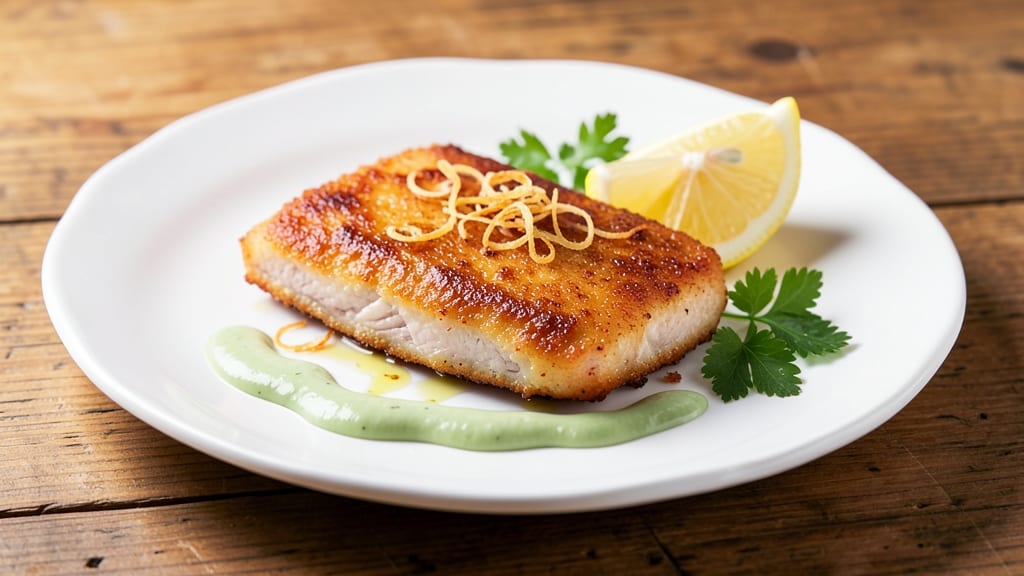
Mastering pork schnitzel means achieving that perfect balance of crispy gold on the outside and juicy tenderness within—something I perfected after years of testing different breading techniques in my grandmother’s kitchen.
The secret lies in thin, even-cut pork cutlets pounded to an ideal thickness, then coated in a precise layer of flour, egg wash, and fine breadcrumbs. This isn’t just a recipe; it’s a technique that transforms simple ingredients into a restaurant-worthy dish.
The process starts with selecting the right cut—pork cutlets should be tender but not fatty, and pounding them to ¼-inch thickness ensures even cooking. Using a mix of all-purpose flour and cornstarch in the breading creates that signature crunch, while a chilled egg wash binds everything together.
Frying in peanut oil at 350°F guarantees a golden exterior without burning, and a juicy center that stays moist.
What you’ll end up with is a plate of crispy, golden-brown schnitzel that shatters at the edges but yields to a fork with tender, flavorful meat inside. The aroma alone—warm breading, sizzling oil, and the tang of lemon—will have everyone at the table anticipating that first bite.
Serve with lemon wedges, a simple potato salad, or a crisp green salad to balance the richness.
This recipe delivers restaurant-quality results at home, whether you’re hosting a dinner party or simply craving a comforting classic. The key is patience—don’t rush the breading or frying—and the reward is a dish that’s crispy, juicy, and impossible to resist. Let’s get started!
Ingredients for pork schnitzel
Thin-cut pork, precise breading, and high-heat frying transform simple ingredients into restaurant-quality schnitzel.
| Ingredient | Amount | Notes |
|---|---|---|
| Pork Cutlets 🥩 | 1 ½ lb | Bone-in, skinless, pounded to ¼-inch thickness |
| All-Purpose Flour 🌾 | 1 cup | Fine-milled for even coating |
| Cornstarch 🌾 | ¼ cup | For extra crispiness |
| Large Eggs 🥚 | 2 whole | Room temperature for even coating |
| Fine Breadcrumbs 🍞 | 2 cups | Panko-style preferred |
| Peanut Oil 🫒 | 3 cups | High smoke point for frying |
| Diamond Crystal Kosher Salt 🧂 | 1 tsp | Fine grain for seasoning |
| Freshly Ground Black Pepper 🌶️ | ½ tsp | Cracked peppercorns preferred |
| Lemon Wedges 🍋 | 4 whole | For serving |
| Extra-Virgin Olive Oil 🫒 | 1 tbsp | For drizzling after frying |
| Fresh Parsley 🌿 | ¼ cup | Chopped, for garnish |
The pork cutlets are the foundation—look for center-cut pork loin at your butcher or pre-sliced pork cutlets from the meat department. Whole Foods or Trader Joe's carry excellent pre-cut options, but if buying a whole loin, ask for bone-in, skinless slices to maintain moisture. Pounding to ¼-inch thickness is critical; use a meat mallet or rolling pin. For extra tenderness, let the cutlets sit at room temperature for 20-30 minutes before breading. The cornstarch in the flour mix is non-negotiable—it creates that signature crunch without overpowering the pork's natural flavor.
No peanut oil? Vegetable or canola oil works, but avoid olive oil—its low smoke point can burn the breading. For the eggs, room temperature is key; cold eggs create a tough coating. Running short on breadcrumbs? Crush plain potato chips for a quick substitute, though they lack the fine texture. The lemon wedges should be freshly cut—bottled juice lacks the bright acidity that cuts through the richness. Garnish with fresh parsley for color and a hint of freshness, but don’t skip the olive oil drizzle—it adds a luxurious finish that elevates the dish from homemade to restaurant-worthy.
Store prepped cutlets on a wire rack over a baking sheet in the fridge for up to 4 hours before frying to prevent sogginess. The breading mix keeps dry in an airtight container for 1 week, while the peanut oil should be stored in a cool, dark place for 6-12 months. Once fried, schnitzel reheats beautifully—350°F for 5-7 minutes in the oven restores the crispiness. For meal prep, portion into parchment-lined containers with lemon wedges on top to keep them fresh for 2-3 days.
Why You'll Love This Recipe
- Same recipe, different vibes: toss it together for a lazy Tuesday or dress it up with lemon and parsley for guests. Freezes like a dream too, so I make a double batch and thank myself later.
- Pantry-Friendly Magic: I swear by this recipe because it uses stuff I always have—flour, eggs, breadcrumbs—no fancy ingredients. The cornstarch in the breading? That’s the secret to the crunch without extra shopping.
- Crispy-Creamy Obsession: That first bite—golden crust shattering, tender pork underneath—it’s the kind of contrast that makes you close your eyes. The egg wash binds everything just right, so it doesn’t turn soggy.
- Weeknight to Dinner Party: Same recipe, different vibes: toss it together for a lazy Tuesday or dress it up with lemon and parsley for guests. Freezes like a dream too, so I make a double batch and thank myself later.
Step-by-step instructions for pork schnitzel
Master the technique for perfectly golden, shatteringly crisp schnitzel with tender interiors every time.
Prepare the Pork Cutlets for Even Cooking
Begin by patting the 1.5 lb pork cutlets completely dry with paper towels—this is absolutely critical for achieving that signature crisp. I use two layers of paper towels and press firmly to remove all moisture, especially around the edges where water tends to pool. The drier the surface, the better the breading will adhere and the crisper the final result.
Next, place each cutlet between two sheets of plastic wrap and pound them to an even ¼-inch thickness using a meat mallet or rolling pin. This ensures consistent cooking time and prevents any thicker portions from remaining undercooked. Work quickly to avoid overworking the meat, which can make it tough. When finished, you should have four uniform cutlets ready for the next step.
Create the Breading Station for Perfect Layers
Set up three shallow bowls or plates for your breading station. In the first bowl, combine the 1 cup all-purpose flour and 0.25 cup cornstarch—this blend creates an ultra-crispy barrier while preventing the schnitzel from becoming too dense. In the second bowl, crack the 2 whole large eggs and whisk them lightly with a fork until just combined. In the third bowl, place the 2 cups fine breadcrumbs—I prefer panko-style for its light, airy texture that adds to the crunch.
Season each bowl appropriately: lightly season the flour mixture with 1 tsp diamond crystal kosher salt and 0.5 tsp freshly ground black pepper, and add a pinch of salt to the breadcrumbs. This layered approach ensures each component plays its role—flour for adhesion, eggs for binding, and breadcrumbs for maximum crispiness. Keep all ingredients at room temperature for best results.
Bread the Cutlets Using the Wet-Dry-Wet Method
Working with one cutlet at a time, dredge it in the flour mixture, pressing gently to ensure complete coverage on all sides. Tap off any excess, then dip into the beaten eggs, allowing any excess to drip off. Finally, press the cutlet firmly into the breadcrumbs, coating all surfaces evenly. The breading should adhere well without falling off when you lift it.
Place the breaded cutlet on a wire rack set over a baking sheet—this allows air to circulate underneath, preventing sogginess. Repeat with the remaining cutlets, working quickly to maintain even breading. For best results, let the breaded cutlets rest for 5 minutes before frying. This brief pause allows the breading to slightly adhere, reducing the chance of it falling off during cooking.
Fry to Golden Perfection Using Peanut Oil
Heat 3 cups peanut oil in a deep skillet or Dutch oven to 350°F—this temperature is crucial for achieving that signature golden color without burning the exterior. Use a deep-fry thermometer to monitor the oil temperature precisely, as fluctuations can lead to uneven cooking. Once the oil reaches temperature, carefully add two breaded cutlets, being cautious of oil splatter.
Fry for 3-4 minutes per side until the schnitzel reaches a deep golden brown color—this is your visual cue that the breading is perfectly crisp. The cutlets are done when they release easily from the oil and a toothpick inserted into the thickest part comes out clean. Remove the schnitzel to a paper towel-lined plate to drain excess oil, then immediately drizzle with 1 tbsp extra-virgin olive oil to enhance flavor and add a subtle richness.
Serve Immediately with Lemon and Parsley
Transfer the crispy schnitzel to a warm serving platter and garnish with 4 whole lemon wedges and 0.25 cup chopped fresh parsley. The acidity of the lemon cuts through the richness of the schnitzel, while the parsley adds a fresh, vibrant contrast. Serve immediately while the breading is at its crispest—schnitzel loses its crunch as it cools, so don't delay serving.
Each piece should have a shatteringly crisp exterior that gives way to juicy, tender pork inside. The golden color should be even all over, with no pale spots indicating undercooked areas. Pair with classic sides like lemon-dill potatoes or a simple arugula salad to complete the meal. The key to success lies in the preparation—dry cutlets, proper breading technique, and precise frying temperature all work together to create schnitzel that rivals any restaurant version.
Pro Tips For Making Pork Schnitzel
- Pound Cutlets Evenly: I learned this the hard way—uneven thickness means some parts burn while others stay raw. Use a rolling pin or mallet to press the pork to exactly ¼-inch thickness, then check with a ruler. No guesswork, just consistent doneness.
- Mix Cornstarch Into Flour: Skip the separate dredging—toss 2 tablespoons cornstarch into your flour before seasoning. It’s the non-negotiable step for that crispy, shatterable crust. (Yes, even if your recipe doesn’t say it.)
- Start Hot, Finish Smart: Crank the oil to 375°F and fry the schnitzel for 2-3 minutes per side until golden. Then drop the heat to 325°F for the last 30 seconds—this locks in crispiness without turning it into a grease bomb. (Your future self will thank you.)
- Pat Dry, Then Salt: Wipe the cutlets thoroughly with paper towels before salting—moisture ruins the crust. Then season both sides with salt before dredging. (I know, it feels like overkill, but trust the process.)
Perfect pairings for this recipe
Classic German Sides
In Germany, schnitzel is traditionally served with potato salad—specifically, a creamy version made with mayonnaise, mustard, and fresh dill.
I make mine with 1 lb baby potatoes boiled until tender, mixed with ½ cup mayonnaise, 1 tbsp Dijon mustard, 1 tbsp apple cider vinegar, and 2 tbsp chopped fresh dill. The tangy dressing cuts through the richness beautifully. 🥔
Another must-try is German-style sauerkraut—not the sweet kind you might find in the US, but the tangy, vinegary version made with cabbage, caraway seeds, and a splash of white wine vinegar.
Simmer 1 lb sauerkraut with 1 tbsp butter, 1 tsp caraway seeds, and 2 tbsp apple cider vinegar for 10 minutes to mellow the flavors. The acidity balances the schnitzel perfectly.
Italian-Inspired Pairings
Since I grew up with Italian roots, I love serving schnitzel with a simple arugula salad dressed in lemon vinaigrette.
Toss 4 cups baby arugula with 2 tbsp extra-virgin olive oil, 1 tbsp fresh lemon juice, 1 tsp honey, and a pinch of flaky sea salt. The peppery bite of arugula contrasts the crispy schnitzel wonderfully. 🥗
For a heartier option, try creamy polenta—it’s a staple in Italian-American homes. Cook 1 cup polenta in 4 cups chicken broth until thick and creamy, then stir in 2 tbsp butter and ½ cup grated Parmesan.
The mild, buttery flavor soaks up any extra oil from the schnitzel without overpowering it.
Beverage Pairings
A crisp German lager like Kölsch or Pilsner is the classic choice—its clean, refreshing finish cuts through the richness of the schnitzel. I prefer Krombacher Pils for its balanced bitterness and smooth finish. For a non-alcoholic option, sparkling apple cider adds a festive touch with its bright acidity. 🍺
If you’re serving schnitzel for a dinner party, a dry Riesling from Germany pairs beautifully. The wine’s acidity and subtle sweetness complement the dish without competing. Avoid heavy reds—they’ll overpower the delicate flavors of the schnitzel.
Nutrition facts
Frequently asked questions
Why does my schnitzel turn out greasy instead of crispy?
The most common cause is overcrowding the pan or frying at too low a temperature. Always fry two cutlets at a time in 350°F peanut oil—any hotter risks burning the breading, while cooler oil makes it greasy. Also, pat the pork completely dry before breading, and let the breaded cutlets rest 5 minutes before frying to help the coating set.
Can I use chicken or veal instead of pork?
Chicken breasts work well—just pound them to ¼-inch thickness and reduce frying time to 2-3 minutes per side since they cook faster. Veal is traditional for Wiener Schnitzel but requires more tender cuts. The breading technique remains identical, though veal benefits from a slightly longer rest (10 minutes) after breading to prevent curling.
How do I keep the schnitzel crispy when reheating?
Schnitzel loses crispiness when reheated, but you can restore it using the air fryer method: heat to 375°F for 3-4 minutes until golden. For oven reheating, place on a wire rack over a baking sheet at 400°F for 5-6 minutes. The key is high heat and minimal contact with surfaces—never microwave, as it steams the breading.
What's the best way to store leftover schnitzel?
Store in an airtight container with parchment paper between layers to prevent sticking. Keep refrigerated for up to 3 days—reheat using the air fryer or oven methods above. For longer storage, freeze breaded (uncooked) cutlets for 1 month or cooked schnitzel for 2 months. Thaw overnight in the fridge before reheating.
Can I make schnitzel ahead of time?
Yes! Prep the breaded cutlets up to 4 hours ahead and store them on a wire rack in the fridge. For fully cooked schnitzel, let it cool completely before refrigerating—it'll stay crispy for 24 hours if stored properly. The secret is never stacking them, which creates steam and softens the breading. For parties, assemble the breading station just before frying to maintain texture.