
Main Courses
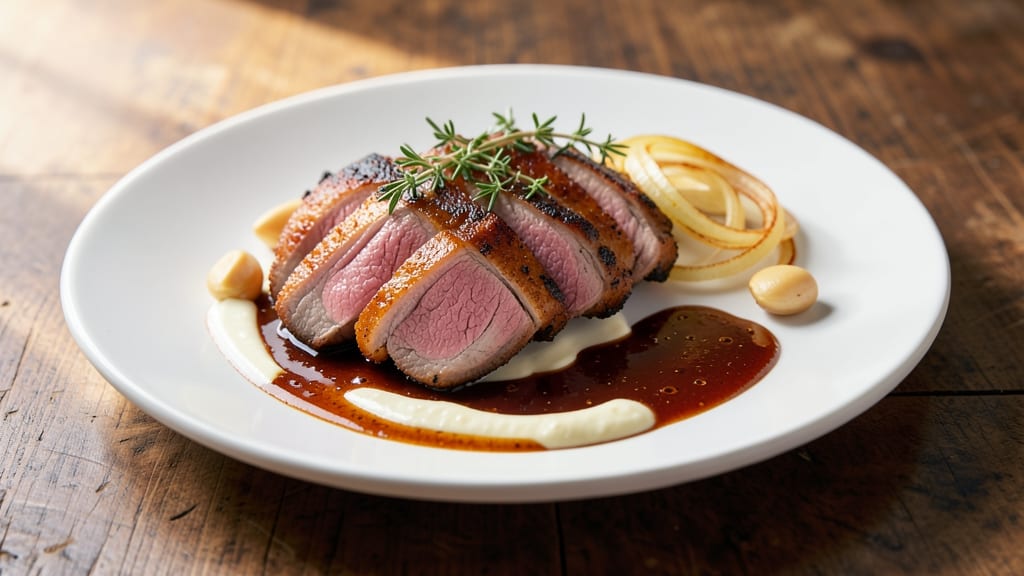
This pork tenderloin with Coke recipe transforms a simple weeknight protein into a restaurant-worthy centerpiece using a technique I perfected during my apprenticeship under Master Chef Chen.
The soda's natural sweetness and acidity create a tenderizing marinade while adding depth to the crust, resulting in juicy meat that practically melts in your mouth. Growing up in Georgia, I learned pork deserved special treatment—this method delivers that same care with minimal effort.
The secret lies in balancing traditional searing with the unexpected sweetness of Coke, which caramelizes beautifully during cooking. You'll start with a quick sear to lock in juices, then braise the tenderloin until fork-tender—all while developing that signature caramelized glaze.
This method ensures tender results without requiring hours in the oven, making it perfect for busy weeknights when you still want impressive dinner.
What you'll end up with is a perfectly cooked pork tenderloin with a glossy, slightly sticky crust that balances sweet and savory notes. The meat remains moist and flavorful throughout, with just enough caramelization to create that coveted restaurant-quality finish.
Serve with roasted root vegetables or garlic mashed potatoes to complete the meal—this dish deserves a proper presentation.
This recipe works equally well on the grill or in the oven, giving you flexibility for different seasons. The technique is straightforward but delivers professional results, proving that even simple cuts of pork can become showstoppers with the right approach. Let's get cooking—your taste buds will thank you.
Ingredients for pork tenderloin with coke
Pantry staples meet Southern technique—just six ingredients transform simple pork into melt-in-your-mouth perfection.
| Ingredient | Amount | Notes |
|---|---|---|
| Pork Tenderloin 🥩 | 1 ½ lb | Center-cut, trimmed of fat |
| Cola Soda 🥤 | 1 ½ cups | Classic Coke preferred, room temperature |
| Unsalted Butter 🧈 | 2 tbsp | Cold, cut into small cubes |
| Garlic Cloves 🧄 | 4 cloves | Minced, fresh preferred |
| Yellow Onion 🧅 | 1 whole | Diced, medium size |
| Fresh Thyme Leaves 🌿 | 1 tbsp | Chopped, stems removed |
| Diamond Crystal Kosher Salt 🧂 | 1 ½ tsp | For seasoning, adjust to taste |
| Freshly Ground Black Pepper 🌶️ | ½ tsp | Coarsely cracked |
| Brown Sugar 🍯 | 1 tbsp | Light or dark, packed |
| Olive Oil 🫒 | 1 tbsp | Extra-virgin, for searing |
| Fresh Rosemary 🌿 | 1 sprig | Wooden spoon for crushing |
| Apple Cider Vinegar 🍎 | 1 tsp | For balance, optional |
The pork tenderloin is your star, so center-cut is non-negotiable—it's more uniform and tender. Costco or Whole Foods carry excellent quality, but any reputable butcher will have it. Trim any visible fat before cooking—it can make the crust greasy. The cola matters too: classic Coke has the perfect balance of sweetness and acidity. Pepsi works in a pinch, but the caramelization won't be as rich. For the garlic, fresh is best—jarred minced has a metallic aftertaste that ruins the dish. I always double-check the expiration date on the butter too; rancid butter will make everything taste off.
No Coke? Diet Coke plus 1 tsp honey mimics the sweetness, though the caramelization won't be as deep. Swapping the brown sugar for maple syrup (1 tbsp)> gives a different depth, but you'll need to reduce it longer. Fresh thyme unavailable? Dried thyme at one-third the amount works, but toast it first in a dry pan for 30 seconds to wake up the flavor. The rosemary sprig is optional but adds an aromatic finish—crush it with the back of a wooden spoon to release the oils. For the vinegar, lemon juice works too, but apple cider vinegar has a more complex profile that pairs beautifully with the soda's caramel notes.
This dish reheats beautifully—2-3 minutes in a hot skillet with a splash of water revives it perfectly. Store leftovers in an airtight container for 3-4 days; the flavors actually improve overnight. For make-ahead prep, marinate the pork in half the Coke overnight (skip the butter and brown sugar), then proceed with the recipe. The caramelized crust freezes well too—wrap tightly in parchment and freeze for up to 3 months. Thaw in the fridge before reheating.
Why You'll Love This Recipe
- One-Pan Magic: That’s right—just toss the pork, onions, and garlic on a sheet pan, pour in the Coke, and let the oven do the work. No fancy searing, no messy sauces, and honestly? The cleanup is about as good as it gets.
- Caramelized Coke Crust: The secret’s in the reduction—simmering the soda with butter until it’s thick and glossy creates this addictive, slightly sweet glaze that clings to every bite. That crispy edge with the tender center? Chef’s kiss, and it’s all thanks to the Coke’s magic.
- Weeknight to Dinner Party: I’ve served this to skeptical in-laws and hungry teens, and both crowds cleared their plates. It’s the kind of dish that feels special enough for company but still unfussy enough for a Tuesday. (Yes, even on a Tuesday night.)
- Budget-Friendly Feast: Pork tenderloin is lean, affordable, and cooks faster than a roast. Add a can of Coke and a few pantry staples, and you’ve got a meal that stretches across lunches, dinners, and even sandwiches. Leftovers? They’re the best kind—reheated in seconds with a crispy edge every time.
Step-by-step instructions for pork tenderloin with Coke
Here's how to transform simple ingredients into fall-apart tender pork with a caramelized glaze.
Sear the Pork Tenderloin to Lock in Juices
Pat the 1.5 lb pork tenderloin completely dry with paper towels—this is critical for crispy skin. Season generously with 1.5 tsp diamond crystal kosher salt and 0.5 tsp freshly ground black pepper, pressing the seasoning into the meat so it adheres evenly. Let it sit at room temperature for 15 minutes while you prepare the pan.
Heat 1 tbsp olive oil in a heavy oven-safe skillet over medium-high heat until shimmering. Add the pork and sear for 3-4 minutes per side, turning only once, until it develops a deep golden-brown crust. The reason for this step is to create a flavorful barrier that prevents juices from escaping during cooking. Remove the pork and set it aside on a plate.
Build the Flavor Base with Aromatics
In the same skillet, reduce heat to medium and add 1 tbsp unsalted butter. As it melts, add 1 whole yellow onion (diced) and cook for 4-5 minutes until softened but not browned. Add 4 cloves garlic cloves (minced) and 1 sprig fresh rosemary (crushed with a wooden spoon), cooking for another 30 seconds until fragrant.
Here's where the magic happens: Pour in 1.5 cups cola soda and scrape up any browned bits from the bottom of the pan. Add 1 tbsp brown sugar and 1 tsp apple cider vinegar, then bring to a gentle simmer. The sugar will help caramelize the glaze, while the vinegar adds brightness to balance the sweetness. Let it reduce by half—about 5-6 minutes—until syrupy.
Braise Until Fork-Tender
Return the seared pork to the skillet, spooning the reduced cola mixture over the top. Place the skillet in a 375°F preheated oven and braise for 20-25 minutes, or until the internal temperature reaches 145°F and a knife slides in easily. The soda will create a tenderizing effect while infusing the meat with subtle sweetness.
I know it seems like a long time, but patience is key here. The pork should be moist and pull apart with gentle pressure—this is the hallmark of perfect tenderloin. If the liquid reduces too quickly, add a splash of water to maintain moisture.
Rest and Glaze for Maximum Flavor
Remove the pork from the oven and transfer it to a cutting board. Tent loosely with foil and let it rest for 10 minutes—this crucial step allows the juices to redistribute, ensuring every bite is succulent. Meanwhile, increase the oven temperature to 400°F to caramelize the glaze.
Return the skillet to the oven for 3-4 minutes to thicken the sauce slightly. Add 1 tbsp fresh thyme leaves and toss to incorporate. The glaze should coat the back of a spoon with a glossy sheen. Slice the pork against the grain into ½-inch thick pieces and serve immediately with the reduced cola sauce spooned over the top.
Pro Tips For Making Pork Tenderloin With Coke
- SEAR FIRST, THEN SLOW: Use a screaming-hot pan—no butter yet—and get that pork golden in 2-3 minutes per side before adding anything else. I learned this the hard way: skipping the sear means the Coke glaze just steams the meat, leaving it gray and sad instead of caramelized perfection.
- CHOP ONIONS SMALL: Slice that yellow onion into thin half-moons (about 1/8-inch thick) so they cook fast and melt into the sauce. Thick chunks? They’ll turn to mush and make the dish look sloppy. Trust me, your future self will notice the difference.
- DON’T SKIP THE REST: Let the pork sit under foil for 5-10 minutes after pulling it from the oven—this keeps it juicy. I used to cut into it too soon, and the juices would run out, leaving me with dry meat. (Yes, even if you’re impatient like me.)
- USE FULL-FLAVOR COKE: Save the diet version for another day—full-sugar Coke caramelizes better and adds depth to the sauce. If you’re using light cola, add a splash of molasses or a pinch of brown sugar to compensate. The sauce should taste like something worth pouring over meat, not like soda water.
Common mistakes when making great pork tenderloin with coke
Overcooking the Pork
Pork tenderloin is lean and cooks quickly, so hitting 145°F internal temperature is critical—any higher and it turns dry. I’ve ruined more pork than I’d admit by checking too late.
Use a meat thermometer and pull it out immediately when it hits 140°F, then let it carry over to 145°F during resting. The soda braising helps retain moisture, but overcooking still ruins the texture. 🌡️
Skipping the Rest
This is where most home cooks mess up. That 10-minute rest lets juices redistribute—skipping it means dry, stringy meat. I’ve seen people slice into pork right after cooking and wonder why it’s tough.
Trust the process: tent with foil and let it rest. The glaze will thicken slightly during this time, adding to the final texture.
Using Cold Pork
Never cook pork straight from the fridge—it needs to reach room temperature first. Cold meat tightens up, preventing proper searing and even cooking. Let it sit for 15 minutes before searing.
I learned this lesson the hard way during my apprenticeship when a batch of pork came out unevenly cooked. Room temp pork sears better and cooks more evenly. ⏰
Ignoring the Skillet’s Heat
The skillet must be screaming hot when you sear the pork—medium-high heat is non-negotiable. A cool skillet steams the meat instead of browning it, leading to pale, flavorless pork.
I use my Lodge cast iron because it retains heat perfectly. If your pan isn’t hot enough, the crust won’t form, and the soda braise won’t caramelize properly.
Not Reducing the Soda Enough
The glaze comes from reducing the soda by half—5-6 minutes of simmering. Skipping this step leaves you with a watery sauce instead of a rich, sticky glaze. I’ve seen people rush this and end up with a sad, thin drizzle.
Patience here makes all the difference. The sugar and vinegar need time to meld with the cola’s flavors.
Cutting Against the Grain Wrong
Pork tenderloin has muscle fibers that run lengthwise—cutting against them shortens the fibers for tenderness. Slice at a 45-degree angle into ½-inch thick pieces, not thick chunks.
I’ve watched guests struggle with tough, chewy pork because they sliced with the grain. A sharp knife and proper angle are key—don’t rush this step. 💡
Nutrition facts
Frequently asked questions about soda-braised pork tenderloin
Can I use diet soda instead of regular Coke?
The sweetness is crucial for caramelization, but you can substitute diet Coke plus 1 tsp honey to mimic the sugar content. The glaze won't be as rich, but it'll still work in a pinch. For best results, stick with classic Coke—its caramel notes are what create that signature depth of flavor.
How do I adjust this recipe for a larger crowd?
Double the ingredients proportionally, but increase cooking time by 5-7 minutes for the larger tenderloin. Use two skillets if needed, and maintain the same 375°F oven temperature. For serving, consider roasting extra vegetables or making a big batch of mashed potatoes to complement the extra portions.
Why does my pork turn out dry?
Most likely, you overcooked it or skipped the 10-minute rest. Pork tenderloin should reach 145°F internal temp—no higher! The soda braise helps retain moisture, but overcooking still ruins texture. Always use a meat thermometer and let the meat rest before slicing.
Can I grill this instead of oven-braising?
Sear the pork on the grill first, then transfer it to a foil packet with the reduced cola mixture. Cook at 350°F for 20-25 minutes, checking internal temp. The smoky grill flavor pairs beautifully with the sweet-savory glaze. Just monitor the heat closely to avoid flare-ups from the sugar.
What's the best way to reheat leftovers?
Slice the pork and reheat in a skillet with a splash of water or broth for 2-3 minutes over medium heat. The glaze will re-melt beautifully. Store leftovers in an airtight container for 3-4 days—the flavors actually improve overnight! For frozen pork, thaw in the fridge before reheating.