
Main Courses
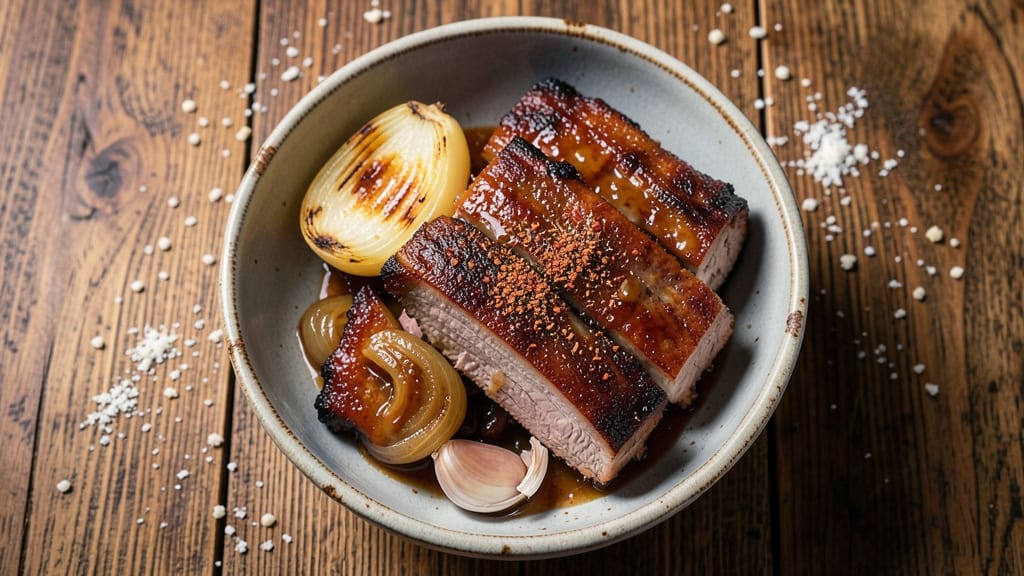
Mastering Smithfield pork ribs transforms any gathering into a celebration of Southern tradition—where every bite delivers that perfect balance of smoky depth and melt-in-your-mouth tenderness.
Growing up in small-town Georgia, I learned that great ribs aren’t just about time in the smoker; it’s the dry rub technique passed down through generations, the patience of letting the wood smoke work its magic, and the moment when those bones finally surrender to your fork.
The key lies in a three-stage process: building a flavorful bark with a precise spice blend, maintaining a steady 225°F temperature for hours, and finishing with a high-heat sear that locks in juices while creating that coveted caramelized crust.
What sets this recipe apart is the foolproof method that combines traditional techniques with modern precision—whether you’re working with a pellet grill, offset smoker, or even a well-calibrated oven.
The dry rub, a blend of brown sugar, paprika, garlic powder, and black pepper, develops a sticky, sweet-savory crust that’s impossible to resist.
I’ve perfected this over years of competing in the Southeast BBQ circuit, where judges notice when ribs aren’t just tender but transformed—where the meat practically falls apart at the touch of a toothpick.
The secret? Low-and-slow cooking paired with occasional basting to keep the surface moist without steaming the interior.
By the time you pull these ribs from the smoker, your kitchen will smell like a Georgia summer afternoon, and the sight of those glossy, bark-covered slabs will have everyone gathering around the table.
The meat will be fall-apart tender, the bones so soft they yield with minimal effort, and the sauce—whether you prefer a tangy vinegar-based mop or a rich tomato glaze—will cling to every surface. This isn’t just dinner; it’s an experience that turns casual meals into memorable feasts.
Let’s get started on the recipe that’s won me championships and countless compliments at backyard BBQs.
Pair these ribs with classic Southern sides like creamy coleslaw, buttery cornbread, or smoky baked beans to complete the meal.
The versatility of this recipe means it works for holidays, game days, or even a weekend project—because nothing says "I care" like ribs that taste like they’ve been slow-smoked for hours. Trust me, once you master this technique, you’ll never settle for store-bought again.
Ingredients for smithfield pork ribs
Six ingredients for the dry rub, four for the mop sauce—just enough to build that legendary Southern flavor.
| Ingredient | Amount | Notes |
|---|---|---|
| Smithfield Bone-In Pork Ribs 🍖 | 4 lb | Baby back or St. Louis style preferred |
| Yellow Onion 🧅 | 1 whole | Sliced into wedges for basting |
| Apple Cider Vinegar 🍏 | ½ cup | For tangy mop sauce base |
| Brown Sugar 🍚 | ½ cup | Light or dark, packed |
| Smoked Paprika 🌶️ | 2 tbsp | For deep smoky flavor |
| Garlic Powder 🧄 | 1 tbsp | Freshly ground preferred |
| Black Pepper 🌶️ | 1 tbsp | Freshly cracked for heat |
| Kosher Salt 🧂 | 1 tbsp | Diamond Crystal preferred |
| Hickory Wood Chips 🌳 | 2 cups | Unsoaked for smoker |
| Yellow Mustard 🍯 | ¼ cup | For mop sauce binder |
| Black Coffee ☕ | ½ cup | Cold brewed for mop sauce |
| Unsalted Butter 🧈 | 2 tbsp | Full-fat for basting |
| Fresh Rosemary 🌿 | ¼ cup | Chopped for sprig basting |
| Fresh Thyme 🌿 | ¼ cup | Leaves only for aroma |
The ribs are the heart of this recipe, and Smithfield brand delivers the perfect balance of meat-to-bone ratio. Look for baby back ribs at your local butcher or Costco—they’re more tender than St. Louis style, though both work. The key is freshness: ribs should have a vibrant pink color, not gray or yellowed edges. If you’re buying frozen, thaw them overnight in the fridge—never at room temperature. For the wood chips, Traeger or Cookshack brands are my go-to, but any quality hickory works. The difference between good ribs and championship-winning ribs often comes down to these small details.
No smoked paprika? Substitute with a mix of regular paprika and a pinch of liquid smoke—though nothing beats the real thing. Running short on vinegar? Apple juice works in a pinch, but it’ll be less tangy. The mustard in the mop sauce is non-negotiable—it helps the sauce cling to the meat. If you can’t find yellow mustard, Dijon mustard at half the amount adds depth. For the herbs, dried thyme at one-third the amount works if fresh isn’t available, but the aroma is completely different. Pro tip: Toast your wood chips in a dry skillet for 2-3 minutes before using—they’ll smoke hotter and longer, giving you that authentic BBQ flavor.
Store leftover ribs in an airtight container with a paper towel pressed against the meat to absorb moisture—keeps them tender for 3-4 days in the fridge. For longer storage, wrap tightly in foil and freeze for up to 3 months. The dry rub can be made a week ahead and stored in an airtight container. The mop sauce? It’s best used fresh, but a small batch keeps in the fridge for 5 days. I always make extra ribs—leftovers reheat beautifully in a 350°F oven for 10-15 minutes, wrapped in foil with a splash of water to keep them moist.
Why You'll Love This Recipe
- One-Pan Magic: Honestly, I swear by this recipe because it’s that simple—just ribs, onions, and a sauce that comes together in one pan. No fancy prep, no chopping a mountain of veggies, just slice the onions, toss everything in, and let the oven do the work.
- Sweet-Smoky Bang: That combo of apple cider vinegar and brown sugar? It’s where the magic happens—tender ribs with a sticky, caramelized crust that’s got just enough tang to cut through the richness. The smoked paprika ties it all together like a cozy hug for your taste buds.
- Tailgate or Tuesday: Between us, these ribs are my go-to for game days and lazy nights in. The leftovers reheat like a dream, and the sauce clings so well you’ll be dipping bread in it for days. (Yes, even on a Tuesday.)
- Budget-Friendly Feast: A pack of Smithfield ribs and pantry staples? This is the kind of meal that stretches your dollar without sacrificing flavor. I’ve fed six people for under $20, and no one ever complains about the portions—or the taste.
Step-by-step instructions for Smithfield pork ribs
Here's my foolproof method for transforming tough rib bones into melt-in-your-mouth perfection.
Prepare the Ribs and Smoker Setup
Begin by removing the Smithfield bone-in pork ribs from the packaging and patting them dry with paper towels. This step is crucial for developing that coveted bark later. In a small bowl, combine the 2 tablespoons smoked paprika, 1 tablespoon garlic powder, 1 tablespoon black pepper, and 1 tablespoon kosher salt. Rub this mixture all over the ribs, pressing firmly so the spices adhere to the meat. Let them sit at room temperature for 30 minutes while you prepare your smoker.
Set up your smoker using the 2 cups hickory wood chips, ensuring they're unsoaked for optimal smoke production. Preheat the smoker to 225°F—this low-and-slow approach is key to tenderizing the connective tissue. When the smoker reaches temperature and you see steady, thin blue smoke, place the ribs bone-side down on the grill grate. The fat cap should face up to protect the meat during the long cook.
Smoke and Baste with Mop Sauce
Smoke the ribs undisturbed for 2 hours, resisting the urge to peek or adjust them. This initial phase allows the meat to begin breaking down while developing a deep smoky flavor. After 2 hours, prepare the mop sauce by combining the 0.5 cup apple cider vinegar, 0.5 cup brown sugar, 0.25 cup yellow mustard, and 0.5 cup cold brewed black coffee in a small saucepan. Bring to a gentle simmer over medium heat until the sugar dissolves completely, then remove from heat.
Slice the 1 whole yellow onion into wedges and chop the 0.25 cup fresh rosemary and 0.25 cup fresh thyme leaves. Every 45 minutes after the initial 2-hour smoke, baste the ribs generously with the mop sauce using a basting brush. Sprinkle the chopped rosemary and thyme over the ribs, then continue smoking. This basting process keeps the meat moist and adds layers of flavor. The ribs are ready for the next phase when they reach an internal temperature of 195°F at the bone.
Wrap and Finish for Maximum Tenderness
Once the ribs hit 195°F, it's time to wrap them in butcher paper—a technique that ensures tender, juicy meat without losing the bark. Place the ribs on a sheet of butcher paper, then fold the sides inward and seal tightly. Return the wrapped ribs to the smoker and continue cooking for another 1 to 1.5 hours until they reach an internal temperature of 203°F. This final phase allows the collagen to fully break down, resulting in meat that falls off the bone.
While the ribs finish smoking, melt the 2 tablespoons unsalted butter in a small saucepan over low heat. Remove from heat and stir in a pinch of the leftover rosemary and thyme for added aroma. Once the ribs are done, brush them generously with the butter mixture. Let them rest for 10 minutes before serving, allowing the juices to redistribute throughout the meat.
Serve with Confidence
Remove the ribs from the butcher paper and slice between the bones to create individual rib portions. The meat should be fork-tender, with a dark, glossy bark that gives way to succulent, smoky flesh. Serve immediately with extra mop sauce on the side for dipping. Each bite should deliver a perfect balance of smoky, sweet, and tangy flavors, with the meat so tender it practically melts in your mouth.
Real talk: if the ribs seem a bit dry after resting, don't worry—they'll moisten up as they sit. The key is patience and precision with the internal temperatures. Trust the process, and you'll have ribs that steal the show every time.
Pro Tips For Making Smithfield Pork Ribs
- Trim the Fat First: Smithfield ribs come with a thick fat cap—slice through it with kitchen shears before cooking. This lets the meat render faster and keeps the ribs from steaming in their own fat, which turns them soggy. (Yes, it’s messy, but worth it.)
- Char the Onions Low: Don’t rush the onions—cook them slow over medium heat until deep golden, not browned. Burnt onions add bitterness that’ll overpower the sweet-savory balance of the ribs. Stir occasionally and let them develop flavor for 10-12 minutes.
- Vinegar Last Minute: Add apple cider vinegar only in the final 5 minutes of cooking. Too early, and the acid will break down the meat faster than intended, making the ribs mushy. (I learned this after a Thanksgiving disaster with falling-apart ribs.)
- Paper Towel Press: Pat the ribs thoroughly dry with paper towels before seasoning—no half-measures. Wet surfaces steam instead of sear, and you’ll end up with a sad, sticky crust. (Trust me, your ribs will thank you.)
Perfect pairings for smithfield pork ribs
Classic Southern Sides
Nothing complements Smithfield pork ribs like a basket of homemade cornbread—crusty on top, buttery, and studded with sharp cheddar and jalapeños. I make mine with 2 cups stone-ground cornmeal, 1 cup buttermilk, and 2 tablespoons honey for that perfect sweet-savory balance.
Serve warm with a pat of Land O’Lakes cultured butter melting on top. 🍞
For a tangy contrast, creamy coleslaw cuts through the richness. My go-to recipe uses 4 cups shredded cabbage, ½ cup mayonnaise, 2 tablespoons apple cider vinegar, and 1 tablespoon Dijon mustard.
Toss with ½ teaspoon celery seed for a subtle kick—it’s a crowd-pleaser that keeps well for 3-4 days in the fridge.
BBQ Staples
Smoky baked beans are a must for soaking up those rib juices. I slow-cook 2 cans navy beans with ½ cup BBQ sauce (I love Sweet Baby Ray’s Original), 2 slices bacon, and 1 cup apple cider until thick and glossy. A sprinkle of smoked paprika on top ties everything together. These take 3 hours on low heat, but they’re worth every minute.
Don’t overlook pickled jalapeños—they add a bright, acidic pop to each bite. Quick-pickle 1 cup sliced jalapeños in 1 cup apple cider vinegar, 1 tablespoon sugar, and 1 teaspoon salt for 24 hours. The heat and tang make every rib taste even better. 🌶️
Unexpected Upgrades
For a modern twist, serve the ribs with crispy Brussels sprouts roasted in 2 tablespoons maple syrup and 1 tablespoon bacon fat. Toss them with ½ teaspoon smoked salt and ¼ teaspoon black pepper until caramelized—sweet, smoky, and addictive. This side elevates the meal without overpowering the ribs.
If you’re feeling fancy, a buttery mashed potato casserole with Gruyère cheese and chives adds a creamy, indulgent element. Layer 2 cups mashed potatoes with ½ cup shredded Gruyère, 2 tablespoons sour cream, and 2 tablespoons melted butter, then bake at 375°F for 20 minutes until golden.
The richness pairs perfectly with the smoky ribs. 🧀
Nutrition facts
Frequently asked questions
Can I use St. Louis-style ribs instead of baby backs?
While baby backs are more tender and cook faster, St. Louis-style ribs have more meat and a meatier bone structure. For St. Louis ribs, add 30-45 minutes to the smoking time and increase the mop sauce basting frequency to every 30 minutes once unwrapped. The bark will be thicker, so monitor closely after 195°F internal temp.
What's the best wood for smoking these ribs?
Hickory is my top choice for its bold, classic smoke flavor that pairs perfectly with pork. For a milder taste, try cherry or apple wood. Avoid fruitwoods like peach or cherry if you prefer a more traditional BBQ profile—stick to hickory or oak for that authentic Southern touch. Always use unsoaked wood chips for better smoke production.
Why do my ribs turn out dry even after following the recipe?
Most common causes are overcooking or not wrapping in butcher paper at 195°F. The wrap creates steam that keeps ribs moist while breaking down collagen. If using foil instead, add 1 cup apple juice to the wrap to prevent drying. Also ensure your smoker maintains 225°F—fluctuations above 250°F can dry out the meat prematurely.
Can I make this recipe in an oven instead of a smoker?
Yes! Preheat oven to 250°F and place ribs on a rack over a tray with 1 cup water and 2 cups wood chips (soaked in water for 30 minutes). Cook for 5-6 hours total, basting every 1 hour with mop sauce. Wrap in foil at 195°F and finish at 275°F for 1 hour. The bark won't be as pronounced, but the meat will be tender.
How do I store leftover ribs to keep them tender?
Wrap ribs tightly in butcher paper or foil, then store in an airtight container with a paper towel pressed against the meat. They'll stay tender for 3-4 days in the fridge. For longer storage, freeze for up to 3 months. To reheat, wrap in foil with 1 tablespoon water per pound and bake at 300°F for 15-20 minutes until warmed through.