
Main Courses
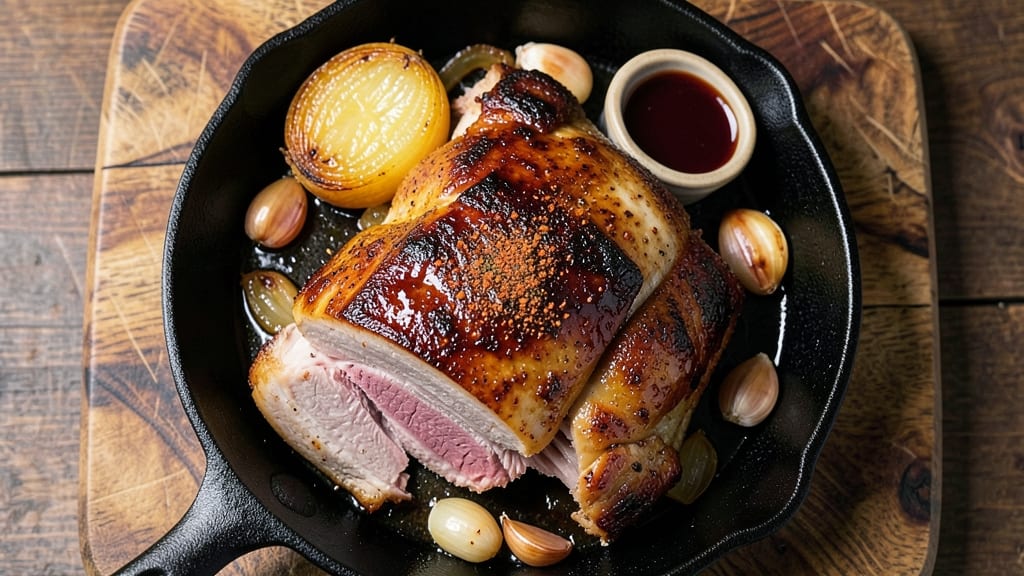
This whole pork shoulder recipe reveals how slow-smoking turns tough meat into melt-in-your-mouth perfection that feeds a crowd with minimal effort. Growing up in small-town Georgia, I learned this technique from my grandmother, who insisted pork shoulder belonged at the center of every family gathering.
The key lies in patience—low temperatures and slow cooking break down collagen-rich muscles into tender, juicy layers while developing that signature caramelized bark.
This method requires just five essential components: a high-quality pork shoulder, a simple dry rub, apple cider vinegar for tenderness, and two hours of undivided attention from your smoker.
I prefer cooking at 225°F for consistency, though heritage breeds like my Gloucestershire Old Spots pigs can handle slightly higher temps without drying out. The magic happens when fat renders slowly, basting the meat from within while creating crispy edges that lock in flavor.
By the time you pull that 10-pound shoulder from the smoker, you'll have a center cut so tender it falls apart at a touch, with a crust so dark it borders on edible char.
The aroma alone will have everyone gathering at your table—smoky, sweet, and deeply satisfying. Serve sliced thick with pickled vegetables and crusty bread to soak up every last drop of that rich, caramelized juices.
This recipe scales beautifully for holidays or large gatherings, and leftovers reheat perfectly for sandwiches the next day. Whether you're smoking over hickory or using your oven's convection setting, the principles remain the same: time, temperature, and respect for the meat.
Let's get started on creating a showstopper that'll have your guests asking for seconds before the plate is even empty.
Ingredients for whole pork shoulder
Five essentials transform a tough pork shoulder into melt-in-your-mouth perfection for a crowd.
| Ingredient | Amount | Notes |
|---|---|---|
| Bone-In Pork Shoulder 🍖 | 10 lb | Heritage breed preferred, thick fat cap |
| Yellow Onion 🧅 | 1 whole | Yellow or red, halved |
| Garlic Cloves 🧄 | 6 cloves | Fresh, peeled, smashed |
| Apple Cider Vinegar 🍏 | ¼ cup | Unfiltered, for tenderness |
| Kosher Salt 🧂 | 2 tbsp | Diamond Crystal preferred |
| Smoked Paprika 🌶️ | 1 tbsp | High quality, no additives |
| Ground Black Pepper 🌶️ | 1 tbsp | Freshly cracked |
| Brown Sugar 🍚 | 1 tbsp | Light or dark, for bark |
| Mustard Powder 🧂 | 1 tsp | Yellow or Dijon |
| Hickory Wood Chips 🌳 | 2 packages | Unsoaked, for smoker |
| Cherry Wood Chips 🍒 | 1 package | Optional, for fruitiness |
| Beef or Chicken Broth 🥫 | ½ cup | Low-sodium, for spritzing |
| Apple Cider 🍎 | ½ cup | For spritzing, optional |
The pork shoulder is your star—look for heritage breeds like Gloucestershire Old Spots or Tamworth at specialty butchers, or grab a 10-pound bone-in cut from Costco or Whole Foods. The thick fat cap is non-negotiable; it renders down to baste the meat from within. If your grocery store doesn’t carry heritage cuts, don’t stress—they’re pricier but not required. Just make sure the meat has a good marbling of fat. I’ve smoked regular commercial cuts from Kroger or Publix with great results, especially when cooked low and slow. The key is patience: a 10-pound shoulder needs 18-24 hours at 225°F to break down properly. If you’re using a convection oven, plan for 3-4 hours at 275°F with foil tented around the meat.
No hickory wood chips? Pecan or oak work just as well—avoid fruitwoods like apple or cherry unless you’re going for a sweeter profile. The apple cider vinegar is a game-changer for tenderness; it tenderizes the collagen while adding a subtle tang. Substitute lemon juice in a pinch, but don’t skip it—it’s what makes the meat fork-tender. For the dry rub, smoked paprika is the secret to that signature bark, but if you’re out, a pinch of liquid smoke (½ tsp) in the spritz mix will mimic the flavor. The brown sugar? It’s not just for sweetness—it helps develop that deep, caramelized crust that’s irresistible. If you’re watching sugar, reduce it to ½ tbsp and add an extra ¼ tsp of mustard powder for depth. And trust me, spritzing every 2 hours with broth or apple cider keeps the meat moist and adds layers of flavor.
Leftovers are a blessing—this pork reheats beautifully for sandwiches or tacos. Store in the fridge for up to 5 days or freeze for 3 months by wrapping tightly in butcher paper, then foil. The bark stays crispy if you reheat it in a 350°F oven for 10-15 minutes with a splash of broth. For serving, slice against the grain into ½-inch thick pieces—that’s how you get the tender, pull-apart texture. If you’re prepping ahead, cook the shoulder a day in advance and let it rest at room temperature before slicing. The flavors deepen as it sits, and the meat becomes even more tender. Portion into containers for easy lunches or potlucks—just reheat with a little extra broth to keep it juicy.
Why You'll Love This Recipe
- Tangy-Caramel Magic: That apple cider vinegar? It’s the secret weapon. It tenderizes the meat while giving it this perfect balance of sweet and sharp—crispy edges, juicy inside, and a bite that lingers.
- Leftovers That Win: Between us, this recipe actually improves the next day. The pork pulls apart like butter, and I’ve turned it into tacos, sandwiches, and even breakfast hash—no one ever complains.
- Budget Stretch: A whole pork shoulder costs less than half per pound than pre-sliced cuts, and it feeds a crowd. Honestly, I’ve made this for game day, potlucks, and lazy Sundays—always a hit, never a flop.
Step-by-step instructions for slow-smoked pork shoulder
Here's how to transform a tough cut into melt-in-your-mouth perfection with crispy bark and tender meat.
Prepare the Rub and Season the Pork
In a small bowl, combine the 2 tablespoons kosher salt, 1 tablespoon smoked paprika, 1 tablespoon ground black pepper, 1 tablespoon brown sugar, and 1 teaspoon mustard powder. Mix thoroughly until the spices are evenly distributed and the sugar dissolves slightly into the salt. This dry rub is the flavor foundation that will penetrate deep into the meat.
Pat the 10 lb bone-in pork shoulder completely dry with paper towels—this is critical for developing that perfect bark. Generously coat all sides of the pork with the rub, pressing it firmly into the meat so it adheres well. Don't forget the thick fat cap; rub it too for maximum flavor and moisture retention. Let the seasoned pork rest at room temperature for 1 hour before smoking. This step ensures even cooking and prevents cold spots in the meat.
Set Up the Smoker for Low and Slow Cooking
Fill a smoker box with the 2 packages hickory wood chips and add the 1 package cherry wood chips (if using) for a balanced smoky-sweet flavor profile. Soak the wood chips in water for 30 minutes if your smoker requires it, then drain well. Preheat your smoker to 225°F using these wood chips—this low temperature is key for tenderizing the tough shoulder meat.
Once the smoker reaches the target temperature and you see steady, thin blue smoke (not thick white steam), place the pork shoulder fat-side up on the smoker grate. The fat will render slowly and baste the meat as it cooks, creating that prized crispy bark. Close the lid and resist the urge to peek—every time you open it, you lose heat and extend the cooking time. Let it smoke undisturbed for 6 hours, maintaining the 225°F temperature throughout.
Spritz and Monitor for the Stall
After 6 hours, prepare the spritz mixture by combining the 0.5 cup beef or chicken broth and 0.5 cup apple cider in a spray bottle. This liquid helps prevent the surface from drying out during the long cook. Every 90 minutes after the initial 6 hours, remove the pork from the smoker and generously spritz all sides with the mixture. Return it to the smoker immediately after spritzing.
Around the 8-10 hour mark, you'll hit "the stall"—the internal temperature will plateau around 165-170°F as moisture evaporates. This is normal and expected. Continue smoking and spritzing every 90 minutes until the internal temperature reaches 200-205°F (use a meat thermometer inserted into the thickest part of the shoulder, avoiding the bone). The pork should now be fork-tender, with a crispy bark forming on the surface.
Wrap and Finish for Maximum Tenderness
Once the pork reaches 200-205°F, remove it from the smoker and wrap it tightly in butcher paper (not aluminum foil). This step, known as the "Texas crutch," helps the pork push through the stall and reach its final tender texture. Return the wrapped pork to the smoker and continue cooking for an additional 1-2 hours until the internal temperature climbs to 208-210°F. The butcher paper allows the bark to remain crispy while ensuring the meat stays moist.
During this final stage, the pork will develop a deep mahogany color and a rich, caramelized crust. The internal temperature will continue to rise slightly even after removing it from the smoker, so don't overcook it. Once it reaches 208-210°F, remove the pork from the smoker and let it rest for 1 hour before slicing. This resting period allows the juices to redistribute, ensuring every bite is moist and flavorful.
Slice and Serve with Confidence
After resting, unwrap the pork and slice it against the grain into ½-inch thick slices. The grain direction will be visible as lines running through the meat—cutting against these lines shortens the muscle fibers, making each bite tender. Serve the pork immediately, garnished with any accumulated juices from the butcher paper. The result should be a perfect balance of crispy bark, tender meat, and deep, smoky flavor.
This method guarantees a juicy, caramelized pork shoulder that falls apart with a gentle pull. The slow smoking process transforms the tough cut into a melt-in-your-mouth masterpiece, ideal for sandwiches, tacos, or serving with your favorite sides. Enjoy the fruits of your labor—every slice will be a testament to your patience and skill!
Pro Tips For Making Whole Pork Shoulder
- Trim the Fat Cap: That thick layer of fat on the pork shoulder? Don’t cut it off—it renders down into flavor gold. If it bothers you, score it in a crosshatch pattern with a sharp knife so it crisps instead of steaming.
- Salt the Onions: Toss your sliced onions with a pinch of kosher salt before cooking. It softens them faster and keeps them from turning bitter—no more waiting around for them to actually caramelize.
- Don’t Rush the Vinegar: If you’re braising or slow-roasting, add apple cider vinegar after the pork has browned. Dumping it in too early just steams the meat instead of tenderizing it—wait until the pan’s hot and the pork’s got color.
- Check Internal Temp Twice: Pull the pork at 195°F, but let it rest 30 minutes before slicing. The meat will firm up and hold together—no sad, stringy shreds. (Yes, even if you’re impatient like me.)
Flavor customization for whole pork shoulder
Smoky-Sweet Variations
For a deeper smoky profile, swap hickory for 100% pecan wood chips—they burn hotter and create a richer, almost buttery smoke. I often mix equal parts hickory and pecan for a balanced flavor that still delivers that classic BBQ depth.
If you want fruitiness, add ½ cup apple wood chips during the final 2 hours of cook time for a subtle sweetness that pairs beautifully with the pork's natural richness. 🌳
Spicy Heat Options
Add 1 tablespoon cayenne pepper or 2 tablespoons chipotle powder to your dry rub for a kick. For built-in heat, inject ½ cup of homemade hot sauce (like my Georgia Reaper Habanero blend) into the meat before smoking.
If you prefer milder heat, try 1 teaspoon smoked paprika + ½ teaspoon cayenne—just enough to wake up the flavors without overwhelming them. Always taste your rub before applying to avoid overdoing it.
Herb-Infused Bark
Swap brown sugar for 1 tablespoon each of rosemary and thyme (finely chopped) mixed with 1 tbsp honey for a fragrant, herbaceous bark. The honey caramelizes beautifully while adding a touch of sweetness. For a Mediterranean twist, add 1 tsp dried oregano and ½ tsp lemon zest to the rub.
These herbs pair wonderfully with the smoky base, creating a complex flavor profile that feels both familiar and exciting. 🌿
Sweet and Tangy Glaze
Brush the pork with a homemade glaze during the final 2 hours of cooking: mix ½ cup apple cider vinegar, ¼ cup brown sugar, and 1 tbsp smoked paprika, then simmer until thickened.
For a sticky finish, try ½ cup BBQ sauce (like Sweet Baby Ray's) mixed with 1 tbsp liquid smoke. The glaze adds a glossy, caramelized crust that clings to every slice, making it irresistible. Apply generously but avoid over-saucing to prevent burning.
Global Fusion Twists
For a Carolina-style finish, add 1 tbsp brown sugar and ½ tsp cayenne to your rub, then spritz with ½ cup vinegar-based Carolina Gold sauce during the last hour.
For Asian-inspired flavors, inject the pork with 1 cup of soy sauce + 1 tbsp ginger before smoking, then finish with a sesame glaze (mix 2 tbsp soy sauce, 1 tbsp honey, and 1 tsp toasted sesame oil).
These fusions surprise and delight while keeping the core technique intact. 🌍
Dry Rub Alternatives
Skip the brown sugar entirely and use 1 tbsp coffee grounds (instant or finely ground) for a deep, earthy bark. For a mustard-based rub, replace the smoked paprika with 2 tbsp Dijon mustard powder and 1 tsp garlic powder—this adds tangy complexity.
If you love umami, add 1 tbsp fish sauce to your spritz mix for a Southeast Asian-inspired depth. Each variation transforms the pork into something uniquely yours while keeping the tenderizing process intact. 💡
Nutrition facts
Frequently asked questions
Can I cook a whole pork shoulder in the oven instead of a smoker?
Preheat your oven to 275°F and place the pork shoulder fat-side up on a rack in a roasting pan. Tent loosely with foil and cook for 3-4 hours, then remove the foil and increase heat to 325°F for another 1-2 hours until the internal temperature reaches 208-210°F. Spritz with broth every 90 minutes for moisture. The convection setting works best for even heat distribution.
How do I know when the pork shoulder is done?
Use a meat thermometer to check the internal temperature in the thickest part of the shoulder (avoiding the bone). The pork is ready when it reaches 208-210°F. The "stall" around 165°F is normal—keep cooking until you hit the target temp. The meat should pull apart easily with two forks, and the bark should be deep mahogany with crispy edges.
What's the best way to store and reheat leftovers?
Store leftovers in an airtight container in the fridge for up to 5 days or freeze for 3 months by wrapping tightly in butcher paper. To reheat, place slices in a 350°F oven for 10-15 minutes with a splash of broth to keep them juicy. For sandwiches, reheat in a skillet over medium heat until warmed through.
Why did my pork shoulder turn out dry?
Overcooking is the most common cause—remove the pork when it hits 208°F and let it rest. Another issue could be opening the smoker too often (losing heat) or not using enough fat (the cap should be thick). For oven cooking, avoid high heat—stick to 275°F or lower. Always use a meat thermometer to avoid guesswork.
Can I use a different cut of pork instead?
This recipe works best with a bone-in pork shoulder (butt) because of its fat content and collagen. A pork butt (same cut, different name) works identically. Avoid leaner cuts like tenderloin—they lack the fat needed for juicy results. If using a smaller cut (5 lbs), reduce cooking time by about 2 hours but monitor closely.