
Main Courses
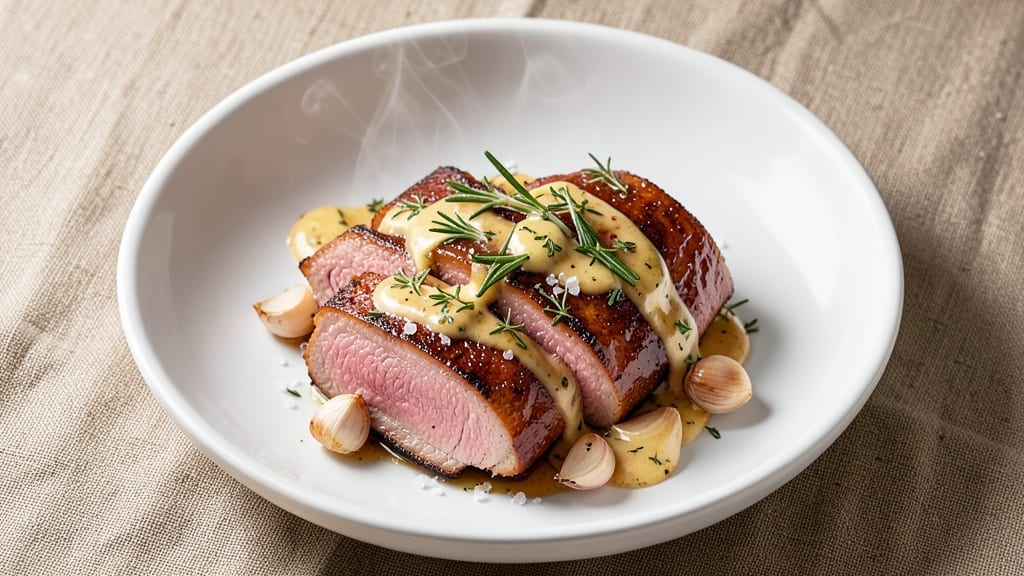
Mastering Gordon Ramsay's pork tenderloin recipe transforms simple ingredients into a restaurant-quality masterpiece that's surprisingly approachable at home. The secret lies in a precise herb crust and perfect pan-searing technique that delivers tender, juicy meat with a golden crust every time.
I've replicated this method countless times—it's the dish that finally convinced skeptics that home cooking can rival professional results.
This recipe focuses on three critical techniques: creating a flavorful herb crust, searing the pork to lock in juices, and achieving the perfect internal temperature without drying it out.
With just five key ingredients and 25 minutes of active time, you'll have a dish that looks impressive yet requires minimal effort. The herb crust adds aromatic depth while staying intact during cooking, ensuring every bite is packed with flavor.
What makes this pork tenderloin truly special is how it balances tenderness and texture—the crust stays crispy while the interior remains moist and melt-in-your-mouth perfect. The pan-searing method creates a caramelized exterior that seals in those juices, while basting with butter during cooking adds a rich, savory finish.
This is the kind of dish that elevates weeknight dinners into something memorable without requiring hours in the kitchen.
The beauty of this recipe extends beyond the main course—it pairs beautifully with roasted vegetables, creamy mashed potatoes, or a crisp green salad. Once you've perfected this technique, you'll find yourself reaching for pork tenderloin again and again.
Let's get started with the proven method that delivers professional results at home.
Ingredients for gordon ramsay pork tenderloin
Five simple ingredients transform into a restaurant-quality pork tenderloin masterpiece with golden crust and melt-in-your-mouth perfection.
| Ingredient | Amount | Notes |
|---|---|---|
| Pork Tenderloin 🐖 | 1 ½ lb | Center-cut for even cooking |
| Unsalted Butter 🧈 | ½ cup | Cold, cut into 8 pieces |
| Fresh Rosemary 🌿 | ¼ cup | Finely chopped, fresh preferred |
| Fresh Thyme 🌿 | ¼ cup | Leaves only, finely chopped |
| Garlic Cloves 🧄 | 4 cloves | Minced, fresh preferred |
| Diamond Crystal Kosher Salt 🧂 | 1 ½ tbsp | For seasoning and crust |
| Freshly Ground Black Pepper 🌶️ | 1 tsp | Freshly cracked for best flavor |
| All-Purpose Flour 🌾 | ¼ cup | For dredging herb crust |
| Extra-Virgin Olive Oil 🫒 | 2 tbsp | For searing and basting |
The pork tenderloin is your canvas here—center-cut, uniform pieces are non-negotiable for even cooking. Grab the thickest cut you can find; Costco or Whole Foods usually have the best quality. Fresh herbs make all the difference—Trader Joe's has great bundles of rosemary and thyme that stay vibrant longer. For the garlic, roast it first (wrap whole cloves in foil, toss in a 400°F oven for 15 minutes) to mellow its sharpness and add sweetness. The butter needs to be cold when you start—take it out of the fridge 20 minutes before you begin so it's workable but still holds shape.
No fresh rosemary? Dried at half the amount works, but you'll lose that aromatic depth. Short on thyme? Fresh oregano is a decent swap, though it has a slightly different profile. The flour is just for the crust—don't skip it, as it helps the herb mixture stick. For the olive oil, avoid the cheap stuff—look for a peppery, fruity variety like California Extra Virgin. The kosher salt is crucial; Diamond Crystal dissolves more easily than table salt, so adjust to taste. Preferring a different cut? Chicken breast works too, but increase cooking time by 2-3 minutes.
This recipe reheats beautifully—warm in the oven at 350°F for 10 minutes with a splash of water to keep it moist. The herb crust stays crispy for 3 days in the fridge if stored properly: wrap tightly in plastic wrap, then foil. For longer storage, freeze portions for up to 3 months. I like to slice it after cooking and freeze individual portions—perfect for quick lunches. The leftovers make amazing sandwiches with a smear of Dijon mustard and arugula. Trust me, the second day is even better than the first.
Why You'll Love This Recipe
- One-Pan Magic: I swear by this recipe when I’m too tired to scrub pots—just sear the pork, baste with butter and herbs, and let the oven do the work. That crispy skin and fragrant garlic-rosemary butter? All from one sheet pan.
- Crispy-Creamy Perfection: The secret’s in the butter—melted, garlic-infused, and brushed on while it rests. You get that golden crust outside with juicy, tender meat inside. Honestly, it’s the kind of dish that makes you want to eat dinner at 6 PM instead of 8.
- Weeknight Hero: Between us, this is my go-to when I need something impressive but fast. Serve it with roasted veggies or mashed potatoes, and suddenly you’re hosting a dinner party. (Yes, even on a Tuesday night.)
- Budget-Friendly Luxury: Pork tenderloin is lean and affordable, and a single roast feeds four with leftovers that reheat beautifully. Freeze extras for lazy days—just thaw and reheat in butter. My wallet and taste buds both win.
Step-by-step instructions for Gordon Ramsay's herb-crusted pork tenderloin
This isn't just another pork tenderloin recipe—it's a showstopper with crispy crust and melt-in-your-mouth tenderness.
Create the Herb Butter and Season the Pork
In a small bowl, combine the 0.5 cup unsalted butter, 0.25 cup fresh rosemary, 0.25 cup fresh thyme, 4 minced garlic cloves, 1.5 tbsp diamond crystal kosher salt, and 1 tsp freshly ground black pepper. Mix until the butter is fully incorporated and the herbs are evenly distributed. This aromatic compound butter will become the secret weapon for flavor infusion.
Pat the 1.5 lb pork tenderloin completely dry with paper towels—this is non-negotiable for achieving that perfect crust. Season the pork generously with additional salt and pepper, pressing it into every crevice. The dry surface ensures maximum browning while the salt enhances moisture retention during cooking.
Sear the Pork for Maximum Flavor Development
Heat a heavy skillet over medium-high heat until it's screaming hot. Add the 2 tbsp extra-virgin olive oil and swirl to coat the pan evenly. Place the pork tenderloin in the skillet and sear for 3-4 minutes per side, pressing down gently with a spatula during the first minute to prevent curling. You're looking for deep golden-brown color and a crust that releases easily from the pan.
Remove the pork and let it rest on a wire rack for 5 minutes—this resting period is crucial for redistributing juices. While it rests, reduce the heat to medium and add the herb butter mixture to the same skillet. Let it melt completely, scraping up all those delicious browned bits from the bottom of the pan. This pan sauce will later baste your pork to perfection.
Build the Herb Crust and Finish Cooking
Return the pork to the skillet and spoon the melted herb butter generously over the top. Sprinkle the 0.25 cup all-purpose flour evenly over the pork, then tilt the pan to coat all sides completely. The flour acts as a binder for our herb crust while adding texture. Return the skillet to medium heat and cook for 2-3 minutes, basting frequently with the pan juices until the crust is golden and crispy.
Transfer the pork to a cutting board and let it rest for 10-15 minutes before slicing. This final rest period ensures the juices redistribute throughout the meat, guaranteeing each slice is as tender as it is flavorful. The crust should be perfectly crisp while the interior remains pink and juicy—exactly what makes this pork tenderloin a restaurant-quality masterpiece.
Slice and Serve with Confidence
Using a sharp chef's knife, slice the pork tenderloin into ½-inch thick medallions against the grain. The knife should glide through the meat with minimal resistance, indicating perfect doneness. Arrange the slices on a warm platter and spoon any remaining pan sauce over the top. The contrast between the crispy herb crust and tender pink center is what makes this dish truly exceptional.
Serve immediately with your choice of sides—roasted vegetables, mashed potatoes, or a fresh green salad all complement this herb-crusted pork beautifully. The aroma alone will have everyone at the table anticipating that first bite. This isn't just dinner; it's an experience that delivers restaurant-quality results in your own kitchen.
Pro Tips For Making Gordon Ramsay Pork Tenderloin
- USE A MEAT THERMOMETER: This isn’t optional—pork tenderloin hits 145°F fast, and overcooking turns it dry. I used to eyeball it and always ended up with meat that looked perfect but tasted like cardboard. Bury the probe in the thickest part, pull it at 140°F, then let it rest. That 5-degree buffer is your safety net.
- SALT THE PORK TWO HOURS EARLY: Fresh pork tenderloin is bland until it cures. Sprinkle kosher salt all over the surface (about 1 tsp per pound) and let it sit uncovered in the fridge—this seasons deeper and tightens the fibers. Skip this, and your butter-herb crust will taste like it’s fighting for flavor. (I know, I know—you’re in a hurry, but trust me on this.)
- SEAR IN BATCHES OR IT STEAMS: A crowded pan turns your sear into a sad, greasy bath. Cut the pork into even 1-inch chunks and work in batches—two at a time max—so the butter sizzles hot and golden, not bubbles. Cold butter? Start with room-temperature butter and add a splash of pork fat to the pan first. That’s how you get the crust Ramsay brags about.
- STOP STIRRING WHEN IT’S GOLDEN: Once those butter-herb chunks form a crust, leave them alone. I learned this after flipping mine into mush every time. Let the pan do the work—just tilt and spoon any loose butter over the top. If you’re nervous, set a timer for 2 minutes and walk away. That crust is your reward for patience.
Pro cooking tips for this recipe
Perfect Searing Technique
Use a heavy cast-iron skillet like Lodge 10.25-inch—it retains heat better than stainless steel and creates that perfect crust. Heat it until it's screaming hot (a drop of water should sizzle violently).
Add the pork and press down gently with a spatula during the first 30 seconds to prevent curling. This ensures even contact with the pan for maximum browning. 🔥
Herb Butter Timing
The herb butter should melt completely but not brown—this happens at medium heat for about 2-3 minutes. If it starts to darken, remove from heat immediately. The butter acts as a basting sauce, so keep it warm until you're ready to coat the pork.
I like to use European-style unsalted butter (like Plugrá) for its higher fat content and cleaner flavor.
Flour Crust Secret
The all-purpose flour isn't just for texture—it creates a light adhesive that helps the herb mixture stick to the pork. Sprinkle it evenly over the pork while it's still warm from searing, then tilt the pan to coat all sides completely.
The flour will crisp up beautifully while absorbing the pork's natural juices, creating that signature crust. 💫
Resting is Critical
Never skip the 10-15 minute rest after cooking—this allows the juices to redistribute throughout the meat. I've seen home cooks cut into pork too soon and end up with dry slices.
Place the pork on a wire rack (not a plate) to allow air circulation, which helps maintain that crispy crust. The internal temperature should be 145°F when removed from heat.
Knife Skills Matter
Use a sharp chef's knife (like Wüsthof 8-inch) and slice the pork against the grain in ½-inch thick medallions. The knife should glide through with minimal resistance.
If you're struggling, your knife might be dull—take 30 seconds to sharpen it before slicing. The proper cut ensures maximum tenderness in each bite.
Pan Sauce Perfection
After removing the pork, keep that skillet warm and scrape up every last bit of browned fond from the bottom. Deglaze with 1-2 tablespoons of white wine (like Sauvignon Blanc) if you have it, then reduce by half.
This pan sauce should be rich and flavorful—spoon it generously over the sliced pork before serving. It's the finishing touch that elevates this dish from good to restaurant-quality. 🍷
Nutrition facts
Frequently asked questions
Can I substitute chicken breast for pork tenderloin in this recipe?
Yes, but you'll need to adjust the cooking time. Chicken breast is leaner and cooks faster—expect 2-3 minutes less per side. Use the same herb butter crust, but reduce the final resting time to 5-8 minutes since chicken stays juicy with less resting. The technique remains identical, just watch the internal temperature closely (165°F for chicken).
Why does my herb crust keep falling off?
This usually happens when the pork isn't properly dried or the herb butter isn't fully melted before coating. Pat the pork completely dry with paper towels first, then ensure the herb butter is warm and spreadable. The flour acts as glue—sprinkle it evenly while the pork is still warm from searing, then tilt the pan to coat all sides thoroughly.
How do I know when the pork is fully cooked?
Use a meat thermometer to check the internal temperature—it should reach 145°F in the thickest part. The crust will be golden and crispy, but don't rely on color alone. For pork tenderloin, the center should still be slightly pink (not red) when sliced. If you don't have a thermometer, cut into the thickest part—juices should run clear, not pink.
Can I make this ahead of time?
Cook the pork tenderloin completely, then let it cool before wrapping tightly in plastic wrap and refrigerating for up to 3 days. Reheat in a 350°F oven for 10-15 minutes with a splash of water or broth to keep it moist. The crust may soften slightly, but the flavor remains intact. For longer storage, freeze cooked slices for up to 3 months.
What's the best way to serve this dish for a special occasion?
Plate the sliced pork tenderloin on a warm platter with a drizzle of the pan sauce, then garnish with fresh rosemary sprigs and lemon wedges. Pair it with creamy mashed potatoes, roasted asparagus, or a crisp green salad with a balsamic vinaigrette. For an extra touch, arrange the slices on a bed of wilted spinach or sautéed mushrooms to elevate the presentation.