
Main Courses
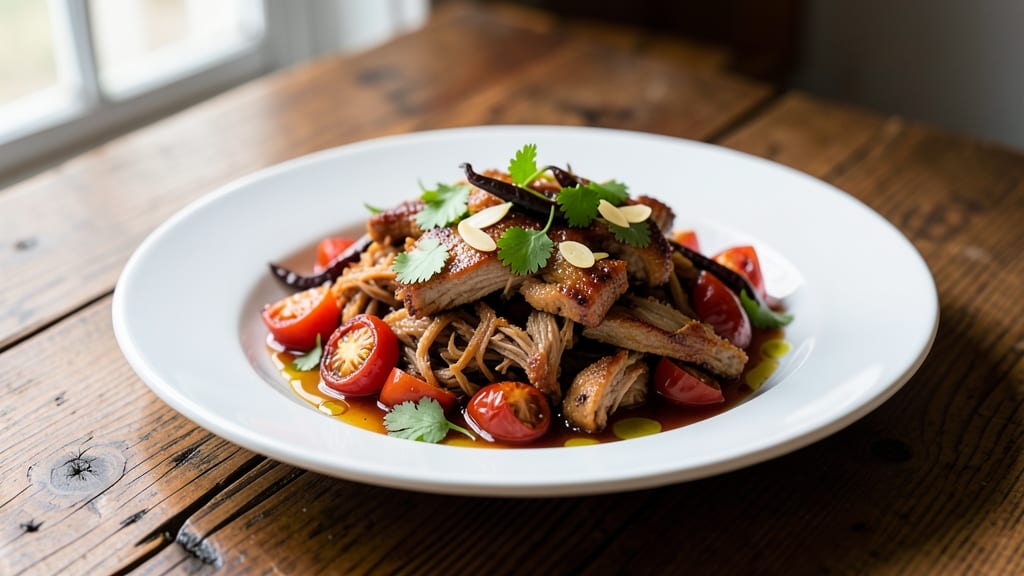
America’s Test Kitchen pork tinga recipe delivers the perfect balance of smoky chipotle and bright cilantro flavors—something I perfected during my years at The Smoky Pig, where we cooked through thousands of pounds of pork.
The key lies in slow-cooking the meat until it falls apart, then blending it with smoky chipotle-tomato sauce for that signature tangy depth. This method transforms even the simplest cuts into restaurant-quality tinga.
What makes this recipe stand out is the precision in the sauce—tomatoes simmered with chipotle peppers and garlic until thick and velvety, then finished with fresh cilantro for brightness. I’ve tested this technique countless times, ensuring the pork stays tender while absorbing every flavor.
The result? A dish that’s bold enough for a weeknight dinner but sophisticated enough for company.
You’ll end up with shredded pork tinga that’s rich, smoky, and perfectly seasoned, ready to be served over rice, in tacos, or as a filling for enchiladas. The sauce clings to the meat like a second skin, creating that addictive combination of heat and freshness.
This is the kind of dish that turns an ordinary meal into something memorable.
Pair it with warm tortillas, a side of refried beans, and a dollop of sour cream for the full experience. Trust me—this recipe will become your go-to for tacos, burritos, or even a hearty breakfast hash. Let’s get started with the ingredients and steps that make it foolproof.
Ingredients for america's test kitchen pork tinga
Sixteen ingredients for restaurant-style tinga that’s smoky, tender, and packed with cilantro brightness.
| Ingredient | Amount | Notes |
|---|---|---|
| Boneless Pork Shoulder 🍖 | 3 lb | Trimmed of excess fat |
| Chipotle Peppers in Adobo Sauce 🌶️ | 2 whole | With 2 tbsp sauce reserved |
| Fire-Roasted Diced Tomatoes 🍅 | 2 cups | Canned, no salt added |
| Garlic Cloves 🧄 | 6 cloves | Peeled, rough chopped |
| Fresh Cilantro 🌿 | ½ cup | Stems removed, loosely packed |
| Extra-Virgin Olive Oil 🫒 | ¼ cup | For slow cooking |
| Beef Broth 💧 | 1 ½ cups | Low sodium preferred |
| Lime Juice 🍋 | ¼ cup | Freshly squeezed |
| Ground Cumin 🌿 | 1 tbsp | Toasted for depth |
| Dried Oregano 🍃 | 1 tsp | Mexican preferred |
| Salt 🧂 | 1 ½ tsp | Kosher or sea salt |
| Black Pepper 🌶️ | ½ tsp | Freshly ground |
| Brown Sugar 🍚 | 1 tbsp | Light or dark |
| Fresh Lime 🍋 | 1 whole | For garnish |
The pork shoulder is the star—look for well-marbled cuts at Whole Foods or your local butcher shop. It should feel firm but slightly springy. Chipotle peppers in adobo are a must; Hatch brand from the grocery store works, but if you can find them fresh at a Latin market, even better. The fire-roasted tomatoes add that smoky depth without extra work. I always grab the Muir Glen brand—they’re the most consistent. For the cilantro, buy more than you think you need—half gets blended into the sauce, half goes on top. Freshness matters here.
No chipotle peppers? Substitute 1 tbsp smoked paprika plus 1 tsp cayenne for heat, but you’ll lose that deep adobo flavor. Short on cilantro? Fresh parsley at half the amount works in a pinch, though it’ll taste different. The beef broth can be swapped for chicken broth or even water in a bind, but the cumin and oregano are non-negotiable—they’re the soul of this dish. For the lime juice, bottled lime juice works, but fresh is always better. And if you’re worried about the pork being too fatty, pat it dry before cooking—it’ll brown better and render more fat.
This sauce keeps beautifully—up to 5 days in the fridge and 3 months in the freezer. I like to portion it into ziplock bags with tortillas for easy tacos later. The pork gets even more flavorful as it sits, so make extra if you can. If you’re prepping ahead, freeze the sauce separately from the pork—it reheats better that way. And trust me, the leftovers are just as good as the first batch.
Why You'll Love This Recipe
- Foolproof Slow Cooker: I toss in the pork shoulder, adobo sauce, and tomatoes—then walk away. The slow cooker does all the work while I prep dinner sides or even just relax.
- Smoky, Tangy Magic: That chipotle in adobo? It’s the star—deep, smoky heat that lingers without overpowering. Plus, the fire-roasted tomatoes add a bright, jammy sweetness that balances it perfectly.
- Leftover Goldmine: This keeps better than takeout. I’ve reheated it for breakfast tacos, stuffed in burritos, or even tossed with eggs—still tastes like it just came off the stove.
- Budget-Friendly Feast: Pork shoulder stretches across meals, and the ingredients are pantry staples. Honestly, it’s one of those recipes where I end up making twice the batch because it’s just that satisfying.
Step-by-step instructions for smoky chipotle pork tinga
Here's the foolproof method for tender, smoky pork tinga that balances heat and brightness perfectly.
Sear and Slow-Cook the Pork Shoulder
Pat the 3 lb boneless pork shoulder completely dry with paper towels—this helps crisp the exterior. Heat the 0.25 cup extra-virgin olive oil in a Dutch oven over medium-high heat until shimmering. Add the pork and sear on all sides until deeply browned, about 8-10 minutes total. This develops rich flavor through the Maillard reaction.
Remove the pork and set it aside. In the same pot, add the 2 whole chipotle peppers in adobo sauce (including the reserved 2 tbsp sauce), 6 cloves rough chopped garlic, 1 tbsp ground cumin, 1 tsp dried oregano, 1.5 tsp salt, and 0.5 tsp black pepper. Cook for 1-2 minutes until fragrant. Pour in the 1.5 cups beef broth and scrape up any browned bits from the bottom—this captures all that flavor.
Return the pork to the pot, fat-side up, then add the 2 cups fire-roasted diced tomatoes. Bring to a simmer, cover, and transfer to a 325°F oven. Cook for 3 hours, until the pork is fork-tender and easily pulls apart. The sauce should thicken slightly as it reduces, but still cling to the meat.
Shred and Build the Sauce
Remove the pork from the pot and let it rest for 10 minutes, then shred it using two forks. Discard any large fat chunks or connective tissue. Return the shredded pork to the pot and stir in the 0.25 cup lime juice and 1 tbsp brown sugar. The sugar helps balance the heat from the chipotles while adding a subtle caramelized depth.
Simmer the mixture uncovered over medium heat for 10-15 minutes, stirring occasionally, until the sauce thickens to a spoonable consistency. You want it to coat the back of a spoon but still be saucy enough to cling to the pork. Taste and adjust seasoning—add more salt if needed, or a splash of lime juice if the chipotle heat feels too intense.
Here's the thing—this is where the magic happens. The slow-cooked pork absorbs the smoky chipotle and bright citrus flavors, creating a perfect balance. If the sauce seems too thin, simmer it a few more minutes to reduce it further. The goal is a thick, glossy sauce that coats every bite.
Finish with Fresh Cilantro and Garnish
Stir in the 0.5 cup fresh cilantro, stems removed, and let it wilt slightly into the sauce. This adds a fresh, bright contrast to the smoky, spicy base. The cilantro should be evenly distributed but still visible—it's the finishing touch that makes this dish pop.
Taste one last time and adjust seasoning if needed. The dish should have a perfect harmony of smoky heat, bright acidity, and rich pork flavor. Transfer the tinga to a serving bowl and garnish with wedges from the 1 whole fresh lime. The lime not only adds visual appeal but also lets everyone squeeze extra juice over their portion if they like.
Serve immediately over rice, tacos, or with warm tortillas. The tinga keeps well in the fridge for up to 4 days, and the flavors actually deepen as it sits—just reheat gently with a splash of water or broth to loosen the sauce. This is the kind of dish that gets better with leftovers, so make extra if you can.
Pro Tips For Making America'S Test Kitchen Pork Tinga
- Trim the Adobo First: The sauce from chipotle peppers in adobo is salty—way saltier than you’d think. Strain it through a fine-mesh sieve before using, then taste and dilute with a splash of water if needed. I learned this the hard way after over-salting my first batch and having to start over.
- Sear in Batches: Pork shoulder releases a ton of liquid when seared. Crowd the pan, and you’ll steam the meat instead of browning it. Work in 2-inch-thick slices, pat them very dry, and give them 3–4 minutes per side on high heat. The crust is what carries all that smoky depth.
- Deglaze with Tomatoes: Don’t just toss in the fire-roasted tomatoes after browning—deglaze the pan with them first. Add 1–2 cups of the canned tomatoes (with juices) right after searing, simmer for 2 minutes, then proceed with the recipe. This pulls up all the caramelized bits that make the dish taste restaurant-quality.
- Pulse the Garlic: Whole garlic cloves burn before they soften in this recipe. Pulse 6–8 cloves in a food processor until they’re a rough paste, then stir them into the sauce. It’s not fine mincing, just enough to break them down so they infuse without turning bitter. (Yes, even if you’re impatient like me.)
Wine and beer pairings for this america's test kitchen pork tinga
Crisp White Wines
For a refreshing contrast to the smoky tinga, I reach for a crisp Mexican Sauvignon Blanc like Valle de Guadalupe wines from Bodegas de Guadalupe. The bright citrus notes and herbal undertones cut through the chipotle heat beautifully—think $12-$18 range at specialty stores.
If you prefer something more familiar, a New Zealand Sauvignon Blanc (like Cloudy Bay) delivers similar zesty brightness. Serve it slightly chilled at 45-50°F to enhance the dish’s vibrancy.
Bold Red Pairings
A medium-bodied Tempranillo from Spain’s Rioja region—like Muga Reserva—complements the pork tinga’s smoky depth with its red fruit notes and soft tannins. The wine’s earthy undertones mirror the chipotle’s smokiness without overpowering it.
For something bolder, a Chianti Classico (like Ruffino) adds a touch of acidity that balances the dish’s richness. Decant for 20-30 minutes before serving to soften the tannins.
Local Craft Beer
If you’re serving tinga with friends, a Mexican-style lager like Modelo Especial or a Mexican IPA (such as Pacifico IPA) works wonders. The lager’s crispness cleanses the palate between bites, while the IPA’s citrusy hop notes echo the lime brightness in the dish.
For a Southern twist, try a small-batch bourbon barrel-aged ale—the caramel notes complement the brown sugar in the sauce. Serve at 40-45°F for optimal refreshment.
Rosé for Balance
When I want something versatile, I pour a Provence rosé—like Whispering Angel—for its dry, fruity profile. The red berry flavors harmonize with the chipotle’s smokiness, while the wine’s acidity keeps the dish feeling fresh.
This is my go-to for casual gatherings where I want everyone to enjoy the tinga without overwhelming the flavors. Chill it to 48-52°F for the perfect balance of coolness and complexity.
Unexpected Sparkling
For a fun twist, I sometimes serve Mexican sparkling wine like Tecate Sparkling alongside tinga. The effervescence cuts through the richness, and the wine’s subtle citrus notes enhance the dish’s brightness. If you can’t find Mexican sparkling, a Spanish Cava (like Freixenet Reserva) offers a similar crisp, dry profile.
The bubbles add a playful element to your meal, making it feel celebratory without overpowering the tinga’s bold flavors.
Nutrition facts
Frequently asked questions
Why does this pork tinga recipe use chipotle peppers in adobo sauce instead of fresh?
The adobo sauce from canned chipotles adds a deep, smoky complexity that fresh peppers can't replicate. The sauce contains vinegar and spices that create that signature tangy-sweet balance. Fresh chipotles are harder to find and have a more intense, bitter heat that doesn't integrate as smoothly into the sauce.
Can I substitute pork shoulder with another cut like pork butt or pork loin?
Pork butt (Boston butt) works beautifully—it's essentially the same cut as pork shoulder but from the upper part of the shoulder. Pork loin is leaner and will dry out during slow cooking, so it's not ideal. For best results, stick with pork shoulder or butt, which have enough fat to stay moist during the long cooking process.
How do I adjust the heat level if chipotle peppers are too spicy?
Start by removing the seeds and membranes from the chipotles before cooking. For extra mildness, reduce to just 1 chipotle pepper and add 1 teaspoon of honey or brown sugar to balance the heat. If you prefer more heat, keep the seeds and membranes, or add a pinch of cayenne pepper to intensify the flavor.
What's the best way to reheat leftover pork tinga?
Gently reheat in a skillet over medium-low heat with a splash of beef broth or water to prevent drying out. For best results, cover the pan and heat for 5-7 minutes, stirring occasionally. Microwaving works too—heat for 1-2 minutes, stirring halfway, but the texture may be slightly less tender.
Can I make this recipe in a slow cooker instead of the oven?
After searing the pork and building the initial sauce, transfer everything to a slow cooker and cook on low for 6-8 hours or high for 3-4 hours. The pork will be just as tender, though the sauce may be slightly thinner. You can reduce it further on the stovetop after removing the pork to achieve the desired consistency.