
Main Courses
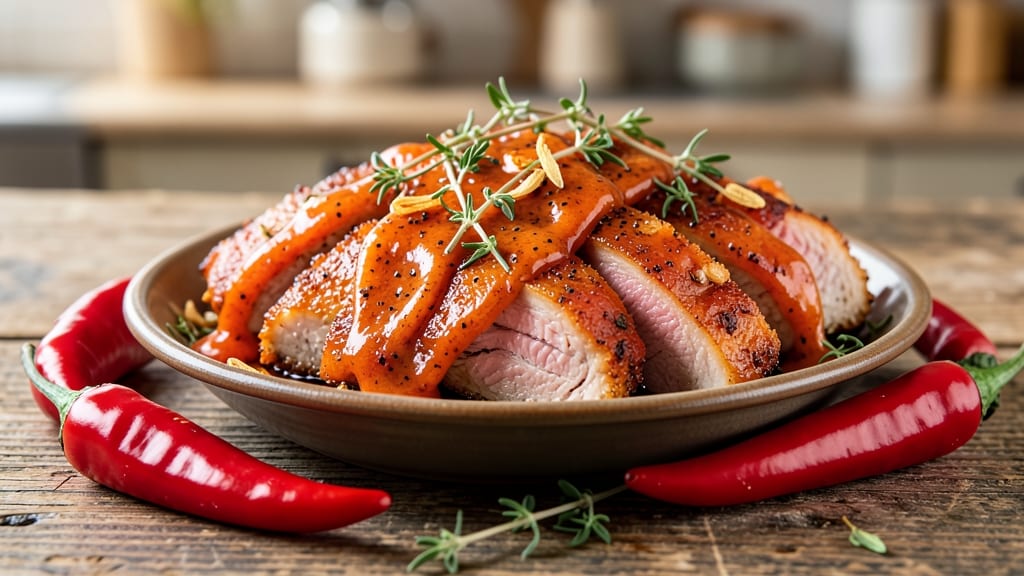
This authentic mojo pork recipe brings the bold, aromatic flavors of Jamaica straight to your kitchen with a marinade so potent it transforms tough pork into melt-in-your-mouth perfection.
Growing up in small-town Georgia, I first tasted mojo pork at a Caribbean festival where the scent of allspice, Scotch bonnet peppers, and thyme filled the air—it changed how I approached pork forever.
The key lies in marinating the meat for at least 24 hours, allowing the spices to penetrate deeply while tenderizing even the toughest cuts.
The beauty of this recipe is its simplicity—just six core ingredients create a marinade that packs a punch without overwhelming the natural sweetness of the pork. I use a blend of Scotch bonnet peppers for heat, allspice for warmth, and a splash of vinegar to brighten the flavors.
The result? Juicy, flavorful pork with a caramelized crust that’s impossible to resist, served alongside steamed rice and fried plantains for the full Jamaican experience. This isn’t just a dish; it’s a celebration of Caribbean boldness in every bite.
What makes this recipe truly special is the balance of heat and sweetness, a hallmark of authentic Jamaican cooking. The marinade’s acidity tenderizes the meat while the spices infuse it with layers of flavor that build with each bite.
Whether you’re grilling, roasting, or braising, the technique remains the same: slow cooking to develop depth, then finishing with a sear for that signature crust. The aroma alone will have your guests asking for seconds before the first plate is served.
Perfect for weekend gatherings or when you crave a meal that feels like a vacation, this mojo pork delivers restaurant-quality results with minimal effort. The marinade doubles as a sauce, so you won’t waste a drop—just pour it over the pork and let the flavors shine.
Let’s bring the fire of Jamaica to your table.
Ingredients for authentic mojo pork
Six bold flavors transform simple pork into Jamaican fire—no shortcuts, just authentic taste.
| Ingredient | Amount | Notes |
|---|---|---|
| Pork Shoulder 🥩 | 3 lb | Bone-in for flavor, cut into 2-inch chunks |
| Scotch Bonnet Peppers 🌶️ | 2 whole | Seeds removed for less heat |
| Ground Allspice 🌿 | 2 tbsp | Freshly ground for maximum aroma |
| Fresh Thyme 🍃 | ¼ cup | Stems removed, loosely packed |
| White Vinegar 💧 | ½ cup | White or apple cider vinegar |
| Brown Sugar 🍯 | ¼ cup | Light or dark brown sugar |
| Garlic Cloves 🧄 | 6 cloves | Peeled and roughly chopped |
| Olive Oil 🫒 | ½ cup | Extra-virgin for richness |
| Salt 🧂 | 1 ½ tbsp | Kosher or sea salt |
| Black Peppercorns 🌶️ | 1 tsp | Freshly cracked |
| Scotch Bonnet Pepper Seeds 🔥 | 1 tsp | Optional for extra heat |
| Bay Leaves 🌿 | 2 whole | For depth of flavor |
The Scotch bonnet peppers are non-negotiable here—they bring that signature Jamaican heat. Find them at Latin markets or specialty stores, not the regular grocery section. If you can't get them, habanero peppers work in a pinch, but reduce the amount by half. Fresh thyme matters too—dried won’t cut it. Trader Joe's carries good quality, or grab a bunch from the farmers market. The pork shoulder? Bone-in, cut into 2-inch chunks—this is where the real flavor hides. If your butcher doesn't have it pre-cut, ask them to do it for you. The allspice? Grind it fresh if you can—it makes all the difference in that warm, spicy depth.
No Scotch bonnet peppers? Habanero or even a mix of cayenne and bell pepper gets you close, but you'll lose that authentic Jamaican punch. Fresh thyme? Dried oregano at one-third the amount works in a bind, but it won't be the same. The vinegar is key for tenderizing—white or apple cider both work. No brown sugar? White sugar plus a pinch of cinnamon mimics the caramel notes. The garlic can be minced or crushed—don't skip this step. It's the backbone of the flavor. And if you're worried about heat, save those Scotch bonnet seeds for garnish—just a sprinkle on top at the end.
This marinade keeps for 5 days in the fridge, so make extra—it doubles as a sauce. The pork? Marinate 24 hours minimum, but 48 is better. Freeze the marinade in ice cube trays for quick flavor boosts later. When you're ready to cook, let the pork sit at room temp for 30 minutes before searing. That's when the magic happens—the crust forms and locks in all those flavors. Leftovers? Reheat slowly—microwaving turns the meat rubbery. Trust me on this.
Why You'll Love This Recipe
- One-Pot Magic: I swear by this—just brown the pork, toss in the mojo mix (vinegar, bonnet peppers, allspice), and walk away. The slow cooker or oven does all the work while you stir in thyme at the end. No flipping, no fuss.
- Fiery, Sweet, and Deep: That Scotch bonnet brings the heat, but the allspice and thyme round it out with earthy warmth. The vinegar cuts through the richness, leaving you with tender pork that’s dangerously good—like a hug in spice form.
- Leftovers That Don’t Suck: Honestly, this tastes better the next day. Shred it for tacos, sandwiches, or rice bowls—my kids beg for it cold in wraps. (Yes, even on a Tuesday night.)
- Budget Stretch: Pork shoulder’s cheap, and a single batch feeds six. Freeze half for later, or stretch it into soups and stews. Here’s what sold me—real flavor without the grocery shock.
Step-by-step instructions for Jamaican jerk-style mojo pork
Here's how to build bold Jamaican flavors in one pan—no shortcuts, just pure mojo.
Build the Mojo Marinade
In a blender or food processor, combine the 2 whole Scotch Bonnet peppers (seeds removed), 0.25 cup fresh thyme, 6 cloves garlic, 1.5 tbsp salt, 1 tsp black peppercorns, 1 tsp Scotch Bonnet pepper seeds, 2 whole bay leaves, 0.5 cup white vinegar, 0.25 cup brown sugar, and 0.5 cup olive oil. Pulse until smooth but still slightly textured—you want visible flecks of garlic and thyme for texture.
Here's the thing—don't skip the vinegar. It tenderizes the pork while cutting through the richness of the olive oil. Taste the marinade now; it should be tangy, slightly sweet, and packed with heat. If it needs more depth, add a splash of water to thin it slightly. Transfer to a bowl and let it sit at room temperature for 15 minutes while you prep the pork.
Coat and Rest the Pork
Pat the 3 lb pork shoulder dry with paper towels—this ensures the marinade sticks and the crust crisps. Place the pork in a large resealable bag or shallow dish and pour the marinade over it, pressing gently to coat all sides. Seal the bag or cover the dish and refrigerate for at least 4 hours, or overnight if possible. The longer it marinates, the deeper the flavor penetration.
Real talk: If you're short on time, marinate for at least 2 hours, but don't rush this step. The acid in the vinegar needs time to work its magic on the tough pork shoulder. Turn the pork occasionally to ensure even coating.
Sear the Pork for Maximum Flavor
Remove the pork from the fridge and let it sit at room temperature for 30 minutes before cooking. Heat a large Dutch oven or heavy skillet over medium-high heat and add the pork, fat-side down. Sear for 8-10 minutes until the pork develops a deep golden-brown crust. Flip and sear the other side for another 8-10 minutes. You're not cooking through here—just building that essential crust.
Don't walk away. The pork releases easily when it's ready to flip, and the crust should be rich and caramelized. If it sticks, add a splash of the reserved marinade to deglaze and prevent burning. Once seared, reduce heat to medium-low and pour in any remaining marinade from the bag, scraping up any browned bits from the bottom of the pan.
Slow Simmer to Tender Perfection
Cover the Dutch oven and simmer the pork for 2.5 to 3 hours on the stovetop, or transfer to a 325°F oven for the same duration. The goal is to cook the pork until it's fork-tender but not falling apart. You'll know it's done when a knife slides in easily and the internal temperature reaches 195-200°F—this is the "pull" stage where collagen breaks down into gelatin, making the meat melt-in-your-mouth tender.
Check the liquid level occasionally. If it reduces too much, add 2-3 tablespoons of water to keep the pork moist. Stir the pork gently every 30 minutes to ensure even cooking and prevent sticking. The sauce should thicken and darken into a glossy, aromatic mojo that clings to the pork.
Rest and Serve with Confidence
Once the pork reaches the perfect temperature, transfer it to a cutting board and tent loosely with foil. Let it rest for 15-20 minutes before slicing. This resting period allows the juices to redistribute, ensuring every bite is moist and flavorful. During this time, skim any excess fat from the mojo sauce in the pot and adjust the seasoning if needed—add a pinch of salt or a splash of vinegar to balance the flavors.
Slice the pork against the grain into ½-inch thick pieces and serve it smothered in the mojo sauce. The result should be tender, juicy pork with a deep, complex flavor profile—smoky, sweet, tangy, and just a hint of fiery heat. Pair it with steamed rice, fried plantains, or crusty bread to soak up every last drop of that authentic Jamaican mojo.
Pro Tips For Making Authentic Mojo Pork
- Char the Peppers First: Toss those Scotch bonnets into a dry skillet over medium-high heat for 30 seconds per side before blending—just until their skins blister and blacken slightly. This deepens their smoky heat and makes the mojo sauce taste like it’s been simmering all day. (Yes, even if you’re impatient like me, resist the urge to rush this.)
- Salt the Pork Early: Generously season the pork shoulder with salt before it hits the pot—at least 1 tablespoon per pound, rubbed into every crevice. I learned this the hard way: dry-brining overnight (or even just 2 hours) keeps the meat juicy and lets the allspice and thyme cling better. Trust me, your future self will notice.
- Simmer Low and Slow: After the initial sear, drop the heat to a gentle simmer—just enough to keep tiny bubbles breaking the surface. Too much boil and you’ll cook off the vinegar’s bright acidity, leaving you with flat, sad mojo. I use a lid cracked open, stirring every 10 minutes to prevent scorching. (This isn’t the prettiest method, but it’s the tastiest.)
- Toast the Allspice: Dry-toast the ground allspice in the same pot you’ll cook the pork—just 30 seconds over medium heat until it smells like a Caribbean spice shop. This wakes up its earthy notes and cuts through the vinegar’s sharpness. Skip this, and your mojo will taste like it’s missing something. (It is.)
Regional styles of these flavors
Jamaican Roots
This recipe traces back to Jamaica’s coastal communities, where mojo pork became a staple in beachside shacks and family gatherings. The marinade’s bold flavors—Scotch bonnet peppers, allspice, and thyme—originated from African, Indigenous Taíno, and European influences, creating a fusion that’s uniquely Caribbean.
I first tasted it in Ocho Rios, where vendors grilled pork over open flames and served it with fried dumplings. The heat from the peppers wasn’t just for spice; it was a celebration of resilience and community. 🌶️
Caribbean Fusion Twist
In Miami’s Little Havana, mojo pork evolved into a fusion dish, often paired with Cuban black beans and rice. The key difference? A touch of cumin and a splash of orange juice in the marinade, balancing the heat.
I adapted this version after a late-night cookout with friends from Trinidad—we swapped brown sugar for a bit of honey to complement the smoky jerk notes. The result? A dish that’s both nostalgic and innovative, just like Caribbean cuisine itself.
Bahamian Beach Shack Style
On the Bahamas’ islands, mojo pork is often grilled over coconut husks, infusing the meat with a subtle sweetness. The Bahamian version skips the slow braise, opting for a quick sear over charcoal after marinating.
I recreated this style by using a cast-iron skillet on the grill—just 15 minutes of direct heat after marinating overnight. The crust is crispier, and the flavors sing with that smoky, tropical essence. Perfect for summer cookouts!
New York City Adaptation
In NYC’s Caribbean neighborhoods, mojo pork gets a modern twist—often served in wraps with avocado and pickled onions. The marinade stays the same, but the presentation changes. I’ve seen vendors drizzle it with lime crema and sprinkle sesame seeds for texture.
For a city-friendly version, I marinate smaller pork chops (about 1-inch thick) for 4 hours, then grill or pan-sear for 5 minutes per side. The result? A quicker weeknight meal with the same bold flavors.
Texas BBQ Meets Mojo
Here in the Southeast, I’ve blended mojo pork with Texas BBQ traditions—smoking the pork low and slow at 225°F for 6 hours before finishing with a sear. The allspice and Scotch bonnet peppers stand up to the oak smoke, creating a smoky-sweet crust.
I serve it with collard greens and cornbread, a nod to Southern comfort food. The contrast between the spicy mojo and the buttery cornbread is pure magic. 🔥
Modern Shortcut Version
For busy weeknights, I’ve simplified the process by using a slow cooker. After marinating the pork overnight, I sear it in a skillet, then transfer it to the slow cooker with the marinade and cook on low for 8 hours.
The result? Fork-tender pork with minimal effort. I’ve even made it in an Instant Pot—sear the pork, then pressure cook for 60 minutes on high. The flavors are just as deep, and the cleanup is a breeze.
Nutrition facts
Frequently asked questions
Why does the marinade need to sit before using?
The 15-minute rest for the marinade lets the flavors meld and the vinegar's acidity soften the spices. This prevents an overly harsh taste when applied to the pork. Think of it as letting the marinade "breathe" so every bite delivers balanced heat, sweetness, and aroma. Skipping this step can make the final dish taste flat or one-dimensional.
Can I use ground pork instead of shoulder?
While pork shoulder works best for tenderizing, you can use ground pork—but expect a different texture. For ground pork mojo, cook it directly in the marinade over medium-high heat for 8-10 minutes, stirring constantly. The flavors will still shine, but the dish won't have that same satisfying bite. Save the shoulder for authentic mojo pork perfection.
How do I adjust the heat level?
Need less heat? Remove the Scotch bonnet seeds and reduce the peppers to 1 whole (seeds removed). For more heat, add 1 tsp Scotch bonnet seeds or a pinch of cayenne. Always taste the marinade first—it’s easier to balance flavors before cooking. Remember, the heat builds with cooking time, so start conservative.
Can I make this dish ahead of time?
The pork marinates beautifully for 3 days in the fridge or freezes well for 3 months. Cook it ahead, then reheat gently in the oven at 300°F for 20-30 minutes. The sauce thickens further, intensifying the flavors. Just add a splash of water if it gets too dry. Leftovers taste even better the next day!
What’s the best way to serve this dish?
Pair your mojo pork with steamed jasmine rice to soak up the sauce, and fried plantains for a sweet contrast. For extra authenticity, add a side of mango salsa or pickled onions. The rice absorbs the mojo juices, while the plantains balance the heat. Serve with lime wedges for brightness—this is a full Caribbean feast in every bite!