
Main Courses
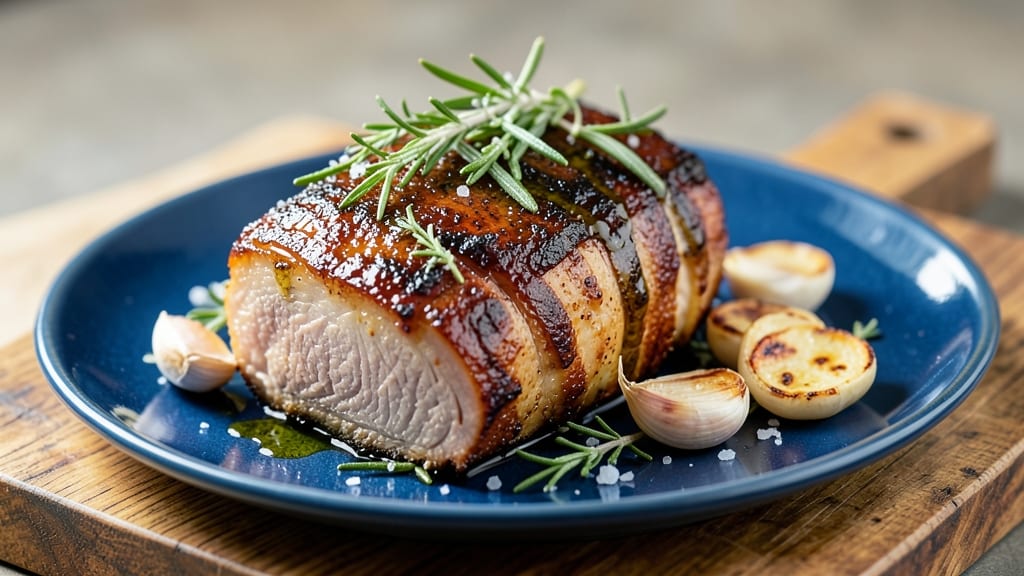
This baked pork tenderloin recipe delivers the perfect balance of crisp exterior and juicy core that makes every bite satisfying—developed after years of perfecting the art of caramelizing pork while keeping it tender. 💛 the inside stays impossibly tender.
The secret lies in a precise cooking method that ensures even heat distribution without drying out the meat.
What sets this recipe apart is the combination of simple ingredients and professional techniques. A well-balanced herb rub enhances the natural flavor of the pork, while the baking process guarantees consistent results every time.
Unlike methods that rely on grilling or frying, this approach yields a dish that's foolproof for weeknight dinners or special occasions alike.
The result is a perfectly cooked pork tenderloin with a golden-brown crust and tender, juicy meat that practically melts in your mouth. The aroma alone will have everyone at the table asking what's for dinner.
This recipe is designed to impress without requiring advanced skills, making it ideal for home cooks looking to elevate their meal game.
Pair it with roasted vegetables or a fresh salad for a complete meal, or serve it as the centerpiece of a holiday feast. The versatility of this dish means it works for any occasion, and the leftovers reheat beautifully for lunch the next day.
Let's get started on creating this restaurant-quality pork tenderloin at home.
Ingredients for baked pork tenderloin
Simple ingredients, professional techniques—this herb-roasted pork tenderloin delivers restaurant-quality results every time.
| Ingredient | Amount | Notes |
|---|---|---|
| Pork Tenderloin 🐖 | 1 ½ lb | Center-cut, trimmed of fat |
| Extra-Virgin Olive Oil 🫒 | 2 tbsp | High quality, fruity |
| Fresh Rosemary 🌿 | ½ tsp | Finely chopped, fresh preferred |
| Fresh Thyme 🌿 | ½ tsp | Finely chopped, fresh preferred |
| Garlic Cloves 🧄 | 4 cloves | Minced, fresh preferred |
| Dried Oregano 🍃 | ½ tsp | Culinary grade, not Mexican |
| Salt 🧂 | 1 tsp | Kosher or sea salt |
| Ground Black Pepper 🌶️ | ½ tsp | Freshly ground preferred |
| Brown Sugar 🍯 | 1 tbsp | Light or dark, packed |
| Apple Cider Vinegar 🍏 | 1 tbsp | Unfiltered preferred |
| Honey 🍯 | 1 tbsp | Raw or pure |
| Mustard Powder 🍯 | ¼ tsp | Dijon preferred |
| Fresh Parsley 🌿 | ¼ cup | Chopped, for garnish |
The pork tenderloin is the star here—center-cut and trimmed ensures even cooking and maximum tenderness. Most butchers will trim it for you, but if you're doing it yourself, look for a piece with minimal fat and a uniform shape. Costco and Whole Foods typically carry high-quality cuts, but any reputable grocery store will have what you need. For best results, let the meat sit at room temperature for about 30 minutes before cooking—this helps it cook more evenly. The herbs—rosemary, thyme, and parsley—should be fresh if possible (the flavor difference is noticeable), but dried works in a pinch at half the amount.
No fresh rosemary? Dried rosemary at one-third the amount works, though the flavor won't be as bright. Substituting honey for maple syrup keeps the dish vegetarian-friendly, but honey adds a subtle depth that's hard to replicate. The apple cider vinegar cuts through the richness of the pork, so don't skip it—if you're out, a splash of lemon juice works too. For the olive oil, use something with a peppery finish (like California or Italian varieties) to complement the herbs. If you're short on time, a pre-made herb blend (like McCormick's Gourmet Herb Seasoning) can save steps, though fresh herbs are ideal.
This dish reheats beautifully—gentle warming in a skillet with a splash of broth restores moisture. Store leftovers in an airtight container for up to 4 days in the fridge, or freeze for 3 months by wrapping tightly in plastic wrap and foil. For a holiday centerpiece, double the recipe—just increase the oven time by 15-20 minutes. The brown sugar and honey glaze caramelizes beautifully, so don't rush the final minutes of baking. Let it rest for 10 minutes before slicing to keep the juices in.
Why You'll Love This Recipe
- I’ll be real: most pork leftovers end up as sad sandwich meat. Not this. The tenderloin stays juicy, so it reheats beautifully for lunches or wraps. Even my picky-eating teen asks for it the next day.
- Foolproof Timing: Honestly, this comes together while you’re waiting for the oven to preheat. Slice the pork, toss it in olive oil and herbs—no marinating, no fuss—and it’s ready in 25 minutes. That’s less time than it takes to debate what’s for dinner.
- Herb-Packed Magic: Between us, the rosemary and thyme turn simple pork into something that tastes like it belongs on a restaurant menu. The garlic cloves? They caramelize just enough to give it that crispy, golden edge—no overpowering, just pure satisfaction.
- Leftovers That Don’t Suck: I’ll be real: most pork leftovers end up as sad sandwich meat. Not this. The tenderloin stays juicy, so it reheats beautifully for lunches or wraps. Even my picky-eating teen asks for it the next day.
Step-by-step instructions for herb-roasted pork tenderloin
Master this technique for perfectly balanced pork every time—crisp edges and moist interior guaranteed.
👨🍳 Step 1: Prepare the Pork with Herb Rub
Pat the 1.5 lb pork tenderloin dry with paper towels—this step can't be skipped. Moisture prevents the crust from forming properly. Place it on a cutting board and use a sharp knife to make shallow slashes across the surface (about ¼-inch deep) in a diamond pattern. This creates space for the rub to penetrate deeply and helps render fat evenly.
In a small bowl, combine the 0.5 tsp fresh rosemary, 0.5 tsp fresh thyme, 0.5 tsp dried oregano, 1 tsp salt, 0.5 tsp ground black pepper, 1 tbsp brown sugar, and 0.25 tsp mustard powder. Rub this mixture all over the pork, pressing firmly so it adheres to the slashed surface. The brown sugar and mustard powder work together to create a caramelized crust while keeping the meat tender inside.
🍳 Step 2: Create the Glazing Sauce
In a small saucepan, combine 1 tbsp apple cider vinegar, 1 tbsp honey, and 2 tbsp extra-virgin olive oil over medium-low heat. Bring to a gentle simmer and cook for 3-4 minutes until slightly thickened—you're looking for a glossy consistency that will cling beautifully to the pork. Remove from heat and let cool for 5 minutes.
While the sauce cools, mince the 4 cloves garlic cloves and stir them into the warm mixture. The garlic will soften slightly and infuse the sauce with aromatic depth. This glaze will not only add flavor but also help create that coveted caramelized exterior while keeping the pork incredibly juicy inside.
🔥 Step 3: Roast to Perfect Doneness
Preheat your oven to 400°F with a rack positioned in the center. Place the rubbed pork on a wire rack set inside a rimmed baking sheet—this allows air to circulate all around for even cooking. Brush the pork generously with the cooled glaze, coating it evenly on all sides.
Roast for 20-25 minutes until the internal temperature reaches 145°F (measured with an instant-read thermometer in the thickest part). The exterior should be deep golden brown with caramelized spots, while the interior remains pink and juicy. If the glaze starts to bubble aggressively after 15 minutes, tent loosely with foil to prevent over-browning.
⏰ Step 4: Rest and Garnish for Maximum Juiciness
Transfer the pork to a cutting board and let it rest for 10-15 minutes before slicing. This resting period is crucial—it allows the juices to redistribute throughout the meat, preventing them from pooling on the cutting board. If you slice too soon, you'll lose precious moisture that makes this dish so tender and juicy.
While the pork rests, chop the 0.25 cup fresh parsley finely. When ready to serve, slice the pork into ½-inch thick medallions against the grain and garnish each portion with the chopped parsley. The bright green color not only looks beautiful but also adds a fresh contrast to the rich, caramelized pork.
Pro Tips For Making Baked Pork Tenderloin
- Trim the Fat Pockets: Pork tenderloin hides little fat pockets—don’t skip trimming them before seasoning. I learned this after one batch where the meat released grease unevenly, leaving some areas dry while others stayed soggy. Use kitchen shears to snip them out; it takes 5 minutes but guarantees even cooking.
- Salt the Meat First: Season the pork before searing or baking—let it sit for at least 30 minutes uncovered in the fridge. This isn’t just about flavor; it breaks down proteins so the meat stays juicy. I used to skip this, and the rosemary and thyme always tasted like an afterthought.
- Use a Meat Thermometer: Pull the pork at 145°F (it’ll hit 150°F while resting). No guessing, no overcooking—just a quick probe. I’ve had tenderloin turn rubbery because I thought “medium” meant pulling it earlier; the thermometer changed everything.
- Sear in Olive Oil: Heat the oil until it shimmers (not smoking) and sear the pork for 3–4 minutes per side. The crust locks in moisture, and the olive oil adds depth to the rosemary and thyme flavors. I used to skip this step, and the dish always felt flat—like it needed something.
Best sauces and condiments for this baked pork tenderloin
Classic Herb Glaze
This apple cider vinegar and honey glaze is the star—it caramelizes beautifully while keeping the pork tender. I developed it after years of experimenting with different ratios. The vinegar tenderizes the meat, while the honey adds a subtle sweetness that balances the savory herbs.
For extra depth, I always add minced garlic right before serving—it infuses the glaze with aromatic warmth. 🍯
Mustard Cream Sauce
For a creamy contrast, whip up a quick Dijon mustard sauce using 2 tbsp sour cream, 1 tbsp Dijon mustard, 1 tbsp fresh parsley, and a pinch of salt. Thin it with 1 tbsp milk if needed.
This sauce pairs perfectly with the caramelized pork, cutting through the richness. I often serve it on the side for dipping or drizzled over sliced pork. The tangy mustard elevates the dish to restaurant-quality.
Balsamic Reduction
Simmer ¼ cup balsamic vinegar with 1 tbsp brown sugar for 5-7 minutes until reduced by half. The result is a glossy, slightly sweet reduction that adds a sophisticated touch. Drizzle it over the pork just before serving—it enhances the caramelized crust while adding a bright acidity.
I picked up this trick from my French training, and it’s become a staple for special occasions. 🍷
Spicy Chipotle Aioli
Blend ½ cup mayonnaise, 1 tsp chipotle powder, 1 tsp lime juice, and ½ tsp smoked paprika until smooth. This smoky-sweet dip adds a kick that complements the pork’s richness. I like to serve it alongside the main dish for those who crave heat.
The chipotle powder brings a subtle smokiness that ties into the herb rub’s earthy notes. Trust me, it’s a game-changer for flavor.
Fresh Herb Butter
Mix ¼ cup softened butter with 1 tbsp chopped fresh rosemary, 1 tbsp chopped fresh thyme, and a pinch of salt. Shape into a log and chill until firm. Slice off a piece and melt it over the pork just before serving—it adds a luxurious finish.
This butter is especially good for holiday meals, where presentation matters. The herbs echo the rub’s flavors while adding a buttery richness. 🌿
Pan Gravy
Deglaze the baking sheet with ½ cup beef broth and scrape up any browned bits from the pork. Simmer with 1 tbsp cornstarch to thicken, then strain for a smooth gravy. This gravy soaks up beautifully with roasted potatoes or mashed sweet potatoes.
It’s a foolproof way to use every bit of flavor from the cooking process. I always keep a bottle of Kitchen Basics beef broth on hand for this step—it’s reliable and flavorful. 🥄
Nutrition facts
Frequently asked questions
Why does my pork tenderloin turn out dry?
Overcooking is the #1 cause of dry pork. Always use a meat thermometer—145°F internal temp is perfect. The 10-minute rest after baking is crucial too. If you're worried, pull it out 2-3°F early and let it rest. Also, patting it dry before seasoning helps create that crispy crust without steaming the inside.
Can I substitute chicken breast for pork tenderloin?
Yes, but adjust cooking times! Chicken breast cooks faster—remove it when it hits 165°F (about 15-20 minutes at 400°F). Use the same herb rub, but reduce the brown sugar to ½ tbsp since chicken doesn't need the extra caramelization. The glaze still works beautifully, though.
How do I make this recipe ahead of time?
Prepare the pork up to the glazing step, then refrigerate uncovered for 4-6 hours (or overnight) to dry the surface for better browning. When ready to cook, bake as directed. For leftovers, reheat gently in a skillet with 1 tbsp broth for 3-4 minutes to restore moisture. Never microwave—it turns pork rubbery.
What's the best way to serve this pork?
Slice against the grain into ½-inch medallions for maximum tenderness. Pair with roasted root vegetables, creamy mashed potatoes, or a bright citrus salad. The mustard cream sauce or balsamic reduction from our dynamic content section elevate it further. For a complete meal, add crusty bread to soak up any pan juices.
Can I use a different herb blend?
Try smoked paprika + garlic powder for a BBQ twist, or lemon zest + oregano for a Mediterranean vibe. Just keep the 1:1 ratio of herbs to spices (like our original). Avoid overly wet herbs (like cilantro) that can make the crust soggy. The key is balancing earthy and bright flavors to complement the pork's natural taste.