
Main Courses
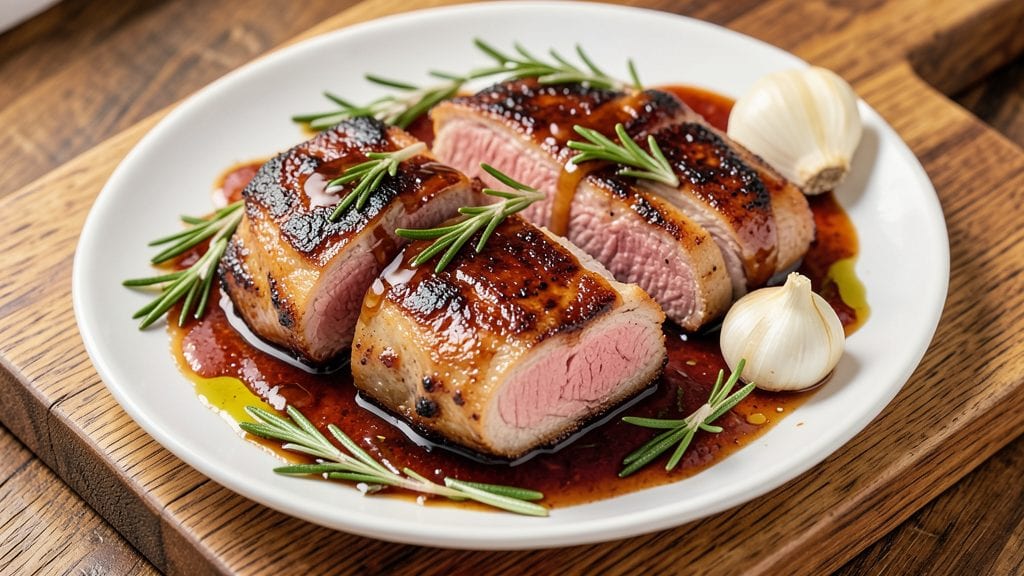
This balsamic-glazed pork chops recipe transforms simple ingredients into a restaurant-worthy meal with just 30 minutes of hands-on time. Standing on a step stool in my grandmother’s kitchen in Sicily, I learned how a few well-chosen ingredients—like aged balsamic and fresh rosemary—can elevate everyday proteins into something extraordinary.
The key lies in high-heat searing followed by a slow reduction of the glaze, creating caramelized edges that balance the tender meat.
What makes this recipe foolproof is the technique: bone-in pork chops develop deeper flavor, while the balsamic glaze adds a sweet-tangy contrast that cuts through the richness.
I use a combination of balsamic vinegar and reduction paste for maximum depth, and the glaze thickens beautifully as it simmers, coating every bite. The result is a dish that feels both elegant and approachable—perfect for weeknight dinners or special occasions.
By the time you serve these, your table will smell like a Tuscan trattoria, with golden-brown chops glistening under the glaze and crisp edges that hold their shape. Pair them with roasted seasonal vegetables or a simple arugula salad to round out the meal.
The glaze’s versatility means you can drizzle leftovers over pasta or use it as a marinade for future meals.
This method delivers consistent results every time, whether you’re cooking for two or feeding a crowd. The secret? Patience in the searing and careful monitoring of the glaze’s reduction. Trust me—once you taste the difference between store-bought and homemade, you’ll never go back.
Ingredients for balsamic-glazed pork chops
Simple ingredients that transform into restaurant-quality pork chops with caramelized edges and rich balsamic glaze.
| Ingredient | Amount | Notes |
|---|---|---|
| Bone-In Pork Chops 🥩 | 1 ½ lb | Center-cut, 1-inch thick preferred |
| Extra-Virgin Olive Oil 🫒 | 2 tbsp | High-quality, fruity variety |
| Aged Balsamic Vinegar 🍷 | ½ cup | 12-year minimum aging preferred |
| Balsamic Reduction Paste 🍯 | 2 tbsp | For concentrated sweetness |
| Fresh Rosemary 🌿 | ¼ cup | Finely chopped, stems removed |
| Garlic Cloves 🧄 | 4 cloves | Minced, for aromatic depth |
| Diamond Crystal Kosher Salt 🧂 | 1 ½ tsp | Fine grain for even seasoning |
| Freshly Ground Black Pepper 🌶️ | ½ tsp | Coarse grind for texture |
| Unsalted Butter 🧈 | 2 tbsp | Cold, for basting |
| Granulated Sugar 🍚 | 1 tbsp | For glaze balance |
| Fresh Thyme Leaves 🌿 | ⅛ cup | Chopped, for herbal notes |
| Red Wine Vinegar 🍷 | 1 tbsp | For acidity balance |
| Fresh Lemon Juice 🍋 | 1 tbsp | Brightens the glaze |
The pork chops are non-negotiable—bone-in, center-cut, and 1-inch thick for perfect searing. Whole Foods or your local butcher usually carry these cut to order. If you can't find bone-in, use thick-cut bone-less and let them rest 30 minutes before cooking. The aged balsamic vinegar (12 years or more) is worth hunting down—it adds depth that regular balsamic can't match. I grab mine from Trader Joe's when they have it, otherwise Eataly or specialty stores. Fresh rosemary and thyme? Grow your own if possible—the flavor is leagues ahead of store-bought. If you must buy, look for vibrant green stems with no browning.
No aged balsamic? Substitute 1/4 cup regular balsamic vinegar plus 1 tbsp brown sugar, but it won't have the same complexity. Short on fresh herbs? Dried rosemary at half the amount works, but the texture suffers. The balsamic reduction paste is a game-changer—it's like having a restaurant-quality glaze in a jar. If you can't find it, reduce 1/4 cup balsamic vinegar to 2 tbsp on the stove. For the butter, full-fat is non-negotiable—it's what creates those golden caramelized edges. And if you're feeling fancy, add a pinch of flaky sea salt to the glaze at the end for a restaurant touch.
Pork chops keep best 1-2 days in the fridge if uncooked—pat them dry before storing. The glaze can be made ahead and reheated gently. If you have leftovers, store the chops and glaze separately—reheat the glaze first, then warm the chops in it. These reheat beautifully, though they're best fresh. For a crowd, double the recipe—just use a larger skillet and don't overcrowd. The glaze freezes well for up to 3 months, so make extra for future meals.
Why You'll Love This Recipe
- Same recipe, different vibes: toss it together for a lazy Tuesday or dress it up with roasted veggies for guests. The rosemary’s fresh aroma alone makes it feel special, even when you’re just feeding yourself.
- One-Pan Magic: That’s it—just the chops, a drizzle of olive oil, and a sprinkle of rosemary on a sheet pan. No fancy prep, no multiple dishes, and honestly? The balsamic reduction paste does 90% of the work for you.
- Deep Umami Kiss: The aged balsamic vinegar and reduction paste caramelize into a glossy glaze that clings to every bite—salty, sweet, and tangy all at once. Between us, that crispy bone-in crust? Pure satisfaction.
- Weeknight to Dinner Party: Same recipe, different vibes: toss it together for a lazy Tuesday or dress it up with roasted veggies for guests. The rosemary’s fresh aroma alone makes it feel special, even when you’re just feeding yourself.
Step-by-step instructions for balsamic-glazed pork chops
Here's how to transform simple pork chops into restaurant-worthy masterpieces with caramelized edges and velvety glaze.
Prepare the Pork Chops and Herb Butter
Pat the 1.5 lb bone-in pork chops completely dry with paper towels—this ensures maximum crispiness. Season both sides generously with 1.5 tsp diamond crystal kosher salt and 0.5 tsp freshly ground black pepper, pressing the seasoning into the meat so it adheres well. Let the chops sit at room temperature for 15 minutes while you prepare the herb butter.
In a small bowl, combine the 2 tbsp unsalted butter, 0.25 cup finely chopped fresh rosemary, 0.125 cup chopped fresh thyme leaves, and 4 minced garlic cloves. Mix well and shape into a log, then wrap tightly in plastic wrap. Chill until ready to use—this keeps the butter firm for perfect basting.
Sear the Pork Chops to Perfection
Heat a large skillet over medium-high heat until very hot. Add 2 tbsp extra-virgin olive oil and swirl to coat evenly. Place the pork chops in the skillet and sear for 3-4 minutes per side until they develop deep golden-brown crusts. I press down gently on the chops during the first minute—this prevents curling and ensures even contact with the pan.
When the chops are about 80% cooked (they'll finish in the oven), remove them from the skillet and set aside on a warm plate. Reduce heat to medium and add the chilled herb butter to the skillet. Let it melt completely, then add 1 tbsp granulated sugar and 1 tbsp red wine vinegar, stirring constantly for 1 minute until the sugar begins to caramelize slightly.
Create the Signature Balsamic Glaze
In a small saucepan, combine 0.5 cup aged balsamic vinegar and 2 tbsp balsamic reduction paste. Bring to a simmer over medium heat, then reduce heat to low and let it cook uncovered for 8-10 minutes, stirring occasionally, until it thickens to a syrupy consistency—about 2-3 tablespoons of concentrated glaze. You're looking for a deep amber color and a rich, tangy aroma.
While the glaze reduces, pour 1 tbsp fresh lemon juice into a small bowl. This brightens the final flavor profile and balances the richness of the balsamic. The glaze should coat the back of a spoon when you lift it from the pan—this is your target consistency.
Finish and Glaze the Pork Chops
Return the skillet with the caramelized butter to medium heat and place the pork chops back in the pan. Spoon the reduced balsamic glaze evenly over the top of each chop, then cover the skillet and let it cook for 2-3 minutes to allow the glaze to meld with the meat. You want the internal temperature to reach 145°F when measured at the thickest part of the chop.
Transfer the chops to a serving platter and drizzle with any remaining glaze from the skillet. Let them rest for 3-5 minutes before serving—this ensures the juices redistribute throughout the meat. The result should be pork chops with beautifully caramelized edges, a glossy balsamic glaze, and perfectly tender meat.
Pro Tips For Making Balsamic-Glazed Pork Chops
- Sear First, Then Simmer: Get that pan screaming hot before adding the pork chops—bone-side down first, no rushing. I learned this the hard way after walking away and coming back to sad, gray meat that needed another 10 minutes to crisp. Let them develop that golden crust for 3-4 minutes before even thinking about moving them.
- Dry the Rosemary: Rough up those rosemary sprigs with your fingers and pat them dry with a paper towel before tossing them in the pan. Wet herbs steam instead of release their aroma, and you’ll end up with a dish that smells like a spa instead of a kitchen. Trust me, it makes a real difference.
- Skip the Crowding: Resist the urge to stack those pork chops like pancakes in the pan. Cook them in batches if you have to—even if it means an extra minute of waiting. Overcrowding steams the meat instead of searing it, and you’ll end up with soggy chops drowning in their own juices.
- Deglaze Aggressively: After removing the chops, immediately add the aged balsamic vinegar and scrape every last bit of browned pork fond from the pan with a wooden spoon. That’s where the flavor lives, and skipping it means you’re basically serving watered-down balsamic sauce. A splash of water or broth helps loosen the rest—don’t skip it.
Wine and beer pairings for balsamic-glazed pork chops
Italian Red Wine
My Nonna always paired her balsamic dishes with a bold Chianti Classico—its bright acidity cuts through the richness of the pork while complementing the glaze’s sweet-tangy notes. Look for a Sangiovese-based wine from Tuscany, like Castello di Volpaia or Antinori Chianti Classico.
Serve slightly chilled (60-64°F) to let its cherry and herbaceous flavors shine alongside the rosemary and thyme in the chops. 🍷
Crisp White Options
For a lighter pairing, try a Vermentino from Sardinia or a Pinot Grigio from Alto Adige—both offer crisp acidity and citrus notes that refresh the palate between bites. I love Santa Margherita Pinot Grigio for its clean finish, or Cantina Terralba Vermentino for a touch of minerality.
These whites highlight the glaze’s brightness while balancing the pork’s richness. ✨
Beer Pairings
A Belgian witbier like Hoegaarden or Stella Artois adds effervescence that cleanses the palate between bites. The coriander and citrus notes in these beers mirror the lemon in the glaze, creating harmony.
For a malty option, try a German Hefeweizen—its banana and clove undertones contrast beautifully with the balsamic’s depth. 🍺
Sweet Contrast
If you prefer dessert wine, a Moscato d'Asti from Piedmont offers a fizzy, floral sweetness that pairs surprisingly well with the savory-sweet chops. Its light body won’t overpower the dish, but the bubbles and berry notes create a delightful contrast.
Serve it slightly chilled (45-50°F) for the best experience. 🍇
Non-Alcoholic Options
For a refreshing non-alcoholic choice, try a sparkling blood orange soda like San Pellegrino Aranciata Rossa. The citrus and effervescence mimic the lemon in the glaze and cut through the richness.
Alternatively, a ginger beer with a splash of aged balsamic vinegar creates a tangy, spicy-sweet mocktail that complements the dish perfectly. 💛
Nutrition facts
Frequently asked questions
Can I use boneless pork chops instead of bone-in?
Yes, but choose thick-cut (1-inch minimum) boneless chops for even cooking. Bone-in chops stay juicier longer, but thick boneless chops sear beautifully with the same technique. Just reduce cooking time by 1-2 minutes per side since they cook faster without the bone's insulating effect.
What's the best way to store leftovers?
Store cooked chops and glaze separately in airtight containers. The chops keep for 3-4 days in the fridge, while the glaze lasts 1 week. Reheat gently in a saucepan with a splash of water to prevent drying. For longer storage, freeze the glaze alone for up to 3 months—it reheats perfectly for future meals.
Why did my glaze turn out too thin?
This usually happens from insufficient reduction time or too much liquid. For the best results, simmer the balsamic mixture until it coats the back of a spoon (8-10 minutes minimum). If it's still too thin, return it to low heat and reduce further. A quick fix: mix 1 tsp cornstarch with 1 tbsp water, stir into the glaze, and simmer for 1 minute to thicken.
Can I make this recipe in a slow cooker?
Not ideal for this dish—the high-heat sear creates those caramelized edges that define the recipe. However, you can adapt it by browning the chops first, then transferring them to a slow cooker with 1/2 cup balsamic vinegar and cooking on low for 2-3 hours. The texture will be tender but lose some of the crispy crust. For best results, stick with the pan method.
What sides pair best with these chops?
Roasted seasonal vegetables (like Brussels sprouts or asparagus) or creamy mashed potatoes balance the dish perfectly. For a lighter option, try a arugula salad with lemon vinaigrette—the peppery greens complement the balsamic's sweetness. My Nonna always served these with polenta or crusty Italian bread to soak up the glaze.