
Main Courses
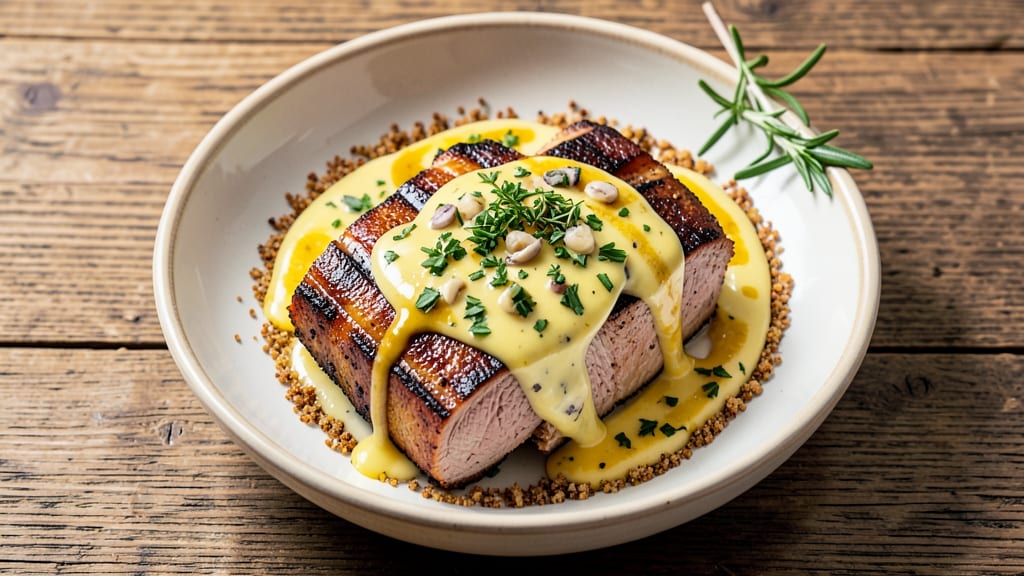
Barefoot Contessa's pork loin recipe delivers that signature restaurant-quality roast with a crisp vinegar-kissed exterior and tender herb-buttered interior. Growing up in small-town Georgia, I learned pork deserves respect—this method honors that tradition with precision and simplicity.
The secret lies in the herb butter and acid-bright pan sauce that elevates every bite, making it foolproof for home cooks while staying true to Ina Garten's refined approach.
This recipe transforms a simple pork loin into a showstopper with just five key ingredients: quality pork, fresh herbs, butter, vinegar, and a touch of mustard for depth. Roasting at the right temperature ensures a perfect medium-rare center while creating that signature crisp exterior.
The herb butter—packed with parsley, thyme, and garlic—infuses the meat with aromatic richness, while the vinegar pan sauce adds a bright, tangy finish that cuts through the richness beautifully.
By the time you serve this dish, your kitchen will smell like a Southern dinner party, and your guests will never guess it wasn't prepared in a professional kitchen.
The crisp edges give way to tender, juicy meat that practically melts in your mouth, all wrapped in that signature herb-buttered crust. This is the kind of pork loin that makes weeknight dinners feel special without requiring hours of prep or advanced techniques.
Pair it with roasted potatoes and seasonal vegetables for a complete meal that feels both elegant and approachable. The leftovers reheat beautifully, making this the ultimate make-ahead roast for busy schedules. Let's get cooking—this pork loin deserves a place at your table.
Ingredients for barefoot contessa pork loin
Five simple ingredients transform ordinary pork into a showstopping herb-buttered roast with crisp edges.
| Ingredient | Amount | Notes |
|---|---|---|
| Bone-In Pork Loin 🐖 | 1 ½ lb | Center-cut, 1.5-inch thick |
| Unsalted Butter 🧈 | ½ cup | Cold, cut into 8 pieces |
| Fresh Parsley 🌿 | ¼ cup | Finely chopped, stems included |
| Fresh Thyme 🌿 | ¼ cup | Leaves only, finely chopped |
| Garlic Cloves 🧄 | 4 cloves | Minced, fresh preferred |
| Dijon Mustard 🍯 | 1 tbsp | Mild or regular strength |
| Apple Cider Vinegar 🍎 | ¼ cup | Bottled, not cider |
| Diamond Crystal Kosher Salt 🧂 | 1 ½ tsp | For seasoning only |
| Freshly Ground Black Pepper 🌶️ | ½ tsp | Coarsely ground |
| Olive Oil 🫒 | 2 tbsp | For roasting pan |
The pork loin is non-negotiable here—bone-in, center-cut ensures even cooking and maximum flavor. Whole Foods or your local butcher will have the best quality, but the grocery store usually carries it too. Look for a piece that's about 1.5 inches thick—thinner cuts will overcook before the center reaches medium-rare. If you can't find bone-in, bone-out works fine, but leave the skin on for extra crispiness. Pat it dry before seasoning; moisture is the enemy of that perfect crust. I always buy mine a day ahead and let it sit uncovered in the fridge—dries out the surface for better browning.
Fresh herbs make all the difference, but dried will work in a pinch—just use half the amount. The Dijon mustard adds depth that regular mustard can't match, so don't skip it. For vinegar, apple cider vinegar gives the best balance, but white wine vinegar works too if that's what you've got. The butter needs to be cold when you mix it with the herbs—take it out of the fridge 10 minutes before using. If you're short on time, microwave it for 20 seconds to soften just enough to mix, then chill again. The olive oil is just for the pan—no need for fancy EVOO here.
This roast reheats like a dream—better the next day once all the flavors meld. Wrap it tightly in foil and refrigerate for up to 4 days, or freeze for 3 months. For leftovers, slice against the grain and reheat in a 350°F oven for 10 minutes with a splash of water or broth to keep it moist. The herb butter mixture can be prepped a day ahead and stored in the fridge, saving you time on cooking day. Just let it sit at room temperature for 10 minutes before using for the best texture.
Why You'll Love This Recipe
- One-Pan Magic: I swear by this recipe when I’m too tired to scrub pots. The bone-in pork roasts right on a sheet pan with butter, herbs, and garlic—no fussing with a Dutch oven or basting every five minutes. Just pop it in the oven and let it work its flavor.
- Herb-Crusted Perfection: That crispy, golden crust from melted butter and fresh thyme? It’s the kind of flavor that makes you pause mid-bite. The garlic and parsley tie everything together like a little aromatic hug—simple, but ridiculously good.
- Weeknight to Weekend: Make it for a Tuesday dinner when you’re craving something special, or pull it out for company because it feels elevated without being pretentious. The leftovers? Even better cold in sandwiches the next day.
- Budget-Friendly Luxury: Bone-in pork loin is cheaper than you’d think, and a single roast feeds four—meaning fewer takeout nights. Plus, the butter and herbs stretch to flavor every bite, so you’re not just feeding stomachs, you’re feeding flavor.
Step-by-step instructions for herb-buttered pork loin roast
Here's how to achieve that legendary crispy exterior and tender interior that makes this dish unforgettable.
Prepare the Herb Butter Compound
In a small mixing bowl, combine the 0.5 cup unsalted butter with the 0.25 cup finely chopped fresh parsley, 0.25 cup finely chopped fresh thyme, 4 minced garlic cloves, and 1 tablespoon Dijon mustard. Mix until fully incorporated, creating a vibrant green compound with pockets of herbed butter.
This herb butter is the secret weapon of the dish—it bastes the pork as it roasts, infusing every bite with aromatic depth. For even distribution, I like to press the mixture gently against the sides of the bowl with a spatula to ensure no dry spots remain. Cover and refrigerate while you prepare the pork.
Season and Sear the Pork Loin
Remove the 1.5 lb bone-in pork loin from the refrigerator and let it sit at room temperature for 30 minutes. Pat it dry thoroughly with paper towels—this is crucial for achieving that signature crispy exterior. Season both sides generously with 1.5 teaspoons diamond crystal kosher salt and 0.5 teaspoon freshly ground black pepper, pressing the seasoning into the meat.
Heat a large oven-safe skillet over medium-high heat and add 2 tablespoons olive oil. Once shimmering, add the pork loin and sear for 3-4 minutes per side until golden brown with crispy edges. This initial sear locks in juices and creates the foundation for that perfect crust. Don't rush this step—you're building flavor and texture from the ground up.
Roast to Medium-Rare Perfection
Transfer the skillet to a preheated 425°F oven and roast for 20-25 minutes for medium-rare (internal temperature 135-140°F). The bone-in cut helps regulate cooking temperature, ensuring even doneness throughout. Baste the pork with the herb butter mixture every 5 minutes during roasting, spooning the melted butter over the top.
Real talk: your oven might run hot, so start checking the internal temperature at the 20-minute mark. The pork should feel springy when pressed gently with your finger—this is your visual cue that it's nearly done. If the herb butter starts to brown too quickly, tent loosely with foil to prevent over-browning while maintaining moisture.
Create the Vinegar-Kissed Crisp
Remove the pork from the oven and increase the heat to broil. Pour 0.25 cup apple cider vinegar evenly over the top of the pork loin, letting it sizzle and caramelize for 2-3 minutes until you see the edges develop a beautiful glossy sheen. This acid kiss cuts through the richness of the butter and creates that signature crispy texture.
Watch closely during this step—the vinegar works quickly. You want just enough time for the liquid to evaporate and the surface to develop a golden crust, not so long that it dries out. The aroma will fill your kitchen with a perfect balance of sweet, tangy, and herby notes. This is the moment that transforms good pork into extraordinary pork.
Rest and Serve with Confidence
Transfer the pork to a cutting board and let it rest for 10-15 minutes before slicing. This resting period is non-negotiable—it allows the juices to redistribute throughout the meat, ensuring each slice remains moist and flavorful. During this time, you can make a quick pan sauce by deglazing the skillet with a splash of water and scraping up those delicious browned bits.
Slice the pork loin against the grain into ½-inch thick portions and serve immediately. The exterior should be crackling crisp with a glossy sheen, while the interior remains tender and juicy. Each bite delivers a perfect balance of herbed butter richness, vinegar brightness, and aromatic herbs. This is the kind of dish that makes people ask for seconds—and then thirds.
Pro Tips For Making Barefoot Contessa Pork Loin
- Trim the Fat First: The bone-in pork loin’s fat cap is where flavor hides—but it’s also where your butter will pool and burn if you skip this. Use kitchen shears to snip off the thickest layer (about ¼-inch) before searing, leaving just a thin, even layer. I learned this the hard way when my first batch turned into a sad, greasy mess instead of golden perfection.
- Salt the Meat Early: Don’t wait until the last minute—season the pork loin generously with salt (at least 1 tsp per pound) and let it sit uncovered in the fridge for 30 minutes. This ensures the salt penetrates the thick cut and keeps the meat juicy. (Yes, even if you’re impatient like me, resist the urge to skip this.)
- Sear Bone-Side Down First: The Barefoot Contessa method calls for searing, but most people rush and miss the golden crust on the bone side. Flip the loin bone-side down first in the hot pan, let it sear for 4-5 minutes until deeply browned, then flip to cook the flesh. That bone side is where the magic happens—don’t shortchange it.
- Use Cold Butter: The recipe says to add butter at the end, but I’ve found cold, cubed butter makes a real difference. It melts slower, coats the meat evenly, and doesn’t turn into a greasy puddle. Plus, the herbs (parsley, thyme) cling better when the butter isn’t already melted into a pool. (Sounds weird, but it works.)
Troubleshooting this dish
Overcooked Exterior
If your pork loin comes out dry or overcooked, you likely roasted it too long or at too high a temperature. The ideal internal temp is 135-140°F for medium-rare—any higher risks drying out the meat.
I’ve found that bone-in pork loin from Whole Foods cooks more evenly than boneless cuts, so stick with that if possible. For next time, use an instant-read thermometer and remove the pork when it hits 130°F—it’ll rise to 135°F while resting. 🌡️
Uneven Cooking
Uneven doneness often happens when the pork loin isn’t at room temperature before cooking. Let it sit for 30 minutes uncovered on your counter—this ensures even heat distribution. Also, avoid overcrowding the pan during searing.
If you’re cooking for more than four people, sear the pork in batches to prevent steaming instead of browning. A 12-inch cast-iron skillet is my go-to for this recipe because it conducts heat evenly and retains it well.
Herb Butter Not Melting
The herb butter mixture should melt and baste the pork as it roasts, but if it stays clumpy, your oven temperature might be too low. The skillet needs to reach 425°F before adding the pork—use an oven thermometer to verify.
If the butter isn’t melting properly, spread it more thinly over the pork or increase the oven temp to 450°F for the final 5 minutes of roasting. For extra insurance, I sometimes dot the pork with small pieces of butter before roasting.
Vinegar Not Crisping
The vinegar-kissed crisp is what makes this dish special, but if it’s not forming properly, the issue is usually timing or heat. Pour the vinegar over the pork when it’s on the broiler rack, not directly on the oven rack—this ensures even exposure to the heat.
Broil for 2-3 minutes max; any longer will dry out the surface. If your oven runs hot, reduce the broiler setting to medium-high instead of high. A quick test: if the vinegar sizzles vigorously, you’re on the right track. 💫
Soggy Slices
Slicing too soon after cooking is the #1 reason for soggy pork loin. The resting period is non-negotiable—10-15 minutes lets the juices redistribute, keeping each slice tender.
If you’re in a rush, slice the pork at a 45-degree angle (instead of straight across the grain) to create more surface area for the crust to shine. For extra crispiness, broil the slices for 1 minute before serving.
I also recommend using a sharp chef’s knife—a dull blade crushes the fibers, making the meat mushy.
Flat Flavor Profile
If your pork tastes bland, the herb butter might not have infused properly. Make sure to baste the pork every 5 minutes during roasting—this ensures the flavors penetrate. For extra depth, add 1 teaspoon smoked paprika to the herb butter mixture.
Another trick: let the pork rest in the herb butter for 10 minutes after roasting but before slicing. This gives the flavors more time to meld. If you’re using dried herbs, toast them in the skillet for 30 seconds before mixing with the butter to intensify their aroma. 🌿
Nutrition facts
Frequently asked questions
Can I use boneless pork loin instead of bone-in?
Yes, but bone-in pork loin delivers better results. The bone helps regulate cooking temperature for even doneness. If using boneless, trim excess fat and roast at 400°F instead of 425°F to prevent overcooking. The herb butter technique still works—just reduce roasting time by 5 minutes since boneless cooks faster.
What's the secret to that perfect crispy exterior?
Three things: pat the pork bone-dry, sear at medium-high heat until golden, then finish with vinegar under the broiler. The acid in the vinegar reacts with the sugars to create that signature glossy crust. Don't skip the 10-minute rest—it lets the exterior set while keeping the inside tender.
How do I adjust this for a larger family?
For 6-8 servings, use a 3 lb pork loin and increase herb butter to 1 cup. Sear in batches to avoid crowding, and roast at 425°F for 30-35 minutes, checking temp at 25 minutes. The vinegar step works the same—just double the amount. A 14-inch cast-iron skillet handles larger cuts beautifully.
Can I make this ahead of time?
Roast the pork 1 day ahead and refrigerate tightly wrapped. Reheat at 325°F for 20 minutes with a splash of broth. The herb butter actually tastes better the next day as flavors meld. For 3 months of freezer life, wrap individual slices in parchment before freezing. Thaw overnight in the fridge before reheating.
What's the best way to serve this pork loin?
Pair with roasted Yukon gold potatoes and seasonal greens like asparagus or green beans. The vinegar-kissed crust pairs perfectly with creamy mashed potatoes or a simple apple compote. For a complete meal, add a crisp arugula salad with lemon vinaigrette—it cuts through the richness beautifully.