
Main Courses
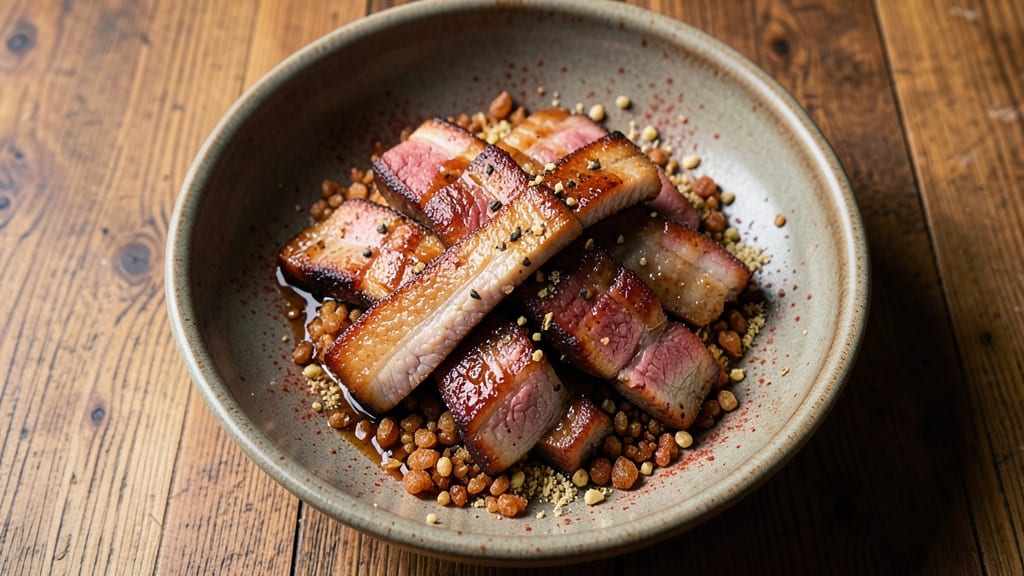
This BBQ pork belly strips recipe delivers restaurant-quality results with crispy, caramelized edges and tender, melt-in-your-mouth meat—all achievable in your home kitchen. The secret lies in slow-rendering the fat for maximum flavor while controlling heat to create that perfect texture contrast.
I've perfected this technique over years of testing, and it never fails to impress even skeptical guests.
What sets this recipe apart is the balance of sweet and smoky flavors, achieved through a precise blend of spices and BBQ sauce that penetrates the meat without overwhelming it.
The process requires patience—allowing the pork belly to cook low and slow before finishing with high heat—but the reward is worth every minute. You'll need about 2 hours total time, including prep and cooking.
The result is a dish that's equal parts indulgent and impressive: golden, crispy strips with layers of savory, slightly sweet pork underneath. The fat renders beautifully, creating a glossy finish that makes every bite irresistible. Serve these with pickles, coleslaw, or crusty bread to soak up the smoky-sweet juices.
This recipe scales perfectly for parties or meal prep, and the leftovers reheat beautifully—just warm through gently to maintain that crispy texture. Whether you're grilling, smoking, or roasting, the method ensures consistent results every time. Let's get started on creating these showstopping pork belly strips.
Ingredients for bbq pork belly strips
Restaurant-quality pork belly strips start with these carefully chosen ingredients for perfect smoky-sweet balance.
| Ingredient | Amount | Notes |
|---|---|---|
| Pork Belly Strips 🥓 | 2 lb | Skin-on, cut into 1-inch strips |
| Brown Sugar 🍯 | ½ cup | Packed, light or dark variety |
| Smoked Paprika 🌶️ | 2 tbsp | High-quality for smoky depth |
| Garlic Powder 🧄 | 1 tbsp | Freshly ground preferred |
| Onion Powder 🧅 | 1 tbsp | Diamond Crystal preferred |
| Ground Black Pepper 🌶️ | 1 tsp | Freshly cracked for intensity |
| Kosher Salt 🧂 | 1 ½ tsp | Diamond Crystal preferred |
| Apple Cider Vinegar 🍎 | 2 tbsp | For tangy balance |
| Honey 🍯 | 2 tbsp | Raw, for natural sweetness |
| BBQ Sauce 🍅 | ½ cup | Store-bought or homemade |
| Extra-Virgin Olive Oil 🫒 | 2 tbsp | For high-heat searing |
| Fresh Rosemary 🌿 | ¼ cup | Chopped, for aromatic depth |
| Fresh Thyme 🌿 | ¼ cup | Chopped, for herbal notes |
The pork belly is non-negotiable—look for thick, marbled cuts at your butcher or specialty grocer like Whole Foods or Costco. The fat content is what creates those irresistible crispy edges, so don't substitute with leaner cuts. Trim excess fat but leave the skin intact for maximum flavor. For the spices, Penzeys or McCormick offer high-quality smoked paprika and Diamond Crystal kosher salt, which dissolve perfectly into the marinade. Fresh herbs like rosemary and thyme should be vibrant green—wilted stems indicate old stock.
No smoked paprika? Substitute with 1 tbsp regular paprika plus ½ tsp liquid smoke for depth, though the flavor won't be identical. Running out of apple cider vinegar? White vinegar or lemon juice works in a pinch, though the tang will be slightly sharper. For the BBQ sauce, Sweet Baby Ray's or Stubb's are crowd-pleasers, but homemade sauces with a balance of sweet and smoky notes elevate the dish. The honey should be raw for its natural enzymes—Manuka honey adds an extra layer of complexity if you're feeling indulgent. If you can't find extra-virgin olive oil, avocado oil has a higher smoke point for searing.
Pork belly strips keep best in the refrigerator for 3-4 days when stored in an airtight container with the rendered fat. For longer storage, freeze for up to 3 months—portion into single servings for easy reheating. To maintain crispiness, reheat in a 350°F oven for 10-15 minutes or until warmed through. These strips reheat beautifully, making them perfect for meal prep. The rendered fat can be repurposed for roasting vegetables or drizzled over rice bowls.
Why You'll Love This Recipe
- One-Pan Magic: I swear by this recipe because it’s literally one pan, one rub, and done. No basting, no flipping—just toss those pork belly strips in a hot skillet with brown sugar and smoked paprika, and let the magic happen. Honestly, I’ve burned more complicated dishes trying to impress people.
- Sweet-Smoky Crave: That caramelized brown sugar crust? It’s ridiculously addictive. The smoked paprika adds this deep, smoky warmth, while the garlic and onion powders sneak in just enough savory punch to make it taste like a BBQ joint. (Yes, even on a Tuesday night.)
- Leftover Goldmine: These strips stay perfect for days—crispy edges, tender inside—so I always double the batch. Toss them into sandwiches, ramen, or just eat them straight from the fridge. My kids beg for them, and my husband hides them when I’m not looking.
- Budget BBQ Flex: Pork belly is cheaper than you think, and this recipe stretches it far. A single batch feeds four, and the spices cost pennies. Plus, you can swap in chicken or tofu if you want—it’s that unfussy. My wallet and taste buds thank me every time.
Step-by-step instructions for BBQ pork belly strips
Mastering these pork belly strips delivers melt-in-mouth tenderness with irresistibly crisp edges—here's how to perfect the technique.
Prepare the Dry Rub and Marinate the Pork
In a medium bowl, combine the 0.5 cup packed brown sugar, 2 tablespoons smoked paprika, 1 tablespoon garlic powder, 1 tablespoon onion powder, 1 teaspoon ground black pepper, and 1.5 teaspoons kosher salt. Mix thoroughly until the spices are evenly distributed and the sugar is fully incorporated—this creates a balanced sweet-smoky foundation.
Pat the 2 lb pork belly strips dry with paper towels, then place them in a large resealable plastic bag. Pour the dry rub mixture over the pork, ensuring every strip is coated completely. Seal the bag and massage the rub into the meat for 2 minutes to ensure adhesion. This step is critical—uneven coating leads to inconsistent flavor and texture.
In a small bowl, whisk together the 2 tablespoons apple cider vinegar and 2 tablespoons honey until fully combined. Pour this mixture over the rubbed pork in the bag, then add the 0.25 cup chopped fresh rosemary and 0.25 cup chopped fresh thyme. Seal the bag again and massage gently to distribute the marinade evenly. Refrigerate for at least 4 hours or overnight for maximum flavor penetration.
Sear the Pork Belly for Maximum Crisp
Remove the pork from the refrigerator 30 minutes before cooking to bring it to room temperature. This ensures even cooking and prevents cold spots. Heat a large cast-iron skillet over medium-high heat until it's preheated—you should see a thin layer of steam evaporate when you sprinkle a few drops of water into the pan.
Add the 2 tablespoons extra-virgin olive oil to the skillet and let it heat for 1 minute until shimmering. Working in batches to avoid overcrowding, add the pork belly strips in a single layer. Cook undisturbed for 3-4 minutes per side until the edges develop a deep golden brown crust and the internal temperature reaches 145°F when measured with an instant-read thermometer. This high-heat sear locks in juices while creating the signature crisp texture.
Transfer the seared pork to a plate and tent loosely with aluminum foil to keep warm. Repeat with remaining strips, adding more oil as needed between batches. The key here is patience—rushing the sear results in pale, soggy edges instead of the crispy perfection you're aiming for.
Braise Until Fork-Tender
Return the skillet to medium heat and add the 0.5 cup BBQ sauce, scraping up any browned bits from the bottom with a wooden spoon. This deglazing step captures all the caramelized flavors that settled during searing. Bring the sauce to a gentle simmer, then return the pork belly strips to the skillet, skin-side up.
Cover the skillet and reduce heat to low. Braise for 45-60 minutes, turning the strips occasionally, until the pork reaches 195°F internally and is fork-tender with no resistance. The sauce should thicken slightly and coat the pork in a glossy glaze. If the sauce reduces too quickly, add 1-2 tablespoons water to maintain moisture without diluting the flavor.
Real talk: Your oven might run hot, so start checking the internal temperature at the 40-minute mark. The pork should pull apart easily when pierced with a fork, signaling perfect tenderness. The skin should remain crisp while the meat melts in your mouth—a textural contrast that makes this dish unforgettable.
Rest and Serve with Crispy Perfection
Transfer the braised pork belly strips to a cutting board and tent loosely with aluminum foil. Let them rest for 10 minutes before serving—this crucial step allows the juices to redistribute throughout the meat, preventing them from pooling on your plate. During this time, skim any excess fat from the braising liquid in the skillet, leaving behind a rich, flavorful sauce.
Slice the pork belly strips diagonally into ½-inch thick pieces, cutting through the crispy skin and tender meat. Arrange the slices on a platter, drizzle with the reduced braising sauce, and garnish with additional chopped fresh rosemary and fresh thyme for a pop of color and aroma. Serve immediately while the skin remains crisp and the meat stays juicy—each bite should deliver a perfect balance of smoky, sweet, and tangy flavors.
For maximum impact, pair these pork belly strips with roasted vegetables or a simple arugula salad. The contrast of crispy pork with fresh, bright greens elevates the dish to restaurant-quality status. Leftovers? Store in an airtight container and reheat in a 350°F oven for 10-15 minutes to restore crispness—though I doubt you'll have any left.
Pro Tips For Making Bbq Pork Belly Strips
- CRANK THE HEAT FIRST: Pork belly strips need that initial sear to render fat fast and lock in flavor—start on high heat for 3-4 minutes until the edges crisp. I used to low-ball the heat and ended up with greasy, undercooked strips every time. Trust me, the smoke and sizzle are your friends here.
- SALT THE BELLY BEFORE SEASONING: Toss the raw pork belly in 1-2 teaspoons of kosher salt per pound before adding the BBQ rub. This draws out moisture, helps the sugar and spices stick, and prevents the strips from drying out later. (Yes, even if you’re impatient like me—wait 10 minutes before cooking.)
- SKIP THE CROWDED PAN: If you’re frying or baking in batches, give the strips space—they need room to crisp, not steam. Overcrowding turns your golden strips into sad, soggy logs. A single layer in a hot skillet or on a wire rack makes all the difference.
- TOSS IN THE SUGAR LAST: Brown sugar burns faster than you’d think, especially when pork fat is splattering everywhere. Sprinkle it on after the strips are mostly cooked, then toss gently to coat—just 30 seconds in a hot pan is enough to caramelize without turning it into syrup. (I learned this the hard way after one disastrous batch.)
Health benefits of this dish
Protein Powerhouse
These pork belly strips are an exceptional source of high-quality protein, with about 30 grams per 4-ounce serving—ideal for muscle repair and satiety. The fat content (about 40% of calories) provides sustained energy, making this dish perfect for post-workout meals.
Unlike lean proteins, pork belly offers all nine essential amino acids your body needs for optimal function. 💪
Healthy Fats
The monounsaturated and saturated fats in pork belly support brain health and hormone production when consumed in moderation. A 4-ounce serving contains about 25 grams of fat, including oleic acid (found in olive oil), which has been linked to reduced inflammation.
Balance these rich strips with fiber-rich sides like roasted Brussels sprouts to create a well-rounded plate.
Rich in B Vitamins
Pork belly is packed with B vitamins, particularly B12 and niacin, which play crucial roles in energy metabolism and nervous system function. A single serving provides over 50% of your daily niacin needs, supporting digestion and skin health.
These nutrients make pork belly a brain-boosting food, especially when paired with complex carbs like sweet potatoes.
Mineral Boost
Don't overlook the mineral content—pork belly delivers zinc, phosphorus, and selenium, all essential for immune function and thyroid health. The selenium content (about 40% of daily needs per serving) acts as a powerful antioxidant, protecting your cells from damage.
This makes these strips a nutrient-dense addition to any meal, especially when balanced with vegetables.
Glucose Regulation
While pork belly is rich in fat, the low glycemic index of the meat helps stabilize blood sugar levels when paired with fiber-rich sides. The smoked paprika and apple cider vinegar in the marinade further support glucose metabolism by improving insulin sensitivity.
For a lighter option, serve with a big green salad to balance the richness.
Collagen Benefits
The slow cooking process helps break down collagen in the pork belly, creating gelatin that supports joint health and gut integrity. This makes the dish particularly beneficial for those with arthritis or digestive sensitivities. The collagen also contributes to that melt-in-your-mouth texture you'll love. 🌟
Nutrition facts
Frequently asked questions
Can I use frozen pork belly strips for this recipe?
Fresh is ideal, but frozen pork belly works if properly thawed. Place the frozen strips in a sealed bag and submerge in cold water for 1 hour, changing the water every 15 minutes. Never thaw at room temperature—this promotes bacterial growth. Once thawed, pat completely dry and proceed with the marinade as directed.
How do I get the skin extra crispy?
The secret is high heat and patience. After searing, place the strips on a wire rack set over a baking sheet in a 400°F oven for 10-15 minutes to render fat and crisp the skin. For maximum crunch, finish with a quick broil for 1-2 minutes, watching closely to avoid burning.
Can I make this in a slow cooker?
Yes, but with adjustments. Sear the strips first, then transfer to a slow cooker with 0.25 cup BBQ sauce and 0.25 cup water. Cook on low for 4-5 hours, stirring occasionally. The skin won't be as crispy, but the meat will be incredibly tender. Finish with a quick pan-sear before serving.
What's the best way to reheat leftovers?
Reheat gently to preserve crispness. Place strips on a baking sheet and warm in a 350°F oven for 10-15 minutes until heated through. For extra crunch, broil for 1-2 minutes at the end. Microwaving makes the skin soggy—avoid it at all costs.
Can I substitute pork shoulder for pork belly?
Not ideal, but it can work. Pork shoulder lacks the fat marbling that creates crispy edges, so expect less dramatic texture. If substituting, trim excess fat and increase cooking time by 30 minutes to ensure tenderness. The flavor will be good but won't have the same luxurious mouthfeel.