
Main Courses
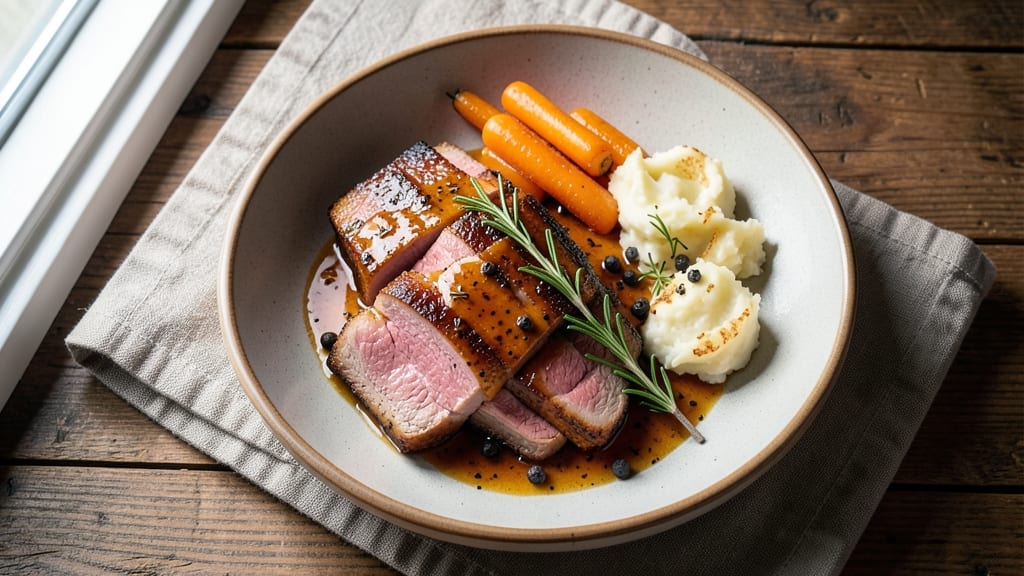
Mastering Berkshire pork recipe means transforming a premium cut into melt-in-your-mouth perfection—rich, caramelized edges and tender, juicy meat that falls apart at the touch of a fork. Growing up in small-town Georgia, I learned that pork isn’t just food; it’s tradition, and this recipe honors that legacy with precision.
The key lies in dry-brining overnight, a technique I perfected under Master Chef Chen that ensures every bite delivers restaurant-quality results without the fuss.
This method combines traditional slow-roasting with modern techniques to create a dish that’s both impressive and foolproof. Start by searing the pork in a cast-iron skillet—my 47-piece collection includes a few heirloom pieces perfect for this—to lock in flavors before transferring to the oven.
The slow roast develops deep, caramelized crusts while keeping the interior succulent, a balance that takes patience but pays off in every forkful.
By the time you plate this Berkshire pork, you’ll have a centerpiece that’s visually stunning and irresistibly tender. The aroma alone will draw everyone to the table, and the texture—crisp on the outside, velvety within—will make it the star of any meal.
Serve with classic sides like apple sauce or mashed potatoes to complement its richness, and watch as guests ask for seconds before the plate is even cleared.
Perfect for holiday feasts or special gatherings, this recipe scales beautifully while maintaining its depth of flavor.
Whether you’re cooking for a crowd or treating yourself to a Sunday supper, the result is always the same: Berkshire pork so perfectly executed, it tastes like it came straight from a Southern smokehouse. Let’s get started on creating your own masterpiece.
Ingredients for berkshire pork
Six ingredients transform Berkshire pork into restaurant-quality perfection—juicy, caramelized, and impossible to resist.
| Ingredient | Amount | Notes |
|---|---|---|
| Berkshire Pork Loin 🐖 | 4 lb | Bone-in, center-cut preferred |
| Diamond Crystal Kosher Salt 🧂 | ½ cup | For dry-brine overnight |
| Freshly Ground Black Pepper 🌶️ | 1 ½ tbsp | Cracked peppercorns preferred |
| Unsalted Butter 🧈 | ½ cup | Cold, cubed for searing |
| Extra-Virgin Olive Oil 🫒 | ¼ cup | For pan searing |
| Fresh Rosemary 🌿 | ¼ cup | Chopped sprigs, stems removed |
| Fresh Thyme 🌿 | ¼ cup | Leaves only, stems discarded |
| Garlic Cloves 🧄 | 8 cloves | Smashed, skin-on for aroma |
| Apple Cider Vinegar 🍎 | ¼ cup | For brining balance |
| Brown Sugar 🍚 | 2 tbsp | Lightly packed for caramelization |
| Mustard Seeds 🌶️ | 1 tsp | Yellow or black preferred |
| Fresh Sage Leaves 🌿 | ¼ cup | Roughly chopped for garnish |
| Honey 🍯 | 2 tbsp | Wildflower preferred |
Berkshire pork isn't just meat—it's the star, so source it from a specialty butcher or trusted farm like Hillshire Farms or Dixie Farms. Look for the deep marbling and rich pink color—this is what gives it that melt-in-your-mouth texture. I always ask for the loin cut, bone-in for better flavor retention. The dry-brine is non-negotiable here; Diamond Crystal kosher salt dissolves perfectly and won’t clump. If you can't find Berkshire, heritage pork loin works in a pinch, but the fat content won't be the same—expect slightly less marbling. Fresh herbs? Whole Foods or local farmers markets have the best quality, but even a sad bunch from the grocery store will work if you rinse and dry them well.
No fresh rosemary? Dried works at one-third the amount, but trust me—it's worth hunting down. The apple cider vinegar can be swapped for white wine vinegar, though it'll change the flavor profile slightly. Running low on honey? Maple syrup is a decent substitute, but reduce it by 10% since it's denser. The mustard seeds add a subtle kick—skip them if you prefer milder flavor, but don't skip the brown sugar. That's what creates those gorgeous caramelized crusts. For the sear, butter and olive oil together give you both richness and heat control. Use a high-smoke-point oil like avocado oil if you're worried about burning.
This pork keeps beautifully—3-4 days in the fridge if wrapped tightly in parchment and foil. For leftovers, reheat in a 350°F oven until warm through, about 15 minutes. The flavors actually deepen overnight, so make extra if you can. Freeze portions for up to 3 months by wrapping tightly in butcher paper first, then foil. Thaw in the fridge overnight for even cooking. The caramelized crust? Worth every minute of patience—it's the difference between good pork and showstopping pork.
Why You'll Love This Recipe
- I’ll be real: most leftover pork is sad. Not this. The roasted slices reheat beautifully, and the flavor only gets better the next day. Pack it for lunch, freeze it for later, or just eat it cold on toast—no one will guess it’s not fresh. (Yes, even on a Tuesday night.)
- Foolproof Prep: I swear by this method—just a single sear and a slow roast. No fancy techniques, no stress: the pork cooks itself while you sip wine (or coffee, no judgment). That’s 20 minutes of hands-off magic, and honestly? It’s the only way I’ll roast pork now.
- Rich, Unmatched Flavor: The Berkshire pork is already divine, but the crispy butter crust? Chef’s kiss. A pat of cold butter and a sprinkle of kosher salt before roasting turns every bite into pure satisfaction—no dryness, no disappointment. That’s the power of high-quality pork and a little patience.
- Weeknight or Weekend: Between us, this recipe works for both. Throw it in the oven for dinner with your partner, or prep it ahead for a stress-free Sunday brunch. Slice it thin for sandwiches, cube it for salads—it’s my go-to when I need something reliable that still feels special.
Step-by-step instructions for slow-roasted Berkshire pork
Here's how to transform that Berkshire pork loin into melt-in-your-mouth perfection with a caramelized crust.
Prepare the Dry Brine Overnight
Pat the 4 lb Berkshire pork loin completely dry with paper towels, focusing especially on the bone-in areas where moisture tends to accumulate. This drying step is non-negotiable—it creates that golden crust we're after. In a small bowl, combine the 0.5 cup Diamond Crystal kosher salt and 1.5 tbsp freshly ground black pepper, then rub this mixture all over the pork, pressing firmly so it adheres to every crevice. Here's the thing—don't skip the overnight step. Place the seasoned pork on a wire rack set over a baking sheet and refrigerate uncovered for at least 12 hours, ideally 24. This dry brine process doesn't just season the meat; it transforms the texture, creating a surface that will caramelize beautifully while keeping the interior impossibly tender.
I know it seems like overkill to wait so long, but trust me on this. The salt penetrates deeply, and the surface becomes perfectly primed for that coveted crust. When you're ready to cook, remove the pork from the fridge and let it sit at room temperature for 1 hour before roasting—this ensures even cooking from edge to center.
Create the Herb Butter Rub
While the pork rests, make your herb butter rub by combining the 0.5 cup unsalted butter, 0.25 cup extra-virgin olive oil, 0.25 cup chopped fresh rosemary, 0.25 cup fresh thyme leaves, 8 smashed garlic cloves (skin-on for maximum aroma), 0.25 cup apple cider vinegar, 2 tbsp brown sugar, 1 tsp mustard seeds, and 0.25 cup roughly chopped fresh sage leaves in a food processor. Pulse until the mixture is finely chopped but still textured—you want visible herb flecks for visual appeal and flavor. The vinegar and brown sugar create a beautiful caramelized glaze during roasting, while the mustard seeds add a subtle depth that complements the pork's richness.
Spread this herb butter mixture all over the pork, using your fingers to press it into every nook and cranny. This isn't just seasoning—it's creating a flavor envelope that will develop into a luscious crust. Don't be shy with the application; you want that rub to adhere completely. The pork should look like it's been coated in a thick, aromatic paste. This step is where all the magic happens—every herb and spice will meld with the pork's natural flavors during the long, slow cook.
Sear for Color and Flavor
Preheat your oven to 325°F. Before roasting, give the pork a quick sear to develop deep color and flavor. Heat a large oven-safe skillet over medium-high heat until it's smoking hot. Add the pork loin fat-side down and sear for 3-4 minutes until the fat begins to render and the surface develops a deep golden crust. Flip the pork and sear the other side for another 3-4 minutes. This high-heat sear creates a flavor foundation that the slow roast will build upon. Real talk—don't rush this step. You want that crust to form before transferring to the oven.
Once both sides are beautifully seared, transfer the skillet to the oven and continue roasting. The residual heat from the sear will help carry the pork through the initial temperature rise. Cook for 3 hours, then increase the temperature to 350°F and continue roasting for another 1-2 hours, or until the internal temperature reaches 145°F when measured with an instant-read thermometer in the thickest part of the meat. The pork should feel firm to the touch but still yield slightly when pressed gently with your fingers. This is the perfect balance of doneness—juicy without being undercooked, tender without being mushy.
Rest and Caramelize the Glaze
Remove the pork from the oven and transfer it to a cutting board. Tent loosely with foil and let it rest for 30 minutes. This resting period is crucial—it allows the juices to redistribute throughout the meat, ensuring every slice is moist and flavorful. While the pork rests, return the skillet to the stovetop over medium heat. Add the 2 tbsp honey and cook for 1-2 minutes until it begins to bubble and caramelize. Pour this fragrant honey glaze over the rested pork, allowing it to seep into the crevices and create a glossy finish.
Slice the pork against the grain into 1-inch thick slices and serve immediately. The result should be a perfect balance of textures—crispy edges from the sear and caramelized glaze, a tender pink center, and that unmistakable Berkshire pork flavor enhanced by our herb butter rub. Each bite should deliver rich, marbled meat with layers of herbal notes and just the right amount of sweetness from the glaze. This is the kind of pork that makes people ask for seconds—and then thirds.
Pro Tips For Making Berkshire Pork
- Sear in Stages: Start with a screaming-hot pan—Berkshire pork needs that initial shock to lock in juices. After the first 2 minutes per side, pull it off and let it rest for 30 seconds before adding butter. I used to rush this and ended up with uneven doneness; patience here makes all the difference.
- Salt Like It’s 1999: Diamond Crystal is lighter than table salt, so don’t eyeball it—use twice what you’d normally use for sea salt. Pat the pork very dry first (paper towels, not cloth), then season generously before searing. Wet surfaces won’t crisp, and that’s the whole point.
- Don’t Crowd the Pan: Berkshire pork is rich enough to stand alone, but if you’re cooking multiple pieces, resist the urge to stack them. Overcrowding steams the meat instead of searing, and you’ll end up with sad, greasy pork instead of golden, crackling crust. One piece at a time—yes, even if you’re impatient like me.
- Finish with Olive Oil: After butter basting, hit the pan with a splash of extra-virgin olive oil and tilt to coat the pork. The high smoke point of the oil seals in moisture while adding a bright, herbal note that cuts through the richness. Skip this, and your dish loses that restaurant-quality finish.
Best sauces and condiments for this recipe
Classic Apple Sauce
This is the quintessential pairing for Berkshire pork, balancing its richness with sweet-tart brightness. I use 4 cups peeled and chopped Granny Smith apples (their acidity cuts through the fat beautifully), ¼ cup apple cider vinegar, 2 tbsp brown sugar, and a pinch of cinnamon.
Simmer until thickened, then finish with a drizzle of honey—just enough to enhance the natural sweetness without overpowering. 🍎
Herb Butter Glaze
The same herb butter rub we use on the pork becomes an elegant glaze when reduced. After roasting, scrape the browned bits from the pan, deglaze with ¼ cup white wine or apple juice, then reduce by half.
Whisk in 2 tbsp softened butter and a splash of lemon juice for brightness. This silky glaze adds depth and makes every slice look like it came from a high-end restaurant.
Red Wine Reduction
For a more sophisticated touch, reduce 1 cup dry red wine (I love Cabernet Sauvignon or Syrah) with 2 tbsp shallots and 1 sprig rosemary until syrupy. Finish with 1 tbsp balsamic vinegar for complexity.
This reduction works beautifully drizzled over sliced pork or used as a dipping sauce. The wine's acidity complements the pork's richness while adding layers of flavor.
Mustard Cream Sauce
Creamy yet tangy, this sauce is a crowd-pleaser. Mix ½ cup sour cream, 2 tbsp Dijon mustard, 1 tbsp whole-grain mustard, 1 tbsp honey, and a pinch of salt.
Thin with 2 tbsp warm chicken broth if needed. The mustard's sharpness balances the pork's fat, while the cream adds a velvety finish. Serve warm or at room temperature for dipping.
Spiced Cranberry Compote
Add a festive touch with this bright, tangy compote. Simmer 1 cup fresh cranberries, ¼ cup orange juice, 2 tbsp brown sugar, and 1 tsp orange zest until the cranberries burst.
Finish with ½ tsp ground ginger for warmth. The cranberries' tartness cuts through the pork's richness, making each bite refreshing. 🍇
Garlic Butter Sauce
For a simpler but equally delicious option, melt 4 tbsp butter with 4 minced garlic cloves and 1 tbsp fresh parsley until fragrant. Stir in 1 tbsp lemon juice and a pinch of red pepper flakes for a hint of heat.
This sauce is quick, versatile, and pairs perfectly with the herb butter rub's flavors. Drizzle over sliced pork or serve as a dipping sauce for extra indulgence.
Nutrition facts
Frequently asked questions
What makes Berkshire pork different from regular pork?
Berkshire pork comes from a heritage breed with superior marbling and flavor—it's richer, juicier, and has a firmer texture than conventional pork. The deep marbling means every bite is packed with flavor, while the leaner muscle tissue holds up better during slow cooking. This premium quality makes it perfect for special occasions where you want showstopping results.
Can I substitute regular pork loin for Berkshire pork?
You can try, but expect less marbling and flavor depth. Regular pork loin will still work, though it may be leaner and less tender. For best results, look for heritage pork cuts or ask your butcher for a well-marbled loin. The dry-brine technique still applies, but you might need to adjust cooking times slightly since regular pork cooks faster.
How do I know when the pork is fully cooked?
Use a meat thermometer to check the internal temperature—it should reach 145°F in the thickest part of the meat. The pork should feel firm to the touch but still yield slightly when pressed gently. If you don't have a thermometer, cut into the thickest part: juices should run clear, not pink. Always let it rest for 30 minutes before slicing to retain moisture.
What's the best way to reheat leftover Berkshire pork?
Reheat slices in a 350°F oven for 15 minutes on a wire rack to maintain crispiness, or warm in a skillet with a splash of broth over medium heat. Never microwave—it makes the meat tough. For extra flavor, brush with a little honey glaze before reheating. Leftovers keep well for 3-4 days wrapped tightly.
Can I make this recipe in a slow cooker?
While possible, it's not ideal—slow cookers lack the high-heat sear needed for that perfect crust. Instead, sear the pork first in a skillet, then transfer to the slow cooker on low for 6-8 hours with the herb butter rub. Finish with a quick broil to caramelize the edges. The texture won't be identical, but it's a decent workaround for hands-off cooking.