
Main Courses
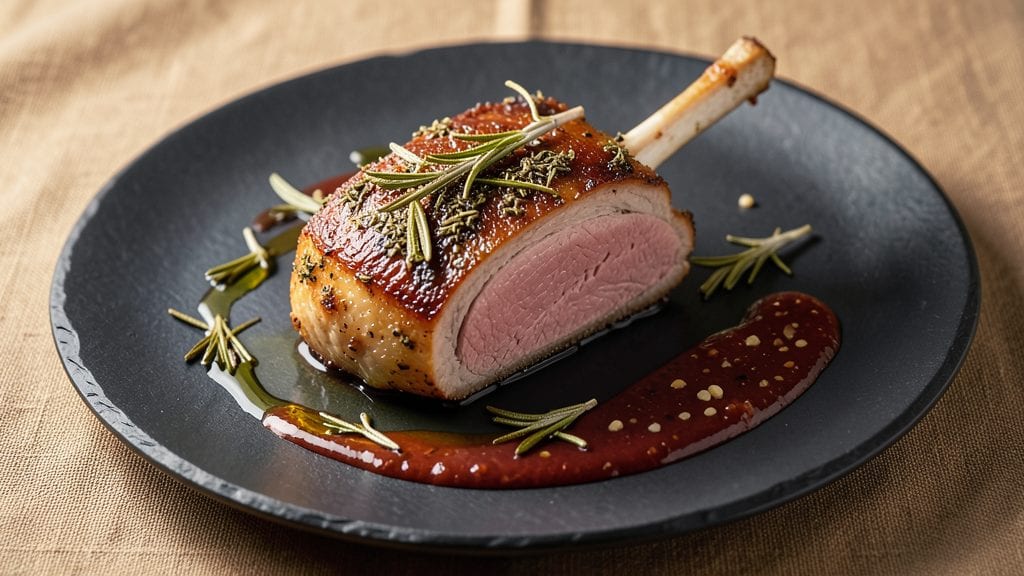
Mastering a bone-in pork loin sirloin roast transforms weeknight dinners into showstopping centerpieces—juicy, aromatic, and packed with flavor that lingers long after the last bite. Growing up in small-town Georgia, I learned that pork's magic lies in its bone and connective tissue, which unlocks tender perfection when cooked just right.
This herb-crusted method builds on those lessons, delivering restaurant-quality results with simple techniques anyone can master.
The secret weapon here is a reverse sear approach that ensures the meat stays moist while developing a golden, flavorful crust. You'll start with a low oven temperature to gently cook the pork through, then finish with a high-heat sear to create that coveted caramelized exterior.
Trussing the roast keeps everything compact, while the herb crust adds layers of aromatic depth that elevate every slice.
By the time you carve into this roast, you'll find meat that's tender enough to fall apart with just a fork, yet firm enough to hold its shape. The crust crackles with herbaceous notes, while the interior remains juicy and rich—proof that pork doesn't need fancy techniques to shine.
This method works equally well for holiday feasts or casual family dinners, making it a versatile addition to any cook's repertoire.
Pair it with roasted root vegetables or a crisp apple sauce to complete the meal. The leftovers reheat beautifully, too—just a reminder that great cooking often means planning ahead. Let's get started on creating your herb-crusted carnival of juiciness.
Ingredients for bone in pork loin sirloin roast
Bone-in pork loin sirloin roast meets herb-crusted perfection—juicy interior, crackling crust, and simple magic.
| Ingredient | Amount | Notes |
|---|---|---|
| Bone-In Pork Loin Sirloin Roast 🐷 | 4 lb | With bone, center-cut preferred |
| Dried Thyme Leaves 🌿 | 2 tbsp | Fresh if available, dried works |
| Dried Rosemary Leaves 🌿 | 1 tbsp | Chopped, for crust texture |
| Garlic Cloves 🧄 | 6 cloves | Minced, for aromatic punch |
| Dijon Mustard 🧂 | 2 tbsp | For moisture retention |
| Olive Oil 🫒 | ½ cup | Extra-virgin for richness |
| Salt 🧂 | 1 ½ tbsp | Kosher or sea salt |
| Black Peppercorns 🌶️ | 1 ½ tbsp | Freshly ground preferred |
| Brown Sugar 🍚 | 2 tbsp | For caramelized crust |
| Unsalted Butter 🧈 | ¼ cup | Melted, for basting |
| Apple Cider Vinegar 🍎 | 2 tbsp | For tenderizing |
| Kitchen Twine 🧵 | 1 piece | For trussing roast |
The pork is everything here. Center-cut bone-in loin gives you that perfect balance of meat and bone for maximum flavor infusion. Look for pieces with good marbling—Whole Foods or local butcher shops often have the best cuts. I always ask for it to be center-cut to ensure even cooking. The bone adds richness, but don't skip it—it's what makes this roast sing. If you can't find bone-in, bone-out loin works but won't have that same depth of flavor. Trussing is key—kitchen twine keeps everything compact while cooking.
Dijon mustard is your secret weapon for moisture. No Dijon? Plain yellow mustard works in a pinch, but you'll lose some depth. Fresh herbs are ideal but dried works at half the amount—just chop them fine. Brown sugar might seem like an odd choice, but it caramelizes beautifully on the crust, adding a subtle sweetness that balances the herbs. Want more garlic flavor? Add 1 extra minced clove to the crust mix. The apple cider vinegar tenderizes the meat—don't skip it or the pork will be tough.
This roast reheats beautifully—best the next day when flavors meld. Store in an airtight container for 4-5 days or freeze for up to 3 months. I always make extra because it's that good. For the crust, mix all dry ingredients first, then add wet—don't overmix or it won't stick. The melted butter for basting? Microwave it 40 seconds to just melt it, then stir it smooth before using. Leftovers reheat perfectly in the oven at 350°F for 20-30 minutes—just add a splash of water to the pan to keep it moist.
Why You'll Love This Recipe
- No Fancy Prep Needed: Honestly, this isn’t one of those recipes where you spend 30 minutes prepping. Just rub that Dijon mustard and chopped garlic all over the pork—no marinating, no soaking—then let it sit while you prep sides. The rosemary and thyme just get tossed on top, and boom, you’re done.
- Chef’s Kiss Crisp: That bone-in cut means you get this perfect balance—juicy, tender meat with a crispy edge from the bone. The Dijon mustard caramelizes just enough to add that little tangy kick that makes it irresistible. I’ll be real: you’ll forget to set the table because you’ll want to dig in first.
- Leftovers That Shine: Trust me, this roast improves the next day. Slice it thin for sandwiches, toss it into a grain bowl, or even chop it for tacos. My kids beg for pork sandwiches for days—no sad, dry meat here. It’s like getting a second main dish for free.
- Budget-Friendly Feast: Bone-in cuts are cheaper than boneless, and this recipe stretches far enough to feed six hungry people without breaking the bank. Plus, the herbs and mustard are pantry staples you probably already have. Here’s what sold me: I served this at a potluck and had leftovers for lunch the next day—no one even noticed the cost.
Step-by-step instructions for herb-crusted pork loin roast
This method delivers a perfectly juicy roast with an irresistible herb-crusted exterior every time.
Prepare the Roast for Maximum Flavor and Tenderness
Remove the bone-in pork loin sirloin roast from the refrigerator and let it sit at room temperature for 30 minutes. This ensures even cooking throughout. While it comes to temperature, prepare a marinade by combining the 2 tablespoons apple cider vinegar, 2 tablespoons Dijon mustard, 0.5 cup olive oil, 2 tablespoons brown sugar, 1.5 tablespoons salt, and 1.5 tablespoons freshly ground black peppercorns in a bowl. Whisk until fully combined.
Here's the thing—this marinade does double duty. The vinegar tenderizes the meat while the sugar and herbs create that signature crust. Gently rub this mixture all over the roast, including inside the cavity if your cut has one. Let it marinate for at least 1 hour (up to 4 hours for deeper flavor). The longer it sits, the more flavorful your roast will be.
Create the Herb Crust and Truss the Roast
In a small bowl, mix the 2 tablespoons dried thyme leaves and 1 tablespoon dried rosemary leaves with 1 tablespoon of the reserved marinade to form a paste. Spread this mixture evenly over the entire surface of the roast, pressing gently so it adheres. This creates that beautiful, flavorful crust we're after.
Next, truss the roast using the kitchen twine. Tie it every 2 inches along the length, pulling the twine snugly but not too tight—this helps the roast hold its shape and cook evenly. Don't skip this step; it makes a noticeable difference in how the meat cooks and how it looks on your plate.
Roast to Juicy Perfection with Basting
Preheat your oven to 325°F. Place the roast on a rack set inside a roasting pan (the rack allows air to circulate underneath). Roast for 1 hour 15 minutes, then baste with the melted 0.25 cup unsalted butter (melted by placing the butter in a small saucepan over low heat until just melted). This basting step is crucial—it adds moisture and helps develop that caramelized crust.
Continue roasting for another 1 hour 15 minutes, basting every 30 minutes with the melted butter. You'll know it's nearly done when the internal temperature reaches 145°F (use a meat thermometer inserted into the thickest part of the roast, not touching bone). The crust should be deep golden brown, and the juices should run clear when you pierce the thickest part with a knife.
Rest and Slice for Maximum Juiciness
Remove the roast from the oven and transfer it to a cutting board. Let it rest for 15-20 minutes before slicing. This resting period is non-negotiable—it allows the juices to redistribute throughout the meat. If you slice too soon, all those delicious juices will run out onto your cutting board instead of staying inside the meat where they belong.
Once rested, slice the roast into ½-inch thick pieces against the grain. The bone will make this easier—just work around it. Serve immediately with the pan juices spooned over the top. Each slice should be juicy, tender, and packed with that herb-crusted flavor that makes this roast so special.
Pro Tips For Making Bone In Pork Loin Sirloin Roast
- Trim the Fat First: Use kitchen shears to snip off any large fat caps or silver skin before seasoning—this ensures even browning and prevents soggy crusts. I used to skip this and ended up with uneven searing, so now I make it my first move.
- Sear the Bone Side Down: Place the pork bone-side against the hot pan for the first 2-3 minutes—it creates a deeper crust and locks in those rich juices. The meat side gets its turn later when you flip it, but this step is non-negotiable for flavor.
- Mash the Garlic: Don’t just chop those cloves—smash them with the side of your knife first, then mince. The cell walls break open, releasing more aroma, and your Dijon mustard rub will taste way more complex. Trust me, it’s worth the extra 10 seconds.
- Baste with Mustard Glaze: After 45 minutes in the oven, spoon that Dijon mustard mixture over the pork every 15 minutes—it caramelizes into a glossy, tangy crust that’s worth the fuss. I used to forget this, and the final dish felt flat; now it’s my secret weapon.
Best sauces and condiments for this dish
Classic Apple Cider Glaze
This tangy-sweet glaze elevates your roast to showstopping levels. Simmer ½ cup apple cider vinegar, ¼ cup brown sugar, and 1 tbsp Dijon mustard in a small saucepan over medium heat for 5 minutes until slightly thickened.
Brush generously over the roast during the last 15 minutes of cooking. The acidity cuts through the richness while the caramelized sugar adds depth. 🍎
Herb Butter Basting Sauce
Melt ¼ cup unsalted butter with 1 tbsp chopped fresh thyme and 1 minced garlic clove over low heat. Keep warm in a small saucepan and baste the roast every 30 minutes during cooking.
This technique locks in moisture while building a golden crust. I use my Lodge cast iron skillet for even heating—it never fails me. 🧈
Spicy Brown Sugar Rub
For a kick, mix 2 tbsp brown sugar, 1 tsp smoked paprika, ½ tsp cayenne pepper, and 1 tsp kosher salt. Rub this blend all over the roast after marinating.
The cayenne adds subtle heat that pairs beautifully with the herb crust. I learned this trick from a pitmaster in Charleston—it's a game-changer for bold flavors. 🌶️
Creamy Horseradish Sauce
Blend ½ cup sour cream, 2 tbsp prepared horseradish, 1 tbsp lemon juice, and 1 tsp Dijon mustard until smooth. Serve alongside sliced roast for a cooling contrast to the rich pork.
The horseradish cuts through the fat while adding a bright, peppery finish. This is my go-to sauce for holiday meals. 💛
Red Wine Reduction
Deglaze your roasting pan with ½ cup dry red wine (I prefer Cabernet Sauvignon) after removing the roast. Simmer with 1 tbsp butter and 1 tsp thyme until reduced by half.
Spoon this rich sauce over each serving for an elegant touch. The wine's acidity brightens the dish while adding complexity. 🍷
Honey Mustard Drizzle
Whisk together 2 tbsp honey, 1 tbsp Dijon mustard, and 1 tbsp apple cider vinegar. Drizzle lightly over sliced roast just before serving.
The sweetness balances the herb crust while adding a glossy finish. This is perfect for picky eaters who might shy away from stronger flavors. 🍯
Nutrition facts
Frequently asked questions
Why does this recipe use a bone-in cut?
The bone-in pork loin sirloin roast delivers unmatched flavor and moisture. The bone infuses the meat as it roasts, creating a richer taste, while the connective tissue keeps the meat tender. Plus, the bone helps stabilize the roast during cooking, preventing it from shrinking too much. For even cooking, always choose a center-cut piece with a prominent bone.
Can I substitute bone-in pork loin for bone-out?
Yes, but you'll lose some depth of flavor. Bone-out loin will cook faster and won't have the same richness. If using bone-out, increase the roasting time by 15-20 minutes and baste more frequently to compensate. For best results, stick with bone-in for that authentic carnival of juiciness.
How do I know when the roast is fully cooked?
Use a meat thermometer to check the internal temperature—it should reach 145°F in the thickest part (not touching bone). The juices should run clear when pierced, and the crust should be deep golden brown. Never rely on color alone, as pork can vary in doneness appearance.
What's the best way to reheat leftovers?
Slice the roast and reheat in a skillet over medium-low heat with a splash of water or broth for 5-7 minutes per side. For oven reheating, cover with foil and bake at 325°F for 20-30 minutes. Never microwave—it dries out the meat. Leftovers keep well for 4-5 days in an airtight container.
Can I make this roast ahead of time?
Cook the roast fully, then let it cool completely before refrigerating. Reheat gently the next day—this actually improves the flavor as the juices redistribute. For make-ahead prep, marinate overnight for even deeper flavor infusion. The crust will still be crispy when reheated properly.