
Main Courses
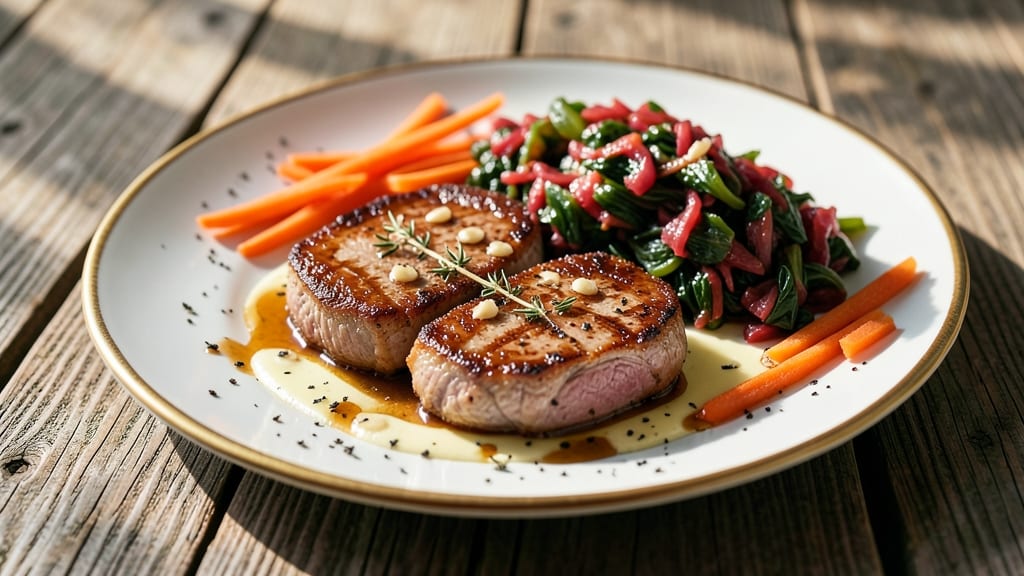
Mastering a boneless pork and sauerkraut recipe transforms simple ingredients into a deeply satisfying meal that balances rich protein with tangy fermented crunch. Growing up in small-town Georgia, I learned how pork's natural sweetness complements sauerkraut's sharp acidity, creating a dish that feels both rustic and refined.
This technique uses pan-seared pork chops for crisp edges and tender centers, paired with sautéed sauerkraut that softens just enough to release its complex flavors.
The key to this recipe lies in the balance of textures and temperatures—searing the pork over high heat develops a flavorful crust, while simmering the sauerkraut on the stovetop preserves its natural tang without overcooking.
With just 20 minutes of active prep and 30 minutes of hands-off cooking, you'll have a complete meal that's hearty enough for a weeknight dinner but impressive enough for guests.
What makes this dish truly special is how the flavors evolve as they cook. The pork absorbs the sauerkraut's acidity, creating a sauce that clings to every bite, while the kraut's fermented crunch provides a satisfying contrast.
The result is a restaurant-quality meal that feels like a home-cooked tradition—just as my grandmother used to make it back in Georgia.
Serve this dish with crusty bread to soak up the juices or alongside roasted potatoes for a complete meal. The leftovers reheat beautifully, making it perfect for meal prep. Let's get cooking!
Ingredients for boneless pork and sauerkraut
Simple ingredients elevated by technique—where rustic tradition meets refined flavor balance.
| Ingredient | Amount | Notes |
|---|---|---|
| Boneless Pork Chops 🥩 | 1 ½ lb | 1-inch thick, cut even |
| Sauerkraut 🥬 | 3 cups | Unopened jar, drained |
| Unsalted Butter 🧈 | 3 tbsp | Cold, cut into pieces |
| Fresh Thyme 🌿 | ½ oz | Stems removed, chopped |
| Garlic Cloves 🧄 | 4 cloves | Peeled, minced |
| Carrots 🥕 | 2 medium | Peeled, sliced thin |
| Yellow Onion 🧅 | 1 whole | Diced, medium size |
| Apple Cider Vinegar 🍎 | 2 tbsp | Bottled, unfiltered |
| Brown Sugar 🍚 | 1 tbsp | Packed, light |
| Salt 🧂 | 1 ½ tsp | Diamond Crystal preferred |
| Black Pepper 🌶️ | ½ tsp | Freshly cracked |
| Crusty Bread 🍞 | 4 slices | Baguette or sourdough |
| Olive Oil 🫒 | 1 tbsp | For searing pork |
The pork chops require precise thickness for even cooking. Ask your butcher to cut them 1-inch thick if buying whole; otherwise, use a meat mallet to even any uneven pieces. Costco or Whole Foods typically carry pre-cut boneless chops with consistent thickness. Sauerkraut quality matters—look for jars with vibrant color and minimal liquid at the top, indicating freshness. Reinhart Foods or Bubbies brands are excellent choices for authentic flavor. The carrots should be firm with bright orange color; avoid any with soft spots or wilting tops.
No fresh thyme? Dried thyme at half the amount works, but fresh provides superior aroma. Substitute apple cider vinegar with red wine vinegar>—use the same quantity. For a sweeter touch, swap brown sugar for honey or maple syrup, though brown sugar's molasses notes complement the dish better. If you prefer a different bread, ciabatta or rye> both pair beautifully. The olive oil for searing should have a high smoke point—Avocado oil> is ideal if you want extra insurance against burning. For a deeper flavor, consider adding 1 tsp smoked paprika> to the pork seasoning.
Store any leftover pork in an airtight container for up to 4 days> in the refrigerator, though it reheats best within 2 days>. Sauerkraut can be refrigerated for 3-4 weeks> once opened, but for optimal freshness, use it within 1 week>. The bread should be stored in a paper bag at room temperature to maintain crispness. For meal prep, portion the pork and sauerkraut separately—reheat the pork in a skillet with a splash of broth, then warm the sauerkraut in a separate pan to preserve its texture.
Why You'll Love This Recipe
- One-Pan Magic: I swear by this recipe when I’m too tired to scrub pots—just sear the pork, add the drained sauerkraut, and let the butter and thyme work their flavor while I chop veggies for the side. The juices caramelize right in the pan, so cleanup is basically nonexistent.
- Savory Tang Perfection: That sauerkraut isn’t just a side—it’s the star. The tang cuts through the richness of the butter-basted pork, while the garlic and thyme add layers that make every bite ridiculously good. Honestly, I’ve had people ask if I bought it at a German deli.
- Leftovers That Beg for More: This dish actually improves the next day. The pork stays tender, the sauerkraut soaks up all the flavor, and reheating it in a skillet with a splash of water gives it a restaurant-worthy finish. I’ve packed this in lunches for three days straight—no complaints.
- Budget Meal for Crowds: A single pork chop and a jar of sauerkraut stretch to feed four (yes, even on a Tuesday night). The butter and garlic are the only splurges, but they make it feel special without breaking the bank. My college roommates and I lived on this—cheap, filling, and always delicious.
Step-by-step instructions for savory pork and fermented vegetable stew
This method delivers perfectly seasoned pork with a rich, tangy fermented crunch that balances every bite.
Sear the Pork Chops for Maximum Flavor
Pat the 1.5 lb boneless pork chops completely dry with paper towels—this ensures a proper sear. Heat 1 tbsp olive oil in a large Dutch oven over medium-high heat until shimmering. Place the pork chops in the pan and sear for 3-4 minutes per side until they develop a deep golden-brown crust. The reason for this step is simple: the Maillard reaction creates that irresistible caramelized flavor that forms the foundation of the dish.
Once browned, remove the pork chops and set them aside on a plate. Here's where it gets important: don't clean the pan. Those browned bits (fond) are packed with flavor that will dissolve into the sauce. Keep the heat at medium for the next steps.
Build the Flavor Base with Aromatics
In the same Dutch oven, add 3 tbsp cold unsalted butter and let it melt completely. Add the 1 whole yellow onion and 2 medium carrots (already sliced thin) to the pan. Cook for 5-6 minutes until the vegetables begin to soften and take on a slight golden hue. This step develops the sweetness in the vegetables and prepares them for the simmering process.
Next, add the 4 cloves minced garlic and 0.5 oz chopped fresh thyme to the pan. Stir for 30 seconds until fragrant—this releases the essential oils that will infuse the entire dish. The thyme should be visibly wilted but still vibrant in color. This is the moment that matters: if the garlic begins to brown too quickly, reduce the heat slightly to prevent bitterness.
Create the Tangy Sauce Foundation
Pour in the 2 tbsp apple cider vinegar and 1 tbsp packed brown sugar, stirring well to combine. Let this mixture simmer for 2 minutes until slightly reduced. This step balances the acidity with a touch of sweetness, creating the perfect foundation for the sauerkraut. The vinegar will also help break down some of the tougher fibers in the pork.
Add the 3 cups drained sauerkraut to the pan and stir gently to distribute it evenly. Sprinkle in 1.5 tsp salt and 0.5 tsp freshly cracked black pepper. The sauerkraut will release its tangy juices as it heats, which is why we add it now—this ensures the flavors meld perfectly with the other components. Let the mixture simmer for 3-4 minutes until the sauerkraut begins to soften slightly.
Simmer the Pork to Tender Perfection
Return the seared pork chops to the Dutch oven, spooning some of the sauerkraut mixture over the top of each chop. This ensures they stay moist and continue to absorb flavor. Add enough liquid (about ½ cup water) to the pan to create a gentle simmer—you want the pork to cook slowly and evenly without steaming.
Cover the Dutch oven and reduce the heat to low. Let the pork simmer for 20-25 minutes, or until it reaches an internal temperature of 145°F and the juices run clear when pierced with a meat thermometer. Here's the thing—pork is best when cooked to this temperature to ensure tenderness without drying out. Don't rush this step; the slow cooking allows the flavors to develop fully.
Rest and Serve with Crusty Bread
Once the pork reaches the proper temperature, remove it from the heat and let it rest for 5-10 minutes. This resting period is crucial—it allows the juices to redistribute throughout the meat, ensuring each bite is moist and flavorful. During this time, taste the sauerkraut mixture and adjust the seasoning if needed, adding a pinch more salt or pepper if necessary.
Slice the pork chops into ½-inch thick portions and serve them directly from the Dutch oven, spooning the sauerkraut mixture over the top. The contrast between the tender pork and the tangy, crunchy sauerkraut creates a perfect balance of textures. Serve with 4 slices crusty bread on the side to soak up every last bit of that delicious sauce.
Pro Tips For Making Boneless Pork And Sauerkraut
- Sear Pork First: DESCRIPTION: Don’t skip the high-heat sear—this isn’t a slow-cooked dish. Pat the pork chops bone dry (yes, even if they’re thin), then hit a screaming-hot pan with butter and garlic for 2-3 minutes per side until deeply browned. The caramelized crust locks in flavor, and the sauerkraut won’t just sit there like sad vegetables.
- Drain That Kraut: DESCRIPTION: Sauerkraut comes packed in its own brine, and that liquid turns your pan into a greasy mess if you don’t drain it first. Use a slotted spoon to transfer the kraut to a bowl, then squeeze out excess moisture with your hands—this prevents soggy pork and lets the butter actually brown instead of steaming. (Trust me, your future self will thank you.)
- Braise Low and Cover: DESCRIPTION: After searing, toss the pork into the sauerkraut with thyme and butter, then cover the pan tightly with foil or a lid. Simmer on the lowest heat setting (250°F if your stove allows it) for 20-25 minutes—this melts the collagen in the pork without drying it out. High heat here = tough meat, and no one wants that.
- Mash the Thyme: DESCRIPTION: Fresh thyme isn’t just for garnish—crush those sprigs between your palms before adding them to the pan. This releases the oils and aromatics, so they infuse the pork and sauerkraut instead of sitting pretty on top like decorative leaves. (I used to skip this, and the dish always tasted almost right.)
Pro cooking tips for great boneless pork and sauerkraut
Pork Sear Secrets
Never skip the sear—this is where the magic happens. I use a Lodge cast iron Dutch oven because it retains heat beautifully and creates that perfect crust. Pat the pork bone-dry with paper towels before searing, and don’t overcrowd the pan.
If you’re working with more than two chops, sear them in batches to maintain that medium-high heat for those 3-4 minutes per side. The goal is a deep golden-brown crust, not charred edges. 🔥
Here’s my pro tip: After searing, resist the urge to clean the pan. Those browned bits (fond) are flavor gold—they’ll dissolve into your sauerkraut mixture later, adding depth. Just leave them in the pan and keep the heat at medium for the next steps.
Sauerkraut Texture Control
Sauerkraut can go from perfect to mushy in seconds, so keep an eye on it. I like to add it after the aromatics (onions, carrots, garlic) have softened but before the pork returns to the pot.
The key is gentle heat—simmer it for just 3-4 minutes until it softens slightly but still holds its crunch. Overcooking releases too much liquid and turns it into a watery mess.
For extra tang, stir in 1 tsp apple cider vinegar at the end if your sauerkraut isn’t punchy enough. And if you’re using frozen sauerkraut, thaw and drain it first—excess moisture will dilute the flavors.
Butter vs. Oil
Cold butter is your friend here. Adding 3 tbsp cold unsalted butter to the pan after searing the pork creates a holy trinity of flavors: the butter adds richness, the onions and carrots caramelize, and the thyme infuses its earthy notes.
Use European-style unsalted butter like Plugrá—it has a higher fat content and melts more smoothly than American brands.
If you’re watching your fat intake, substitute 1 tbsp olive oil for 1 tbsp of the butter, but don’t skip the butter entirely. The fat is what carries all those beautiful aromatics and helps create a silky sauce.
Low-and-Slow Simmer
The 20-25 minute low-and-slow simmer is non-negotiable. This is where the pork transforms from tough to tender. Use a meat thermometer—aim for 145°F internal temperature. If your pork is thicker than 1 inch, add 5-10 extra minutes to the simmer time.
Covering the Dutch oven traps steam, which keeps the pork moist and the sauerkraut from drying out.
Pro move: Add ½ cup water or apple cider to the pan before simmering. This creates a light sauce that clings to the pork and sauerkraut, tying everything together. If the liquid evaporates too quickly, add a splash more—just enough to keep a gentle simmer.
Resting Like a Pro
Skipping the rest is the fastest way to dry, stringy pork. Let those chops rest for 5-10 minutes before slicing. During this time, the juices redistribute, and the pork stays juicy.
I like to tent them loosely with foil to keep them warm while they rest. Trust me, this step makes all the difference in the world. 💡
While the pork rests, taste the sauerkraut mixture and adjust seasoning. A pinch of smoked paprika or fresh dill can elevate the dish if you’re feeling fancy. The goal is balance—tangy, savory, and just a hint of sweetness from the carrots and brown sugar.
Nutrition facts
Frequently asked questions
Can I substitute pork chops with pork shoulder or pork tenderloin?
For pork shoulder, cut it into 1-inch cubes and braise them instead of searing—this dish becomes a hearty stew. Pork tenderloin works too, but slice it into ½-inch medallions for even cooking. The key is keeping the pieces uniform so they cook at the same rate.
How do I prevent the sauerkraut from getting too mushy?
Simmer the sauerkraut for only 3-4 minutes after adding it to the pan—just until it softens slightly. Use gentle heat and avoid stirring constantly, which breaks down the texture. For extra crunch, add 1 tbsp apple cider vinegar at the end to brighten the flavor without overcooking.
Can I make this dish in a slow cooker?
Yes! Sear the pork chops first, then combine everything in the slow cooker with ½ cup water or broth. Cook on low for 6-7 hours or high for 3-4 hours. The slow cooker keeps the pork tender and the sauerkraut's texture intact. Just skip the final simmer step—it’s already done!
What’s the best way to reheat leftovers?
Reheat pork and sauerkraut separately to preserve texture. Warm the pork in a skillet with a splash of broth over medium heat for 3-4 minutes. For the sauerkraut, heat it in a separate pan with 1 tbsp butter or oil> for 2-3 minutes>—just until warmed through. Never microwave sauerkraut, as it turns soggy.