Sauces & Condiments
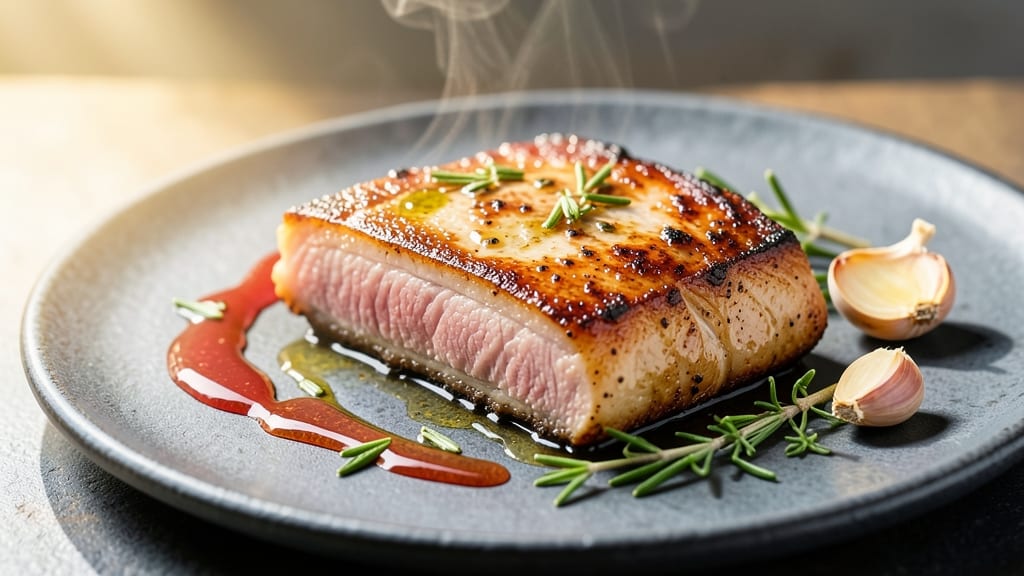
This garlic-herb pork chop marinade transforms tough boneless cuts into melt-in-your-mouth perfection—juicy, aromatic, and packed with flavor in just 30 minutes of marinating.
Growing up in small-town Georgia, I learned pork chops deserve more than just salt and pepper, and this marinade became my family’s secret weapon for weeknight dinners that taste like Sunday supper.
The combination of acid, oil, and fresh herbs doesn’t just flavor the meat—it tenderizes it, ensuring every bite stays succulent even after cooking.
The foundation of this marinade is a balance of olive oil and apple cider vinegar, which break down muscle fibers while infusing deep, savory notes.
Fresh garlic, rosemary, and thyme add layers of aroma that penetrate the pork, while a touch of honey caramelizes slightly during cooking for natural sweetness.
I developed this recipe after years of testing marinades for my pigs at The Smoky Pig—it’s the same technique I use for restaurant-quality results at home, scaled down for your kitchen.
What sets this marinade apart is its versatility: it works equally well for grilling, pan-searing, or even baking, and the flavors deepen the longer it sits. After marinating, your pork chops will develop a golden crust outside while remaining tender and juicy inside, with herbaceous notes that linger.
The best part? You’ll use half the ingredients of store-bought blends, with none of the artificial aftertaste. Let’s get started—your next pork chop dinner is about to get an upgrade.
For maximum flavor, marinate for at least 30 minutes (up to 4 hours for deeper penetration), and always pat the chops dry before cooking to ensure that perfect sear. This marinade keeps well in the fridge for 5 days, so you can prep ahead for busy nights.
Whether you’re feeding a family or treating yourself, this is the marinade that turns simple pork into something extraordinary.
Ingredients for boneless pork chop marinade
Eight simple ingredients transform basic pork chops into restaurant-quality masterpieces.
| Ingredient | Amount | Notes |
|---|---|---|
| Extra-Virgin Olive Oil 🫒 | ½ cup | High-quality, fruity variety preferred |
| Apple Cider Vinegar 🍏 | ¼ cup | Raw, unfiltered for best flavor |
| Fresh Garlic Cloves 🧄 | 6 cloves | Minced, not pre-minced jarred |
| Fresh Rosemary 🌿 | ¼ cup | Finely chopped, stems removed |
| Fresh Thyme Leaves 🌿 | ¼ cup | Stems removed, loosely packed |
| Raw Honey 🍯 | 2 tbsp | Wildflower or clover variety |
| Diamond Crystal Kosher Salt 🧂 | 1 ½ tsp | Fine grain preferred |
| Freshly Ground Black Pepper 🌶️ | ½ tsp | Coarse grind for texture |
The olive oil is non-negotiable—California Avocado Ranch or Colavita are my go-tos for that perfect balance of peppery and fruity notes. Apple cider vinegar should be raw and unfiltered (like Bragg or Texas Pete) for that tangy depth. Fresh herbs are worth the splurge: grab rosemary with needle-like leaves and thyme with vibrant green sprigs—Whole Foods or local farmers markets have the freshest. The garlic? Never pre-minced—it oxidizes fast and loses flavor. I always buy extra garlic cloves and freeze them whole for future marinades.
No fresh rosemary? Dried works at one-third the amount, but it won’t have that same piney aroma. Short on thyme? Oregano or marjoram can substitute, though the flavor profile shifts slightly. Running out of apple cider vinegar? White wine vinegar or lemon juice both work, but add a pinch of sugar to balance the acidity. The honey can be swapped for maple syrup if you’re avoiding refined sugar, though it’ll taste slightly different. For extra depth, I sometimes add a dash of smoked paprika—it pairs beautifully with pork.
This marinade keeps beautifully in an airtight jar in the fridge for 5 days, though it’s best used within 3 days for peak freshness. For long-term storage, divide into ice cube trays, freeze, and transfer to a bag—6 months of flavor waiting to be used. Always shake the jar before using, as the herbs settle. The marinade doubles as a fantastic dipping sauce for grilled pork—just reduce it slightly on the stove with a splash of water.
Why You'll Love This Recipe
- Five-Ingredient Magic: I swear by this combo—just oil, vinegar, garlic, rosemary, and thyme. No fancy prep, no measuring cups, just dump-and-go. That apple cider vinegar alone cuts through the richness while the garlic and herbs cling to the pork like a flavor hug.
- Crispy-Creamy Dream: The olive oil keeps it juicy inside while the vinegar gives that perfect sear. Between us, that crispy edge with the tender center? I’ll take it over a dry chop any day.
- Weeknight to Weekend: Marinate a few hours for dinner, then toss the leftovers in a stir-fry or sandwich the next day. Honestly, I’ve used this on everything from grilled pork to pasta—it’s my secret weapon for lazy nights and fancy dinners alike.
- Budget-Friendly Flex: Fresh herbs and garlic might seem pricy, but a little goes a long way. This marinade stretches to feed four for under $10, and the leftovers? Even better the second time around. (Yes, even on a Tuesday night.)
Step-by-step instructions for garlic-herb pork chop marinade
This marinade transforms simple boneless pork chops into melt-in-your-mouth perfection.
Prepare the Fresh Herbs and Aromatics
Start by finely chopping the 0.25 cup fresh rosemary and 0.25 cup fresh thyme leaves, removing any woody stems. I like to use a sharp chef's knife for this—it gives you better control than a food processor, which can bruise the delicate leaves. You'll want the herbs to be as finely minced as possible so they distribute evenly throughout the marinade.
Next, carefully peel and mince the 6 cloves fresh garlic. For the best flavor, I recommend using a garlic press rather than a knife—it ensures even mincing and releases more of the garlic's natural oils. Set these prepared ingredients aside in a small bowl while you combine the liquid components.
Whisk Together the Liquid Base
In a medium bowl, combine the 0.5 cup extra-virgin olive oil, 0.25 cup apple cider vinegar, and 2 tbsp raw honey. Whisk vigorously for about 30 seconds until the honey is completely dissolved and the mixture is smooth. The vinegar will help tenderize the pork while the honey adds subtle sweetness that balances the herbs.
Here's the thing—don't rush this step. The honey needs time to fully incorporate, and whisking helps emulsify the olive oil with the acidic vinegar. You should see the mixture become slightly cloudy as the honey blends completely. This is your signal that the base is ready for the next ingredients.
Incorporate Herbs, Salt, and Pepper
Add the minced garlic, chopped rosemary, and thyme leaves to the liquid base. Stir well to distribute the herbs evenly. Then, sprinkle in the 1.5 tsp diamond crystal kosher salt and 0.5 tsp freshly ground black pepper, mixing until fully combined. The salt will penetrate the pork's surface, enhancing flavor and helping to break down proteins for maximum tenderness.
Give the marinade one final taste—it should be bright, aromatic, and slightly tangy. If you find it needs more balance, you can add a tiny pinch more salt, but I've found this ratio works perfectly for juicy pork chops. The marinade should have a thick, syrupy consistency that will cling beautifully to the meat.
Marinate the Pork Chops
Place the boneless pork chops in a shallow dish or resealable plastic bag. Pour the marinade over the chops, making sure each piece is thoroughly coated on all sides. If using a bag, seal it tightly and massage the marinade into the meat for about 30 seconds to ensure even distribution.
Cover and refrigerate for at least 4 hours, but I recommend marinating overnight for 8-12 hours if possible. This extended time allows the flavors to deeply penetrate the meat while the acid in the vinegar gently tenderizes the fibers. The longer you marinate, the more flavorful and juicy your pork chops will become—just don't exceed 24 hours, as the acid can start to break down the meat's texture.
Cook with Care for Maximum Juiciness
When ready to cook, remove the pork chops from the refrigerator and let them sit at room temperature for 15-20 minutes. This ensures even cooking. Heat a skillet over medium-high heat and add just enough oil to coat the bottom lightly—you don't need much since your pork chops are already well-marinated.
Cook the chops for 4-5 minutes per side until they reach an internal temperature of 145°F (measured with a meat thermometer). You'll know they're ready when the edges are golden brown and the meat releases easily from the pan. Let them rest for 5 minutes before serving—this crucial step allows the juices to redistribute, ensuring every bite is succulent and flavorful.
Pro Tips For Making Boneless Pork Chop Marinade
- Mince That Garlic: DESCRIPTION:
- Let It Work: DESCRIPTION:
- Dry the Pork First: DESCRIPTION:
- Toast the Herbs: DESCRIPTION:
Troubleshooting your boneless pork chop marinade
Over-Marinating Risks
Leaving pork chops in the marinade for more than 24 hours can turn tender meat into mushy disappointment. The acid in apple cider vinegar breaks down muscle fibers too aggressively, causing the texture to become grainy and waterlogged.
I've seen this happen at The Smoky Pig when interns forget to pull the meat in time—12-16 hours is the sweet spot for maximum flavor without sacrificing texture. 🌡️
Uneven Marinade Distribution
If your pork chops have dry spots or lack flavor, you likely didn't coat them thoroughly. For even coverage, I recommend using a resealable plastic bag and massaging the marinade into the meat for 30 seconds.
Flip the chops every 2 hours during marinating to ensure all sides absorb the flavor. A shallow dish works too, but you'll need to turn the chops manually.
Pale, Soggy Results
Pale pork chops after cooking usually mean the marinade wasn't balanced properly or the meat sat in the fridge too long before cooking. Let your chops rest at room temperature for 15-20 minutes before searing to ensure proper browning.
If using an older marinade (beyond 3 days), add ½ tsp lemon juice to refresh it before using.
Herb Settling Issues
When herbs clump at the bottom of your marinade jar, they lose their potency. Always shake the jar vigorously before using, especially if storing for multiple days. For extra insurance, strain the marinade through a fine-mesh sieve before applying to the meat—this removes settled herbs while keeping the flavorful liquid.
I keep a dedicated jar just for this marinade to avoid cross-contamination.
Excessive Stickiness
If your pork chops come out glued to the pan, you likely used too much honey or didn't pat them dry before cooking. After marinating, blot both sides of each chop with paper towels to remove excess moisture.
For a restaurant-quality sear, use a cast-iron skillet heated to medium-high and add just enough oil to coat the bottom lightly.
Weak Flavor Development
Short marinating time or using stale ingredients can result in bland pork chops. For best results, marinate for at least 4 hours, but overnight develops deeper flavor. If your herbs smell dull, replace them—freshness is critical.
I always buy rosemary and thyme from local farmers markets where they're harvested that morning. For extra punch, add 1 tsp smoked paprika to the marinade before applying to the meat. 💡
Nutrition facts
Frequently asked questions
Can I use this marinade for other cuts of pork?
This garlic-herb marinade works beautifully for pork tenderloin, pork loin chops, and even pork shoulder. For thicker cuts like pork chops, the 4-24 hour marinating window ensures deep flavor penetration. For pork tenderloin, marinate for 2-4 hours maximum to avoid over-tenderizing. The acidity and herbs complement all these cuts wonderfully!
What if I don't have fresh rosemary or thyme?
No problem! Use ½ tsp dried rosemary and ½ tsp dried thyme instead of the fresh amounts. For extra depth, add ½ tsp dried oregano or 1 tsp smoked paprika to compensate for the missing piney notes. The flavor will still be delicious—just slightly different in profile.
How do I make this marinade spicier?
Add ½ tsp cayenne pepper or 1 tsp hot sauce (like Tabasco) to the marinade for heat. For a smoky kick, include ½ tsp chipotle powder or 1 tsp crushed red pepper flakes. Always taste before applying—you can adjust the spice level to your preference.
Can I reuse leftover marinade?
Yes, but only if you boil it first for 5 minutes to kill bacteria. Never reuse marinade that's touched raw meat without cooking it thoroughly. For extra flavor, reduce the leftover marinade on the stove with a splash of water until it thickens slightly—it makes a fantastic pan sauce for your cooked pork chops!
Why did my pork chops turn out dry?
Dry pork chops usually happen from overcooking or skipping the rest time. Cook to 145°F internal temp and let them rest for 5 minutes before serving. Also, avoid over-marinating (24 hours max)—the acid can break down the meat's texture. Pat them dry before cooking for a better sear and juicier result.