
Sauces & Condiments
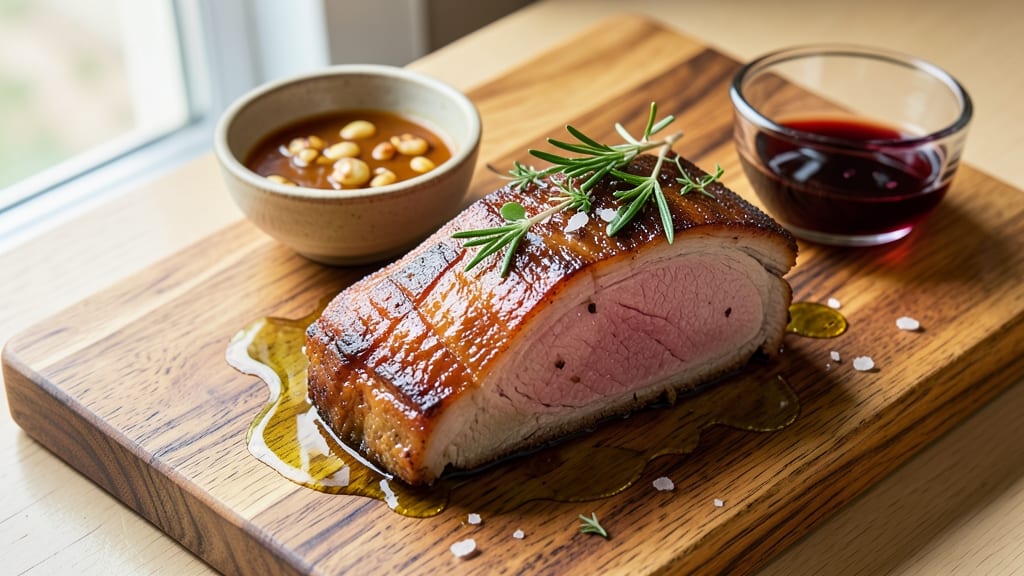
A garlic-herb marinade for boneless pork loin transforms tough cuts into melt-in-your-mouth perfection—just like my grandma used to make in her Georgia kitchen. This blend of olive oil, acid, and aromatic herbs doesn’t just flavor the meat; it tenderizes it deeply, ensuring every bite stays juicy even after cooking.
I developed it while perfecting my pitmaster techniques, and it’s become my go-to for restaurant-quality results at home.
The secret lies in balancing acidity with fat—white wine vinegar brightens while olive oil keeps the meat supple. Fresh garlic, rosemary, and thyme infuse bold flavor without overpowering, while black pepper adds a subtle kick.
This marinade works best when applied generously and given at least 4 hours (overnight is ideal) to work its magic. The result? Pork so tender it nearly falls apart, with layers of savory, herby goodness in every bite.
What makes this marinade special is its versatility—use it for roasts, chops, or even quick grilled pork tenderloin. The herbs stay vibrant, and the acidity cuts through richness, making it perfect for pairing with roasted vegetables or a crisp white wine.
Once you try this, store-bought marinades will never measure up again. Let’s get started on creating your own restaurant-worthy blend.
For best results, always marinate pork in the refrigerator, never at room temperature. If you’re short on time, even 30 minutes of marinating will improve flavor and texture—though longer is always better. This recipe yields enough for 2 pounds of pork, so double it if you’re feeding a crowd.
The leftovers keep well in the fridge for up to 5 days, making it perfect for meal prep.
Ingredients for boneless pork loin marinade
This aromatic garlic-herb marinade transforms tough pork into melt-in-your-mouth perfection—just like my grandma's secret.
| Ingredient | Amount | Notes |
|---|---|---|
| Extra-Virgin Olive Oil 🫒 | ½ cup | High-quality, fruity, cold-pressed |
| White Wine Vinegar 🍷 | ¼ cup | Dry variety for brightness |
| Garlic Cloves 🧄 | 8 whole | Freshly minced, no pre-minced |
| Fresh Rosemary 🌿 | ¼ cup | Finely chopped, stems removed |
| Fresh Thyme Leaves 🌿 | 2 tbsp | Or 2 sprigs finely chopped |
| Kosher Salt 🧂 | 1 ½ tsp | Diamond Crystal preferred |
| Freshly Ground Black Pepper 🌶️ | 1 tsp | Cracked peppercorns preferred |
| Honey 🍯 | 1 tbsp | Wildflower for depth |
| Ground Black Peppercorns 🌶️ | ½ tsp | Freshly cracked for intensity |
| Fresh Lemon Juice 🍋 | 1 tbsp | Freshly squeezed, no bottled |
The olive oil is non-negotiable—look for extra-virgin with a peppery finish at specialty markets or Whole Foods. Garlic should smell vibrant, not musty, and fresh rosemary with needle-like leaves beats dried any day. I always grab rosemary from Trader Joe's—their organic bunch stays fresh for weeks. The white wine vinegar? Dry, not sweet, or the acidity gets muddled. Don't skimp on the honey either—raw wildflower adds complexity that store-bought can't match. For the pepper, crack fresh peppercorns in a mortar if you're feeling fancy.
No fresh rosemary? Dried works at one-third the amount, but it's not the same. Out of white wine vinegar? Apple cider vinegar is a decent swap, though it'll taste slightly sweeter. Pre-minced garlic? Freshly minced is worth the 30 seconds—it releases more flavor. The honey can be swapped for maple syrup if you're avoiding sugar, though it'll taste different. For extra depth, add a pinch of smoked paprika if you're marinating for roasts. And always taste before applying—adjust salt or acid as needed.
Store any unused marinade in a glass jar in the fridge for up to 5 days. The herbs start to lose potency after 3 days, so use it up or freeze portions. I double the batch and freeze half—perfect for future pork chops or quick grilling. When reheating, never boil the marinade—just warm it gently to maintain freshness. This blend works magic on chicken too, but pork? It's absolutely essential for that restaurant-quality tenderness.
Why You'll Love This Recipe
- Five-Ingredient Magic: I swear by this combo—just oil, vinegar, garlic, rosemary, and thyme. No weird blends or hard-to-find stuff. Honestly, if you’ve got a pantry and a herb garden (or even just dried), you’re golden.
- Crispy-Creamy Payoff: The vinegar cuts through the fat while the olive oil keeps it juicy, and those smashed garlic cloves? They caramelize just enough to give every bite that oh yeah moment. Between us, it’s the kind of flavor that makes you want to lick the pan.
- Weeknight to Dinner Party: Marinate it for 2 hours before grilling for a quick weeknight meal, or let it sit overnight for weekend feasts. I’ve used it for everything from sheet-pan dinners to fancy charcuterie boards—no judgment if you serve it with just crusty bread and a glass of wine.
- Leftovers That Don’t Suck: This marinade turns pork into something so good that seconds (and thirds) happen without guilt. Slice it thin for sandwiches the next day, or chop it up for pasta—it’s that reliable. Plus, the ingredients cost less than takeout, so your wallet stays happy too.
Step-by-step instructions for boneless pork loin marinade
Transform your pork loin into restaurant-quality perfection with this bold garlic-herb marinade.
Prepare the Fresh Herbs and Aromatics
Start by finely chopping the 8 whole garlic cloves using a sharp chef's knife. I like to smash them lightly with the flat side of the blade first to release their oils before mincing. This ensures maximum flavor infusion into the marinade. Next, remove any woody stems from the 0.25 cup fresh rosemary and chop the needles finely—you want them small enough to blend seamlessly into the mixture. For the 2 tablespoons fresh thyme leaves, simply strip them from the sprigs if using whole sprigs, or finely chop if already leaf-only.
The key here is freshness—these herbs should smell vibrant and bright. If using dried herbs, you'd need less (about 1/3 the amount), but fresh delivers that restaurant-quality depth we're after. I always use a dedicated cutting board for herbs to keep my workspace organized and prevent cross-contamination with other ingredients.
Combine Wet Ingredients for Maximum Flavor
In a medium mixing bowl, whisk together the 0.5 cup extra-virgin olive oil, 0.25 cup white wine vinegar, 1 tablespoon honey, and 1 tablespoon fresh lemon juice. The olive oil should be high-quality and fruity—this is the base that carries all your flavors. Use a fork or whisk to emulsify these ingredients until smooth. The vinegar adds brightness that cuts through the richness of the pork, while the honey and lemon juice create a perfect balance of sweet and tangy notes.
This combination creates a silky base that will penetrate the pork loin beautifully. I always let this mixture sit for 5 minutes before adding the other ingredients—it allows the vinegar to slightly mellow and the honey to fully dissolve, creating a more cohesive marinade.
Incorporate Herbs, Seasonings, and Peppercorns
Add the finely chopped garlic, rosemary, thyme, 1.5 teaspoons kosher salt, 1 teaspoon freshly ground black pepper, and 0.5 teaspoon ground black peppercorns to the wet mixture. Give everything a thorough stir with a wooden spoon until all the herbs are fully incorporated and no dry spots remain. The peppercorns add a subtle, complex heat that elevates the marinade beyond basic seasoning.
Here's where the magic happens: the salt begins to break down the muscle fibers in the pork, while the acid in the vinegar and lemon juice works to tenderize it further. This combination is what guarantees that juicy, restaurant-quality result we're aiming for. Let the marinade rest for 10 minutes at room temperature before using—this allows all the flavors to meld together completely.
Apply the Marinade to Pork Loin
Place your boneless pork loin in a resealable plastic bag or shallow dish. Pour the marinade over the pork, ensuring it's completely coated on all sides. For best results, I like to massage the marinade into the meat using my hands—this helps it penetrate more deeply. Seal the bag if using one and refrigerate for at least 4 hours, but ideally overnight for maximum flavor development and tenderness.
The longer the pork marinates, the more flavor it absorbs and the more tender it becomes. If you're short on time, a minimum of 4 hours will still yield excellent results, but overnight marinating (up to 24 hours) is ideal. When ready to cook, pat the pork dry before searing—this ensures a perfect golden crust while keeping all that juicy flavor locked inside.
Pro Tips For Making Boneless Pork Loin Marinade
- Mince That Garlic: I learned this the hard way—whole cloves in a marinade just sit there like awkward guests. Crush those garlic cloves with the flat side of your knife or a garlic press first, then let them sit in the oil for 10 minutes before adding vinegar. That extra step makes the flavor actually penetrate the pork instead of just floating on top.
- Vinegar First, Not Last: The moment you mix vinegar with olive oil, the oil starts separating—it’s science, not drama. Add the vinegar last, right before tossing the pork, or whisk it in just before using. Your marinade stays emulsified longer, so the pork absorbs more flavor instead of swimming in a sad, split dressing.
- Don’t Crowd the Herbs: Fresh rosemary and thyme are bold, but too much turns your marinade into herbal tea. Use about 1 tablespoon each—tightly packed—and resist the urge to double it. If you love herbs, chop them fine so they distribute evenly without overpowering the pork’s natural taste.
- Let It Bloom: Skip the rush and let the marinade sit for at least 30 minutes before using it. The garlic and herbs need time to soften and release their oils into the olive oil—this is how the pork actually gets that infused flavor, not just a quick dip. (Yes, even if you’re impatient like me.)
Perfect pairings for this boneless pork loin marinade
Savory Side Dishes
This garlic-herb marinade pairs beautifully with roasted root vegetables like carrots, parsnips, and sweet potatoes—toss them in 2 tablespoons olive oil, 1 teaspoon kosher salt, and ½ teaspoon black pepper before roasting at 400°F for 25 minutes.
The caramelized edges contrast perfectly with the tender pork. For a lighter option, try sautéed spinach with garlic and a splash of lemon juice—it brightens the plate while cutting through the richness. 🥕
Crisp Vegetable Accompaniments
Grilled asparagus with a sprinkle of flaky sea salt and a drizzle of extra-virgin olive oil adds a fresh, slightly charred element to the meal. I also love charred Brussels sprouts—halve them, toss with 1 tablespoon olive oil, ½ teaspoon smoked paprika, and roast at 425°F for 20 minutes until crispy. Both sides hold up well to the bold flavors of the marinade.
Wine Pairings
A crisp Sauvignon Blanc from New Zealand—like Kim Crawford—cuts through the richness of the pork with its citrus and herbal notes. For a local Southern option, try a Georgia Chardonnay with subtle oak, such as Chateau Elan.
Both wines complement the garlic and rosemary while cleansing the palate between bites. 🍷
Beer Pairings
For beer lovers, a Belgian witbier like Hoegaarden provides a refreshing contrast with its coriander and citrus notes. Alternatively, a German Helles Lager—such as Weihenstephaner Original—offers a crisp, clean finish that pairs beautifully with the herby marinade. Avoid heavy IPAs or stouts, which can overpower the delicate flavors.
Sauce Enhancements
After cooking, finish the pork with a balsamic glaze—simmer ¼ cup balsamic vinegar and 1 tablespoon honey until reduced by half. Drizzle over sliced pork for a tangy-sweet contrast.
For extra depth, add a herb butter—mix 2 tablespoons softened butter with 1 teaspoon chopped rosemary and ½ teaspoon lemon zest, then melt over the finished dish. 💫
Nutrition facts
Frequently asked questions about garlic-herb pork loin marinade
Can I use this marinade on other meats besides pork loin?
This garlic-herb blend works beautifully on chicken breasts, pork tenderloin, and even beef sirloin. The acidity tenderizes lean cuts, while the herbs add depth to richer meats like lamb chops. Just adjust marinating time—chicken needs 2-4 hours while beef can handle 6-8 hours for maximum flavor infusion.
What if I don't have fresh rosemary? Can I substitute?
Yes, but with adjustments. Use 1/3 teaspoon dried rosemary (about 1/8 cup chopped) and add 1/4 teaspoon dried oregano for complexity. For a different profile, swap with 1/4 cup finely chopped sage—it pairs well with pork but has a distinct earthy flavor. The vinegar and garlic will still carry the marinade's brightness.
Is it safe to reuse leftover marinade?
<Never reuse marinade that's touched raw pork—it may contain harmful bacteria. However, you can save the unused portion (before contact with meat) in a sealed container for 5 days in the fridge. For extra safety, boil the leftover marinade for 3 minutes before using on cooked dishes like pasta or vegetables. Always err on the side of caution with raw meat juices.
How do I fix pork that's too dry after marinating?
If your pork turns out dry, the issue is usually cooking method—not the marinade. For future attempts: brine the pork first (soak in 1/4 cup salt per 4 cups water for 30 minutes), then use the marinade. When cooking, never exceed 145°F internal temp for medium doneness, and let it rest 10-15 minutes before slicing. For immediate fixes, slice thinly and serve with a rich pan sauce made from the cooking juices.
Can I make this marinade without honey?
Certainly! Replace the 1 tablespoon honey with 1 tablespoon maple syrup for a similar sweetness or 1/2 tablespoon Dijon mustard for tangy depth. For a sugar-free option, add 1/2 teaspoon liquid smoke to enhance the savory profile. The marinade will still work—just expect slightly different flavor notes. The acidity from vinegar and lemon keeps the balance intact.