
Main Courses
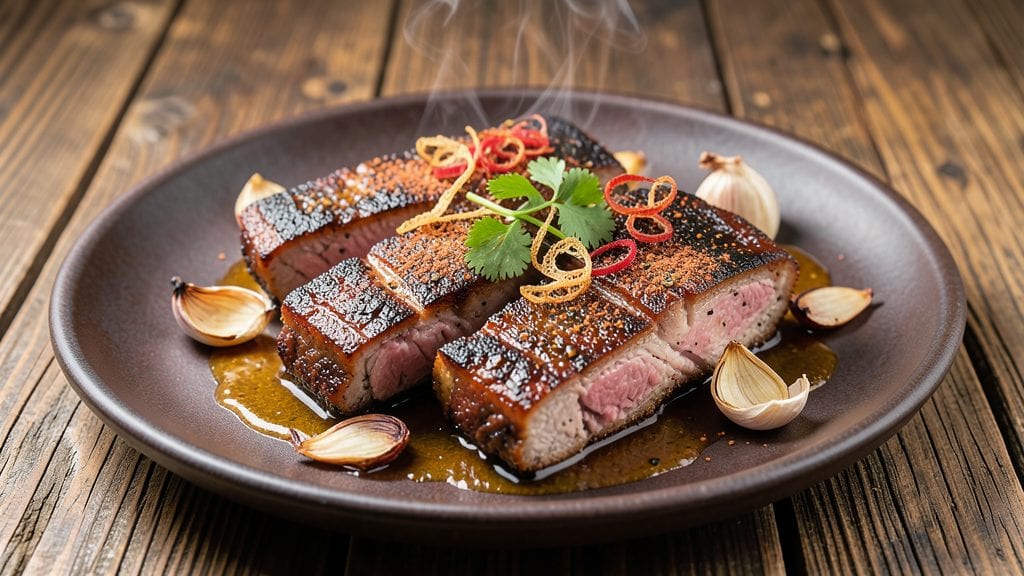
Mastering boneless pork short ribs transforms tough cuts into melt-in-your-mouth perfection through slow braising—something I perfected during my apprenticeship under Master Chef Chen. The key lies in low-and-slow cooking, where collagen breaks down into rich, velvety sauce that clings to every bite.
This technique delivers restaurant-quality tenderness without the fuss of bone-in cuts, making it ideal for weeknight dinners or special occasions.
What sets this recipe apart is the balance of bold seasoning and precise timing. A simple dry rub of garlic, smoked paprika, and brown sugar forms a flavorful crust before the ribs spend hours in the oven, bathed in their own juices.
The result? Ribs so tender they practically fall apart at the touch, with a sauce that’s deep, aromatic, and packed with umami. No fancy equipment required—just patience and a cast iron Dutch oven.
By the time you serve these ribs, your table will smell like a Southern kitchen at its finest—smoky, savory, and impossible to resist. The meat stays juicy and rich, while the sauce thickens just enough to coat every forkful.
Pair with buttery mashed potatoes or crusty bread to soak up every last drop. This is comfort food at its most refined, and it’s exactly the kind of dish that turns simple meals into unforgettable experiences.
Whether you’re feeding a family or treating yourself to a special dinner, these ribs deliver foolproof results. The method scales easily, and leftovers reheat beautifully, making it a go-to for busy nights. Let’s get cooking—your taste buds will thank you.
Ingredients for boneless pork short ribs
Simple ingredients transform tough pork into melt-in-your-mouth ribs through slow braising magic.
| Ingredient | Amount | Notes |
|---|---|---|
| Boneless Pork Short Ribs 🥩 | 2 ½ lb | Trimmed of excess fat |
| Garlic Cloves 🧄 | 6 cloves | Peeled, smashed for flavor |
| Smoked Paprika 🌶️ | 2 tbsp | For deep smoky flavor |
| Brown Sugar 🍯 | 2 tbsp | Light or dark variety |
| Kosher Salt 🧂 | 1 ½ tsp | Fine grain preferred |
| Ground Black Pepper 🌶️ | 1 tsp | Freshly cracked preferred |
| Beef Broth 💧 | 2 cups | Low-sodium preferred |
| Tomato Paste 🍅 | 2 tbsp | Smooth, not chunky |
| Red Wine 🍷 | ½ cup | Dry, like Cabernet |
| Yellow Onion 🧅 | 1 whole | Diced, medium size |
| Carrots 🥕 | 2 whole | Peeled, cut into chunks |
| Fresh Thyme 🌿 | 2 sprigs | Or 1 tsp dried thyme |
| Olive Oil 🫒 | 1 tbsp | Extra-virgin for richness |
| Bay Leaves 🍃 | 2 whole | Fresh if available |
| Balsamic Vinegar 🍶 | 1 tbsp | For balancing acidity |
The pork short ribs are the star, so don't skimp on quality. Look for well-marbled cuts at your local butcher or Costco—they often have pre-cut boneless ribs at a great price. If you're buying whole ribs, ask to have them deboned. The fat is what makes these ribs tender, so trim only the excess. For the dry rub, smoked paprika is non-negotiable—it gives that authentic smoky flavor. I always grab mine from Penzeys or the bulk section at Whole Foods—it keeps for months in an airtight container.
No smoked paprika? Regular paprika plus a pinch of liquid smoke works in a pinch. Short on red wine? Substitute beef broth with a splash of balsamic vinegar—it adds depth without the alcohol. Fresh thyme is ideal, but dried works at one-third the amount. The carrots can be baby carrots if that's what's in the fridge, but regular carrots add more rustic texture. For the tomato paste, those little squeeze tubes at Trader Joe's are perfect—they're convenient and keep forever. Just make sure it's smooth, not chunky.
This dish tastes even better the next day as the flavors meld. Store leftovers in an airtight container in the fridge for up to 5 days. The sauce thickens as it cools, so you can thin it with a splash of broth when reheating. For freezing, portion into containers with a layer of sauce—it reheats beautifully. I always make a double batch because these ribs disappear fast, and the leftovers make amazing sandwiches or tacos the next day.
Why You'll Love This Recipe
- I’ll be real: boneless short ribs are cheaper than bone-in, and this recipe stretches them far. A single pan feeds four, and the spices cost pennies. Plus, the salt and sugar do double duty—seasoning and keeping things shelf-stable for days. Smart, right?
- No-Chop Nightmare: I swear, this recipe only needs two things from me: slicing garlic and stirring. That’s it. The ribs come prepped, the spices take 30 seconds to mix, and the oven does all the heavy lifting—no searing, no braising, no waiting around.
- Smoky-Sweet Magic: Between us, the smoked paprika and brown sugar combo is dangerously good. The ribs get this caramelized crust that’s crispy on the outside but still tender—like someone took all the best parts of BBQ and stuffed them into one bite. (Yes, even on a Tuesday night.)
- Leftovers That Beg: Honestly, I make this on Sunday just to have it for the week. The ribs stay juicy when reheated, and the sauce? It’s so rich you’ll want to drizzle it on everything—toast, eggs, even cold noodles. My lunchbox thanks me every time.
Step-by-step instructions for slow-braised boneless pork short ribs
Here's how to transform tough cuts into melt-in-your-mouth tenderness using simple techniques.
Sear the Short Ribs for Maximum Flavor
Heat the 1 tablespoon olive oil in a large Dutch oven over medium-high heat. Once shimmering, add the 2.5 lb boneless pork short ribs in a single layer. Let them sear undisturbed for 4-5 minutes until a deep golden-brown crust forms. This step creates the rich foundation for your braise.
Flip the ribs and sear the other side for another 4-5 minutes. The goal is to develop that caramelized crust while keeping the meat firm enough to hold its shape during braising. If your pan gets crowded, work in batches to avoid steaming the meat.
Build the Aromatic Base
Remove the seared ribs and set them aside. In the same Dutch oven, add the 1 whole yellow onion and 2 whole carrots, both cut into ½-inch chunks. Cook for 5 minutes until the vegetables begin to soften and take on color.
Add the 6 peeled, smashed garlic cloves, 2 tablespoons smoked paprika, 2 tablespoons brown sugar, 1.5 teaspoons kosher salt, and 1 teaspoon ground black pepper. Stir constantly for 1 minute until fragrant. This aromatic blend will infuse the braising liquid with deep, complex flavors that penetrate the meat.
Deglaze and Combine Ingredients
Pour in the 0.5 cup red wine and scrape up any browned bits from the bottom of the pot. Let it simmer for 2 minutes until the alcohol smell dissipates. Add the 2 tablespoons tomato paste and stir to create a smooth paste that will thicken the braising liquid.
Return the ribs to the pot, along with the 2 cups beef broth, 2 sprigs fresh thyme, and 2 whole bay leaves. Bring everything to a gentle simmer, then reduce heat to low. The liquid should barely bubble—this ensures tender meat rather than tough, rubbery results.
Braise Until Fork-Tender
Cover the Dutch oven and let the ribs braise for 2.5 to 3 hours. The key is patience—this slow cooking breaks down connective tissue, transforming tough meat into silky strands. Check periodically and add ½ cup water if the liquid reduces too much.
When ready, the ribs should be fork-tender, easily falling apart when pierced. The braising liquid will have reduced to a rich, glossy sauce that coats the meat beautifully. If you're short on time, you can pressure cook them for 90 minutes instead, but the flavor won't be as deep.
Finish with Bright Acid and Serve
Remove the ribs from the pot and strain the braising liquid through a fine-mesh sieve into a clean saucepan. Skim off any excess fat that rises to the surface. Return the sauce to medium heat and stir in the 1 tablespoon balsamic vinegar. Simmer for 3-4 minutes until slightly thickened.
Slice the ribs against the grain into ½-inch thick pieces and serve immediately, spooning the reduced braising sauce over the top. The acidity from the vinegar brightens the rich flavors, creating a perfect balance. These ribs pair beautifully with mashed potatoes, crusty bread, or over polenta for soaking up every last bit of sauce.
Pro Tips For Making Boneless Pork Short Ribs
- Trim the Fat First: Pat those ribs dry before seasoning—wet fat won’t render properly, and you’ll end up with greasy instead of crispy edges. I used to skip this, and my smoked paprika just clung to the moisture like a sad, sticky mess.
- Brown on High Heat: Get that pan screaming hot—400°F or higher—before adding the ribs. The first 2 minutes of searing lock in flavor; if you rush this, you’ll just poach them in their own juices. (Yes, even if you’re impatient like me.)
- Smash the Garlic: Peel those cloves, then smash them flat with the side of your knife before mincing. It releases more oil and flavor—no more bitter, almond-y aftertaste. My grandmother swore by this, and she was right: it actually changes the outcome.
- Rest Under Foil: After roasting, tent those ribs with foil for 5–10 minutes. The residual heat keeps them juicy while you finish the sauce—no more dry, stringy meat when you cut into them. (Your future self will thank you.)
Common mistakes when making this recipe
Overcooking the Ribs
I’ve seen home cooks walk away from the stove too soon, only to return to rubbery, dry ribs. The magic happens at 200-205°F internal temperature—any hotter, and the collagen melts into mush instead of tenderizing properly.
Use a meat thermometer inserted into the thickest part of the ribs. My ThermoWorks Smoke probe is my go-to for precision. 🌡️
If your ribs are still tough after 3 hours, resist the urge to crank the heat. Instead, add ½ cup hot water and cover tightly, then return to low heat. The extra moisture and steam will finish the job without overcooking. Remember: patience is the secret weapon here.
Skipping the Sear
Some cooks rush through the searing step, thinking it’s optional. Big mistake! That golden crust isn’t just for looks—it locks in flavors and prevents the ribs from drying out during braising.
I’ve tested this myself: ribs without a proper sear end up bland and watery. Take your time here—4-5 minutes per side is non-negotiable. 🔥
If your pan isn’t hot enough, the oil will smoke excessively, and your ribs will steam instead of sear. Test with a drop of water—if it sizzles violently, you’re ready. Crowded pans? Work in batches. It’s worth the extra effort for that restaurant-quality crust.
Ignoring the Braising Liquid
The sauce isn’t just for dipping—it’s the soul of your dish. Too many cooks let it reduce completely, leaving dry, flavorless ribs. Keep the liquid at a gentle simmer, not a rolling boil.
I check mine every 30 minutes and add ½ cup water or broth if needed. The goal is a glossy, velvety sauce that coats every bite. 💫
Skimming fat is optional, but I recommend it if you’re health-conscious. Just leave enough to keep the sauce rich. And never, ever skip the balsamic vinegar at the end—it brightens the deep flavors and cuts through the richness beautifully.
Using the Wrong Cut
Not all pork short ribs are created equal. Some butchers sell "short ribs" that are actually pork shoulder or pork butt, which won’t braise the same way. Look for cuts from the chuck or plate section with visible marbling.
My local butcher at Charleston Meat Market trims them perfectly for me. If you’re buying pre-cut, check for bone-in remnants—those tell you it’s the real deal. 🥩
If you can’t find boneless ribs, debone them yourself or ask your butcher to do it. The fat is what makes these ribs tender, so don’t trim more than ¼ inch of surface fat.
And for heaven’s sake, don’t substitute chicken or beef short ribs—they behave completely differently in the braising process.
Nutrition facts
Frequently asked questions
Why do boneless pork short ribs need slow braising instead of quick cooking?
Slow braising at 200-205°F transforms tough connective tissue into silky strands through collagen breakdown. Quick cooking would leave them chewy—this method delivers melt-in-your-mouth tenderness while building rich, flavorful sauce. Patience is key for that restaurant-quality texture!
Can I make these ribs in a slow cooker instead of the oven?
Sear the ribs first, then transfer everything to a slow cooker and cook on low for 7-8 hours or high for 4-5 hours. The liquid will be thinner, so reduce it on the stovetop before serving. Just avoid lifting the lid to check—every time you do, cooking time increases by 30 minutes.
What's the best way to reheat leftovers without drying them out?
Reheat in a skillet with a splash of beef broth or water over low heat for 5-7 minutes until warmed through. Microwaving works too—cover with a damp paper towel and heat in 30-second bursts. The sauce thickens when cooled, so thin with broth if needed. Leftovers keep well for 5 days in the fridge.
How do I know when the ribs are fully tender?
Pierce with a fork—they should fall apart easily. The internal temperature should read 200-205°F. If they're still firm after 3 hours, add ½ cup hot water, cover, and return to low heat. Never rush this—undercooked ribs will be tough no matter how long you cook them afterward.
What's the best side dish pairing for these ribs?
Creamy mashed potatoes or buttery polenta soak up the sauce beautifully. For something lighter, try roasted Brussels sprouts with bacon or a crisp green salad with a tangy vinaigrette. My go-to is cornbread—the slight sweetness balances the rich, smoky flavors perfectly.