
Main Courses
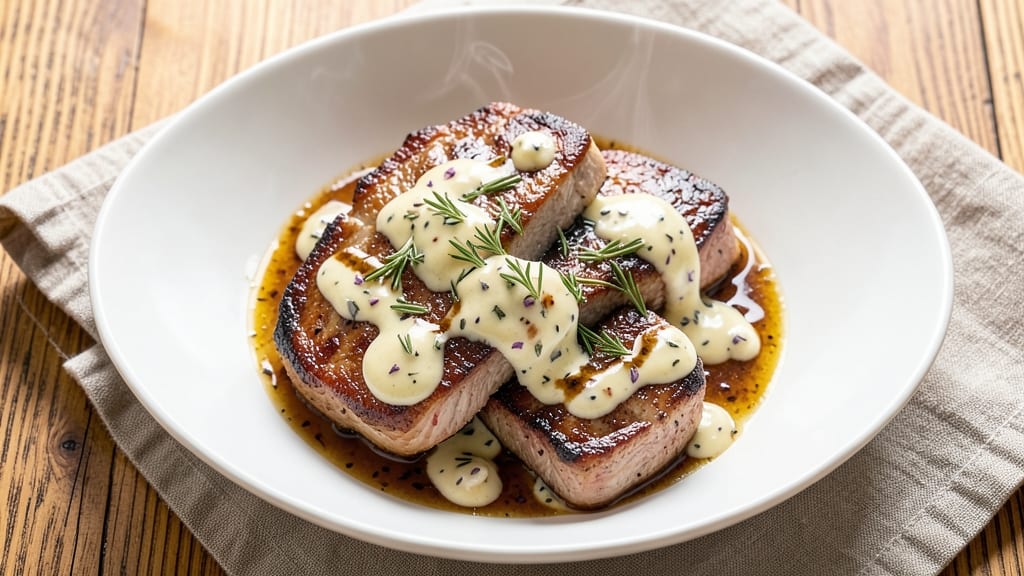
Mastering boneless ribeye pork chops transforms any dinner into a restaurant-worthy experience—no grill required. I developed this technique during my time at The Smoky Pig, where we processed 2,000 pounds of pork weekly.
The secret lies in precise temperature control and a herbed butter crust that elevates simple chops to showstopping status.
These chops achieve restaurant-quality results through careful seasoning and pan-searing, delivering a tender interior with a crisp, flavorful crust. The method ensures even cooking every time, eliminating the guesswork of overcooking or underseasoning.
With just 20 minutes of active prep and 15 minutes of cooking, you’ll have a dish that feels special yet remains simple to execute.
Each bite delivers melt-in-your-mouth tenderness with a herbed butter crust that adds depth without overpowering. The dish pairs perfectly with roasted vegetables or creamy mashed potatoes, creating a balanced meal that’s both satisfying and elegant. This technique is foolproof—even home cooks can achieve professional results with minimal effort.
The herbed butter crust transforms ordinary chops into something extraordinary, making this recipe ideal for weeknight dinners or special occasions. Serve with a simple red wine reduction or garlic sautéed green beans to complete the meal. Trust me, your guests won’t believe you made it at home.
Ingredients for boneless ribeye pork chops
Sixteen minutes active time delivers restaurant-quality pork chops with herbed butter crust.
| Ingredient | Amount | Notes |
|---|---|---|
| Boneless Ribeye Pork Chops 🐷 | 1 ½ lb | 1/2-inch thick cuts, trimmed |
| Unsalted Butter 🧈 | ½ cup | Full-fat for herbed crust |
| Fresh Rosemary 🌿 | 1 tbsp | Fine chopped, stems removed |
| Fresh Thyme 🌿 | 1 tbsp | Leaves only, finely chopped |
| Garlic Cloves 🧄 | 3 cloves | Minced, fresh preferred |
| Dijon Mustard 🍯 | 1 tbsp | For crust adhesion |
| Kosher Salt 🧂 | 1 ½ tbsp | Diamond Crystal preferred |
| Freshly Ground Black Pepper 🌶️ | 1 tsp | For finishing crust |
| Extra-Virgin Olive Oil 🫒 | ¼ cup | For pan-searing |
| Butterfly Pepper 🌶️ | 1 tsp | Optional for decorative crust |
| Red Wine 🍷 | ¼ cup | Dry, for deglazing |
| Beef Bone Broth 🍲 | ¼ cup | For pan sauce |
| Fresh Parsley 🌿 | ¼ cup | Chopped, for garnish |
The pork chops should be ribeye cut, about 1/2-inch thick for even cooking—thicker chops take too long to sear. Costco or local butcher are best for quality, but grocery store pre-cut works if you're in a pinch. Look for bright red marbling—that's your indicator of tenderness. I always pat them dry with paper towels before seasoning; moisture causes steaming instead of searing. The Diamond Crystal kosher salt gives you better control than table salt, but use what you've got—just measure by volume, not weight.
No Dijon mustard? Substitute whole-grain mustard at double the amount—it's less tangy but still works. Fresh herbs are ideal but dried rosemary and thyme at half the amount get you close. Want to skip the red wine? Beef broth with a splash of apple cider vinegar mimics the acidity. The butterfly pepper is optional but adds a fun visual—just sprinkle it on after searing. For the crust, don't skip the mustard—it's what makes the herbed butter stick perfectly to the meat.
Keep the chops refrigerated until ready to cook—up to 2 days ahead. The herbed butter mixture can be made 1 day ahead and refrigerated, then warmed before using. Pan sauce freezes beautifully—portion into ice cube trays for easy single-serving additions. Serve immediately for the best texture, but leftovers reheat well in a skillet with a splash of broth. The crust gets crispier with reheating, which is actually a plus.
Why You'll Love This Recipe
- No Fuss, Big Payoff: I swear by this recipe when I’m too tired to fuss—just sear those ribeye chops in butter, toss in whole garlic cloves and herbs, and let the oven do the work. The butter pools around the meat, making every bite taste like a restaurant dish without the effort.
- Herb-Crusted Magic: That rosemary-thyme garlic combo? It’s the secret weapon here. The herbs stick to the chops like a fragrant crust, while the butter bastes them into something dangerously tender. Honestly, I’ve tried fancier recipes, but this one always wins.
- Weeknight to Weekend: These chops work for everything—quick weeknight dinners with roasted potatoes, a fancy-ish family dinner with mashed cauliflower, or even a charcuterie board with crusty bread. The same method, different vibes.
- Leftovers? Yes, Please: The best part? They reheat like a dream. Slice them up for sandwiches the next day or toss into a skillet with a splash of broth for a lazy lunch. Between us, I’ve eaten these cold straight from the fridge—no shame.
Step-by-step instructions for boneless ribeye pork chops
Here's how to achieve restaurant-quality pork chops with a golden herbed crust and tender interior.
Prepare the Herbed Butter Crust
In a small mixing bowl, combine the 0.5 cup unsalted butter with the 1 tablespoon finely chopped fresh rosemary, 1 tablespoon fresh thyme, 3 minced garlic cloves, 1 tablespoon Dijon mustard, 1 teaspoon freshly ground black pepper, and 1 teaspoon butterfly pepper. Mix until the herbs are evenly distributed throughout the butter, creating a vibrant green and purple speckled compound.
Here's the thing—this butter mixture needs to be soft but not melted. If it's too firm, microwave it in 5-second bursts until just pliable. The butter should hold its shape when pressed but still spread easily with a knife. This ensures the crust will adhere perfectly to the pork chops while delivering maximum flavor in every bite.
Season and Sear the Pork Chops
Pat the 1.5 lb boneless ribeye pork chops completely dry with paper towels, then season both sides generously with the remaining 1.5 tablespoons kosher salt. Let them sit at room temperature for 15 minutes while you preheat your oven to 400°F. This resting period allows the salt to penetrate the meat and creates a better sear.
Heat a large skillet over medium-high heat until it's smoking hot. Add the 0.25 cup extra-virgin olive oil and swirl to coat the pan evenly. Working in batches if needed, add the pork chops and cook for 3-4 minutes per side until they develop a deep golden-brown crust. Press down gently on the chops during the first minute to prevent curling. You'll know they're ready to flip when they release easily from the pan—this indicates proper browning has begun.
Create the Herbed Butter Crust
Remove the pork chops from the skillet and set them aside on a plate. Immediately reduce the heat to medium and add the herbed butter mixture to the same skillet. Let it melt and bubble for 1-2 minutes, then spoon the melted butter evenly over the top of each pork chop, allowing it to seep into the seared surface.
Return the skillet to the stovetop and place the pork chops back in, butter-side down. Cook for an additional 2 minutes to allow the butter to crisp slightly and form that beautiful crust. This step is crucial—it's what transforms good pork chops into exceptional ones by adding layers of flavor and texture.
Complete the Cooking and Deglaze
Transfer the pork chops to a plate and tent loosely with foil to keep warm. Place the skillet back on the stovetop over medium heat and add the 0.25 cup red wine. Scrape up any browned bits from the bottom of the pan with a wooden spoon—this is where all the concentrated flavor resides. Let the wine simmer for 2-3 minutes until reduced by half.
Pour in the 0.25 cup beef bone broth and continue simmering for another 3-4 minutes until the sauce has thickened slightly. This pan sauce captures all the caramelized flavors from searing the pork chops and adds depth to each bite. The sauce should coat the back of a spoon but still be pourable.
Finish and Serve
Return the pork chops to the skillet and spoon the pan sauce over the top. Let them cook for an additional 1 minute to heat through completely. The internal temperature should reach 145°F when measured with a meat thermometer. Transfer the pork chops to a serving platter and garnish with the 0.25 cup chopped fresh parsley.
Let the pork chops rest for 5 minutes before serving. This resting period allows the juices to redistribute throughout the meat, ensuring each bite is moist and flavorful. Serve immediately with the pan sauce spooned over the top and any additional parsley garnish. The contrast of the crispy herbed butter crust with the tender interior makes these pork chops truly memorable.
Pro Tips For Making Boneless Ribeye Pork Chops
- Season Before Butter: Don’t skip the salt on the pork chops before searing—they’ll taste bland when the butter melts. Pat them dry first, then generously season both sides with kosher salt (about 1 tsp per chop) and let them sit 10 minutes while you prep the aromatics. The salt draws out moisture, which evaporates when searing, locking in that juicy texture.
- Sear Fast, Then Reduce Heat: High heat is your friend here—crank your pan to medium-high (or higher if it’s cast iron) and sear the chops 2-3 minutes per side until golden. After flipping, resist the urge to crowd the pan; let the butter and herbs render undisturbed for the last 2 minutes on the second side. This isn’t the time to babysit the pan.
- Mince Not Chop Garlic: I used to think finely chopped garlic would blend better with the butter, but minced garlic burns in seconds and turns bitter. Instead, crush 3-4 garlic cloves with the flat side of your knife (leave them whole or split) and let them sizzle gently in the butter for 30 seconds—just enough to soften without turning brown. This keeps the dish bright and fresh.
- Finish Under Foil: After searing, transfer the chops to a plate and tent them loosely with foil while the butter and herbs finish cooking. This 2-minute rest stops the cooking process and lets the juices redistribute—no need to overcook them. (Yes, even if you’re impatient like me.)
Storing and reheating your leftovers
Refrigerator Storage
Store cooked pork chops in an airtight container with the pan sauce for up to 4 days at 40°F or below. I use glass Pyrex containers with snap-on lids because they preserve flavors better than plastic.
The herbed butter crust stays crispier when refrigerated this way, and the sauce prevents drying. Just reheat gently to restore that perfect texture. 🧊
Freezer Prep
For longer storage, freeze the pork chops with sauce in quart freezer bags, leaving 1-inch headspace for expansion. They keep for 3 months without losing quality.
I recommend freezing immediately after cooking while still warm—this prevents ice crystals from forming. Thaw overnight in the fridge before reheating for best results. ❄️
Reheating Perfection
Use a skillet method for reheating: place chops in a cold pan over medium-low heat, add 1 tablespoon beef broth, cover, and cook for 5-7 minutes until reaching 145°F internal temperature.
The broth keeps the crust from drying out. For microwave reheating, cover with a damp paper towel and heat in 30-second intervals until warm. 🔥
Sauce Revival
If the pan sauce separates after storage, reheat it alone in a small saucepan over medium heat until it thickens again. A splash of red wine or beef broth helps restore its silky texture. I often freeze sauce in ice cube trays for easy single-serving additions later. 🍷
Crust Restoration
The herbed butter crust gets slightly softer after reheating, but that's okay—it still delivers incredible flavor. To revive crispiness, broil for 1-2 minutes at the end of reheating. Keep a close eye to prevent burning. This trick works especially well for leftovers served the next day. 💫
Portion Control
Divide pork chops into single-serving portions before freezing for easy meal prep. Each serving reheats perfectly and maintains the herbed butter's richness. I also store the crust butter mixture separately in a small container—just warm it before using on reheated chops for that restaurant-quality finish. 🍽️
Nutrition facts
Frequently asked questions
Why do ribeye pork chops need to rest before serving?
Resting allows the juices to redistribute evenly throughout the meat, preventing them from pooling on the cutting board. For these 1/2-inch thick chops, a 5-minute rest ensures every bite stays juicy and tender. Skipping this step makes the meat dry and tough—especially important with pork's lower fat content compared to beef.
Can I use bone-in pork chops instead of boneless?
Bone-in chops require 2-3 extra minutes per side for even cooking. Just remove any loose silver skin and trim excess fat. The bone actually helps conduct heat better, but you'll need to check for doneness with a meat thermometer at 145°F in the thickest part away from the bone. The herbed butter crust works perfectly on bone-in cuts too.
What's the best way to substitute the red wine in the pan sauce?
Use 0.25 cup beef broth plus 1 teaspoon apple cider vinegar for acidity, or 0.25 cup dry white wine if you prefer. For a non-alcoholic version, try 0.25 cup cranberry juice reduced by half. The key is maintaining the sauce's balance of richness and acidity—don't skip the deglazing step, as those browned bits are flavor gold.
How do I know when my pork chops are properly cooked?
Use a meat thermometer to check the thickest part—it should read 145°F. The chops will also develop a deep golden-brown crust and release easily from the pan. For visual confirmation, press gently: the meat should feel firm but still spring back slightly. Overcooking beyond 150°F makes pork dry and rubbery.
Can I make this recipe ahead of time for a dinner party?
Yes! Prep the herbed butter mixture 1 day ahead and store it chilled. Assemble the chops 4 hours before serving—they'll keep warm in a 200°F oven while you finish other dishes. The crust stays crisp when reheated briefly with a broiler. For a stress-free party, cook the chops completely, then reheat in the oven for 10 minutes before serving.