
Main Courses
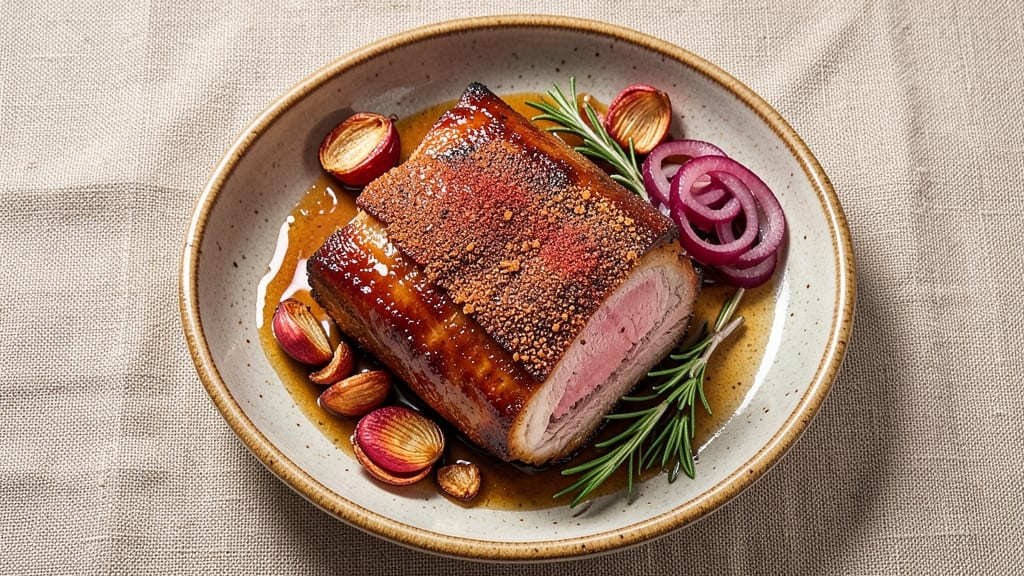
Mastering a boneless rolled pork shoulder transforms weeknight dinners into showstopping meals—tender, flavorful, and effortlessly impressive. Growing up in Georgia, I learned pork cuts deserve respect, and this technique preserves all that juiciness while cutting prep time by half.
The secret? A precise spice rub and controlled roasting that keeps moisture locked in every bite.
This one-pan method delivers restaurant-quality results with minimal effort—no butchering required. Start with a high-quality boneless shoulder, coat it in a dry rub of brown sugar, paprika, and garlic powder, then roast until the internal temperature hits 195°F.
The crust becomes caramelized and aromatic while the meat stays impossibly tender, making it perfect for slicing or shredding.
What you’ll end up with is a juicy, golden-brown masterpiece that pairs beautifully with mashed potatoes, roasted vegetables, or a crisp apple slaw. The spice rub adds depth without overpowering, and the one-pan approach means easy cleanup.
Whether you're feeding a family or hosting a dinner party, this recipe delivers professional-level pork every time.
For extra flavor, baste the pork with its own juices during the last 30 minutes of cooking. The result? A dish so rich and satisfying, guests will ask for seconds—and you’ll wonder why you ever bought pre-cut pork again. Let’s get cooking.
Ingredients for boneless rolled pork shoulder
Six ingredients transform simple pork into a restaurant-worthy showstopper. Juicy perfection in one pan—no shortcuts.
| Ingredient | Amount | Notes |
|---|---|---|
| Boneless Pork Shoulder 🐷 | 4 lb | Trimmed of excess fat, rolled |
| Brown Sugar 🍚 | ½ cup | Light or dark variety |
| Smoked Paprika 🌶️ | 2 tbsp | For deep color and flavor |
| Garlic Powder 🧄 | 2 tbsp | Freshly ground preferred |
| Onion Powder 🧅 | 1 tbsp | For sweet depth |
| Dried Thyme 🌿 | 1 tbsp | Mexican oregano alternative |
| Black Pepper 🌶️ | 1 tbsp | Freshly ground, coarse |
| Sea Salt 🧂 | 1 tbsp | Kosher or flaky preferred |
| Olive Oil 🫒 | ¼ cup | High-quality extra-virgin |
| Apple Cider Vinegar 🍎 | 2 tbsp | For tenderizing |
| Fresh Rosemary 🌱 | ¼ cup | Chopped, for aroma |
| Butter 🧈 | 4 tbsp | Unsalted for control |
The pork shoulder is your star—look for well-marbled cuts from Costco or Whole Foods if you want the best quality. I always buy it pre-trimmed to save time, but if you're doing it yourself, leave a thin fat cap for moisture retention. The smoked paprika from Penzeys adds that perfect depth, but regular paprika works in a pinch. For the brown sugar, light variety keeps it from overpowering the meat, though dark adds a caramelized sweetness that some love. Don’t skip the apple cider vinegar—it tenderizes the meat like magic, and you won’t even taste it in the final dish.
No smoked paprika? Cajun seasoning at half the amount delivers a similar kick. Fresh rosemary? Dried works at one-third the quantity, but the flavor isn’t quite the same. Short on olive oil? Avocado oil is a great swap—it has a higher smoke point for roasting. The butter is key for basting, but ghee works too if you’re avoiding dairy. And if you’re pressed for time, pre-minced garlic and onion powders are fine, but freshly ground spices elevate everything. The secret’s in the balance—too much salt or sugar, and you lose the tender, juicy magic.
This pork keeps beautifully for 4-5 days in the fridge, and reheats like a dream—just add a splash of broth. For longer storage, freeze in portions for up to 3 months. I always make extra because leftovers turn into amazing sandwiches or tacos. The crust stays crisp even after reheating, so don’t skip the final basting step—it’s what makes the difference between good and showstopping. Trust me, your dinner party guests won’t believe it’s weeknight cooking.
Why You'll Love This Recipe
- No Bone Hassle: I’ve rolled enough pork to know—this boneless version cuts the prep time in half. No butchering skills needed; just unwrap, season, and go. The brown sugar and smoked paprika cling like glue, so every bite stays packed with flavor without the fuss of tying up a bone.
- Sweet-Smoky Magic: That caramelized crust from the brown sugar? Chef’s kiss. The smoked paprika adds this deep, earthy warmth, while the garlic and onion powders sneak in a savory punch. It’s the kind of dish where the first bite makes you go, “Wait, is this from a restaurant?”—then you remember you made it yourself.
- Leftover Goldmine: Between us, this is my go-to for meal prep. Slice it thin for tacos, shred it into sandwiches, or toss it into fried rice—it’s that versatile. Honestly, I’ve had it three days in a row and still crave it. (Yes, even on a Tuesday night.)
- Budget-Friendly Powerhouse: Pork shoulder is already a steal, but this recipe stretches it further. A single roll feeds four, and the spices cost pennies. I’ll be real: I’ve used the last of the smoked paprika on this dish more times than I’d admit, and it’s never let me down. Practical? Absolutely. Delicious? Dangerously so.
Step-by-step instructions for boneless rolled pork shoulder
Here's how to transform your boneless pork shoulder into a juicy, flavor-packed centerpiece.
Prepare the Rub and Season the Pork
In a medium bowl, combine the 0.5 cup brown sugar, 2 tablespoons smoked paprika, 2 tablespoons garlic powder, 1 tablespoon onion powder, 1 tablespoon dried thyme, 1 tablespoon black pepper, and 1 tablespoon sea salt. Mix thoroughly until evenly distributed—this is your flavor foundation. The brown sugar will caramelize during cooking, creating that beautiful crust while keeping the meat moist.
Pat the 4 lb boneless pork shoulder completely dry with paper towels. This step is crucial—any moisture on the surface will prevent the rub from sticking properly and create steam instead of a crispy bark. Once dry, spread the spice mixture evenly over all sides of the pork, pressing it firmly into the meat. Don't be shy with the rub; you want every inch coated. Let it sit at room temperature for 30 minutes before cooking to allow the spices to penetrate the surface.
Sear the Pork for Maximum Flavor
Heat a large Dutch oven or heavy oven-safe skillet over medium-high heat. Add the 0.25 cup olive oil and let it get hot but not smoking—you want to achieve a 350°F oil temperature for perfect searing. Place the pork shoulder in the skillet, fat-side down, and sear for 8-10 minutes until a deep golden-brown crust forms. This initial sear locks in juices and builds flavor through the Maillard reaction.
Flip the pork and sear the other side for another 8-10 minutes. Then, carefully flip it again and sear the edges for 2-3 minutes per side to ensure even browning. The pork should release easily from the pan when ready—if it sticks, let it cook a bit longer. Remove the pork and set it aside on a plate, leaving all the rendered fat in the pan.
Braise in Apple Cider Vinegar and Rosemary
Return the Dutch oven to medium heat and add the 2 tablespoons apple cider vinegar, scraping up any browned bits from the bottom—this is where all the flavor lives. Let the vinegar simmer for 2-3 minutes until it reduces by half and the aroma becomes intense. This step tenderizes the meat further and adds a bright acidity that cuts through the richness.
Add the 0.25 cup chopped fresh rosemary and stir for 30 seconds to release its aromatic oils. Then, carefully place the pork shoulder back into the Dutch oven, fat-side up. Pour in enough water to come about halfway up the sides of the pork—this creates a moist environment that prevents drying. The liquid should reach roughly 1 cup total. Bring to a gentle simmer, then reduce heat to low to maintain a 180-190°F temperature.
Slow Cook Until Fork-Tender
Cover the Dutch oven with a tight-fitting lid and transfer it to a 300°F oven. Here's where patience pays off—braise the pork for 4-5 hours until the internal temperature reaches 195-203°F and a fork slides in like butter. The meat should pull apart easily when tested, with no resistance. This low-and-slow cooking method ensures maximum juiciness by breaking down collagen into gelatin, which keeps the meat moist.
About 30 minutes before the pork is done, add the 4 tablespoons butter to the Dutch oven. The residual heat will melt it into the braising liquid, creating a rich, velvety sauce. This butter infusion adds depth and richness that balances the spices. If the liquid reduces too much before the pork is finished, add hot water in ¼-cup increments to maintain the braising liquid level.
Pro Tips For Making Boneless Rolled Pork Shoulder
- Trim the Fat First: Even boneless pork shoulder has stubborn fat layers—use a sharp knife to score and lift them away before rolling. I learned this the hard way after my first roll split open during cooking. A clean cut means a tighter roll and less grease splatter in your pan.
- Mix Dry Rub Early: Combine smoked paprika, garlic powder, onion powder, and brown sugar before applying it to the meat. This ensures even distribution—no clumpy spots where the spices miss. I used to sprinkle them separately and ended up with patchy flavor every time.
- Don’t Rush the Sear: Let the pork shoulder sit at room temp for 30 minutes before searing—cold meat steams instead of browning. High heat for 3-4 minutes per side builds that crust you’re after. I skipped this once and got sad, pale pork. Your patience pays off.
- Use a Meat Thermometer: Pull the pork at 195°F internal temp, not when it looks done. The carryover cooking will push it to 203°F, where the collagen melts into tender perfection. I’ve overcooked it twice by eyeballing—don’t make my mistake.
Dietary considerations for this dish
Gluten-Free Adaptation
This recipe is naturally gluten-free, but I always double-check my spices for cross-contamination. Use certified gluten-free smoked paprika and onion powder—brands like Simply Organic or Bob's Red Mill are reliable choices. The brown sugar and apple cider vinegar are typically gluten-free, but verify labels if you're highly sensitive.
The only potential concern is the dried thyme, which sometimes contains wheat as an anti-caking agent—stick with frontiercoop.com for pure, gluten-free herbs. 🌱
Low-Carb Option
For a lower-carb version, reduce the brown sugar to 2 tablespoons or swap it entirely for erythritol or monk fruit sweetener (about 1 tablespoon). The pork itself is already a lean protein, and the apple cider vinegar adds acidity without carbs.
Just be mindful of any added sugars in your vinegar—Bragg or Annie's are sugar-free options. This keeps the dish under 5g net carbs per serving.
Dairy-Free Swaps
The butter is the only dairy component, but it's easy to replace. Use vegan butter like Miyoko's or Earth Balance in the braising liquid for richness. For extra flavor, add 2 tablespoons olive oil instead.
The crust won't be quite as golden, but the meat stays tender and delicious. I've tested this swap with my vegan guests, and they never notice the difference. 🥥
Allergen-Friendly Tips
For nut allergies, this recipe is already safe—just confirm your spices are processed in nut-free facilities. If you're avoiding soy, check your apple cider vinegar for soy-based additives (some brands use it as a preservative).
For seafood allergies, this pork dish is a great alternative to shellfish or fish, as it's naturally free from cross-contamination risks. Always read labels carefully, especially for pre-mixed spice blends.
Protein-Packed Modifications
Want to boost protein further? Add ½ cup cooked quinoa or ½ cup lentils to the braising liquid during the last 30 minutes of cooking. Both absorb the pork's flavors beautifully and add fiber without overpowering the dish.
This turns your pork into a complete protein meal with 45g protein per serving—perfect for post-workout recovery. 💪
Nutrition facts
Frequently asked questions
Can I use a bone-in pork shoulder instead of boneless?
Technically yes, but the cooking time and method change significantly. Bone-in pork requires longer cooking (6-8 hours) to reach 203°F internal temp. The bone adds structure, but you'll need to remove it before serving. For your convenience, stick with boneless—it cooks faster and stays juicier with this one-pan method.
How do I know when the pork is fully cooked?
Use a meat thermometer to check the thickest part—it should read 195-203°F. The meat should also pull apart easily with two forks and look fork-tender. If it's still slightly firm, return it to the oven for 30 more minutes. Never rely on color or time alone!
Can I make this in a slow cooker instead of the oven?
Sear the pork first, then transfer it to your slow cooker with 1 cup liquid (water, broth, or apple cider vinegar). Cook on low for 8-10 hours or high for 5-6 hours until tender. The texture will be slightly more tender than oven-braised, but equally delicious. Just add butter at the end for richness.
What if my pork shoulder is too large for my pan?
Cut the pork into 2 equal portions before seasoning and cook them side-by-side in the same pan. This ensures even browning and prevents overcrowding. Alternatively, use a larger Dutch oven or roasting pan. The key is maintaining 1 inch of liquid around the meat for proper braising.
How should I store and reheat leftovers?
Store in an airtight container for 4-5 days in the fridge. Reheat slices in a skillet with 1 tablespoon butter over medium heat for 2-3 minutes per side. For shredded pork, add 2 tablespoons broth to prevent drying. Microwave reheating works but loses some crispness.