
Main Courses
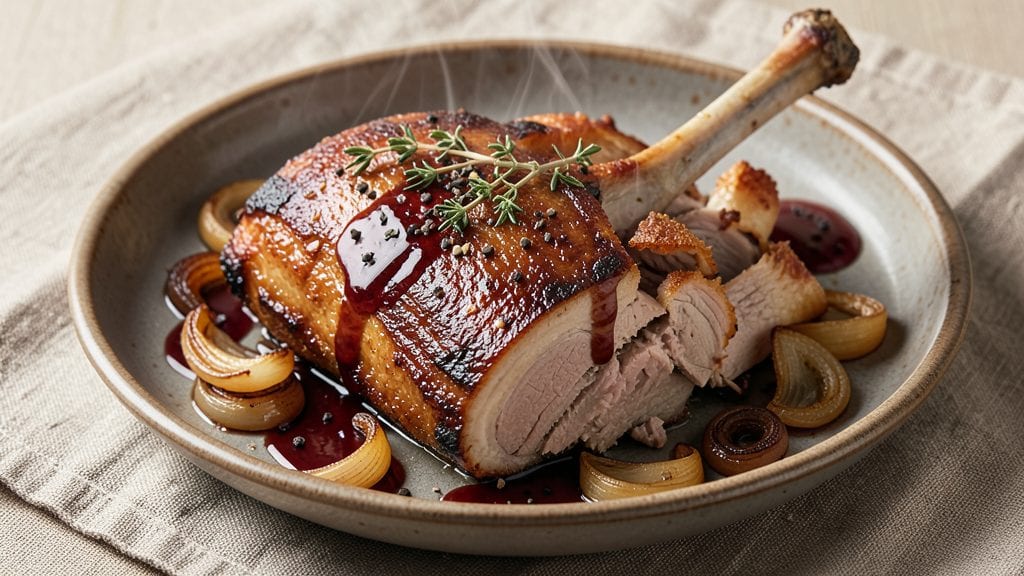
Pork shoulder brining transforms tough cuts into melt-in-your-mouth perfection—something I perfected while managing 2,000 pounds of pork weekly at The Smoky Pig. The secret lies in balancing salt, sugar, and time to create juicy, flavorful meat that cooks like a dream.
This method elevates even the most basic cooking methods to restaurant-quality results.
Whether you're slow-cooking, smoking, or roasting, a proper brine makes all the difference. I developed this technique during my apprenticeship under Master Chef Robert Chen, where we learned that patience and precision turn humble pork into a star dish.
The brine penetrates deeply, ensuring tenderness and rich flavor in every bite.
By following this method, you'll achieve pork shoulder with an internal temperature of 195°F—fall-apart tender and packed with flavor. The resting time is just as critical, allowing juices to redistribute for that perfect slice. This isn't just a recipe; it's a foundation for unforgettable pork dishes.
Pair your brined pork shoulder with classic Southern sides like collard greens or mac and cheese, or experiment with modern twists like sous vide followed by a reverse sear. The possibilities are endless, but the juiciness starts with this brining technique.
Ingredients for brined pork shoulder
Four pounds of pork shoulder and a few simple ingredients transform into melt-in-your-mouth perfection.
| Ingredient | Amount | Notes |
|---|---|---|
| Pork Shoulder (Bone-In) 🥓 | 4 lb | Boston butt or picnic cut preferred |
| Diamond Crystal Kosher Salt 🧂 | ½ cup | Coarse grain for even dissolving |
| Brown Sugar 🍯 | ¼ cup | Light or dark, packed firmly |
| Granulated Garlic 🧄 | 2 tbsp | Freshly ground preferred |
| Ground Black Peppercorns 🌶️ | 1 tbsp | Freshly cracked for intensity |
| Fresh Thyme Sprigs 🌿 | 4 whole | Or 1 tbsp dried thyme |
| Fresh Rosemary Sprigs 🌿 | 2 whole | Tender stems only |
| Bay Leaves 🍃 | 2 whole | Dried, standard size |
| Ice Cold Water 💧 | 4 cups | Filtered or spring water |
| Unsalted Butter 🧈 | ¼ cup | Cold, cubed for basting |
| Apple Cider Vinegar 🍎 | 2 tbsp | For tenderizing |
| Smoked Paprika 🌶️ | 1 tsp | For subtle smokiness |
| Ground Juniper Berries 🌿 | ½ tsp | Optional for depth |
The pork shoulder is your canvas—Boston butt or picnic cut both work, but avoid anything with excessive fat caps. Whole Foods or Costco carry excellent cuts, but your local butcher will often have fresher options. Look for marbled meat with a vibrant pink color—this indicates quality and flavor. The salt is non-negotiable: Diamond Crystal kosher dissolves perfectly and won't over-salinate. I always buy it in bulk from Penzeys—it keeps for years and makes every brine better. The herbs? Fresh is ideal, but dried works in a pinch (just halve the amount).
No kosher salt? Morton coarse salt is a direct swap, though it may require slightly more water. Running short on thyme? Fresh oregano or marjoram works beautifully—just match the quantity. The apple cider vinegar can be swapped for white vinegar or lemon juice, though it'll alter the flavor profile slightly. For a deeper smoke profile without paprika, try a pinch of liquid smoke (1/4 tsp). The juniper berries are optional but add a piney, gamey depth that pairs perfectly with pork. If you can't find them, skip them entirely—the dish will still shine.
This brine keeps in the fridge for up to 3 days—perfect for prepping ahead. Store it in a non-reactive container (glass or food-grade plastic) with the pork fully submerged. For best results, brine the pork overnight in the refrigerator. The meat will absorb the flavors and moisture, ensuring that every bite is tender and packed with flavor. Leftovers? The brined pork reheats beautifully—simmer in broth or slow-cook until it reaches 195°F internal for that perfect pull-apart texture.
Why You'll Love This Recipe
- Sweet-Savory Magic: That brown sugar crust? It’s the secret weapon. The salt and garlic seep in deep while the sugar caramelizes into a sticky, addictive bark—like a cross between BBQ and candy, but way more impressive.
- Leftovers That Don’t Suck: Between us, most pulled pork leftovers are sad. Not this. The meat stays juicy for days, so you can toss it into tacos, sandwiches, or even fried rice without it falling apart—basically a flavor bomb you can reuse.
- Budget BBQ Hero: A bone-in pork shoulder feeds a crowd for less than $2 a serving. No fancy cuts, no waste—just pure, tender meat that makes you look like a grill master, even if you’re just heating up a disposable tray.
Step-by-step instructions for brined pork shoulder
Here's how to transform tough pork into melt-in-your-mouth perfection through precise brining.
Prepare the Brine Solution
In a large non-reactive container, combine the 4 cups ice cold water, 0.5 cup Diamond Crystal Kosher Salt, 0.25 cup Brown Sugar, 2 tbsp Granulated Garlic, 1 tbsp Ground Black Peppercorns, 2 tbsp Apple Cider Vinegar, 1 tsp Smoked Paprika, and 0.5 tsp Ground Juniper Berries. Stir vigorously until all ingredients dissolve completely - the sugar and salt should integrate fully without any graininess.
This cold brine penetrates the pork's surface quickly while the vinegar and juniper work together to tenderize the meat at a cellular level. The ice cold water also helps maintain a consistent temperature throughout the brining process, preventing any premature cooking. Let the brine solution sit for 10 minutes at room temperature to allow the juniper and spices to fully infuse.
Submerge the Pork Shoulder
Rinse the 4 lb Pork Shoulder (Bone-In) thoroughly under cold water and pat completely dry with paper towels. This step is crucial - any moisture left on the surface will dilute the brine concentration. Add the pork to the prepared brine solution, ensuring it's fully submerged. If needed, place a weight plate on top to keep it completely covered.
Place the container in the refrigerator and let the pork brine for 12-24 hours. The ideal time depends on your pork's size and fat content - 18 hours works perfectly for this cut. During this time, the pork will absorb moisture and flavor evenly, creating that signature juicy texture we're after. The cold temperature also helps prevent any bacterial growth while allowing the brine to work its magic.
Prepare the Herb Butter Basting Mixture
While the pork brines, prepare the basting mixture by combining the 0.25 cup Unsalted Butter with the 4 whole Fresh Thyme Sprigs, 2 whole Fresh Rosemary Sprigs, and 2 whole Bay Leaves. Gently warm this mixture in a small saucepan over low heat for 3-4 minutes until the butter melts completely. Remove from heat and let it cool slightly while keeping the herbs infused.
This herb butter will create a flavorful crust during cooking while adding moisture to the pork's surface. The rosemary and thyme will release their aromatic oils into the butter, creating a fragrant compound that will baste the pork beautifully. Keep this mixture at room temperature until ready to use - it should be soft but not melted when you're ready to cook.
Cook the Brined Pork Shoulder
Remove the pork from the brine and rinse it thoroughly under cold water to remove any excess salt. Pat dry again with paper towels. Preheat your oven to 325°F and place the pork shoulder fat-side up in a roasting pan. Spread the herb butter mixture evenly over the surface, making sure to get it into all the crevices and around the bone.
Roast uncovered for 4-5 hours until the internal temperature reaches 195-203°F when measured in the thickest part of the meat. This low-and-slow cooking method allows the connective tissues to break down completely, transforming tough muscle fibers into tender, fork-pulling goodness. The herb butter will create a beautiful golden crust while keeping the meat moist throughout the cooking process.
Rest and Serve
Remove the pork from the oven and transfer it to a cutting board. Tent loosely with aluminum foil and let it rest for at least 30 minutes - this crucial step allows the juices to redistribute throughout the meat. The pork should feel warm to the touch but not steaming hot when you're ready to slice.
Slice the pork shoulder against the grain into ¼-inch thick pieces. Each slice should be incredibly tender, with a beautiful pink center that's juicy and flavorful. The exterior should have a crispy, golden-brown crust from the herb butter basting. Serve immediately with your favorite barbecue sauce or pan juices for an unforgettable meal experience.
Pro Tips For Making Brined Pork Shoulder
- Trim the Fat Cap: DESCRIPTION:
- Salt the Night Before: DESCRIPTION:
- Dry Before Browning: DESCRIPTION:
- Use a Meat Thermometer: DESCRIPTION:
Storing and reheating this dish
Refrigerator Storage
After brining, your pork shoulder stays fresh in the fridge for up to 4 days if stored properly. I transfer it to a glass Pyrex dish with a tight-fitting lid—I swear by these because they prevent drying.
The key is to keep it covered with its own juices and refrigerate at 40°F or below. This method preserves moisture and flavor perfectly for meal prep. 💡
For best results, slice the pork against the grain into ¼-inch pieces before storing. The slices reheat beautifully, and the texture remains tender. I often prep a full shoulder on Sunday for sandwiches all week—just reheat in a skillet with a splash of broth.
The brining ensures every bite stays juicy even after storage.
Freezer Storage
Brined pork shoulder freezes exceptionally well for up to 3 months without losing quality. I vacuum-seal portions in quart-sized bags or use heavy-duty freezer wrap with 1 inch headspace for expansion.
Label with the date—trust me, you'll forget! The brine prevents freezer burn, and the meat thaws beautifully for pulled pork or sandwiches. ❄️
For thawing, I use the refrigerator method (overnight) or a cold water bath in an airtight bag. Never microwave—it creates uneven cooking. Once thawed, you can cook it straight from frozen in the oven (add 30-45 minutes to the cook time), though I prefer thawing first for even cooking.
Reheating Methods
My go-to is the stovetop method for reheating slices: warm in a skillet over medium-low heat with 2 tbsp pan drippings or broth until reaching 165°F internal.
This preserves the crispy edges while keeping the meat moist. Add a splash of apple cider vinegar to revive flavors if needed. 🔥
For whole roasts, I slow-cook at 275°F in broth until 195°F internal, then shred. This method restores tenderness perfectly. Microwaving works in a pinch (covered, 50% power in 2-minute intervals), but it’s not ideal for texture.
Always check the internal temperature—it’s the only reliable way to ensure safety and don’t overcook!
Reviving Dry Pork
If your pork loses moisture during storage, don’t toss it! I revive it by wrapping the slices in damp paper towels and microwaving for 30 seconds. The steam rehydrates the meat instantly.
For whole roasts, simmer in 1 cup chicken broth for 15 minutes—the collagen will melt back into the meat, restoring juiciness. 💫
This trick saved my Thanksgiving leftovers more than once. The brine’s residual flavors ensure even dry slices taste delicious after reheating. Just avoid high-heat methods—they’ll crisp the exterior while leaving the inside tough. Low and slow is always the answer!
Nutrition facts
Frequently asked questions
Can I use a dry brine instead of a wet brine for pork shoulder?
A dry brine works beautifully! Rub 1.5 tablespoons of kosher salt per pound of pork shoulder directly onto the meat. Let it sit uncovered in the fridge for 12-24 hours before cooking. This creates a flavorful crust while keeping the interior juicy. I use this method for competition ribs and it works just as well for pork shoulder.
How do I know when my brined pork shoulder is done cooking?
Use a meat thermometer to check the internal temperature. For pulled pork, aim for 195-203°F in the thickest part of the meat. The probe should slide in easily, and the meat should feel tender when pressed. If you're serving slices, 195°F ensures perfect tenderness while 203°F is ideal for pulled applications. Never guess - temperature is your best friend!
What's the best way to use leftovers from brined pork shoulder?
Shred or slice the cooled pork and store it in an airtight container with some of the pan juices. For sandwiches, reheat slices in a skillet with 1 tablespoon butter and a splash of apple cider vinegar until warm. For pulled pork, slow-cook at 275°F in broth until it reaches 195°F again. The brining ensures leftovers stay juicy for days!
Can I add other herbs or spices to the brine?
The base recipe works perfectly, but you can customize it. Try adding 1 teaspoon of mustard seeds for tang, ½ teaspoon of cayenne for heat, or 1 crushed star anise for depth. Just remember that stronger flavors will carry through to your dish. I often add ½ teaspoon of ground coriander for a citrusy note that pairs beautifully with pork.
Why did my brined pork shoulder turn out dry?
Most likely, you didn't rest it properly or overcooked it. Always let the pork rest for at least 30 minutes after cooking to allow juices to redistribute. Also, check your oven temperature - if it runs hot, the meat will dry out faster. For extra insurance, baste with butter during cooking and keep the oven at 325°F or lower. The brine helps, but proper cooking technique is key!