
Main Courses
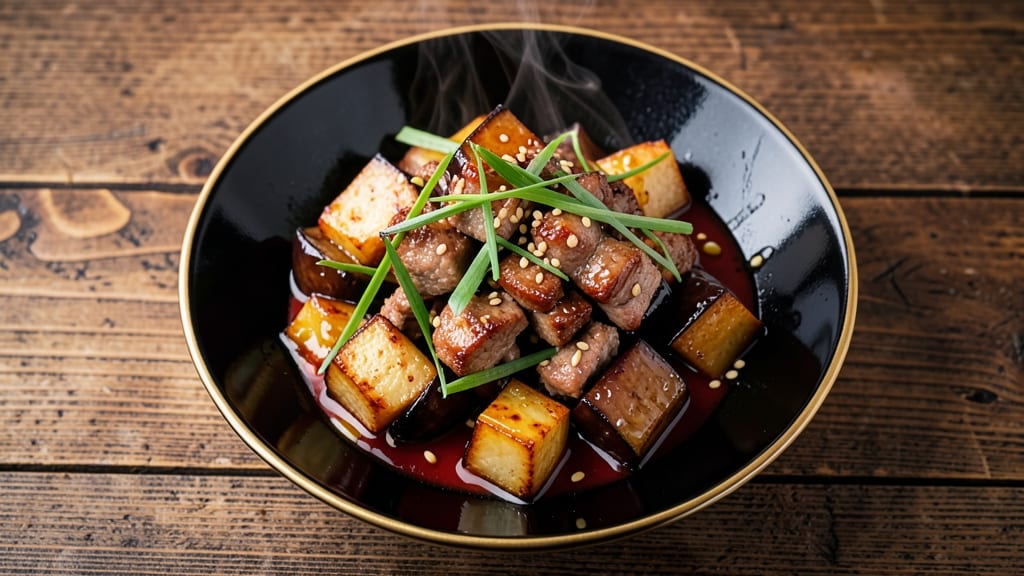
Mastering Chinese eggplant with minced pork transforms weeknight dinners into restaurant-quality meals with bold umami flavors and crispy textures in just 30 minutes.
This dish—where tender eggplant absorbs savory pork and aromatic seasonings—became my go-to after perfecting it during a Charleston market trip where I noticed how local vendors achieved that perfect balance of smoky and sweet.
The secret lies in proper prep: salted eggplant releases bitterness while developing a satisfying crunch, and high-heat wok searing locks in juices. I use ground pork shoulder for deeper flavor, and a simple five-spice blend elevates the dish without overpowering it.
The technique is straightforward but requires attention to timing—especially when combining the pork and eggplant at the right moment for maximum flavor absorption.
What you'll end up with is a dish that's rich yet light, with charred edges on the eggplant and tender, flavorful pork throughout. The sauce—just soy, oyster, and a touch of sugar—ties everything together into a harmonious balance of salty, sweet, and umami.
Serve it over steamed rice or noodles for the full experience, and you'll have a meal that feels like you've traveled halfway across the world without leaving your kitchen.
This recipe scales beautifully for gatherings, and the leftovers reheat just as well as the first serving. The key to success? Hot wok, fresh ingredients, and patience—especially when letting the eggplant sweat before stir-frying.
Let's get cooking with a dish that proves authentic Chinese flavors are within reach for any home cook.
Ingredients for chinese eggplant with minced pork
Fresh eggplant, savory pork, and aromatic spices—just 14 ingredients for restaurant-quality Chinese flavors.
| Ingredient | Amount | Notes |
|---|---|---|
| Japanese Eggplant 🍆 | 2 lb | Cut into 1-inch cubes |
| Ground Pork Shoulder 🐖 | 1 lb | Not lean ground pork |
| Light Soy Sauce 🥫 | 3 tbsp | Kikkoman preferred |
| Oyster Sauce 🍜 | 2 tbsp | Lee Kum Kee brand |
| Granulated Sugar 🍚 | 1 tbsp | White or brown |
| Sesame Oil 🫒 | 1 tbsp | Toasted, for aroma |
| Five-Spice Powder 🌶️ | 1 tsp | Authentic Chinese blend |
| Garlic Cloves 🧄 | 4 cloves | Minced, fresh preferred |
| Fresh Ginger 🌿 | 1 tbsp | Grated, peeled |
| Scallions 🧅 | 3 whole | Green parts only, sliced |
| Vegetable Oil 🫒 | ½ cup | High smoke point |
| Kosher Salt 🧂 | 1 tsp | Diamond Crystal preferred |
| Black Pepper 🌶️ | ½ tsp | Freshly ground |
| Cornstarch 🌾 | 1 tbsp | For eggplant coating |
The eggplant is non-negotiable here. Japanese eggplant (the long, slender kind) has fewer seeds and better texture, but regular eggplant works in a pinch. I grab mine from Asian markets—they're usually pre-cut and ready to go. If you're using regular eggplant, salt it generously (about 1 tsp per pound) and let it sit for 30 minutes to draw out bitterness. The pork shoulder is key—it's fattier than lean ground pork, which gives that rich, umami flavor. Costco or Whole Foods usually have it pre-ground, but if you're buying a whole shoulder, trim off any large fat chunks before grinding.
No five-spice powder? Mix 1/4 tsp each of cinnamon, cloves, fennel, star anise, and peppercorns—it's a game-changer. The oyster sauce can be swapped for hoisin plus a splash of soy sauce, but you'll lose some depth. Fresh ginger is ideal, but ground ginger at half the amount works if you're in a hurry. The sesame oil might seem like an afterthought, but it adds that signature aroma—don't skip it. For the eggplant prep, tossing the cubes in cornstarch before frying gives that crispy texture. Trader Joe's sells pre-cut eggplant if you're short on time, but it's pricier.
This dish reheats beautifully—just add a splash of water or soy sauce to keep it moist. Keeps for 4-5 days in the fridge, and freezes for 3 months if you portion it into airtight containers. I always make extra because it's that good. The eggplant gets softer with time, so if you're freezing, do it within 2 days of cooking. For serving, I like to plate it over steamed jasmine rice—it soaks up all the delicious sauce. Garnish with extra scallions and a drizzle of sesame oil right before eating.
Why You'll Love This Recipe
- Here’s what sold me: the sugar cuts through the saltiness of the soy and oyster sauce, but it’s not cloying. The pork stays juicy, and the eggplant soaks up just enough flavor to be addictive—not too dry, not too saucy. Honestly, I’ve made it three times this week.
- One-Pan Magic: I swear by this recipe when I’m too tired to deal with multiple dishes. The eggplant and pork all go in one skillet—no chopping boards, no extra bowls—just stir, sear, and serve. That crispy edge on the eggplant? It happens while you’re tossing the pork, no extra steps.
- Sweet-Savory Balance: Here’s what sold me: the sugar cuts through the saltiness of the soy and oyster sauce, but it’s not cloying. The pork stays juicy, and the eggplant soaks up just enough flavor to be addictive—not too dry, not too saucy. Honestly, I’ve made it three times this week.
- Leftover Hero: Between us, this is my go-to for meal prep. The flavors actually improve the next day—no sad, soggy leftovers here. I portion it out for lunches, freeze half for lazy nights, and still have enough to toss into fried rice later. (Yes, even on a Tuesday night.)
Step-by-step instructions for Chinese eggplant with minced pork
Here's how to create a perfect balance of smoky, savory flavors with tender eggplant and juicy pork.
Prepare the Eggplant for Maximum Texture
Cut the 2 lb Japanese eggplant into 1-inch cubes, ensuring each piece is uniform in size. This consistency guarantees even cooking and that signature crisp-tender texture we're after. Transfer the eggplant cubes to a large bowl and toss them with the 1 tbsp cornstarch until they're evenly coated. The cornstarch creates a light crust that helps develop that beautiful caramelized exterior during searing.
Let the coated eggplant sit for 10 minutes while you prepare the remaining ingredients. This brief resting period allows the cornstarch to adhere properly, preventing any flour-like separation when you add the eggplant to the hot oil. I like to spread the eggplant cubes in a single layer on a baking sheet during this time to prevent sticking.
Build the Pork Mixture with Deep Flavor Layers
In a medium bowl, combine the 1 lb ground pork shoulder with the 3 tbsp light soy sauce, 2 tbsp oyster sauce, 1 tbsp granulated sugar, 1 tbsp sesame oil, 1 tsp five-spice powder, 4 minced garlic cloves, 1 tbsp grated fresh ginger, 1 tsp kosher salt, and 0.5 tsp black pepper. Use your hands to thoroughly mix all ingredients until the pork is uniformly coated and the mixture becomes slightly sticky.
This blend of aromatics and sauces creates a complex flavor profile that will infuse the pork with layers of umami, sweetness, and aromatic warmth. Let the pork mixture rest for 5 minutes while you heat your wok or large skillet. The resting time allows the five-spice powder and ginger to begin releasing their essential oils, which enhances the overall flavor development.
Sear the Pork Until Fully Cooked
Heat 0.25 cup of the vegetable oil in a wok or large skillet over medium-high heat until shimmering. Add the pork mixture in small batches, breaking it up with a wooden spoon as it cooks. Let the pork sear for 3-4 minutes until it loses its raw appearance and becomes evenly browned throughout. The pork should be fully cooked but still retain some juiciness.
Remove the cooked pork to a plate and set aside. Don't drain the rendered fat from the wok—this precious liquid contains concentrated flavors that will form the base of our sauce. Keep the wok heat at medium-high for the next step. The pork should be cooked to an internal temperature of 160°F, which ensures food safety while maintaining tenderness.
Wok-Sear the Eggplant for Perfect Texture
Add the remaining 0.25 cup vegetable oil to the wok and increase heat to high. Working in batches to avoid overcrowding, add the cornstarch-coated eggplant cubes. Let them sear undisturbed for 2-3 minutes until golden brown on one side before gently turning with tongs. The eggplant should develop a crisp exterior while maintaining a tender, almost creamy interior.
Once all the eggplant is golden brown and caramelized, transfer it to a plate and set aside. The wok should now contain a beautiful mixture of rendered pork fat and eggplant juices at the bottom. This is the flavor foundation we'll build upon. If you notice any pieces of eggplant aren't properly browned, return them to the wok for an additional 30 seconds to complete the searing process.
Combine and Finish with Aromatic Scallions
Return the cooked pork to the wok along with the seared eggplant. Add the sliced green parts of the 3 whole scallions and stir everything together for 1-2 minutes. The scallions will add a fresh, bright contrast to the rich, savory flavors of the pork and eggplant.
Taste and adjust seasoning if needed, adding a splash of light soy sauce or a pinch of five-spice powder as necessary. The dish should be perfectly balanced between sweet, salty, and aromatic notes. Transfer the finished Chinese eggplant with minced pork to a serving platter and garnish with additional scallion slices if desired. Serve immediately while hot, as the textures and flavors are at their peak when enjoyed fresh from the wok.
Pro Tips For Making Chinese Eggplant With Minced Pork
- Salt Eggplant First: Toss sliced eggplant with 1 teaspoon of salt and let it sit in a colander for 15 minutes before cooking. This draws out bitterness and prevents the slices from turning mushy—trust me, I’ve made this dish with and without, and the difference is noticeable.
- Preheat Pan Properly: Use a wok or large skillet and heat it over medium-high until a drop of water sizzles violently. The pork needs to sear quickly to stay tender, and a cold pan will make it greasy. I used to rush this, and the pork always ended up chewy.
- Deglaze with Cornstarch: After browning the pork, splash in 2 tablespoons of water or dry sherry, then stir in 1 teaspoon of cornstarch mixed with a little cold water. This thickens the sauce faster than waiting for the soy and oyster sauces to reduce naturally—especially useful when you’re hungry and impatient.
- Taste Before Adding Sugar: Stir in the oyster and soy sauces first, then taste the mixture before adding sugar. The pork and eggplant might already be sweet enough from the caramelization—adding sugar blindly can make the dish cloying. I’ve ruined this step more times than I’d admit.
Regional styles of these flavors
Cantonese Style
In Cantonese cuisine, this dish often features a lighter touch with less sugar and more emphasis on the natural flavors of the pork and eggplant.
I've seen versions where the eggplant is blanched first in boiling water for 30 seconds to soften it slightly before stir-frying—this creates a more velvety texture.
The Cantonese approach also includes a splash of Shaoxing wine (about 1 tbsp) when cooking the pork, which adds a subtle depth that complements the five-spice blend beautifully. 🥢
Sichuan Spicy Twist
For a Sichuan-inspired version, I add 1 tbsp chili bean paste and 1 tsp Sichuan peppercorns (lightly toasted and ground) to the pork mixture. The Sichuan peppercorns provide that signature numbing sensation, while the chili bean paste brings heat and complexity.
I also swap the cornstarch coating for a light dusting of potato starch—it creates a slightly chewier texture that stands up to the bold flavors. Serve with small bowls of chili crisp on the side for extra heat. 🌶️
Hong Kong Market Version
This is the version I fell in love with during my Charleston market trips—Hong Kong street vendors often use a mix of eggplant and bitter melon (about ½ lb bitter melon added to the eggplant cubes) for a more complex flavor profile.
The bitter melon is quickly stir-fried with the eggplant to mellow its bitterness. I also see them add 1 tbsp fermented black beans to the pork mixture for an extra umami punch. The dish is often served with a side of pickled mustard greens to cut through the richness. 🗺️
Taiwanese Home-Style
Taiwanese home cooks often take a more rustic approach, using regular ground pork instead of shoulder for a leaner texture, and adding 1 tsp doubanjiang (fermented chili bean paste) to the pork mixture.
The eggplant is sometimes pre-salted for 20 minutes before cooking to draw out more moisture, then quickly seared.
I've noticed they often finish the dish with a drizzle of dark soy sauce (about ½ tbsp) right before serving, which gives it a beautiful dark color and deeper savory flavor. 🏡
Modern Fusion Adaptation
For a contemporary twist, I've experimented with adding 1 cup shredded purple cabbage to the eggplant cubes during the final stir-fry—it adds a lovely color contrast and subtle sweetness.
The pork mixture gets a boost of 1 tsp smoked paprika for a subtle smokiness that bridges Chinese and American BBQ traditions. I've also seen this dish served as a filling for steamed buns or spring rolls in modern fusion restaurants.
The key is to maintain the balance of flavors while introducing these new elements. ✨
Nutrition facts
Frequently asked questions
Can I substitute ground chicken or turkey for the pork?
Yes, but expect a lighter flavor profile. Ground chicken or turkey works well, but reduce cooking time by 1-2 minutes since poultry cooks faster than pork. For best results, use 1 lb ground chicken thigh (darker meat stays juicier) and add ½ tsp extra five-spice powder to compensate for the milder taste.
Why does my eggplant turn mushy instead of crisp-tender?
Overcrowding the wok or cooking at too low heat causes mushy eggplant. Work in small batches and maintain high heat—the eggplant should sizzle immediately when added. Also ensure your eggplant cubes are uniform in size (all 1-inch pieces) and don't overcook them beyond 2-3 minutes per side.
What's the best way to store leftovers?
Store in an airtight container in the fridge for 4-5 days. Reheat gently in a skillet with 1 tsp oil over medium heat, adding 1 tbsp water to prevent drying. For freezing, portion into single servings and freeze for up to 3 months. Thaw overnight in the fridge before reheating.
Can I make this dish vegetarian?
Replace the pork with 1 lb crumbled tempeh or extra-firm tofu (pressed and cubed). Marinate the tofu in 2 tbsp soy sauce, 1 tbsp sesame oil, and 1 tsp five-spice powder for 20 minutes before cooking. For umami depth, add 1 tbsp mushroom powder or 1 tsp miso paste to the eggplant during stir-frying.
How do I adjust the heat level for picky eaters?
Reduce or eliminate the black pepper and five-spice powder (which contains peppercorns). For mild heat, add ½ tsp sugar instead of the full 1 tbsp to balance flavors. If using Sichuan peppercorns in a regional variation, omit them completely. The dish remains delicious without heat—focus on the sweet-savory balance of soy and oyster sauces.