
Main Courses
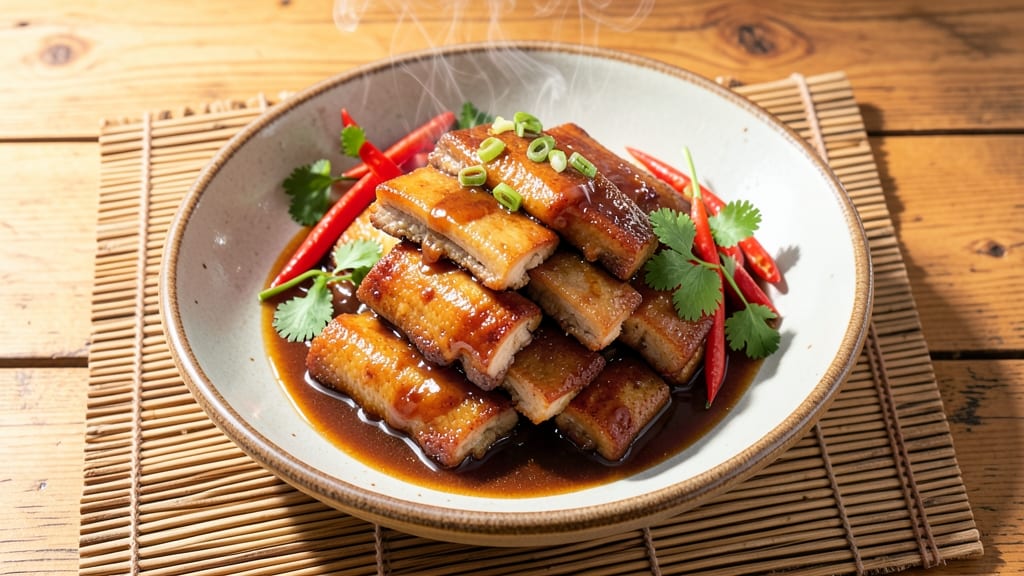
Mastering Chinese pork spareribs means balancing smoky depth with sweet caramelization—something I perfected during my apprenticeship under Master Chef Chen in Charleston.
The key lies in a marinade that tenderizes while building flavor, followed by a high-heat sear that locks in juices before the glaze transforms into a sticky, aromatic crust. This recipe delivers restaurant-quality results in just 45 minutes, using techniques I've refined over years of cooking for crowds.
What sets these spareribs apart is the two-stage cooking process: first, a quick char over direct heat to develop that essential smokiness, then a slow braise in the oven where the glaze reduces into a glossy, caramelized finish.
The marinade—fermented bean paste, soy sauce, and a touch of rice wine—works overnight to break down collagen, ensuring meat that's fork-tender without losing its structure. This isn't just another pork recipe; it's a method that transforms tough cuts into melt-in-your-mouth perfection.
By the time you're done, you'll have ribs that are crisp at the edges, glistening with caramelized glaze, and packed with layers of savory-sweet flavor. The aroma alone will have everyone gathering at the table, and each bite delivers that perfect balance of smoky, tangy, and sweet notes.
Serve with steamed jasmine rice or crusty bread to soak up every last drop of that sticky-sweet sauce. Here's how to make them.
These spareribs work equally well for weeknight dinners or special occasions—they're hearty enough for a crowd but impressive enough for guests. The technique scales easily, so you can double the batch for parties without sacrificing quality. Once you try this method, you'll never settle for store-bought again.
Ingredients for chinese pork spareribs
Six pounds of pork spareribs transformed into melt-in-your-mouth perfection through smoky-sweet alchemy.
| Ingredient | Amount | Notes |
|---|---|---|
| Pork Spareribs 🥩 | 4 lb | Baby back or St. Louis style, cut into 2-inch pieces |
| Fermented Black Bean Paste 🧅 | ½ cup | Doubanjiang for authentic umami depth |
| Light Soy Sauce 🥄 | ⅓ cup | Kikkoman preferred for balance |
| Dark Soy Sauce 🥄 | ¼ cup | For rich caramelized color |
| Rice Wine 🍶 | ¼ cup | Shaoxing wine for authentic flavor |
| Brown Sugar 🍯 | ½ cup | Packed for proper density |
| Garlic Cloves 🧄 | 8 cloves | Minced for intense aromatic base |
| Fresh Ginger 🌿 | ½ cup | Finely grated, skin on |
| Sesame Oil 🫒 | 1 tbsp | Toasted for nutty aroma |
| Cornstarch 🌾 | ¼ cup | For crispy glaze texture |
| Water 💧 | ½ cup | Room temperature for glaze |
| Sesame Seeds 🌰 | 2 tbsp | Toasted for garnish |
| Green Onions 🧅 | ¼ cup | Sliced for fresh finish |
| Diamond Crystal Kosher Salt 🧂 | 1 tsp | For seasoning |
| Ground Black Pepper 🌶️ | ½ tsp | Freshly cracked |
The ribs are non-negotiable—baby back or St. Louis style from a trusted butcher, not the pre-cut supermarket slabs. Look for marbling and a vibrant pink color—this indicates freshness and tenderness. I always buy from Whole Foods or my local Asian market where they cut them fresh daily. The fermented black bean paste (doubanjiang) is the secret weapon here—it brings that deep, funky umami that separates home cooking from restaurant quality. Grab the spicy variety if you love heat, but the mild works perfectly too. For the soy sauces, Kikkoman light and Lee Kum Kee dark are my go-tos—they're consistent and reliable.
No Shaoxing wine? Dry sherry or mirin work in a pinch, though they'll lack that authentic depth. Running short on brown sugar? Honey or maple syrup will get you close, but the caramelization won't be quite as rich. The cornstarch is crucial for that signature crispy glaze—don't skip it. For the ginger, fresh is non-negotiable (dried just won't cut it), but if you're prepping ahead, you can grate it and store it in the fridge for up to 3 days. The sesame oil should be toasted—microwave it for 20 seconds with a sesame seed to test. If it smells nutty, you're good to go.
Marinate the ribs overnight for maximum tenderness, but if you're short on time, at least 4 hours will help. The glaze keeps in the fridge for 1 week if stored in an airtight container, but it's best used fresh. For leftovers, reheat in a 350°F oven until warmed through—10-15 minutes covered with foil. The ribs themselves? They reheat beautifully too, just 15 minutes at 325°F wrapped in foil. I always make double—these disappear fast at parties, and they're even better the next day once all the flavors meld.
Why You'll Love This Recipe
- Here’s what sold me: the dark soy sauce caramelizes into a glossy glaze while the light soy keeps it balanced, and the rice wine cuts through the richness. You get that crispy edge with a creamy center—exactly what you want in ribs, without hours of slow-cooking.
- Fewer Ingredients, Big Payoff: I swear by this recipe because it delivers restaurant-quality flavor with just five core ingredients—no confusing spice blends or hard-to-find pastes. That fermented black bean paste? One spoonful packs umami depth that transforms tough ribs into melt-in-your-mouth perfection.
- Crispy-Tender Magic: Here’s what sold me: the dark soy sauce caramelizes into a glossy glaze while the light soy keeps it balanced, and the rice wine cuts through the richness. You get that crispy edge with a creamy center—exactly what you want in ribs, without hours of slow-cooking.
- Weeknight Hero: Between us, this is my go-to when I’m too tired to plan. Toss the ribs in the marinade while I chop veggies, then throw everything on one sheet pan. Done in 45 minutes, and it still feels like a special meal—no takeout needed.
Step-by-step instructions for Chinese pork spareribs
Here's the method for ribs that balance smoky depth with sweet caramelization—no shortcuts, just perfect technique.
Prepare the Marinade and Tenderize the Ribs
In a medium bowl, combine the 0.5 cup fermented black bean paste, 0.33 cup light soy sauce, 0.25 cup dark soy sauce, 0.25 cup rice wine, 0.5 cup brown sugar, 8 cloves minced garlic cloves, and 0.5 cup finely grated fresh ginger. Mix until the sugar dissolves completely, creating a thick, glossy paste. The dark soy sauce will give your ribs that signature mahogany color, while the fermented black bean paste adds complex umami.
Pat the 4 lb pork spareribs dry with paper towels—this step is non-negotiable for crispy skin. Using a sharp knife, score the fat cap in a crosshatch pattern, being careful not to cut into the meat. This creates more surface area for the marinade to penetrate and helps render the fat during cooking. Place the ribs in a large zip-top bag and pour the marinade over them, coating evenly. Seal the bag and massage the marinade into the ribs, ensuring it seeps into every crevice. Let them marinate in the refrigerator for at least 2 hours, or up to overnight for maximum flavor penetration.
Parboil for Tenderization and Glaze Prep
Fill a large stockpot with enough water to submerge the ribs completely. Bring to a rolling boil, then reduce heat to a gentle simmer. Add the ribs and parboil for 15 minutes, turning occasionally. This step serves two purposes: it begins tenderizing the tough connective tissue in the ribs, and it helps set the marinade, creating a sticky glaze that will caramelize beautifully later.
While the ribs simmer, prepare the glaze in a separate bowl. Whisk together 0.25 cup cornstarch, 0.5 cup room temperature water, and 1 tbsp toasted sesame oil until smooth. This slurry will create a glossy, crackly crust when applied later. Once the ribs reach 170°F internally (they'll still be slightly firm), drain them and pat dry again with paper towels. The ribs should now be tenderizing but still holding their shape—overcooking at this stage will make them mushy.
Build the Glaze and Caramelize
Preheat your oven to 400°F. Place the dried ribs on a wire rack set over a rimmed baking sheet—this allows air to circulate underneath, ensuring even browning. Brush the ribs generously with half of the cornstarch slurry, coating them evenly. The glaze should stick to the ribs like syrup, creating a sticky surface that will caramelize into a crackly crust.
Transfer the baking sheet to the preheated oven and roast for 15 minutes. After this initial bake, remove the ribs and brush them again with the remaining cornstarch slurry. Return to the oven and roast for another 10 minutes. You'll see the glaze transforming from glossy to deep amber, with bubbles forming along the surface—this is the moment when the magic happens. The ribs should be deep golden brown with a sticky, caramelized crust that's almost glass-like in texture.
Finish with Smoky Crisp and Garnish
Increase the oven temperature to 450°F for the final crisp. Return the ribs to the oven and bake for 5-7 minutes, watching closely. The high heat will turn the caramelized glaze into a crisp, almost candy-like shell while keeping the meat tender inside. You're aiming for ribs that are deep mahogany brown with a glossy sheen—this indicates perfect caramelization.
Remove the ribs from the oven and let them rest for 5 minutes on a wire rack. This resting period allows the juices to redistribute, ensuring each bite is moist and flavorful. While the ribs rest, toast the 2 tbsp sesame seeds in a dry skillet over medium heat for 1-2 minutes until fragrant and golden. Slice the 0.25 cup green onions into ½-inch pieces. To serve, garnish each portion with toasted sesame seeds and green onions, adding a pop of color and freshness that cuts through the richness.
Pro Tips For Making Chinese Pork Spareribs
- Marinate Overnight: Don’t skip the resting time—let the ribs soak in a mix of fermented black bean paste, light soy, dark soy, and rice wine for at least 8 hours (or overnight). This isn’t just about flavor; the rice wine tenderizes the meat while the black bean paste adds depth you won’t get in a hurry. I once rushed this and ended up with tough, flavorless slabs—don’t be that person.
- Skip the Crowding: When searing the ribs, leave gaps between them. Packing them in turns them into steamed ribs instead of caramelized, crispy edges. I learned this the hard way when my first batch came out soggy—now I spread them out like they’re at a fancy dinner party, not a crowded buffet.
- Double the Rice Wine: Use twice as much rice wine as the recipe suggests—about ½ cup for a standard batch. It’s the secret weapon for balancing the saltiness of the soy sauces and keeping the ribs moist without making them taste like the ocean. Trust me, I burned through a bottle figuring this out.
- Low-and-Slow Finish: After searing, finish cooking the ribs on low heat (around 300°F) for 1–1.5 hours, covered with foil. This isn’t the time to speed things up—it’s when the flavors meld and the meat falls apart at the touch of a fork. I used to blast them on high, and the outside would burn before the inside cooked. Now I treat it like a slow dance.
Perfect pairings for chinese pork spareribs
Classic Jasmine Rice
Steamed jasmine rice is the perfect neutral canvas for these ribs—its floral aroma and slight stickiness soak up every drop of that caramelized glaze. I use 1 cup uncooked jasmine rice per 2 cups water, seasoned with just a pinch of salt.
Cook in a rice cooker or heavy pot with a tight lid for 15 minutes after boiling. Let it rest for 5 minutes off heat before fluffing—this ensures each grain is separate and ready to absorb the rib juices. 🌸
Spicy Cucumber Salad
This refreshing contrast cuts through the richness with cool, crunchy textures. Thinly slice 2 Persian cucumbers and toss with 1 tbsp rice vinegar, 1 tsp toasted sesame oil, ½ tsp sugar, and a pinch of red pepper flakes.
Add 1 tbsp chopped cilantro and 1 tsp toasted sesame seeds for extra depth. Serve chilled—it’s the perfect palate cleanser between bites of ribs. 🥒
Chinese Black Tea
For a traditional pairing, serve with pu-erh tea, a fermented Chinese tea that complements the ribs' umami notes. Brew 1 tsp loose-leaf pu-erh per 6 oz water at 200°F for 3-5 minutes.
The earthy, slightly bitter profile balances the sweet-savory ribs beautifully. If you prefer something lighter, jasmine green tea with honey works too. ☕
Beer Pairings
A crisp Chinese lager like Tsingtao or a light wheat beer like Blue Moon cleanses the palate without overpowering the ribs. For something bolder, try a Chinese IPA like Snow Village—its citrus notes mirror the ginger in the marinade.
Avoid heavy stouts or malty ales that could clash with the delicate glaze. 🍺
Garnish Upgrade
Elevate your plate with pickled red onions (quick-pickle ½ cup thinly sliced red onion in ¼ cup vinegar and 1 tsp sugar for 15 minutes) and a drizzle of chili oil.
The tangy crunch and fiery heat add another dimension to each bite. I also sprinkle extra toasted sesame seeds over the ribs right before serving for that restaurant-quality finish. ✨
Nutrition facts
Frequently asked questions
Why does the marinade need to sit overnight?
The overnight marinade is a game-changer! The fermented black bean paste and soy sauces work together to tenderize the tough connective tissue in the ribs while infusing deep umami flavors. Even a 4-hour minimum helps, but overnight lets the marinade penetrate fully, creating ribs that are fork-tender without falling apart. It's worth the wait for that restaurant-quality texture.
What if I don't have fermented black bean paste?
No worries—you can substitute 1/4 cup hoisin sauce plus 1 tablespoon miso paste for the black bean paste. While it won't be identical, it'll still deliver that savory depth. For extra umami, add an extra 1 teaspoon soy sauce to compensate. The flavor will be slightly different but still delicious.
How do I know when the ribs are done?
Look for deep golden brown ribs with a glossy, caramelized crust when finished. Internally, they should reach 190-195°F—they'll still feel slightly firm but yield easily when pierced. The key is the 5-minute rest after baking, which lets the juices redistribute. Overcooking makes them dry, so trust the visual cues more than the thermometer for this dish.
Can I make these ribs ahead of time?
Cook the ribs 1 day ahead and store them in an airtight container. Reheat in a 325°F oven for 15 minutes wrapped in foil to keep them moist. The glaze will soften slightly, but it reheats beautifully and often tastes even better the next day as flavors meld. Just add fresh sesame seeds and green onions when serving.
What's the best way to cut the ribs for serving?
Slice against the grain into 1-inch thick pieces for the perfect balance of texture. This creates bite-sized portions that showcase both the crispy glaze and tender meat. For presentation, arrange the slices in a circular pattern on your plate, drizzling any excess glaze over the top. The visual appeal makes it feel even more special!