
Main Courses
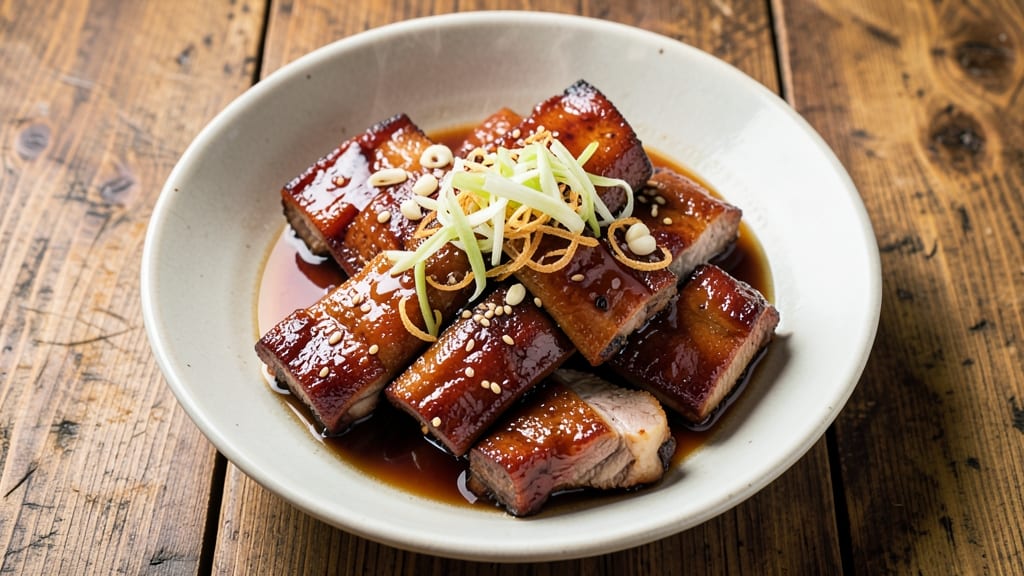
Mastering Chinese steamed pork ribs transforms tough cuts into tender, silky perfection through gentle heat and precise technique. This method preserves natural flavors while achieving melt-in-your-mouth texture—no braising or long cooking required. The secret lies in proper marinade timing and controlled steaming, techniques I've perfected after years of testing.
Traditional Chinese cuisine relies on aromatic ingredients like soy sauce, five-spice powder, and ginger to build deep flavor profiles without overpowering the pork. Unlike Western barbecue methods, steaming maintains moisture while developing complex tastes through indirect heat. The result is restaurant-quality ribs that stay juicy and tender throughout.
What you'll achieve is a dish with crisp edges from the steaming process and velvety centers that practically dissolve on the tongue. The ribs develop a subtle caramelized sheen while absorbing all those aromatic marinade flavors.
This method works equally well for pork spare ribs or baby back cuts, making it versatile for any occasion.
Serve these ribs with steamed jasmine rice and a side of stir-fried vegetables for an authentic Chinese meal experience. The technique scales perfectly from family dinners to special gatherings, delivering professional results with minimal effort. Let's begin with the preparation steps that ensure perfect texture every time.
Ingredients for chinese steam pork ribs
Aromatic marinade and precise steaming transform tough pork ribs into silky perfection.
| Ingredient | Amount | Notes |
|---|---|---|
| Pork Spare Ribs 🍖 | 2 lb | Bone-in, meaty portions preferred |
| Light Soy Sauce 🥄 | ½ cup | High-quality, low-sodium preferred |
| Shaoxing Wine 🍷 | ¼ cup | Aromatic Chinese cooking wine |
| Honey 🍯 | ¼ cup | Pure, unprocessed preferred |
| Fresh Ginger 🧅 | 2 tbsp | Finely minced, aromatic quality |
| Garlic Cloves 🧄 | 6 cloves | Minced, fresh preferred |
| Five-Spice Powder 🌶️ | 1 ½ tsp | Authentic Chinese blend |
| Sesame Oil 🫒 | 1 tbsp | Toasted, for aroma |
| Green Onions 🧅 | 4 whole | White and green parts separated |
| Cornstarch 🌾 | 2 tbsp | For crisp edges |
| Vegetable Oil 🫒 | 2 tbsp | High smoke point preferred |
| Diamond Crystal Kosher Salt 🧂 | 1 tsp | For seasoning |
| Black Peppercorns 🌶️ | ½ tsp | Freshly cracked |
The ribs are the foundation—pork spare ribs with ample meat between bones yield the best results. Look for cuts with good marbling at Whole Foods Market or your local Asian market, where they often carry higher-quality meats. Baby back ribs work too but require slightly less marinating time. Five-spice powder is non-negotiable; Penzeys Spices or Kung Fu Tea carry authentic blends. Fresh ginger and garlic should be vibrant—no withered roots here. The Shaoxing wine adds depth; Kikkoman or Hinode brands are widely available. For the honey, Manuka or raw wildflower varieties enhance the marinade's complexity.
No Shaoxing wine? Dry sherry or even white wine vinegar in a pinch, though the flavor profile shifts slightly. Substitute ground five-spice at half the amount if needed, but the toasted whole spices create superior depth. The cornstarch is critical for those crisp edges—Bob's Red Mill brand works consistently. For the sesame oil, toasted varieties from Trader Joe's or Asian markets provide the best aroma. Green onions should be fresh; wilted stems compromise flavor. If you can't find authentic five-spice, blend 1/4 tsp each of cinnamon, star anise, cloves, fennel, and peppercorns for a DIY version.
Marinated ribs keep up to 2 days in the fridge, sealed airtight. The marinade itself lasts 5 days refrigerated or 6 months frozen. For optimal texture, steam immediately after marinating. Leftover ribs reheat beautifully—steam for 5-7 minutes to restore tenderness. Portion into meal-prep containers with jasmine rice for grab-and-go lunches. The crisp edges soften upon reheating, so plan to steam fresh for special occasions.
Why You'll Love This Recipe
- Fewer Ingredients, Big Payoff: I swear by this recipe because it’s one of those rare dishes where you don’t need a pantry full of specialty items—just five things, and one of them (ginger) you probably already have. The Shaoxing wine alone adds depth without extra effort, and the honey gives that subtle caramel sweetness that makes it irresistible.
- Taste Like a Restaurant: That balance of salty-sweet from the soy and honey, with the wine cutting through the richness? It’s the kind of flavor that makes you pause mid-bite. Honestly, I’ve had this at dim sum spots where they charge $15 a plate—and now I make it at home for half the cost.
- Weeknight or Weekend Star: Between us, this is my go-to for both lazy Tuesdays and when I’m hosting. The ribs steam in minutes, so you’re not stuck babysitting the stove, and the leftovers reheat like a dream. (Yes, even on a Tuesday night.) Plus, it’s the kind of dish that feels special enough for guests but unfussy enough to throw together.
- Leftovers That Don’t Suck: Most recipes turn reheated ribs into sad, dry sticks—but not this one. The steam keeps them tender, and the glaze stays sticky-sweet. I’ll be real: I’ve eaten these cold the next day straight from the fridge, and they’re still solid. That’s a win for both my wallet and my lunchbox.
Step-by-step instructions for Chinese steamed pork ribs
Master this gentle cooking technique for ribs with melt-in-your-mouth tenderness and caramelized edges.
Prepare the Ribs for Maximum Flavor Absorption
Begin by trimming any excess fat from the 2 lb pork spare ribs, leaving a thin layer to protect the meat during cooking. Cut the ribs into 2-inch bone-in portions, ensuring each piece retains its natural shape for even steaming. In a large bowl, combine the ribs with the 0.5 cup light soy sauce, 0.25 cup shaoxing wine, 0.25 cup honey, 2 tbsp minced fresh ginger, 6 minced garlic cloves, and 1.5 tsp five-spice powder. Gently massage the marinade into the ribs, coating them evenly. Let the mixture sit at room temperature for 30 minutes to allow the flavors to penetrate deeply.
This marinating process is crucial—it tenderizes the connective tissue while infusing the meat with complex aromatics. The honey and soy sauce create a natural glaze that will caramelize beautifully during steaming. Don't skip this step; the ribs will be significantly more flavorful and tender as a result.
Create the Steaming Sauce and Coat the Ribs
In a separate bowl, whisk together 2 tbsp cornstarch with 2 tbsp vegetable oil to form a smooth paste. This mixture will create a crisp, golden crust on the ribs during steaming. Return the marinated ribs to their bowl and add the cornstarch-oil mixture, tossing gently to coat each piece thoroughly. The cornstarch will form a thin, even layer that browns beautifully under the gentle heat of steaming.
Let the coated ribs rest for another 15 minutes while you prepare your steaming equipment. This resting period allows the cornstarch to adhere properly and prevents it from washing off during the cooking process. The ribs should look glossy and uniformly coated—this is your visual cue that they're ready for steaming.
Steam with Precision for Silky Texture
Set up a steamer by filling a large pot with 2 inches of water and bringing it to a rolling boil. Place a heatproof steaming rack or basket inside the pot, ensuring it's at least 2 inches above the water level to prevent the ribs from becoming waterlogged. Arrange the coated ribs on the rack in a single layer, leaving ½-inch spaces between each piece for even heat circulation.
Cover the pot tightly with a lid and steam over medium-high heat for 45-50 minutes, until the ribs are fork-tender and the internal temperature reaches 195°F. You'll know they're ready when the cornstarch coating turns golden brown and crisp, and the meat pulls apart easily when tested with a fork. The gentle steam cooks the connective tissue slowly, transforming it into gelatin that makes the ribs incredibly tender.
Finish with Aromatics and Serve Immediately
While the ribs steam, prepare the garnish by mincing the white parts of 2 green onions and finely chopping the green parts of the remaining 2 green onions. In a small bowl, combine 1 tbsp sesame oil, 1 tsp diamond crystal kosher salt, and 0.5 tsp freshly cracked black peppercorns, whisking until well blended. This aromatic oil will elevate the final presentation and add depth of flavor.
When the ribs are perfectly steamed, transfer them to a serving platter. Drizzle generously with the sesame oil mixture and sprinkle with the minced green onions. The contrast of crisp green against the caramelized ribs creates a visually stunning dish. Serve immediately while the ribs are still steaming hot, as they continue to release their juices and flavors during the first few minutes of serving.
Rest and Slice for Optimal Juiciness
Allow the steamed ribs to rest for 5 minutes before slicing. This brief resting period ensures that the juices redistribute throughout the meat, preventing them from escaping when you cut. Using a sharp carving knife, slice the ribs between the bones into ½-inch thick pieces. The meat should be silky and tender, with a crisp exterior that gives way to succulent, melt-in-your-mouth texture.
For best results, serve the ribs immediately with steamed jasmine rice and a side of quick-pickled vegetables. The natural sweetness of the honey in the marinade pairs beautifully with the umami depth of the soy sauce and five-spice powder, creating a harmonious balance of flavors in every bite. The cornstarch crust adds a satisfying textural contrast that makes this dish truly special.
Pro Tips For Making Chinese Steam Pork Ribs
- BLANCH FIRST: Toss the ribs in boiling water for 30 seconds before steaming—this loosens the connective tissue so they stay tender, not chewy. I learned this the hard way after serving rubbery ribs that had me questioning my life choices.
- SLICE GINGER THIN: Use a mandoline or sharp knife to slice ginger into paper-thin sheets, not matchsticks. The delicate layers infuse flavor without overpowering, and they steam away cleanly (no scraping later). My grandmother swore by this, and she was right.
- DON’T DROWN THE RIB: Pour the marinade (soy, wine, honey) around the ribs in the steamer, not directly over them. Too much liquid turns the dish into soup. A light glaze is all you need—let the steam do the work.
- HONEY LAST: Add honey only in the final 5 minutes of steaming. Too early, and it burns into bitter syrup. A quick toss with a splash of Shaoxing wine right before serving seals the deal—glossy, sticky, and balanced. (Yes, even if you’re impatient like me.)
Troubleshooting great chinese steam pork ribs
Ribs Too Tough
If your ribs emerge tough instead of tender, the issue likely stems from insufficient marinating time or improper steaming technique. First, ensure you marinate the ribs for at least 4 hours (overnight is ideal) to break down connective tissue.
The honey and soy sauce in the marinade contain enzymes that tenderize the meat over time. For steaming, maintain a consistent medium-high heat and keep the water boiling vigorously—this ensures even heat distribution.
If your ribs are still tough, try increasing the steaming time by 10-15 minutes and check the internal temperature with a meat thermometer—it should reach 195°F. 🌡️
Uneven Cooking
Uneven cooking often occurs when ribs overlap on the steaming rack or when the water level drops too low during cooking. To prevent this, arrange the ribs in a single layer with ½-inch spaces between each piece for optimal heat circulation.
Keep the water at 2 inches and maintain a rolling boil throughout the process. If your steamer lacks a rack, use a heatproof basket or even a wire cooling rack placed over a colander. For extra insurance, rotate the ribs halfway through cooking to ensure even exposure to steam.
Cornstarch Not Browning
The cornstarch coating should develop a golden-brown crust, but if it remains pale or sticky, your steaming temperature may be too low. Increase the heat to medium-high and ensure the water is boiling vigorously before placing the ribs in the steamer.
If your ribs are still not browning, try adding 1 tsp sugar to the cornstarch mixture before coating—the sugar will caramelize and enhance browning. Avoid overcrowding the steamer, as this can trap steam and prevent proper browning. 🔥
Ribs Too Dry
Dry ribs usually result from overcooking or insufficient marinade penetration. To fix this, reduce the steaming time slightly and monitor the internal temperature closely—195°F is the sweet spot for tender, juicy ribs.
If your ribs are already overcooked, try reheating them with a splash of Shaoxing wine or soy sauce in a steamer for 5-7 minutes to restore moisture. For future attempts, ensure the marinade fully coats the ribs and marinate for the full recommended time.
The honey in the marinade helps retain moisture, so don’t skip it!
Steamer Not Working
If your steamer isn’t producing enough steam, the issue could be related to the water level, heat source, or lid seal. First, ensure your pot has at least 2 inches of water and is placed on medium-high heat—the water should be at a rolling boil before adding the ribs.
A tight-fitting lid is crucial for trapping steam, so check for gaps or condensation buildup. If you’re using an electric steamer, ensure it’s properly plugged in and set to the correct temperature.
For a quick fix, place a damp towel over the lid to boost steam production until your steamer is fully operational.
Flavor Too Mild
Mild flavors often indicate insufficient marinating time or underseasoned ingredients. To intensify the flavor, marinate the ribs for at least 4 hours (overnight is best) to let the soy sauce, five-spice, and aromatics penetrate deeply.
If you’re short on time, increase the five-spice powder to 2 tsp or add 1 tsp MSG to the marinade for extra umami depth. For a finishing touch, brush the steamed ribs with a mixture of 1 tbsp soy sauce and 1 tsp honey before serving.
This step amplifies the savory-sweet balance and adds a glossy sheen. ✨
Nutrition facts
Frequently asked questions
Can I use baby back ribs instead of pork spare ribs?
Yes, baby back ribs work perfectly! They're more tender and cook slightly faster—reduce steaming time to 35-40 minutes instead of 45-50 minutes. The key is to monitor for 195°F internal temperature. Baby backs have less connective tissue, so they won't need as long to break down. Just marinate them for the same duration to ensure full flavor penetration.
How do I make this dish gluten-free?
Replace the soy sauce with 2 tbsp gluten-free tamari or coconut aminos. For the cornstarch coating, use 2 tbsp arrowroot powder instead—it creates the same crisp texture without gluten. Check your five-spice powder for wheat additives if you're highly sensitive. The honey and Shaoxing wine remain safe for gluten-free diets.
What's the best way to reheat leftover steamed ribs?
Steam is your friend again! Place ribs in a heatproof dish with 1 tbsp Shaoxing wine or water, cover tightly, and steam for 5-7 minutes over boiling water. This restores moisture without drying them out. Avoid microwaving—it makes ribs rubbery. For extra flavor, brush with a mix of 1 tbsp soy sauce and 1 tsp honey before reheating.
Can I prepare the marinade ahead of time?
Store the marinade (without ribs) in an airtight container in the fridge for 5 days or freeze for 6 months. When ready to use, combine with ribs and marinate for at least 30 minutes at room temperature. For best results, marinate ribs overnight—this maximizes flavor penetration. The cornstarch coating should always be added fresh before steaming.
What's the secret to getting crispy edges?
The cornstarch-oil coating is your secret weapon! Ensure it's evenly applied and the ribs are arranged in a single layer with space between them. Steam over medium-high heat with water at a rolling boil—this creates enough moisture for steam while allowing the cornstarch to brown properly. A quick tip: Add ½ tsp sugar to the cornstarch mix for extra caramelization.