
Main Courses
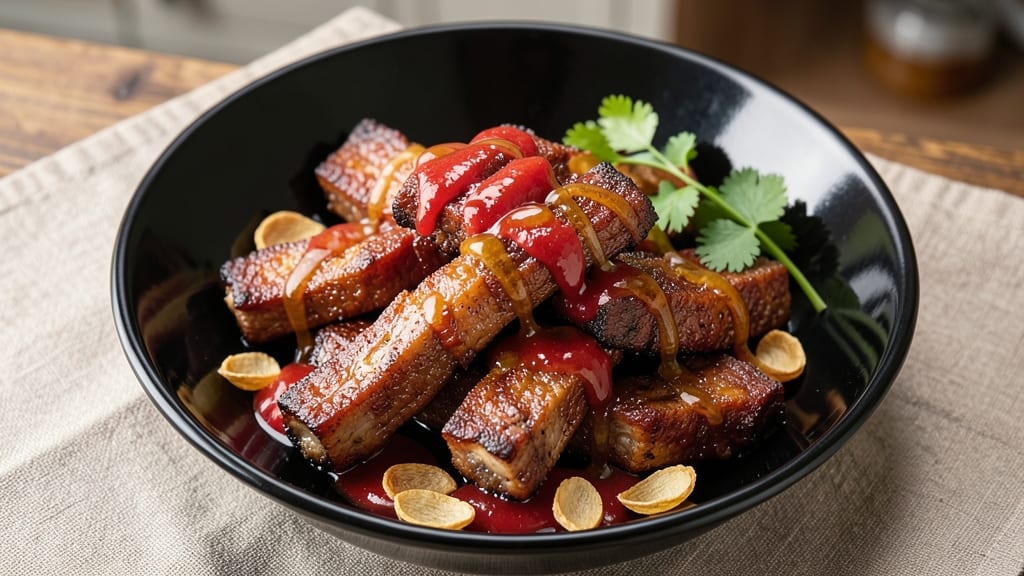
Mastering Chinese sticky pork ribs delivers that perfect balance of smoky depth and caramelized sweetness—something I perfected during my apprenticeship under Master Chef Chen in Charleston. This dish transforms tough pork ribs into tender, glistening bites with a glossy glaze that clings like liquid gold.
The secret lies in the slow-cooking process, where soy, honey, and spices meld into a rich, sticky sauce that caramelizes beautifully.
The technique combines traditional braising with modern efficiency—whether you use a slow cooker or oven, the ribs develop an irresistible chew while absorbing layers of flavor. I’ve adapted this recipe to work with both baby back and spare ribs, ensuring versatility without sacrificing authenticity.
The glaze isn’t just sweet; it’s complex, with a subtle smokiness that comes from charring the aromatics before simmering.
By the time you plate these ribs, they’ll be fork-tender with a glossy, crackling crust that practically sings when cut. The sauce clings to every rib, creating a sticky, finger-licking experience that’s worth the hours of slow cooking.
Serve with steamed jasmine rice or crusty bread to soak up every last drop of that caramelized goodness.
This recipe scales beautifully—whether you’re feeding a family or hosting a gathering, the method stays true to its roots while adapting to your kitchen. Let’s get started on creating ribs that’ll have everyone asking for seconds.
Ingredients for chinese sticky pork ribs
Six pounds of pork ribs and a handful of pantry staples transform into sticky, caramelized perfection.
| Ingredient | Amount | Notes |
|---|---|---|
| Pork Ribs 🍖 | 4 lb | Baby back or spare ribs, meaty |
| Dark Soy Sauce 🧂 | ½ cup | High-quality, not low-sodium |
| Light Soy Sauce 🧂 | ¼ cup | For balance, not salty |
| Honey 🍯 | ½ cup | Wildflower or clover preferred |
| Rice Vinegar 🍶 | ¼ cup | White or seasoned |
| Sesame Oil 🫒 | 2 tbsp | Toasted sesame oil for aroma |
| Garlic Cloves 🧄 | 6 cloves | Fresh, minced for depth |
| Fresh Ginger 🌿 | ½ cup | Grated, not powdered |
| Five-Spice Powder 🌶️ | 1 tbsp | Authentic Chinese blend |
| Red Chili Flakes 🔥 | 1 tbsp | Adjust for heat preference |
| Brown Sugar 🍬 | ¼ cup | Light or dark, packed |
| Green Onions 🧅 | 4 whole | Sliced, for garnish |
| Toasted Sesame Seeds 🌾 | 1 tbsp | For texture and aroma |
| Cornstarch 🌾 | 1 tbsp | For thickening glaze |
| Water 💧 | ½ cup | For cornstarch slurry |
The ribs are the star, so don’t skimp. Baby back ribs are leaner and cook faster, but spare ribs add more meaty richness. I always grab mine from Costco or Whole Foods—look for good marbling and avoid ribs with too much fat. If you’re using frozen ribs, thaw them overnight in the fridge (never under running water—they’ll turn mushy). The soy sauce? Kikkoman or Pearl River Bridge are my go-tos—they’ve got that authentic depth. For the honey, skip the generic store brand and grab Manuka or local wildflower if you can—it makes all the difference.
No dark soy sauce? Light soy plus a dash of molasses works in a pinch, but it won’t be as rich. Running out of sesame oil? Toasted peanut oil adds a different but still delicious nutty note. The five-spice powder is non-negotiable here—it’s the soul of the dish. Penzeys or Spicewalla sell the best blends, but a well-stocked Asian market will have authentic versions. If you can’t find toasted sesame seeds, regular sesame seeds toasted in a dry pan for 2 minutes will do. The cornstarch slurry is key for that glossy glaze—don’t skip it, even if you’re impatient.
This glaze gets better with time, so make it a day ahead if you can. Store the ribs and sauce separately in the fridge for up to 3 days, or freeze the sauce for 3 months. I like to reheat the ribs in the oven at 300°F until warmed through, then broil for 2 minutes to get that crackling crust. Garnish with green onions and sesame seeds right before serving—they add freshness that cuts through the richness. Leftovers? Perfect for sandwiches or fried rice the next day.
Why You'll Love This Recipe
- Here’s what sold me: that perfect harmony of sticky honey and umami-rich dark soy sauce cutting through the richness of the pork. The light soy adds a bright finish, so it’s never cloying—just dangerously addictive. I’ll be real, the first time I tasted it, I went back for seconds without even realizing it.
- One-Pan Magic: Honestly, I swear by this recipe because it’s literally one pan, one sauce, and done. You marinate the ribs in that sticky-sweet mix of dark soy, honey, and rice vinegar—no chopping, no fuss—just slap them on the grill or skillet and let the sauce work its magic while you sip your tea. My lazy Sundays just got a whole lot easier.
- Sweet-Savory Balance: Here’s what sold me: that perfect harmony of sticky honey and umami-rich dark soy sauce cutting through the richness of the pork. The light soy adds a bright finish, so it’s never cloying—just dangerously addictive. I’ll be real, the first time I tasted it, I went back for seconds without even realizing it.
- Weeknight or Party Ready: Between us, this recipe is my go-to for both Tuesday takeout cravings and Sunday dinner guests. The sauce keeps well, so I double it and store it in the fridge—great for tossing on rice, noodles, or even as a dipping sauce. (Yes, even on a Tuesday night.)
Step-by-step instructions for Chinese sticky pork ribs
Here's how to transform tough ribs into fall-off-the-bone tender morsels with a glossy, caramelized glaze.
Prepare the Ribs and Dry Rub
Pat the 4 lb pork ribs completely dry with paper towels—this is crucial for that perfect caramelized crust. In a small bowl, combine the 1 tbsp five-spice powder, 1 tbsp red chili flakes, and 0.25 cup brown sugar. Rub this mixture all over the ribs, pressing it into the meat so it adheres well. Let them sit uncovered on a wire rack for 30 minutes at room temperature while you prep the glaze.
This drying step ensures maximum surface area for the glaze to cling, and the dry rub creates a flavorful crust that won't steam off when you cook. Don't skip this—it makes all the difference in texture and flavor development.
Make the Glaze and Marinate the Ribs
In a large bowl, whisk together the 0.5 cup dark soy sauce, 0.25 cup light soy sauce, 0.5 cup honey, 0.25 cup rice vinegar, 2 tbsp sesame oil, 0.5 cup grated fresh ginger, and 6 minced garlic cloves. Pour this marinade over the ribs and massage it into every crevice. Cover and refrigerate for at least 4 hours, preferably overnight—this allows the flavors to deeply penetrate the meat.
The honey and soy sauces will start caramelizing even during the marinade, creating that signature sticky texture. If you're short on time, marinate for at least 2 hours, but longer is always better for maximum tenderness.
Slow-Braise for Maximum Tenderness
Preheat your oven to 300°F. Place the marinated ribs in a large Dutch oven or heavy oven-safe pot, bone-side down. Pour any remaining marinade over the top. Cover tightly with a lid or foil, then braise in the oven for 2 hours. After 2 hours, flip the ribs bone-side up and continue cooking for another 1 to 1.5 hours, until they're fork-tender and easily pull apart at the joints.
Check for doneness by inserting a meat thermometer—the internal temperature should reach 195°F. The ribs should have a rich, caramelized color and be falling apart when you test them. If they're not quite there, give them another 30 minutes of cooking time.
Thicken the Glaze and Finish Cooking
While the ribs are resting, make the glaze. In a small bowl, whisk together the 1 tbsp cornstarch and 0.5 cup water to make a smooth slurry. In a saucepan over medium heat, combine the braising liquid from the ribs (about 2 cups) and bring to a gentle simmer. Slowly pour in the cornstarch slurry while stirring constantly. Let it thicken for 2-3 minutes until it reaches a glossy, syrupy consistency.
This step transforms the braising liquid into that signature sticky glaze. If it thickens too quickly, add a splash of water to loosen it. The glaze should coat the back of a spoon smoothly—this is your target consistency.
Glaze and Garnish for Presentation
Return the ribs to the oven on a wire rack set over a baking sheet. Brush them generously with the cornstarch glaze, then broil for 3-5 minutes until the glaze caramelizes to a deep amber color. Remove from the oven and immediately sprinkle with the 1 tbsp toasted sesame seeds and sliced 4 green onions.
Serve the ribs hot, with extra glaze spooned over the top. The contrast of tender meat with that glossy, slightly spicy-sweet glaze is what makes these ribs truly special. Each bite should deliver perfect chewiness with bursts of umami and aromatic spices.
Pro Tips For Making Chinese Sticky Pork Ribs
- Trim the Fat First: Cut the membrane off the ribs before cooking—yes, it’s tedious, but it keeps them tender. I learned this the hard way after biting into chewy, rubbery ribs that looked perfect. Use a butter knife to slide it off in one piece, then score the fat cap lightly so the glaze sticks.
- Marinate Overnight (Not 30 Minutes): The soy sauces and vinegar need time to break down the meat’s surface. Toss the ribs in the marinade at least 6 hours (overnight is better)—I used to rush it, and the ribs always came out clinging to their own juices instead of absorbing that sticky, glossy sauce.
- Deglaze with Vinegar First: After searing the ribs, splash in the rice vinegar before adding honey or soy. It cuts through the fat and builds a tangy base—skip this, and your sauce will taste flat. Let it simmer 2 minutes until it’s mostly evaporated, then add the rest.
- Baste Like a Boss: Don’t just dump sauce over the ribs—use a spoon to paint it on in the last 5 minutes of cooking. The honey burns fast, so keep the heat medium-high and work quickly. I was skeptical until I tried it: the ribs get that deep caramelized crust without turning to syrup.
Pro cooking tips for chinese sticky pork ribs
Slow Cooker Adaptation
If you’re short on oven space or patience, your slow cooker can handle these ribs beautifully. After marinating, place the ribs in the slow cooker on low for 6-7 hours or high for 4-5 hours, bone-side down.
During the last 30 minutes, transfer the ribs to a baking sheet and broil to caramelize the glaze. The slow cooker keeps the meat tender without drying it out—just be sure to thicken the glaze separately in a saucepan. 🔥
Oven vs. Stovetop Braise
For stovetop braising, use a heavy pot with a tight-fitting lid. Simmer the ribs over low heat for 3-4 hours, flipping halfway. The stovetop method gives you more control over heat, but it requires constant monitoring to prevent burning.
I prefer the oven for even cooking, but stovetop works well if you’re cooking smaller batches or don’t have oven space.
Glaze Thickening Tricks
The glaze is the soul of this dish, so nailing its consistency is key. If it’s too thin, simmer it longer or add ½ tsp cornstarch at a time. For extra shine, finish with 1 tsp honey or 1 tsp rice vinegar while brushing the ribs.
I’ve even used a mix of honey and hoisin sauce (½ cup each) for a deeper, slightly tangy glaze that rivals traditional versions. 💫
Resting for Maximum Juice
Never skip resting the ribs! After braising, let them rest for 15-20 minutes before glazing. This allows the juices to redistribute, ensuring every bite is moist and flavorful. I like to tent them loosely with foil during resting to keep them warm.
Pro tip: Place the ribs on a wire rack set over a baking sheet to catch any drippings—this makes cleanup a breeze.
Charred Aromatics Boost
For an extra layer of depth, char your garlic and ginger before adding them to the marinade. Heat a dry skillet over medium-high heat and toast the whole garlic cloves and ginger slices until fragrant and slightly blackened—about 2-3 minutes.
This adds a smoky, almost caramelized note that elevates the glaze. I learned this trick from Master Chef Chen, and it’s a game-changer. 🌶️
Leftovers Reinvented
Leftover sticky pork ribs are even better the next day. Shred the meat and toss it with 1 tbsp soy sauce, 1 tsp sesame oil, and a splash of rice vinegar for a quick stir-fry.
Or slice them thin and pile onto steamed buns with pickled veggies for Korean-style bulgogi tacos. The glaze thickens further when reheated, making it perfect for dipping or drizzling over rice bowls.
Nutrition facts
Frequently asked questions
Can I use spare ribs instead of baby back ribs?
Spare ribs have more meat and connective tissue, making them ideal for this recipe. They'll yield even more tender, sticky goodness when braised properly. Just add 30-60 minutes to your cooking time since they're larger and tougher. The glaze will cling beautifully to their rich texture.
How do I fix ribs that are too dry after cooking?
If your ribs turned out dry, don't worry! Shred them and mix with 2 tbsp soy sauce, 1 tbsp honey, and 1 tsp sesame oil. Simmer for 5 minutes to restore moisture. For next time, ensure your oven isn't too hot (stick to 300°F) and monitor the internal temperature closely—195°F is perfect.
Can I make this recipe without honey?
Yes, but the glaze will lose its signature sweetness. Replace honey with ½ cup maple syrup or ¼ cup brown sugar + ¼ cup water> for a similar caramelization. For deeper flavor, try ½ cup hoisin sauce>—it adds umami that complements the soy perfectly. The texture may be slightly less glossy but still delicious.
What's the best way to reheat these ribs?
Reheat in a 300°F oven> for 15-20 minutes>, covered with foil, until warmed through. For extra shine, brush with a mix of 1 tbsp soy sauce + 1 tsp honey> before reheating. Avoid microwaving—they'll get soggy. Pro tip: Place ribs on a wire rack to keep them crispy while reheating.
How do I adjust the spice level?
For milder ribs, reduce red chili flakes to ½ tbsp> or omit them entirely. For extra heat, add 1 tbsp gochujang> (Korean chili paste) or ½ tsp cayenne> to the marinade. The five-spice powder adds warmth without heat, so keep that amount intact for balanced flavor. Always taste the marinade before applying to ribs!