
Main Courses
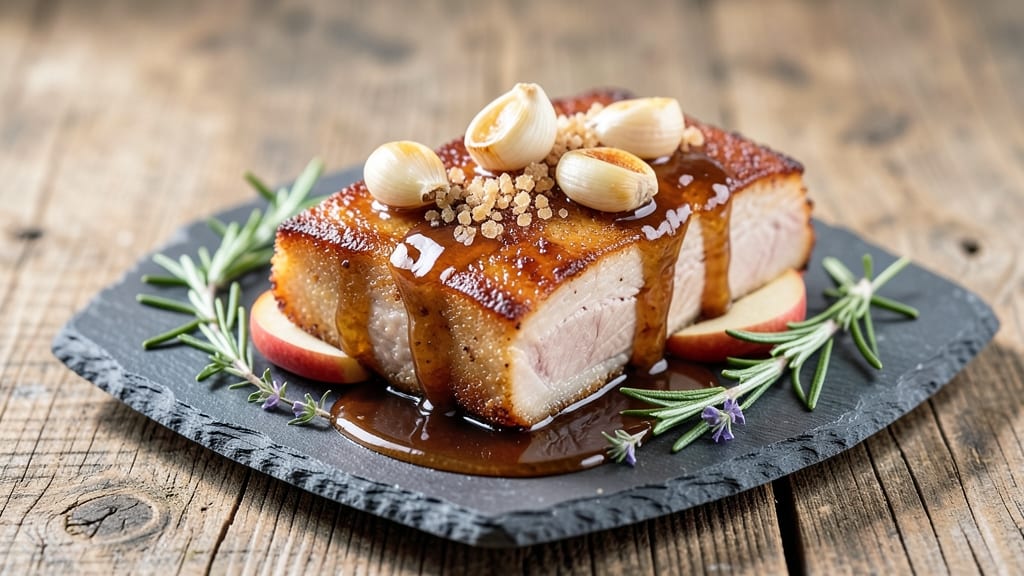
Pork belly transformed with cider creates a dish so rich and complex it feels like a Southern farmhouse secret. 🔥 I first discovered this technique during a weekend at my family’s Georgia farm, where we’d slow-cook pork until the skin turned golden and crispy—just like my grandmother taught me.
The key is balancing the pork’s natural fat with the tangy sweetness of cider, creating layers of flavor that linger.
This recipe delivers crispy skin and tender, melt-in-your-mouth meat without falling into greasy territory. We score the fat cap for even cooking, sear it in a cast-iron skillet to lock in juices, then braise it in a mix of apple cider and aromatic herbs.
The result? A dish that’s equal parts indulgent and balanced, with the smoky depth of pork belly and the bright acidity of cider.
By the time you plate it, you’ll have a star of the meal—crispy edges, caramelized edges, and a sauce that clings to every bite. Serve it alongside roasted root vegetables or a crisp green salad to cut through the richness.
This isn’t just a side; it’s the centerpiece of your table, made even better by the confidence of a foolproof method.
The beauty of this dish lies in its versatility. Use it as a main for a holiday feast or a weeknight dinner, and pair it with sides like mashed potatoes or buttery green beans.
The cider’s tanginess also makes it perfect for meal prep—just reheat gently to preserve that crispy texture. Trust me, once you master this, you’ll never go back to plain pork belly again.
Ingredients for cider pork belly
Pork belly, cider, and herbs—this trio delivers crispy skin and tender meat without the grease.
| Ingredient | Amount | Notes |
|---|---|---|
| Pork Belly 🥓 | 2 lb | Skin-on, with fat cap intact |
| Apple Cider 🍎 | 1 ½ cups | Unfiltered, preferably organic |
| Fresh Rosemary 🌿 | ¼ cup | Chopped, stems removed |
| Fresh Thyme 🌿 | ¼ cup | Leaves only, stems removed |
| Garlic Cloves 🧄 | 6 cloves | Peeled, smashed slightly |
| Brown Sugar 🍚 | 2 tbsp | Light or dark variety |
| Smoked Paprika 🌶️ | 1 tsp | For smoky depth |
| Ground Black Pepper 🌶️ | 1 tsp | Freshly cracked |
| Kosher Salt 🧂 | 1 ½ tbsp | Coarse grain preferred |
| Olive Oil 🫒 | 2 tbsp | For searing |
| Honey 🍯 | 1 tbsp | Wildflower preferred |
| Fresh Sage Leaves 🌿 | ⅛ cup | Whole leaves for garnish |
The pork belly is everything here. Look for thick-cut pieces with a good layer of fat—the more marbling, the better. Whole Foods or local butchers often carry the best quality, but the pre-sliced kind at Costco works too. If you can't find it fresh, frozen is fine—just thaw it overnight in the fridge. The fat cap needs to be at least half an inch thick for proper crisping. Score it in a diamond pattern before cooking—this helps render the fat evenly and creates crispy edges. Don't skip this step; it's what makes the skin magical.
No apple cider? Unsweetened apple juice with a splash of vinegar works in a pinch, but the tanginess is key. Fresh herbs are ideal, but dried thyme at one-third the amount gets you close. Short on rosemary? Fresh thyme plus a bay leaf adds similar depth. The smoked paprika gives that farmhouse smokiness—Penzeys has the best quality if you want to splurge. For the honey, wildflower or clover adds floral notes that pair perfectly with the cider. If you're feeling fancy, swap the brown sugar for maple syrup—just reduce the amount to 1 tbsp to avoid sweetness overload.
This dish tastes even better the next day, so make extra. Store leftovers in the fridge for up to 5 days, covered with the cider sauce to keep it moist. For reheating, warm in a skillet over medium heat until crispy again—3-4 minutes per side. Freezes beautifully for 3 months if you wrap it tightly in parchment and foil. I like to portion it into single servings before freezing so I can grab and reheat just what I need. The crispy skin is worth the effort, so don't rush it—patience here makes all the difference.
Why You'll Love This Recipe
- One-Pan Magic: I swear by this recipe when I don’t want to wash a million dishes—just score the pork, toss it in a roasting pan with the cider and herbs, and let the oven do the work. The garlic and rosemary waft through the kitchen while you’re busy with other things, and honestly? That’s my kind of cooking.
- Crispy-Creamy Obsession: Between us, the contrast here is chef’s kiss—golden, crackling skin on the outside, tender and juicy inside, all bathed in that sticky-sweet cider glaze. The thyme adds this bright, earthy note that cuts through the richness, so it’s never heavy. My husband steals slices straight from the pan.
- Weeknight to Weekend: This works for lazy Tuesdays (because the cider makes it feel fancy) and holiday feasts (because it’s crowd-pleasing). I’ve served it with roasted potatoes for a simple dinner or sliced thin over crusty bread for a charcuterie board—no stress, just flavor. Even my picky teenager asks for seconds.
- Leftovers That Don’t Suck: Most pork belly leftovers turn dry or rubbery, but this? It stays moist for days. I’ll repurpose it into fried rice, tacos, or a quick pasta the next night—no one ever guesses it’s not fresh. And since pork belly is cheaper than you’d think, it’s a budget hack that still feels special. Win-win.
Step-by-step instructions for cider-braised pork belly
Here's how to transform that fatty pork belly into irresistible, crackling skin with tender meat inside.
🔥 Step 1: Score and Season the Pork Belly
Start by scoring the pork belly in a diamond pattern—about ½-inch apart—using a sharp knife. This creates pathways for the fat to render out and the seasonings to penetrate. Pat the skin completely dry with paper towels; moisture is the enemy of crispy skin.
In a small bowl, mix together the 1.5 tablespoons kosher salt, 1 teaspoon smoked paprika, and 1 teaspoon ground black pepper. Rub this mixture all over the pork belly, including the scored areas. Press it in firmly so it sticks. Let it sit at room temperature for 30 minutes while you prep the rest.
🍳 Step 2: Sear for Maximum Crisp
Heat a large oven-safe skillet over medium-high heat until it's smoking hot. Add the 2 tablespoons olive oil and let it shimmer for 1 minute. Place the pork belly skin-side down in the pan and press down gently with a spatula for 1 minute—this prevents curling and ensures even contact.
Cook undisturbed for 8-10 minutes until the skin is deeply golden brown and the fat begins to render. Flip the pork belly and sear the other side for 4-5 minutes. The skin should be crisp enough to resist when you press it with your fingers. Transfer the skillet to a preheated 325°F oven.
🥘 Step 3: Braise with Apple Cider and Herbs
In the same skillet, add the 6 smashed garlic cloves, 0.25 cup chopped fresh rosemary, and 0.25 cup fresh thyme. Sauté for 1 minute until fragrant. Pour in the 1.5 cups apple cider, scraping up any browned bits from the bottom of the pan—this adds incredible depth of flavor.
Return the pork belly to the skillet, skin-side up. Cover tightly with foil and transfer to the oven. Braise for 2 hours until the meat is fork-tender and the skin is beginning to crisp again. Here's the thing—don't peek! Every time you open the oven, you lose heat and steam, which can make the skin soggy.
⏰ Step 4: Glaze and Crisp to Perfection
Remove the pork belly from the oven and increase the heat to 425°F. In a small bowl, whisk together the 2 tablespoons brown sugar and 1 tablespoon honey. Brush this mixture generously over the pork belly, making sure to get it between the scored lines. Return to the oven for 15-20 minutes until the glaze caramelizes and the skin becomes crispy again.
Watch closely during the last 5 minutes—the skin should turn a beautiful deep brown and develop a crackling texture. If it browns too quickly, tent it loosely with foil to prevent burning. The internal temperature should reach 195-200°F—this is when the pork belly becomes fall-apart tender.
🍽️ Step 5: Rest and Serve with Fresh Sage
Transfer the pork belly to a cutting board and let it rest for 10 minutes before slicing. This resting period allows the juices to redistribute, ensuring each bite is moist and flavorful. Use a sharp knife to slice the pork belly into ½-inch thick slices, cutting through the skin and meat together.
Arrange the slices on a warm platter and garnish with the 0.125 cup fresh sage leaves. The crispy skin will crackle with every bite, while the tender meat inside melts in your mouth. Serve with the reduced apple cider braising liquid spooned over the top for extra flavor. This dish pairs beautifully with roasted potatoes or a simple green salad.
Pro Tips For Making Cider Pork Belly
- Brown the Belly First: Don’t skip the sear—get that pork belly screaming hot in a dry skillet for 8-10 minutes per side until deep golden. I learned this the hard way: skipping this step means your cider braise will taste like it’s missing something. The crust locks in flavor and keeps the meat from falling apart later.
- Use Reduced Cider: Simmer your apple cider down to about half its volume before adding it to the pan. This concentrates the sweetness and acidity, giving your pork belly a richer, more complex sauce. (Yes, it takes 10 extra minutes, but it’s worth it.)
- Don’t Overcrowd the Herbs: Tuck whole sprigs of rosemary and thyme under the pork belly, not on top—this lets them infuse the meat without turning the cider bitter. And skip the pre-chopping: bruised herbs release too much oil, making the sauce taste like a herbal tea.
- Check Internal Temp Twice: Pull the pork at 195°F—then let it rest 15 minutes under foil before slicing. I used to cut into it early, and the slices would fall apart like overcooked bacon. (Your future self will thank you for the patience.)
Make-ahead tips for leftovers
Prep the Night Before
I always prep my pork belly the night before cooking—it's a game-changer for flavor and texture. After scoring the fat cap and seasoning it with kosher salt, smoked paprika, and black pepper, wrap it tightly in plastic wrap and refrigerate overnight.
This lets the seasonings penetrate deeply while the fat renders evenly. Trust me, the extra time pays off with more tender meat and crispier skin. ⚡
Braise in Advance
Once you sear the pork belly and start the braising process, you can finish most of the cooking ahead. After the initial 2-hour braise at 325°F, transfer the pork belly to a cooler with the braising liquid.
This keeps it warm and tender while you handle the glaze step later. I've even done this for up to 4 hours without issues—just keep it covered.
Glaze the Next Day
The glaze step is best done fresh, but if you're short on time, you can prep it ahead. Mix your 2 tbsp brown sugar and 1 tbsp honey the night before and store it in an airtight container.
When you're ready to crisp the pork, simply brush it on and return to the oven. The key is to let the pork rest after glazing—never skip this step! It ensures juicy meat with every bite.
Reheat with Care
Reheating cider pork belly requires patience to maintain that crispy skin. Warm it in a skillet over medium-low heat for 3-4 minutes per side, covered with foil. Uncover just long enough to crisp the skin again.
If using leftovers, I recommend reheating individual portions to avoid soggy texture. A 350°F oven works too—just 10-15 minutes until heated through.
Portion for Freezing
For long-term storage, slice the pork belly into ½-inch portions before freezing. Wrap each portion tightly in parchment paper, then foil, to prevent freezer burn. Label with the date—it keeps well for 3 months.
When ready to eat, thaw overnight in the fridge and reheat as directed. The crispiness might soften slightly, but the flavor remains incredible. 💫
Nutrition facts
Frequently asked questions
Why does the pork belly need to rest before slicing?
Resting for 10 minutes after cooking lets the juices redistribute, preventing dry meat when sliced. The fat also firms up slightly, making it easier to cut through crispy skin without tearing. Skipping this step means losing flavor and texture in every bite.
Can I substitute apple cider with something else?
Yes! Use unsweetened apple juice + 1 tbsp vinegar for tang, or dry white wine for depth. Avoid sweet ciders—they’ll make the dish overly cloying. The key is acidity to balance the pork’s richness.
What’s the best way to reheat leftovers without losing crispiness?
Reheat in a skillet over medium-low heat for 3-4 minutes per side, covered with foil. Uncover just long enough to re-crisp the skin. Microwaving kills crispiness—always use dry heat for best results.
How do I know when the pork belly is fully cooked?
Use a meat thermometer—it should read 195-200°F in the thickest part. The meat will pull away from the bone easily, and the skin will be deep golden brown with crackling texture.
Can I make this in a slow cooker instead of the oven?
Not ideal for crispy skin, but you can try! Sear the pork first, then place it in the slow cooker with cider and herbs on low for 6-8 hours. For crispiness, finish in a skillet over high heat for 2-3 minutes per side.