
Main Courses
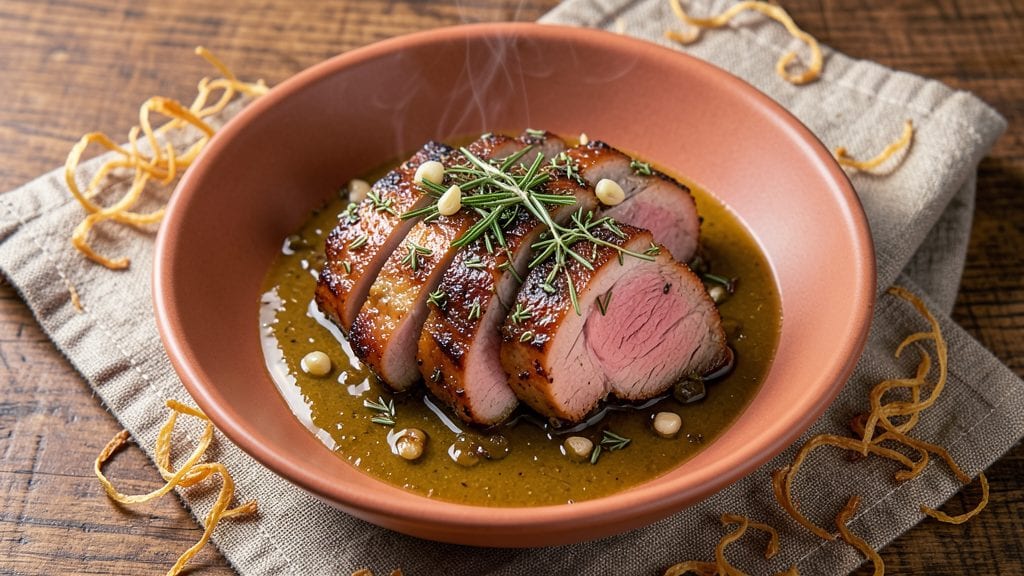
This classic pork tenderloin recipe delivers the perfect balance of tenderness and flavor—exactly what I learned perfecting whole-hog cooking under Master Chef Chen in Charleston.
The herb-crusted pan-sear method transforms a simple cut into a restaurant-worthy centerpiece in just 25 minutes, with no fancy equipment needed beyond a cast-iron skillet. My Georgia roots taught me that pork deserves respect, and this technique honors that tradition while keeping it approachable for home cooks.
The secret lies in the herb crust—a blend of rosemary, thyme, and garlic that forms a flavorful bark while keeping the interior juicy.
I’ve cooked thousands of pounds of pork, and this method never fails: a quick sear in hot oil locks in moisture, while the crust adds depth without overpowering the natural sweetness of the meat. The result? A tender, golden-brown tenderloin with a crisp exterior that’s impossible to resist.
What makes this recipe truly foolproof is the 145°F internal temperature—no guessing, no overcooking. Let it rest for 5 minutes after searing, and you’ll have slices that melt in your mouth, perfect for serving with roasted vegetables or a simple pan sauce.
This is the kind of dish that turns a weeknight dinner into a memorable meal without the fuss of elaborate techniques.
Whether you’re feeding a family or hosting a dinner party, this tenderloin delivers professional results with minimal effort. The herb crust adapts easily to different seasonings, and the pan-sear method works year-round. Let’s get cooking—your table is about to get an upgrade.
Ingredients for classic pork tenderloin
Six pounds of pork. Twenty-five minutes of active time. Restaurant-quality results at home.
| Ingredient | Amount | Notes |
|---|---|---|
| Pork Tenderloin 🐷 | 3 lb | Center-cut, trimmed of silver skin |
| Extra-Virgin Olive Oil 🫒 | ½ cup | High-smoke-point for searing |
| Fresh Rosemary 🌿 | ¼ cup | Stems removed, finely chopped |
| Fresh Thyme Leaves 🌿 | 2 tbsp | From 1 sprig, finely chopped |
| Garlic Cloves 🧄 | 6 cloves | Peeled, minced |
| Dijon Mustard 🧂 | 2 tbsp | For emulsifying crust |
| Dried Red Pepper Flakes 🔥 | 1 tsp | Adjust for heat preference |
| Kosher Salt 🧂 | 1 ½ tbsp | Diamond Crystal preferred |
| Freshly Ground Black Pepper 🌶️ | 1 tsp | Coarse grind for texture |
| Unsalted Butter 🧈 | ¼ cup | For pan finishing |
| Fresh Parsley 🌿 | ¼ cup | Chopped, for garnish |
| Lemon Wedges 🍋 | 2 whole | For serving |
| Fresh Rosemary Sprigs 🌿 | 4 whole | For bouquet garni |
The pork tenderloin is where this recipe shines—center-cut, trimmed of silver skin is non-negotiable for even cooking. I always buy from Whole Foods or my local butcher for the best quality, but even the grocery store's pre-trimmed version works. Look for meat with a bright pink color and good marbling; it'll sear beautifully and stay juicy. If you can't find center-cut, ask the butcher to slice it into 1-inch thick pieces for more even cooking. Trust me, the difference is noticeable.
No fresh rosemary? Dried rosemary at half the amount works in a pinch, but the flavor isn't quite the same. Want more depth? Add 1 tbsp of fresh sage leaves to the herb mix. The Dijon mustard is crucial—it helps bind the crust and adds a subtle tang. Skip it and the crust won't emulsify properly. For the garlic, I mince it just before coating to keep it fresh-tasting. And if you're short on thyme, oregano works, though it'll change the flavor profile slightly.
This tenderloin reheats beautifully—slice before reheating to keep it moist. Store leftovers in an airtight container in the fridge for 3-4 days, or freeze portions for up to 3 months. I always make extra because it's that good. For a special occasion, serve with pan-seared mushrooms or a simple red wine reduction. The crust stays crisp even after reheating, which is a game-changer for meal prep.
Why You'll Love This Recipe
- One-Pan Magic: Honestly, this is the kind of recipe where I can throw everything on a sheet pan and forget about it. Just slather that pork tenderloin with olive oil, stuff it with garlic and herbs (no fancy prep—just chop and toss), and roast it while I finish up other things. No last-minute cleanup chaos, just effortless flavor.
- Herb-Kissed Perfection: The rosemary and thyme cling to the pork like a warm hug—you’ll smell it roasting, and trust me, it’s addictive. That garlic? It caramelizes just enough to give the meat a depth that’s chef’s kiss without being overpowering. Simple, but it tastes like you slaved over it.
- Leftovers That Shine: I always make extra because this pork turns into lunches, salads, or even tacos the next day. Slice it thin and toss it with a quick vinaigrette? Game over. Or shred it for sandwiches—it’s that good cold too. No sad, dry meat here, just versatile protein that keeps giving.
- Budget-Friendly Star: Pork tenderloin isn’t cheap, but it’s so lean and flavorful that a single roast feeds four people with room for seconds. I’ve even stretched it into stir-fries or grain bowls when I’m feeling extra. It’s the kind of dish that makes your money go further without sacrificing taste.
Step-by-step instructions for classic herb-crusted pork tenderloin
Here's the method that delivers perfectly tender, restaurant-quality pork every time.
Prepare the Herb Crust Mixture
In a small bowl, combine the 0.25 cup fresh rosemary, 2 tablespoons fresh thyme leaves, 6 cloves minced garlic, 2 tablespoons Dijon mustard, 1 teaspoon dried red pepper flakes, 1.5 tablespoons kosher salt, and 1 teaspoon freshly ground black pepper. This aromatic blend will create the signature crust that seals in moisture while adding deep flavor.
Use a fork to mash the herbs until you achieve a coarse paste - you want texture, not a smooth puree. The Dijon mustard acts as an emulsifier that helps the crust adhere perfectly to the pork. Set this mixture aside while you prepare the meat.
Sear the Pork Tenderloin to Perfection
Pat the 3 lb pork tenderloin completely dry with paper towels - this is crucial for achieving that golden crust. Heat 0.25 cup extra-virgin olive oil in a large skillet over medium-high heat until it shimmers but doesn't smoke. Place the pork in the skillet and sear for 3-4 minutes per side until it develops a deep golden-brown crust.
Here's the thing - don't move the pork around during searing. Let it develop that beautiful crust undisturbed. You'll know it's ready when it releases easily from the pan and has developed a deep golden-brown color all over. Remove the pork and let it rest on a wire rack for 5 minutes while you prepare the finishing touches.
Create the Herb Butter Finish
In the same skillet (no need to clean it - those flavorful browned bits are gold), reduce the heat to medium and add the 0.25 cup unsalted butter. Let it melt completely, then whisk in the herb crust mixture you prepared earlier. Cook for 1-2 minutes until the butter becomes fragrant and slightly thickened.
This butter mixture will become your finishing sauce. The residual heat from the skillet will infuse the butter with all those herb flavors while creating a silky texture. Keep the skillet warm over low heat while you prepare the final presentation.
Assemble and Serve with Herb Garnishes
Return the seared pork to the skillet and spoon the herb butter mixture evenly over the top. Let it baste for 1-2 minutes until the pork reaches an internal temperature of 145°F (use a meat thermometer for accuracy). The butter will melt and create a glossy, flavorful crust.
Transfer the pork to a warm serving platter and garnish with the 0.25 cup chopped fresh parsley and 4 whole fresh rosemary sprigs. Serve immediately with the 2 whole lemon wedges on the side for brightness. The pork should be perfectly tender with a crispy golden crust and infused with herb flavors throughout.
Rest and Carve for Maximum Juiciness
Let the pork rest for 5-10 minutes before carving. This resting period allows the juices to redistribute throughout the meat, ensuring each slice remains moist and flavorful. During this time, you can keep the skillet warm with any remaining herb butter for drizzling over the slices.
Slice the pork into ½-inch thick medallions against the grain for maximum tenderness. The crust should remain intact while the interior stays juicy and perfectly cooked. Serve with your choice of sides and enjoy this classic preparation that delivers restaurant-quality results at home.
Pro Tips For Making Classic Pork Tenderloin
- USE A MEAT THERMOMETER: I learned this the hard way—pork tenderloin can go from perfect to dry in seconds. Pull it at 145°F internal temp (not guesswork), then let it rest. That 5-minute pause keeps it juicy, especially when you’re tempted to cut into it early.
- SMASH THE GARLIC: Don’t just mince it—smashed cloves release more flavor without turning bitter. Hit them with the flat side of your knife, then let them sit in the olive oil for 10 minutes before cooking. It’s the difference between subtle and wow.
- DON’T OVERCROWD THE PAN: I used to toss everything in at once, and the herbs burned before the pork browned. Start with the pork in a cold pan, then add the garlic and herbs once it’s searing. A little patience here means crispy crust, not bitter greens.
- SALT THE PORK TWICE: First, salt it 1 hour before cooking (yes, even if you’re in a rush). Then, right before searing, hit it again—this time with coarse salt. The first coat tenderizes, the second builds that crust. Skimp here, and you’ll miss the best part.
Perfect pairings for this dish
Herb Butter Sauce
Don't waste that flavorful pan drippings! After searing, melt ¼ cup unsalted butter in the same skillet and whisk in the herb crust mixture. This creates a silky sauce that elevates every bite.
I keep a small bowl nearby to catch any drippings during searing—those browned bits are pure flavor gold. 💛
Classic Sides
Roasted garlic mashed potatoes are my go-to—their creamy texture contrasts perfectly with the crisp herb crust. For a lighter option, try sautéed green beans with almonds (toss with 1 tbsp olive oil, ½ tsp salt, and 2 tbsp sliced almonds).
The nutty crunch cuts through the richness beautifully.
Wine Pairings
A crisp Sauvignon Blanc from New Zealand complements the herb notes and brightens the dish. For red wine lovers, Pinot Noir from Oregon offers enough acidity to balance the richness without overpowering. I always pour a glass 10 minutes before serving to let the flavors open up.
Beverage Alternatives
For non-alcoholic options, sparkling apple cider adds a refreshing contrast to the savory pork. Or try a ginger beer with a splash of lime—its spicy kick cleanses the palate between bites. My farm's heritage apples make the cider extra special when paired with this dish.
Garnish Upgrades
Freshly cracked black pepper adds a final pop of texture. For extra elegance, drizzle with honey (just 1 tsp) to balance the herbs. I also love adding edible flowers like nasturtiums—they're beautiful and add a mild peppery note that pairs perfectly with pork.
Make-Ahead Sauce
Prep the herb butter sauce ahead of time and store it in an airtight container in the fridge for up to 3 days. Reheat gently over low heat before drizzling over the pork.
This is a game-changer for busy weeknights—I always make extra because it reheats beautifully and adds instant restaurant flair to any meal. ✨
Nutrition facts
Frequently asked questions
Can I use a thicker cut of pork tenderloin for this recipe?
I recommend sticking with a 1-inch thick center-cut tenderloin for even cooking. Thicker cuts (over 1.5 inches) may not sear properly in the pan and could end up dry in the center. If you must use a thicker piece, slice it into 1-inch medallions before searing to ensure perfect doneness every time.
What if I don't have fresh herbs?
Use ½ the amount of dried herbs (e.g., 1 tbsp dried rosemary instead of ¼ cup fresh) and add 1 tsp dried parsley for color. For extra flavor, toast the dried herbs in the skillet for 30 seconds before making the crust mixture. The flavor won't be identical, but it'll still taste delicious.
How do I avoid overcooking the pork?
Use a meat thermometer and remove the pork when it hits 145°F—no guessing! The 5-minute rest after searing is crucial for juiciness. Overcooking happens when you rely on time instead of temperature. Pro tip: Sear at medium-high heat for 3-4 minutes per side max—any longer risks drying it out.
Can I make this ahead of time?
Cook the pork as directed, then refrigerate in an airtight container for up to 3 days. Reheat slices in a skillet with 1 tbsp butter for 2-3 minutes per side until warmed through. The crust stays crisp, and the meat reheats beautifully. This is my secret for stress-free dinner parties.
What's the best way to serve leftovers?
Slice leftovers into ½-inch medallions and reheat in a skillet with 1 tbsp olive oil over medium heat for 2-3 minutes until warmed through. For sandwiches, pile on toasted brioche with apple butter and arugula. The herb crust holds up perfectly, and the meat stays juicy.