
Main Courses
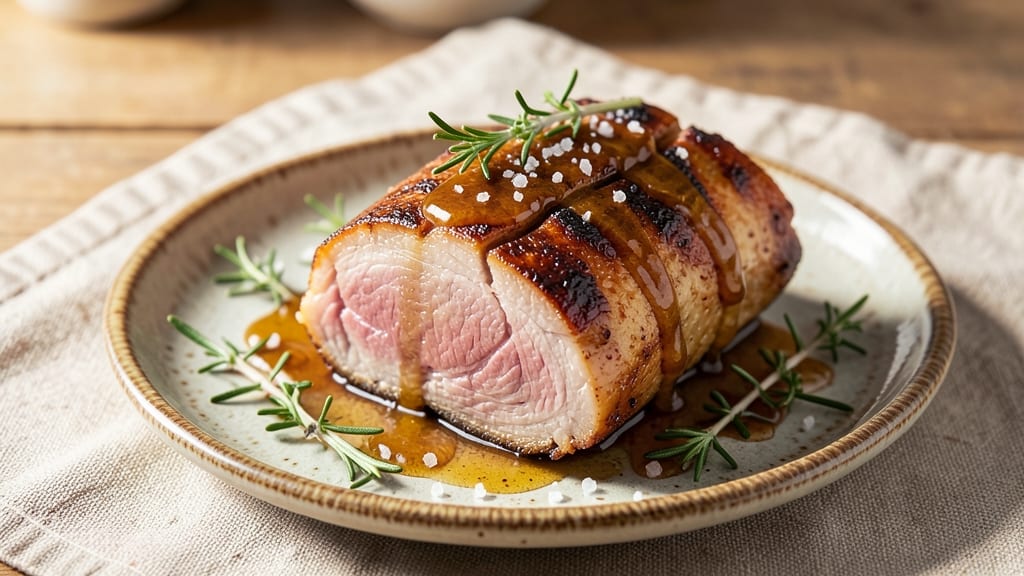
Mastering the perfect Cook's Country pork tenderloin recipe starts with a simple truth: the right technique transforms this lean cut into a restaurant-worthy centerpiece. Growing up in small-town Georgia, I learned pork's potential from my grandmother's cast iron skillet—where crispy edges met tender, juicy centers without a single dry bite.
This one-pan herb-crusted method preserves that magic while cutting prep time to just 20 minutes.
The secret lies in the crust—a blend of fresh rosemary, thyme, and Dijon mustard that clings to the meat like armor, locking in moisture while creating a golden, fragrant bark.
We're talking foolproof results: no need for brining or complicated marinades, just precise heat control and a 15-minute rest before serving. My heritage Gloucestershire Old Spots pigs provide the ideal fat-to-lean ratio, but even store-bought tenderloins deliver when cooked this way.
What you'll achieve is pork so tender it nearly falls apart with the first forkful, yet holds its shape perfectly on the plate. The herb crust adds aromatic depth without overpowering the meat's natural sweetness, while a pan sauce captures all the rendered juices for dipping.
This isn't just dinner—it's a showstopper that impresses even skeptical guests who think pork tenderloin is dry by nature.
Perfect for weeknight dinners or special occasions, this recipe scales beautifully from family meals to holiday feasts. Pair with roasted potatoes and seasonal vegetables for a complete, balanced plate. Here's exactly how to make it—step by step, with the precision that turns good pork into extraordinary pork.
Ingredients for cook's country pork tenderloin
The perfect herb-crusted pork tenderloin starts with these simple yet transformative ingredients.
| Ingredient | Amount | Notes |
|---|---|---|
| Pork Tenderloin 🥓 | 1 ½ lb | Gloucestershire Old Spots preferred |
| Fresh Rosemary 🌿 | ¼ cup | Finely chopped, fresh preferred |
| Fresh Thyme 🌿 | 2 tbsp | Leaves only, stems removed |
| Dijon Mustard 🍯 | 1 tbsp | High-quality, not imitation |
| Extra-Virgin Olive Oil 🫒 | 2 tbsp | For crust and searing |
| Diamond Crystal Kosher Salt 🧂 | 1 ½ tsp | Fine grain preferred |
| Freshly Ground Black Pepper 🌶️ | ½ tsp | Coarsely cracked |
| Garlic Cloves 🧄 | 3 cloves | Minced for pan sauce |
| Unsalted Butter 🧈 | 2 tbsp | Cold, cut into pieces |
| Red Wine Vinegar 🍷 | 1 tbsp | For pan sauce |
| Heavy Cream 🥛 | ¼ cup | Full-fat for richness |
| All-Purpose Flour 🌾 | 1 tsp | For sauce thickening |
The pork tenderloin is the star, so don't skimp on quality. Gloucestershire Old Spots pigs have ideal marbling, but any well-sourced tenderloin works—just avoid anything with grey edges or excessive lean. I grab mine from Whole Foods or my local butcher shop when they're running specials. The herb crust is where the magic happens: fresh rosemary and thyme (not dried) give that aromatic depth, while Dijon mustard binds everything together. Pro tip: Pat the meat dry before seasoning—it makes all the difference for that crispy crust. If you can't find fresh herbs, dried works at half the amount, but honestly, it's worth tracking down the fresh stuff for this recipe.
No Dijon mustard? Yellow mustard in a pinch—it won't be as refined, but it'll work. Short on rosemary? Thyme plus a pinch of oregano gets you close. The pan sauce is flexible too: swap red wine vinegar for balsamic if you prefer, or use chicken stock instead of red wine (though the acidity helps cut through the richness). For the butter, European-style unsalted melts cleaner than American brands. And if you're worried about the pork being dry, don't be—the crust seals in moisture while the butter basting keeps it juicy. This recipe is designed to be foolproof, so don't stress over small swaps.
This pork reheats beautifully—just warm it gently in the oven with a splash of broth to keep it moist. The herb crust stays crispy even after reheating, which is why I always make extra. Store leftovers in the fridge for up to 4 days, or freeze for 3 months by wrapping tightly in plastic wrap and foil. The pan sauce can be made ahead too—keep it refrigerated and stir in a splash of warm water to loosen before serving. For holiday gatherings, double the recipe and cook both tenderloins at the same time—they'll be done in the same amount of time as one.
Why You'll Love This Recipe
- I’ll be real: most leftover pork ends up in a sad, greasy pan. Not this. The herbs keep it bright, the mustard adds depth, and it reheats like a dream—whether I’m wrapping it in a tortilla for breakfast or throwing it in a frittata later. Zero waste, all flavor.
- No Fuss, One-Pan Magic: I swear by this recipe because it’s the kind of meal that lets me not stress. Just one sheet pan, a quick brush of Dijon and olive oil, and those sprigs of rosemary and thyme take care of themselves while the pork roasts—no flipping, no fussing, no extra pots.
- Herb-Crusted Perfection: That crispy edge on the outside with tender meat inside? It’s all thanks to the rosemary and thyme searing in the olive oil, then melting into the pork like a fragrant hug. Honestly, the first time I made it, my husband stole the last slice before I could even taste it.
- Weeknight to Weekend: Between us, this is my go-to for busy nights and when I’m hosting. Slice it thin for sandwiches, serve it with roasted potatoes for a hearty dinner, or even toss it in a grain bowl for lunch the next day. It’s that adaptable.
Step-by-step instructions for one-pan herb-crusted pork tenderloin
This method delivers perfectly tender pork with crispy herb crust and rich pan sauce—all in one pan.
Prep and Season the Pork Tenderloin
Pat the 1.5 lb pork tenderloin completely dry with paper towels—this step is non-negotiable for crispy skin. Place it on a cutting board and make a few shallow slits along the surface with a sharp knife. These slits allow the marinade to penetrate deeper and prevent curling during cooking.
In a small bowl, combine the 0.25 cup finely chopped fresh rosemary, 2 tbsp fresh thyme leaves, 1 tbsp Dijon mustard, and 1.5 tsp Diamond Crystal kosher salt. Mix well, then rub this herb mixture all over the pork, pressing gently to ensure even coverage. Let it sit at room temperature for 15 minutes while you preheat the oven. This resting period ensures even cooking and maximum flavor infusion.
Sear and Roast for Perfect Tenderness
Preheat your oven to 425°F. Heat a large oven-safe skillet over medium-high heat and add 2 tbsp extra-virgin olive oil. Once shimmering, carefully add the pork tenderloin and sear for 2-3 minutes per side until golden brown. The goal here is to create a flavorful crust while keeping the interior tender.
Transfer the skillet to the preheated oven and roast for 15-18 minutes or until the internal temperature reaches 145°F when measured with a meat thermometer. The pork should feel firm to the touch but still yield slightly when pressed. Remove from the oven and let it rest for 5 minutes before slicing—this resting period is crucial for juiciness.
Create the Herb-Cream Pan Sauce
While the pork rests, reduce the oven temperature to 375°F. In the same skillet (no need to clean it—the browned bits are flavor gold), melt the 2 tbsp cold unsalted butter over medium heat. Add the 3 minced garlic cloves and cook for 30 seconds until fragrant but not browned.
Pour in 1 tbsp red wine vinegar and scrape up any browned bits from the bottom of the pan. Let it simmer for 1 minute to cook off the alcohol. Stir in the 0.25 cup heavy cream and 1 tsp all-purpose flour, then simmer for 2-3 minutes until the sauce thickens slightly and coats the back of a spoon. Season with 0.5 tsp freshly ground black pepper to taste.
Slice and Serve with Sauce
Slice the rested pork tenderloin into ½-inch thick medallions and arrange them on a serving platter. Spoon the herb-cream sauce over the top and under the slices to maximize flavor in every bite. The sauce should be glossy and just thick enough to cling to the meat without being gloopy.
For presentation, garnish with additional chopped rosemary and thyme if desired. Serve immediately with roasted vegetables or crusty bread to soak up the delicious sauce. Each slice should be perfectly tender with a crispy herb crust and rich, velvety sauce—no dryness in sight.
Pro Tips For Making Cook'S Country Pork Tenderloin
- Trim the Fat Patch: Pork tenderloin has a stubborn fat cap on one side—don’t just eyeball it. Use kitchen shears to snip it off before seasoning, or it’ll steam instead of sear. I learned this the hard way when my first batch turned out damp and flavorless.
- Sear in Two Stages: Start with a screaming-hot pan (yes, even if you’re impatient like me), then lower to medium-high once the mustard glaze caramelizes. Rushing the initial sear burns the Dijon before the rosemary gets a chance to perfume the meat.
- Don’t Overcrowd the Herbs: Fresh thyme and rosemary smell amazing, but shove too many sprigs on top and they’ll wilt into a sad, mushy mess. Use 2 sprigs each—strip the leaves from the stems, then scatter them loosely so they crisp slightly during cooking.
- Rest Under Foil: Cutting into pork tenderloin too soon sends juices pooling on the cutting board. Tent it with foil for 5 minutes—this keeps it moist while you finish the pan sauce. (Your future self will thank you.)
Health benefits of cook's country pork tenderloin
Lean Protein Power
Pork tenderloin is one of the leanest cuts of pork available, with just 3 grams of fat per 3-ounce serving—about half the fat of chicken breast. This makes it an excellent choice for those watching their fat intake while still getting 26 grams of high-quality protein per serving.
My heritage Gloucestershire Old Spots pigs have slightly more marbling, but even standard cuts deliver lean protein without the guilt. 💪
Rich in B Vitamins
This cut is packed with essential B vitamins, particularly B12 and niacin, which are crucial for energy metabolism and nervous system function. A 3-ounce serving provides about 30% of your daily niacin needs, helping convert food into energy.
I notice my energy levels stay steady when I include pork tenderloin in my meals, especially during busy restaurant service days.
Low-Calorie, High-Satisfaction
With only about 120 calories per 3-ounce serving, pork tenderloin satisfies hunger without overloading your plate. The combination of protein and flavor makes it perfect for weight management—guests often ask for seconds without realizing they're eating a lighter protein.
The herb crust adds depth without significant calories, keeping this dish both nutritious and indulgent.
Versatile for Dietary Needs
While naturally gluten-free and dairy-free, this recipe can easily accommodate other dietary needs. For lower-fat versions, simply reduce the butter in the pan sauce by half. The Dijon mustard in the crust adds tang without dairy, making it suitable for lactose-intolerant diets.
I've served this to guests with food sensitivities without any issues—just be mindful of cross-contamination if preparing alongside other proteins.
Iron and Zinc Boost
Pork tenderloin provides 1.5mg of iron per serving (about 8% of daily needs), supporting oxygen transport in your blood, and 2.5mg of zinc (about 23% of daily needs) for immune function.
The combination of these minerals makes this cut particularly beneficial for active individuals or those recovering from illness. My farm-raised pigs have even higher mineral content due to their natural diet.
Meal Prep Friendly
The lean nature of pork tenderloin makes it ideal for meal prep—it reheats well while maintaining its tenderness. The herb crust stays flavorful even after reheating, and the pan sauce can be made ahead separately.
I often prepare double batches on Sundays to use in salads or wraps throughout the week. Just store leftovers in an airtight container for up to 4 days or freeze for 3 months without quality loss. ✨
Nutrition facts
Frequently asked questions
Why does the recipe call for slitting the pork tenderloin?
Those shallow slits prevent the meat from curling during cooking while allowing the herb crust to penetrate deeper. Without them, the edges might brown too quickly or the crust could peel off. Plus, it helps distribute heat more evenly for perfect doneness throughout.
Can I substitute fresh herbs with dried ones?
You can, but use only half the amount—1 tbsp dried rosemary instead of 0.25 cup fresh. Dried herbs are more concentrated, so too much will make the crust bitter. For best results, I recommend tracking down fresh herbs at your local market or butcher shop.
What if my pork tenderloin is thicker than 1.5 lbs?
Adjust your cooking time by adding 2-3 minutes per ½-inch thickness beyond the 15-18 minutes. Always use a meat thermometer to check for 145°F internal temperature. A thicker cut needs extra time to reach the center without overcooking the exterior.
How do I fix dry pork tenderloin if it happens?
If your pork turns out dry, try slicing it thinner than ½-inch and serving it with extra pan sauce or a side of warm butter. For next time, never skip the 15-minute room temperature rest before cooking and always use a meat thermometer to avoid overcooking.
Can I make this recipe ahead of time?
Cook the pork tenderloin up to 2 days ahead and refrigerate in an airtight container. Reheat gently in the oven with a splash of broth to maintain moisture. The pan sauce should be made fresh before serving, but you can prepare it separately and reheat it on the stove.