
Main Courses
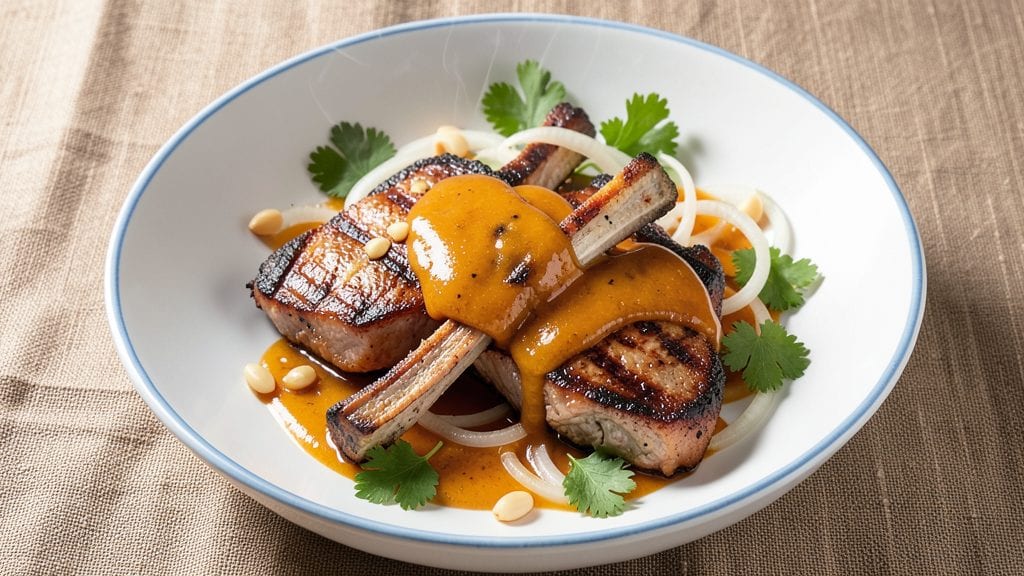
This Cuban pork chop recipe transforms simple ingredients into a dish that carries the bold flavors of Havana right to your kitchen table.
Growing up in small-town Georgia, I learned that pork—when treated with respect—becomes the heart of any meal, and this slow-braised method honors that tradition with mojo marinade magic.
The secret lies in balancing citrus, garlic, and spices to create a tender chop with layers of flavor that linger long after the last bite.
The cooking process is where the real transformation happens—starting with a marinade that tenderizes the meat while infusing it with bright, aromatic notes. After searing the chops to lock in juices, they simmer low and slow until fork-tender, absorbing the rich, caramelized mojo sauce.
This method ensures every bite delivers both texture and depth, making it a standout centerpiece for any dinner.
By the time you serve these pork chops, they’ll be perfectly golden, infused with citrusy warmth, and surrounded by classic sides like black beans, rice, and crispy plantains. The dish feels special without requiring hours of prep—just patience and a few key techniques.
Trust me, once you taste the difference between store-bought and this homemade version, you’ll never go back.
This recipe scales beautifully, whether you’re feeding a family or hosting a gathering. The mojo marinade keeps well, so you can prep ahead and focus on the cooking day-of. Pair it with a crisp white wine or a cold Cuban beer for the full experience.
Let’s get started on creating a dish that tastes like a taste of Cuba.
Ingredients for cuban pork chop
Pork chops, citrus, and spices—simple ingredients that transform into a dish bursting with Cuban flavors.
| Ingredient | Amount | Notes |
|---|---|---|
| Bone-In Pork Chops 🥩 | 4 whole | 1-inch thick, center-cut preferred |
| Fresh Orange Juice 🍊 | 1 cup | From 2-3 oranges, freshly squeezed |
| Garlic Cloves 🧄 | 8 cloves | Minced, for marinade and sauce |
| White Vinegar 💧 | ½ cup | White or apple cider vinegar |
| Ground Cumin 🌿 | 1 tbsp | Toasted for deeper flavor |
| Dried Oregano 🍃 | 1 tbsp | Mexican oregano if available |
| Ground Black Pepper 🌶️ | 1 tsp | Freshly ground preferred |
| Bay Leaves 🌿 | 2 whole | For simmering, removed before serving |
| Olive Oil 🫒 | ¼ cup | Extra-virgin for richness |
| Salt 🧂 | 1 ½ tsp | Kosher or sea salt |
| Fresh Cilantro 🌿 | ¼ cup | Chopped, for garnish |
| Onion 🧅 | 1 whole | Yellow or white, diced |
| Tomato Paste 🍅 | 2 tbsp | Squeeze tube or canned |
| Brown Sugar 🍯 | 1 tbsp | Light or dark variety |
| Water 💧 | 1 cup | For braising liquid |
The pork chops are the star, so bone-in, center-cut is key—they stay juicier during the long braise. Grab them from the butcher counter if your store has one, or look for thick-cut chops labeled 'pork loin chops' at Costco or Whole Foods. If they're uneven, pound the thicker sides to 1-inch thickness—this ensures even cooking. The marinade does most of the work, but starting with quality meat makes all the difference. I always check for marbling too—just a little fat keeps the chops tender.
No fresh oranges? Bottled orange juice works in a pinch, but add a splash of vinegar to cut through the sweetness. Running short on garlic? Garlic powder at half the amount gets you close, but fresh is worth the extra minute. The tomato paste can be tricky—those little squeeze tubes at Trader Joe's are perfect because you only use a fraction of a tube. No brown sugar? White sugar plus a pinch of cinnamon mimics that molasses depth. And if you can't find Mexican oregano, regular dried oregano works, but it's not quite the same (trust me, I've tried).
This marinade keeps for 3 days in the fridge, so make it ahead. The chops reheat beautifully—just warm in the oven at 300°F for 15 minutes with a splash of water. Store leftovers in the marinade for 4 days or freeze for 3 months. I always double the marinade and use half for the chops, half to baste them while they braise. Garnish with fresh cilantro right before serving—it brightens everything up (and makes it look restaurant-worthy).
Why You'll Love This Recipe
- Sheet Pan Hero: I toss everything on one pan—pork chops, orange juice, garlic, vinegar—and walk away for 25 minutes. No fussy marinating, no constant stirring. The bone-in chops cook themselves while the citrus and vinegar caramelize into a sticky, tangy glaze that clings to every bite.
- Citrus-Kissed Magic: That fresh orange juice? It’s not just juice—it’s the secret. The acidity cuts through the richness of the pork, while the natural sweetness balances the earthy cumin and garlic. Honestly, the first bite will have you reaching for seconds without thinking.
- Leftovers? No Problem: These chops reheat like a dream—crispy on the outside, juicy inside, with that same tangy kick. I pack them for lunches, slice them into tacos the next night, or even toss them into rice bowls. My kids beg for “Cuban night” three times a week because it’s that versatile.
- Budget’s Friend: Bone-in pork chops are cheaper than you’d think, and this recipe stretches them into a meal that feels fancy without the price tag. The orange juice and vinegar? Pantry staples. Cumin’s a dollar at the store. I’ve fed a crowd for under $15—solid for a recipe that tastes like it cost twice as much.
Step-by-step instructions for slow-braised Cuban pork chops
Here's how to transform simple pork chops into tender, flavorful masterpieces with a mojo marinade.
Create the Mojo Marinade
In a medium bowl, combine the 1 cup fresh orange juice, 0.5 cup white vinegar, 1 tablespoon ground cumin, 1 tablespoon dried oregano, 1 teaspoon ground black pepper, and 1.5 teaspoons salt. Whisk until the spices dissolve completely. This tangy-sweet marinade is the soul of Cuban pork chops.
Next, add the 8 cloves minced garlic and 1 tablespoon brown sugar, stirring until evenly distributed. The sugar helps balance the acidity while caramelizing slightly during cooking. Let the marinade sit for 5 minutes to allow the flavors to meld together.
Marinate and Sear the Pork Chops
Place the 4 whole bone-in pork chops in a large resealable bag or shallow dish. Pour the marinade over the chops, ensuring they're fully coated. Refrigerate for at least 2 hours, or overnight for maximum flavor penetration. The acid in the marinade will tenderize the meat beautifully.
When ready to cook, heat 0.25 cup olive oil in a large skillet over medium-high heat until shimmering. Remove the chops from the marinade (reserve the marinade) and pat them dry with paper towels. This step is crucial for achieving a good sear. Once the oil is hot, add the chops and cook for 3-4 minutes per side until browned but not fully cooked through.
Build the Braising Sauce
Remove the chops from the skillet and set them aside. In the same skillet, add the 1 whole diced onion and cook for 3-4 minutes until softened. Stir in the 2 tablespoons tomato paste and cook for 1 minute to develop its flavor.
Pour in the reserved marinade (including any solids) and add the 1 cup water and 2 whole bay leaves. Bring to a gentle simmer, scraping up any browned bits from the bottom of the pan. This creates a rich, flavorful base for your braising liquid.
Slow-Braise to Perfection
Return the pork chops to the skillet, nestling them into the braising liquid. The liquid should come about halfway up the sides of the chops. Cover the skillet and transfer it to a preheated 325°F oven. Braise for 1.5 to 2 hours, until the pork is fork-tender and easily pulls away from the bone.
Check the doneness after 1.5 hours by inserting a meat thermometer into the thickest part of a chop. It should read 195-200°F. If the sauce reduces too much during cooking, you can add a splash of water or reserved marinade to maintain the proper consistency.
Finish and Serve
Once the pork chops are tender, remove them from the skillet and transfer them to a serving platter. Tent loosely with aluminum foil to keep warm. Skim any excess fat from the braising liquid, then reduce the heat to medium-low and simmer uncovered for 5-7 minutes to thicken the sauce.
Strain the sauce through a fine-mesh sieve to remove the bay leaves (discard them) and any onion pieces. Stir in the 0.25 cup chopped fresh cilantro just before serving. Spoon the sauce over the pork chops and serve immediately with rice, black beans, or your favorite Cuban sides. The chops should be fork-tender with a beautiful caramelized color.
Pro Tips For Making Cuban Pork Chop
- Sear First, Simmer Second: Get your bone-in pork chops screaming hot in a dry skillet before adding any liquid—this locks in flavor better than slow-cooking straight into the sauce. I used to skip this, and the meat always tasted bland until I realized crust matters more than you’d think.
- Use Vinegar Early: Toss the chops in white vinegar and orange juice before searing—it tenderizes the meat and cuts through grease later. My grandmother swore by this, and she was right: the acid works its magic while you prep the rest.
- Don’t Overcrowd the Pan: Cook the chops in batches if needed—piling them on steams instead of sears, and the garlic burns before the pork gets color. Trust me, you’ll regret the charred cloves later.
- Rest the Meat: Let the chops sit under foil for 5-10 minutes after cooking—this keeps the juices from pooling out when you slice. I know, I know, but trust the process: dry meat ruins everything.
Make-ahead tips for leftovers
Marinade Prep Ahead
I always make the mojo marinade first—it’s the flavor foundation, and it keeps beautifully in the fridge for 3 days. Mix everything together in a jar or bowl, then refrigerate until ready to use. This gives the spices time to bloom and the citrus to infuse.
My secret? I double the marinade—half goes on the chops, and half becomes my braising liquid. This ensures maximum flavor in every bite. 💛
Chops Prep in Advance
Pat the pork chops dry and coat them generously with the marinade, then wrap them tightly in plastic wrap or place them in a sealed container. Store in the fridge for up to 24 hours—this tenderizes the meat and deepens the flavor.
If you’re short on time, even 2 hours will make a noticeable difference. I’ve learned the hard way: never skip the marinating step, or your chops will be tough and bland.
Sauce Pre-Make for Efficiency
Prepare the braising sauce components ahead of time by chopping the onion and measuring out the tomato paste and brown sugar. Store them in separate containers in the fridge. When you’re ready to cook, simply sauté the onion and add the rest of the sauce ingredients.
This saves precious time on game day. I’ve done this trick at family gatherings, and it’s a lifesaver when you’re juggling multiple dishes.
Basting While Braising
During the 1.5 to 2 hours of braising, lift the chops out occasionally and spoon extra marinade or sauce over them. This keeps them moist and adds layers of flavor.
I use a spoon to baste, but a pastry brush works too—just make sure the sauce is hot enough to avoid bacterial growth. This step is what turns good pork into something extraordinary.
Leftovers? No Problem
Leftover chops reheat beautifully—wrap them in foil and warm in a 300°F oven for 15 minutes. The sauce can be stored separately and reheated on the stovetop. I always double the recipe for leftovers because these chops taste even better the next day.
Just add a splash of water to the sauce if it’s too thick. Trust me, your future self will thank you.
Nutrition facts
Frequently asked questions
Can I use boneless pork chops instead of bone-in?
Yes, but the cooking time will be slightly shorter—boneless chops cook faster and may dry out if braised too long. Reduce the braising time to 1 to 1.5 hours and check for doneness at 190°F instead of 195-200°F. The marinade and sauce will still work perfectly, just adjust the timing to avoid overcooking.
What’s the best way to substitute fresh orange juice?
Use 1 cup bottled orange juice plus 1 tablespoon extra white vinegar to mimic the acidity. For a deeper flavor, add ½ teaspoon orange zest to the marinade. The vinegar helps balance the sweetness, while the zest adds that bright citrus note that’s key to Cuban flavors.
Can I grill these pork chops instead of braising?
Marinate the chops as directed, then grill over medium heat for 4-5 minutes per side (covered with a lid). Baste with extra marinade during cooking. For extra tenderness, finish with a 10-minute rest under foil. The smoky flavor pairs beautifully with the citrusy marinade—just be sure to monitor the heat to avoid burning.
Why did my pork chops turn out dry?
Overcooking is the most common cause—bone-in chops should reach 195-200°F, not 203°F+. Always use a meat thermometer! Another culprit is skipping the marinade or not patting the chops dry before searing. The marinade’s acid tenderizes the meat, and a dry surface ensures a proper sear to lock in juices. If it happens, try reheating with a splash of sauce or reserved marinade.
What sides pair best with these Cuban pork chops?
Classic pairings include arroz blanco (white rice), black beans cooked with sofrito, and fried plantains for sweetness. For a lighter option, serve with a mango-avocado salad or yuca con mojo. The citrusy pork chops balance perfectly with earthy beans and starchy sides—just avoid heavy, creamy dishes that might overpower the flavors.