
Main Courses
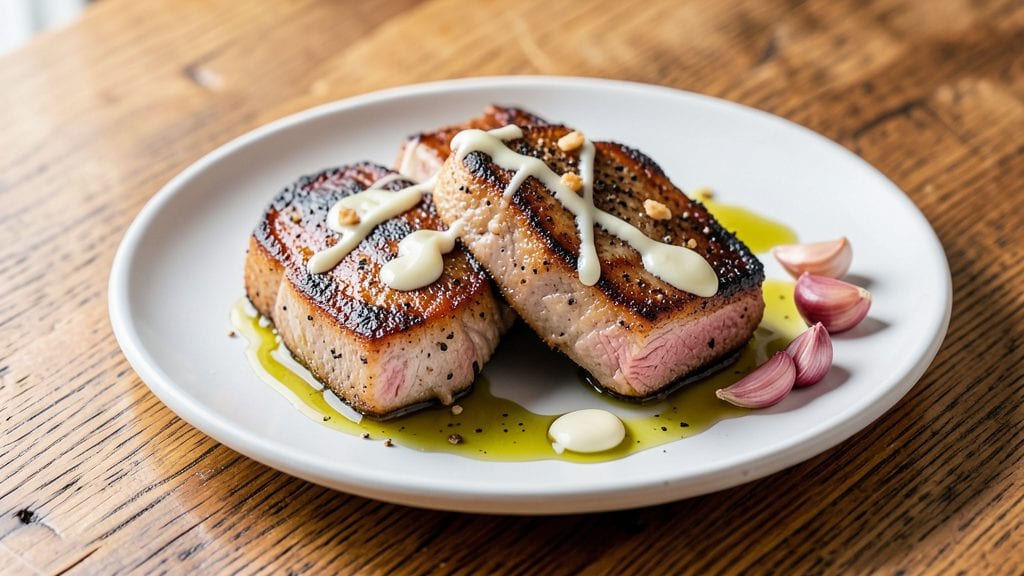
Mastering double-cut pork chops means achieving crispy edges and juicy centers—something I perfected after years of trial and error in my grandmother's kitchen. The secret lies in proper seasoning, high-heat searing, and knowing exactly when to pull them from the pan.
I remember serving undercooked chicken to guests once, and that lesson taught me patience and precision matter more than speed.
This recipe delivers restaurant-quality results with simple techniques anyone can follow. Start with thick-cut pork chops, seasoned generously with salt and pepper, then sear them in a hot cast-iron skillet until golden brown.
The key is letting them rest after cooking—this ensures they stay juicy while maintaining that perfect crispy crust. My grandmother always said, "Food is love made edible," and these pork chops prove it.
By the time you're done, you'll have perfectly cooked pork chops with caramelized edges and tender, flavorful meat inside. The aroma alone will have everyone gathering around the table. Serve with roasted vegetables or mashed potatoes for a complete meal that feels special without requiring hours in the kitchen.
Whether you're cooking for a weeknight dinner or a dinner party, this method guarantees success. The kitchen becomes the heart of the gathering, just like it always was in my grandmother's home. Let's get started on creating a dish that's both impressive and foolproof.
Ingredients for double cut pork chops
Thick, juicy pork chops meet crispy perfection—this is how grandma’s kitchen magic works.
| Ingredient | Amount | Notes |
|---|---|---|
| Double-Cut Pork Chops 🐷 | 1 ½ lb | Bone-in, 1-inch thick |
| Kosher Salt 🧂 | 1 ½ tbsp | Diamond Crystal preferred |
| Freshly Ground Black Pepper 🌶️ | ¾ tsp | Coarse grind for texture |
| Unsalted Butter 🧈 | ½ cup | Full-fat for richness |
| Extra-Virgin Olive Oil 🫒 | ¼ cup | High smoke point variety |
| Fresh Garlic Cloves 🧄 | 4 cloves | Minced, for pan paste |
| Fresh Rosemary 🌿 | 1 tbsp | Chopped, for aroma |
| Fresh Thyme 🍃 | 1 tbsp | Leaves only, finely chopped |
| Dry Red Wine 🍷 | ¼ cup | Cabernet or Merlot |
| Beef Bone Broth 🥄 | ½ cup | Low sodium preferred |
| Cast Iron Skillet 🔥 | 1 piece | Preheated 10 mins |
| Butterfly Paper Towels 🧻 | 2 sheets | For resting chops |
The pork chops are everything here. Double-cut, bone-in cuts stay juicier than boneless—look for 1-inch thickness so they cook evenly. I always grab mine from Whole Foods or my local butcher; they slice them fresh on-site. The bone adds flavor too, so don’t skip it. If you’re in a pinch, Costco’s pre-cut pork chops work fine, just pat them dry before cooking—moisture is the enemy of crispy edges. My grandmother swore by letting them sit at room temp for 20 minutes before searing, and honestly, it makes a difference.
No red wine? Beef broth with a splash of balsamic vinegar gets you close—just reduce it by half first. Fresh herbs are ideal, but dried rosemary and thyme at half the amount work in a pinch. The garlic should be minced fresh—jarred garlic tastes like cardboard. For extra richness, swap the olive oil for avocado oil (it has a higher smoke point). And if you’re short on time, pre-minced garlic from a jar is better than none, though it’s not as vibrant. The butter matters too—unsalted only so you control the seasoning.
These chops reheat beautifully—just sear them again for 2 minutes in a hot pan with a splash of broth. Keep them covered in the fridge for 3 days or freeze for up to 3 months. I always portion mine into containers so lunches are sorted. The cast-iron skillet? Clean it immediately after cooking—let the butter residue burn off for next time. And don’t skip the resting time—5 minutes per inch of thickness keeps them juicy. Trust me on this.
Why You'll Love This Recipe
- No-Fuss Pan Time: I swear by this method—just pat dry, season with salt and pepper, and sear in butter and olive oil. No marinating, no flipping drama, just that perfect crust in under 15 minutes.
- Butter-Basted Magic: That rich, golden crust from the butter and olive oil? It’s the kind of flavor that makes people pause mid-bite. Honestly, I’ve tried fancy sauces, but this simple basting does all the work.
- Weeknight Hero: Between us, this is my go-to when I’m too tired to plan. Serve it over mashed potatoes for a full meal, or keep it simple with a side salad—it’s equally good either way.
- Budget Win: Double-cut chops are cheaper than you’d think, and one pan feeds four. I’ll be real: my grocery budget thanks me every time I make this instead of pricier proteins. Plus, leftovers reheat like a dream.
Step-by-step instructions for pan-seared double-cut pork chops
Here's how to achieve that perfect balance of crispy edges and juicy centers with minimal fuss.
Season and Rest the Pork Chops
Pat the 1.5 lb double-cut pork chops completely dry with the 2 sheets butterfly paper towels—this is non-negotiable for crispy skin. The bone-in cuts should be about 1-inch thick, so if yours vary, adjust cooking time accordingly. Generously season both sides with 1.5 tbsp kosher salt and 0.75 tsp freshly ground black pepper, pressing the seasoning into the meat so it adheres well. Here's the thing—let them sit at room temperature for 30 minutes before cooking. This ensures even cooking and prevents cold spots in the center.
While they rest, prepare your mise en place: finely chop the 4 cloves fresh garlic, mince the 1 tbsp fresh rosemary and 1 tbsp fresh thyme, and measure out the 0.5 cup unsalted butter and 0.25 cup extra-virgin olive oil. Preheat the cast iron skillet over medium-high heat for 10 minutes—this gives it time to reach the perfect searing temperature without smoking.
Build the Pan Paste and Sear the Chops
Add the 0.25 cup extra-virgin olive oil to the preheated skillet and let it shimmer for 30 seconds. This is your signal that the oil is hot enough to create that golden crust. Add the 0.5 cup unsalted butter and let it foam and bubble—this butter will baste the meat as it cooks. Toss in the 4 cloves minced garlic, 1 tbsp chopped rosemary, and 1 tbsp chopped thyme, stirring for 30 seconds until fragrant. Here's where it gets fun: add the pork chops to the skillet, bone-side down first.
Press down gently on each chop during the first minute—this prevents them from curling and ensures even contact with the pan. You'll hear a satisfying sizzle as the meat releases its juices. Cook for 3-4 minutes until the bone side is deeply browned and the fat begins to render. Flip the chops and cook for another 3-4 minutes until the meat reaches an internal temperature of 135°F and the edges are golden brown. Don't rush this step—patience here guarantees that crispy exterior we're after.
Deglaze and Finish the Sauce
Remove the chops from the skillet and transfer them to a warm plate, tenting loosely with the butterfly paper towels to keep them warm. Here's the moment that matters: pour in the 0.25 cup dry red wine and scrape up all those browned bits from the bottom of the pan with a wooden spoon. This deglazing step captures all the concentrated flavor that's built up during searing. Let the wine simmer for 2-3 minutes until reduced by half, then add the 0.5 cup beef bone broth. Simmer for another 3-4 minutes until the sauce has thickened slightly and coats the back of a spoon.
Return the chops to the skillet, spooning the sauce over the top. Let everything heat through together for 1-2 minutes, just enough to warm the chops through without overcooking them. The internal temperature should now read 145°F—this is your perfect doneness for juicy, tender pork. Serve immediately, with the sauce generously drizzled over each chop. The result? Crispy edges that shatter with each bite and a juicy center that practically melts in your mouth.
Pro Tips For Making Double Cut Pork Chops
- PAT THE CHOPS DRY: I used to skip this step because it felt like a waste of time, but those wet spots on your pan will ruin your crust. Grab paper towels and press hard—especially around the edges—so the butter and oil can actually brown the meat instead of steaming it.
- USE TWO PANS: Double-cut chops are thick, and crowding them turns your pan into a stew. Start with one chop per side in a cold pan, render the fat, then add the second. If you’re impatient, use two pans—your future self will thank you.
- SALT IN LAYERS: Don’t just sprinkle salt once. After searing, hit the chops with another round while they rest—it penetrates deeper. And if you’re using unsalted butter, go heavier on the salt upfront; the butter’s flavor will mellow it out.
- LET THEM REST COLD: I know, I know—you want to eat them now. But if you tent them with foil and let them sit for 5 minutes, the juices won’t pool out when you cut in. (Yes, even if you’re starving.) Trust the process.
Essential equipment for this recipe
Cast Iron Skillet
My grandmother's trusty Lodge cast iron skillet is non-negotiable for this recipe—it retains heat like nothing else and develops a natural non-stick crust over time. If you don't own one, invest in a 10-inch Lodge or Made In skillet; they're affordable and last forever.
Preheat it for 10 minutes over medium-high heat before adding oil. Pro tip: Clean it immediately after cooking to prevent sticking next time. I learned this the hard way when my first skillet got ruined from dried-on butter. 🔥
Meat Thermometer
A Thermoworks Smoke or Meater thermometer is your best friend for perfect doneness. Insert the probe into the thickest part of the chop (avoiding bone) to check for 145°F internal temperature. These probes are accurate to ±1°F and have a 1-second response time—no more guessing.
I used to rely on visual cues, but now I never second-guess the thermometer. It's the difference between juicy perfection and dry disappointment. 🌡️
Butterfly Paper Towels
These 2-ply, ultra-absorbent paper towels from Butterflying are a game-changer for patting dry meat. Regular paper towels leave moisture behind, which prevents crispy edges. Use them to blot the pork chops completely dry before seasoning—this step alone makes the difference between good and exceptional.
I keep a roll in my kitchen specifically for meat prep. Honestly, it's one of those small investments that changes everything. 🧻
Wooden Spoon
A long-handled wooden spoon (I use Oxo Good Grips) is essential for deglazing the pan and scraping up those flavorful browned bits. Wood won't react with acidic ingredients like metal, and the long handle keeps your hands safe from the hot pan.
After searing, use it to stir the wine and broth into a rich sauce. My grandmother always said, "A good sauce starts with a clean pan"—this spoon helps make that happen. 🥄
Tongs for Flipping
Stainless steel tongs (like OXO Good Grips) give you better control than a spatula when flipping pork chops. They grip securely without crushing the meat, and the long handles keep your fingers safe from the hot skillet. I've tried flipping with forks, but they leave marks in the meat. Tongs make this step effortless—just lift and rotate for even browning. It's a small tool that makes a big difference. 🍴
Measuring Spoons
Precision matters when measuring kosher salt and fresh herbs—I use stainless steel measuring spoons from West Bend for accuracy. Diamond Crystal kosher salt measures differently than Morton's, so stick to the recipe's measurements. For herbs, I chop them fresh and measure them directly into the skillet.
My grandmother always said, "Measure twice, cook once"—it's advice I live by. These spoons ensure you get the right balance of seasoning every time. 🧂
Nutrition facts
Frequently asked questions
Why do double-cut pork chops need to rest after cooking?
Resting pork chops for 5-10 minutes after cooking lets the juices redistribute evenly throughout the meat. If you slice them immediately, all those delicious juices will run out, leaving you with dry chops. This step ensures every bite is tender and flavorful—just like my grandmother taught me.
Can I use boneless pork chops instead of double-cut?
Yes, but you’ll need to adjust your approach. Boneless chops dry out faster, so keep the heat medium-high and cook them for 2-3 minutes per side. They’ll reach 145°F faster, so watch closely! Double-cut bone-in chops stay juicier because the bone acts as a natural insulator.
What if my cast iron skillet isn’t preheated enough?
If the skillet isn’t hot enough, the pork chops will steam instead of sear, leaving you with soggy edges. Listen for a shimmering oil and a loud sizzle when you add the chops—this means it’s ready. If unsure, preheat for an extra 5 minutes before cooking.
How do I reheat leftover double-cut pork chops?
Gently reheat in a 350°F oven for 10-15 minutes or sear them in a hot pan for 2 minutes per side with a splash of beef broth. Avoid microwaving—it makes the meat tough. The key is to keep them moist!
What’s the best way to check doneness without a thermometer?
Press the thickest part of the chop gently—it should feel firm but give slightly. The juices should run clear (not pink) when pierced with a knife. If unsure, cut into the center: 145°F means juicy perfection. I learned this the hard way after burning my first batch!