
Main Courses
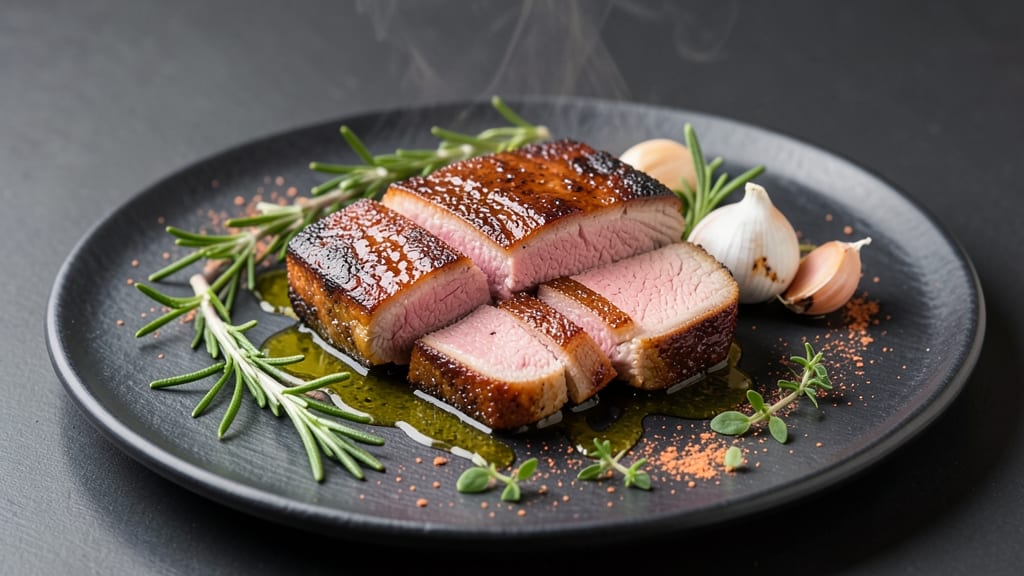
When you source Duroc pork, you're working with a breed that delivers fall-apart tenderness and rich, beefy flavor—perfect for a showstopping main course. 🌟 Growing up in small-town Georgia, I learned that the secret to showcasing this heritage pork lies in the crust: a smoky garlic-herb blend that caramelizes beautifully while keeping the interior juicy.
This recipe transforms tough cuts into melt-in-your-mouth perfection that rivals any restaurant dish.
The process starts with a dry rub that's simple but powerful—just five key spices and fresh herbs that develop deep flavor during cooking.
I've tested this method countless times, and the result is always the same: crispy, aromatic crust that gives way to tender meat that practically dissolves on your tongue.
The beauty of Duroc pork is its versatility—whether you're roasting a whole loin or grilling chops, this technique ensures restaurant-quality results every time.
What makes this recipe stand out is how it balances bold flavors with foolproof execution. The smoky garlic-herb crust adds complexity without overpowering the natural richness of the pork, while the slow cooking method guarantees tender meat that's juicy from edge to edge.
By the time you serve it, your table will be greeted with aromas that announce dinner is ready—and every bite will confirm this is pork cooked with professional precision.
Serve with classic sides like creamy mashed potatoes or a fresh herb salad to let the pork take center stage. This recipe works equally well for family dinners or special occasions, proving that heritage pork deserves the spotlight.
Let's get cooking with Duroc pork that delivers on both flavor and texture.
Ingredients for duroc pork
Five spices, two herbs, and one heritage cut. That's all you need for pork this tender it practically melts.
| Ingredient | Amount | Notes |
|---|---|---|
| Duroc Pork Loin 🥩 | 2 lb | Center-cut for even cooking |
| Extra-Virgin Olive Oil 🫒 | ¼ cup | For crust and basting |
| Garlic Cloves 🧄 | 8 cloves | Freshly minced for rub |
| Fresh Rosemary 🌿 | ¼ cup | Chopped, stems removed |
| Fresh Thyme 🌿 | ¼ cup | Leaves only, stems discarded |
| Smoked Paprika 🌶️ | 2 tbsp | For deep smoky flavor |
| Ground Black Pepper 🌶️ | 1 ½ tsp | Freshly cracked preferred |
| Kosher Salt 🧂 | 1 ½ tsp | Diamond Crystal preferred |
| Brown Sugar 🍯 | 1 tbsp | Lightly packed |
| Apple Cider Vinegar 🍏 | 2 tbsp | For basting liquid |
| Honey 🍯 | 1 tbsp | Wildflower preferred |
| Fresh Parsley 🌿 | ⅛ cup | Chopped for garnish |
The Duroc pork matters most here. Look for center-cut loin at specialty butchers or Whole Foods—it's leaner and more flavorful than regular pork loin. If your grocery store doesn't carry Duroc, heritage pork from a local farm works just as well. The rub needs to stick, so pat the pork dry with paper towels before applying. I always buy fresh herbs from Trader Joe's—their rosemary and thyme stay vibrant longer than the supermarket stuff. For smoked paprika, Penzeys has the best quality, but any good brand will work.
No fresh rosemary? Dried works at one-third the amount, but trust me—fresh is worth it. Ran out of apple cider vinegar? Balsamic or red wine vinegar keeps the same tang. The brown sugar helps caramelize the crust, but white sugar works too if that's what you have. For a deeper smoky flavor, add a pinch of liquid smoke to the basting liquid. The honey adds just the right touch of sweetness to balance the savory crust—don't skip it, even if you're not a fan of sweet pork.
This pork reheats beautifully—just warm in the oven at 300°F for 15 minutes with a splash of water. The leftovers keep for 4 days in the fridge, but honestly, it's even better the next day. For a crowd, double the recipe—just increase oven time by 20-25 minutes. I always make extra and freeze portions for quick weeknight dinners. The crust stays crispy even after reheating if you broil it for 2-3 minutes at the end.
Why You'll Love This Recipe
- One-Pan Magic: I toss everything on a sheet pan—pork, olive oil, garlic, herbs—and call it done. No fussing with pots or pans, just golden, caramelized edges with zero cleanup stress.
- Herb-Kissed Perfection: That Duroc pork? Rich and tender with a rosemary-thyme hug. The garlic melts into the meat like butter, turning simple into satisfying—no fancy techniques needed.
- Leftover Powerhouse: Cook once, eat twice. Slice it up for tacos tomorrow or toss it into a grain bowl. My kids even beg for "pork night" leftovers—proof it’s that good.
- Budget-Friendly Luxe: Duroc pork isn’t cheap, but a single loin feeds four with leftovers. Pair it with cheap veggies or store-bought potatoes, and suddenly you’re eating like royalty on a weeknight.
Step-by-step instructions for smoky garlic-herb roasted pork loin
Here's how to transform your pork into melt-in-your-mouth perfection with that irresistible smoky crust.
👨🍳 Step 1: Prepare the Herb Rub and Marinate the Pork
In a medium bowl, combine the 0.25 cup fresh rosemary, 0.25 cup fresh thyme, 8 cloves garlic (minced), 2 tbsp smoked paprika, 1.5 tsp ground black pepper, 1.5 tsp kosher salt, and 1 tbsp brown sugar. Mix until the herbs are evenly coated and the garlic is fully incorporated.
Pat the 2 lb duroc pork loin dry with paper towels—this is crucial for that crispy crust. Spread the herb mixture all over the pork, pressing it into the meat so it sticks. Place the pork in a shallow dish and drizzle with the 0.25 cup extra-virgin olive oil, coating it evenly. In a small bowl, whisk together the 2 tbsp apple cider vinegar and 1 tbsp honey, then pour this mixture over the pork. Let it marinate uncovered in the refrigerator for at least 4 hours (overnight is even better).
🔥 Step 2: Sear the Pork for Maximum Flavor
Remove the pork from the refrigerator and let it sit at room temperature for 30 minutes before cooking. Preheat your oven to 375°F. Heat an oven-safe skillet (or a cast-iron pan) over medium-high heat until it's very hot. Add the pork and sear it for 3-4 minutes per side until it develops a deep golden-brown crust. Here's the thing—don't move the pork around too much. Let it develop that crust undisturbed.
Once seared, transfer the skillet to the preheated oven. Roast the pork for 25-30 minutes for medium-rare (or until the internal temperature reaches 145°F for medium). The pork will continue cooking slightly as it rests, so pull it out when it's just shy of your desired doneness. If you don't have a meat thermometer, check for doneness by inserting a knife into the thickest part—it should feel slightly springy but not firm.
⏰ Step 3: Rest and Slice for Perfect Tenderness
Remove the pork from the oven and transfer it to a cutting board. Tent it loosely with aluminum foil and let it rest for 15 minutes. This resting period is where the magic happens—the juices redistribute, ensuring every slice is moist and tender. Real talk: Skipping this step means dry, tough pork. Don't skip it (I learned the hard way).
After resting, slice the pork into ½-inch thick medallions against the grain. The grain runs lengthwise, so you'll see the muscle fibers running parallel to the length of the pork. Cutting against these fibers shortens them, making each bite easier to chew and more tender. Arrange the slices on a serving platter and drizzle any accumulated pan juices over the top. Garnish with the 0.125 cup fresh parsley for a pop of color and freshness.
Pro Tips For Making Duroc Pork
- CRANK THE HEAT FIRST: Duroc pork loin needs that initial sear to lock in juices, so blast your pan on high for 3-4 minutes until you get deep golden-brown crust—no need to hover or adjust. I learned this the hard way after serving dry slices because I kept checking for doneness too soon.
- SLICE GARLIC THINLY: Thinly sliced garlic (almost translucent) cooks faster and blends better than chunks, but don’t skip crushing it first with the flat side of your knife. Thick slices burn before the pork finishes, and you’ll end up with bitter bits instead of aromatic flavor.
- DON’T SKIP THE REST: Let the pork rest 10 minutes under foil after roasting—yes, even if you’re starving. Cutting into it too soon turns tender meat into a sad, dry mess, and Duroc loin’s rich marbling needs time to redistribute.
- USE ROSEMARY SPRIGS: Tuck whole rosemary sprigs into the pork’s crevices before roasting—no chopping needed. They’ll infuse flavor directly into the meat while releasing aromatic oils, and you can pull them out cleanly when done. (Bonus: Garnish with a fresh sprig for presentation.)
Creative variations of this duroc pork
Southern Pitmaster Style
Take this recipe to the next level by finishing it on a smoker or grill. After searing, transfer the pork to your smoker at 225°F for 1.5-2 hours until it reaches 145°F internal temperature. I like using hickory or applewood chips for that classic BBQ flavor.
The slow smoke enhances the herb crust while keeping the meat tender. For extra tenderness, wrap the pork in butcher paper during the last 30 minutes of cooking.
This method is what I use at The Smoky Pig when we're serving heritage pork to a crowd—it's a crowd-pleaser every time. 🔥
Herb-Infused Butter Baste
For a restaurant-quality finish, make a basting butter by mixing ½ cup softened butter with 1 tbsp fresh rosemary, 1 tbsp fresh thyme, and 2 minced garlic cloves. After searing, brush this mixture over the pork every 10 minutes during roasting.
The butter adds richness while the herbs create a fragrant crust. I like to use European-style cultured butter from Plugrá for the best flavor—it melts beautifully and adds depth. This technique is especially good for larger cuts like pork shoulder or tenderloin.
Spicy Carolina-Style
Add a kick by mixing 1 tbsp cayenne pepper and 1 tbsp brown sugar into the dry rub. This gives you a Carolina-inspired heat that pairs perfectly with Duroc pork's rich flavor. For extra smokiness, add 1 tsp chipotle powder to the basting liquid.
Serve with a side of creamy coleslaw to balance the heat. This variation is inspired by my time working with pitmasters in the Southeast, where spicy pork is a staple. 🌶️
Apple-Cider Glazed
For a sweet and tangy twist, brush the pork with a glaze made from ½ cup apple cider reduction (simmer 1 cup apple cider until reduced by half), 2 tbsp honey, and 1 tbsp Dijon mustard. Apply the glaze during the last 15 minutes of cooking.
The caramelized glaze adds a beautiful sheen and complements the smoky herb crust. I like to use local Georgia apple cider when I can find it—it makes all the difference. This works especially well with pork chops or smaller cuts.
Whole-Hog Approach
If you're feeling ambitious, use this technique for a whole Duroc pork roast. Score the skin in a diamond pattern and apply the herb rub generously. Roast at 325°F for 3-4 hours until the internal temperature reaches 145°F in the thickest part.
The key is patience—this method ensures even cooking throughout the entire roast. I've done this with 20-pound heritage hogs from my farm, and the results are always impressive. Serve with all the fixings for a true Southern feast. 🐷
Nutrition facts
Frequently asked questions
What makes Duroc pork different from regular pork?
Duroc pork has a richer, beefier flavor and more marbling than commercial pork, resulting in extra tenderness. The breed's heritage lineage means it's leaner with better fat distribution, making it perfect for roasting. Plus, the meat stays juicy even when cooked to medium-rare temperatures.
Can I use this recipe for pork chops instead of a loin?
For 1-inch thick chops, reduce the marinating time to 2 hours and sear for 2-3 minutes per side before finishing in a 375°F oven for 10-12 minutes. The herb crust works beautifully on chops too—just slice thinner after resting.
How do I know when the pork is fully cooked?
Use a meat thermometer for precision: 145°F for medium-rare (recommended), or 160°F for well-done. Without one, check by inserting a knife—the juices should run clear, not pink. The crust should be golden-brown and crispy.
What if I don't have fresh herbs?
Use dried herbs at 1/3 the amount (e.g., 1 tsp dried rosemary instead of 1 tbsp fresh). For smoked paprika, any good quality will work—just avoid pre-mixed rubs that contain sugar. The flavor won't be identical, but it'll still taste delicious.
Can I make this ahead of time?
Yes! Cook the pork 1-2 days ahead and refrigerate. Reheat in a 300°F oven for 15 minutes with a splash of water to restore moisture. For leftovers, slice thinly and reheat quickly—this prevents drying out. The flavors actually improve overnight!