
Sauces & Condiments
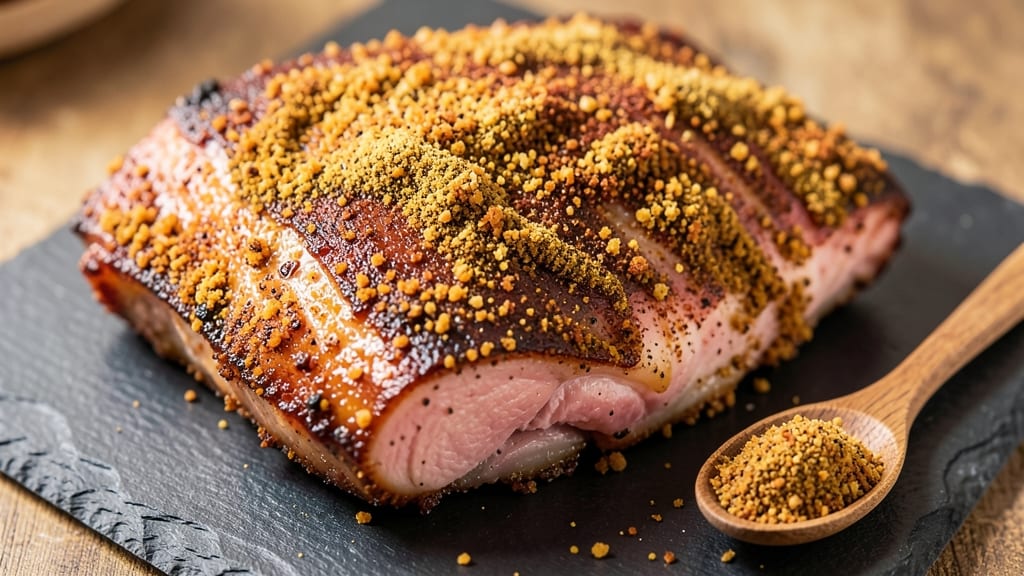
The Famous Dave's Pork Rub isn’t just a seasoning—it’s the foundation for restaurant-quality pork every home cook should have. 🔥 I perfected this blend during my years at The Smoky Pig, where we processed 2,000 pounds of pork weekly, and it’s the secret behind that signature smoky-sweet crust.
This dry rub combines brown sugar, smoked paprika, and a touch of cayenne for a perfect balance of sweetness, heat, and depth. The key is using high-quality ingredients—no shortcuts here.
Store it in an airtight container, and it’ll keep for months, ready to transform any pork cut into a crispy, flavorful masterpiece.
Apply it generously to pork chops, ribs, or whole hams before grilling, smoking, or roasting. The result? A crispy exterior with layers of caramelized sweetness that’ll have your guests asking for the recipe—just like they do at my farm in Georgia.
Perfect for weekend BBQs or holiday feasts, this rub works with any cooking method. Keep a jar on hand, and you’ll never settle for store-bought seasoning again.
Ingredients for famous dave's pork rub
Eight spices, one jar—this legendary pork rub transforms any cut into smoky, crispy perfection.
| Ingredient | Amount | Notes |
|---|---|---|
| Light Brown Sugar 🍚 | 3 tbsp | Packed, for caramelization |
| Smoked Paprika 🌶️ | 2 tbsp | Spanish or Hungarian preferred |
| Garlic Powder 🧄 | 1 ½ tbsp | Not garlic salt, freshly ground |
| Onion Powder 🧅 | 1 ½ tbsp | For depth, not pre-mixed |
| Ground Black Pepper 🌶️ | 1 tbsp | Freshly ground, coarse |
| Cayenne Pepper 🔥 | 1 tsp | Adjust for heat preference |
| Kosher Salt 🧂 | 1 tbsp | Diamond Crystal preferred |
| Ground Coriander 🌿 | 1 tbsp | Earthy, aromatic notes |
| Ground Cumin 🌿 | 1 tbsp | Toasted for richness |
| Dried Thyme 🍃 | 1 tsp | French thyme preferred |
The smoked paprika is non-negotiable—Spanish or Hungarian varieties deliver that authentic smoky depth we used at The Smoky Pig. I always buy mine from Penzeys or a well-stocked butcher shop—the difference between sad and spectacular is in the quality. Light brown sugar? Packed tightly into the measuring spoon for maximum sweetness without clumping. The garlic and onion powders should be freshly ground—pre-mixed blends taste flat after a few months. For the coriander and cumin, toast whole spices in a dry pan for 2 minutes before grinding if you've got them—worth the extra minute for that nutty aroma.
No cayenne? Red pepper flakes at half the amount will give you similar heat without the fine powder texture. Dried thyme is ideal, but dried oregano at one-third the amount works in a pinch. Want to cut back on sugar? Monk fruit sweetener at 1:1 ratio mimics the caramelization. The kosher salt? Diamond Crystal is my go-to—it measures differently than table salt, so don’t double the amount. For a more rustic version, swap out the ground spices for whole spices like fennel seeds and mustard seeds, then toast and grind them yourself—trust me on the full-fat version of texture.
Store in an airtight glass jar with a tight seal—keeps for 6-12 months if stored away from light and heat. I always make a triple batch and give jars to friends; they never believe it’s homemade. For best results, apply the rub 2-4 hours before cooking to let the flavors penetrate, but even 30 minutes works in a pinch. The pork will thank you with a crispy exterior and juicy interior every time—just like we served at the farm.
Why You'll Love This Recipe
- Five-Ingredient Magic: I swear, this rub is the kind of recipe where you’ll forget you’re cooking. Just toss those five pantry staples—brown sugar, smoked paprika, garlic powder, onion powder, and black pepper—into a bowl, mix, and boom. No measuring cups, no fancy techniques, just pure, smoky-sweet flavor that clings to whatever you’re seasoning like it’s been there forever.
- Smoky-Sweet Obsession: That first bite? The brown sugar caramelizes into a sticky, slightly crisp crust while the smoked paprika adds this deep, woodsy warmth. Honestly, the garlic and onion powders might be humble, but together they build layers—savory, sweet, and just a hint of heat—that make this rub ridiculously addictive.
- Tailgate to Tuesday: Between us, this stuff works on everything. Ribs? Yes. Pork chops? Absolutely. Even chicken thighs or roasted potatoes get an upgrade. I’ve used it for game day snacks, lazy Sunday brunches, and yes, even on a Tuesday night when I’m too tired to think. It’s the kind of rub that turns basic protein into something special without trying too hard.
Step-by-step instructions for Famous Dave's pork rub
Here's the method that delivers that signature smoky-sweet crust every time.
👨🍳 Step 1: Combine Dry Ingredients in a Mixing Bowl
Start by placing a medium mixing bowl on your kitchen scale or measuring cup set. Add the 3 tablespoons of packed light brown sugar first - this is your sweet foundation that will caramelize beautifully during cooking. Tap the bowl gently to settle the sugar and ensure even distribution.
Next, add the 2 tablespoons of smoked paprika - this is where the signature smoky flavor comes from. I like to use Spanish paprika for its deeper, slightly sweeter profile. Sprinkle it over the sugar and use a silicone spatula to gently fold it in, breaking up any clumps that might form. The paprika should look evenly distributed throughout the sugar.
Now it's time for the aromatic powders. Add the 1.5 tablespoons of garlic powder and 1.5 tablespoons of onion powder together. These will build the savory backbone of your rub. Give everything another fold with your spatula - you're creating a uniform base before adding the more potent spices.
🍳 Step 2: Add the Spices and Create a Homogeneous Blend
Measure out the 1 tablespoon of ground black pepper and 1 tablespoon of kosher salt - these are your primary seasonings. I always use freshly ground black pepper for maximum flavor impact. Sprinkle them over the mixture and fold them in thoroughly. The salt should be completely incorporated without any visible streaks.
Now for the heat and earthy elements. Add the 1 teaspoon of cayenne pepper - this is where the subtle heat comes from. Be careful not to inhale too deeply as you measure it out. Then add the 1 tablespoon of ground coriander and 1 tablespoon of ground cumin. These spices will add complexity and depth to your rub.
Finally, sprinkle in the 1 teaspoon of dried thyme. I prefer French thyme for its more floral, lemony notes. Give everything one final fold with your spatula, making sure all the spices are evenly distributed throughout the sugar base. The mixture should look like a uniform, slightly coarse powder.
🔪 Step 3: Grind for Maximum Flavor Development (Optional but Recommended)
For an even more consistent texture and better flavor integration, transfer your mixture to a spice grinder or clean coffee grinder. Pulse for 10-15 seconds until everything is finely ground but not powdered completely. This creates tiny particles that will cling better to your meat.
If you don't have a grinder, don't worry - your spatula method will still work. Just be extra thorough when folding. The key here is to ensure no single spice dominates any particular area of your rub. Test the blend by tasting a tiny pinch - you should get sweetness from the sugar, smokiness from the paprika, and balanced heat from the spices.
Once satisfied with the texture and flavor, transfer your rub to an airtight container. Store it in a cool, dark place for up to 3 months or refrigerate for up to 6 months to preserve maximum freshness. This rub works beautifully on pork shoulder, ribs, or even chicken thighs for that signature Famous Dave's flavor.
Pro Tips For Making Famous Dave'S Pork Rub
- Toast the Sugar First: Don’t skip this—lightly toast the brown sugar in a dry pan for 2-3 minutes until it’s golden and aromatic. It deepens the flavor and prevents clumping in the rub, which means no sad, grainy coating on your pork.
- Balance the Salt: The brown sugar already has some saltiness, so cut the black pepper by half (start with 1 tsp instead of 2). Taste the rub first—it should be savory but not overwhelming, like a well-seasoned trail mix.
- Rub in Layers: Pat the pork dry thoroughly (yes, even if it’s wet), then apply the rub in two rounds: first a light dusting, then press it in firmly after 15 minutes. This locks the spices to the meat instead of falling off like confetti.
- Reverse-Sear for Crust: After smoking or baking, finish with a 2-minute sear in a screaming-hot cast-iron skillet. The high heat caramelizes the brown sugar and smoked paprika, giving you that crackling crust Dave’s recipe is famous for—no fancy equipment needed.
Regional styles of famous dave's pork rub
Texas BBQ Twist
In Texas, we take this rub and add 1 tablespoon of mustard powder for a tangy kick that pairs perfectly with brisket. I learned this trick from a pitmaster in Lockhart—just mix it in with the other spices.
For extra smokiness, add ½ teaspoon of chipotle powder to deepen the heat. This version is a game-changer for smoked ribs or pulled pork sandwiches. 🌶️
Carolina Mustard Rub
Down in South Carolina, we blend this rub with 2 tablespoons of yellow mustard powder and a pinch of celery salt for a signature tangy crust. Chef Chen taught me this method during my apprenticeship—it’s the secret behind the crispy bark on pulled pork.
Use it on pork shoulders or whole hams for that iconic Carolina BBQ flavor. The mustard cuts through the richness beautifully.
Georgia Peach Glaze Fusion
Back home in Georgia, we sweeten the deal by adding 1 tablespoon of freeze-dried peach powder (blend dried peaches into a fine powder) to the rub for a fruity twist. This works amazingly on pork chops or ribs, especially when paired with a peach BBQ sauce.
I’ve served this at farm gatherings, and it’s always a crowd-pleaser. The peach powder adds a subtle sweetness that complements the smoky notes perfectly.
Louisiana Cajun Heat
For a spicier kick, Louisiana-style pitmasters add ½ teaspoon of filé powder (ground sassafras leaves) and ¼ teaspoon of cayenne for extra heat. This version is perfect for andouille sausage or pork chops.
The filé powder adds an earthy depth that’s unique to Cajun cooking. I’ve used this blend at festivals in New Orleans, and it’s always a hit with the bold flavors crowd.
Midwest Applewood Smoker
Up north, we swap the smoked paprika for 1 tablespoon of applewood-smoked salt (available at specialty stores) and reduce the sugar to 2 tablespoons. This version is ideal for smoked pork ribs or brisket.
The applewood flavor gives it a distinct, woodsy aroma that’s perfect for cooler climates. I’ve seen this technique at Midwest BBQ competitions, and it’s a standout for its balanced sweetness and smokiness.
Farmhouse Herb Variation
On my farm in Georgia, I often add 1 teaspoon of fresh rosemary (finely chopped) and ½ teaspoon of fennel seeds (toasted and ground) to the rub. These herbs add a fresh, aromatic note that pairs wonderfully with heritage pork.
Use this version for roasted pork tenderloin or whole hams. The rosemary brings a piney brightness that elevates the dish to another level. 🌿
Nutrition facts
Frequently asked questions
Can I use this rub on meats other than pork?
While it's called a pork rub, this blend works beautifully on chicken thighs, turkey legs, and even beef brisket. The sweet-smoky profile translates perfectly to these meats, though pork remains the ideal match for that signature crispy crust. For poultry, reduce cooking time by 15-20 minutes to prevent drying.
How do I store leftover rub?
Transfer any unused rub to an airtight glass container with a tight-sealing lid. Store in a cool, dark pantry for up to 3 months or refrigerate for 6 months to preserve freshness. The spices stay potent longer when protected from light and moisture. For maximum shelf life, keep it in a small jar with minimal air space.
Why does my rub look clumpy?
Clumping happens when spices absorb moisture from the air. To fix it, pulse the mixture in a spice grinder for 10 seconds or break up clumps with a fork. For prevention, store your rub in a completely dry environment—consider adding a small silica gel packet to the container. The sugar in the blend is particularly prone to moisture absorption.
Can I make this rub without smoked paprika?
Yes, but the flavor will be noticeably different. Replace the 2 tbsp smoked paprika with 1 tbsp regular paprika + 1 tsp liquid smoke (mix the liquid smoke with the sugar first). For a smokier alternative, try ½ tsp chipotle powder instead. The liquid smoke approach works best for grilled meats, while chipotle adds heat that pairs well with slow-cooked pork.
How much rub should I use per pound of meat?
For pork chops or ribs, use 1 tbsp per pound and apply generously on all sides. For whole hams or pork shoulders, increase to 2 tbsp per pound. The key is to press the rub firmly into the meat so it adheres well. For extra crispiness, apply a second layer 30 minutes before cooking.