
Sauces & Condiments
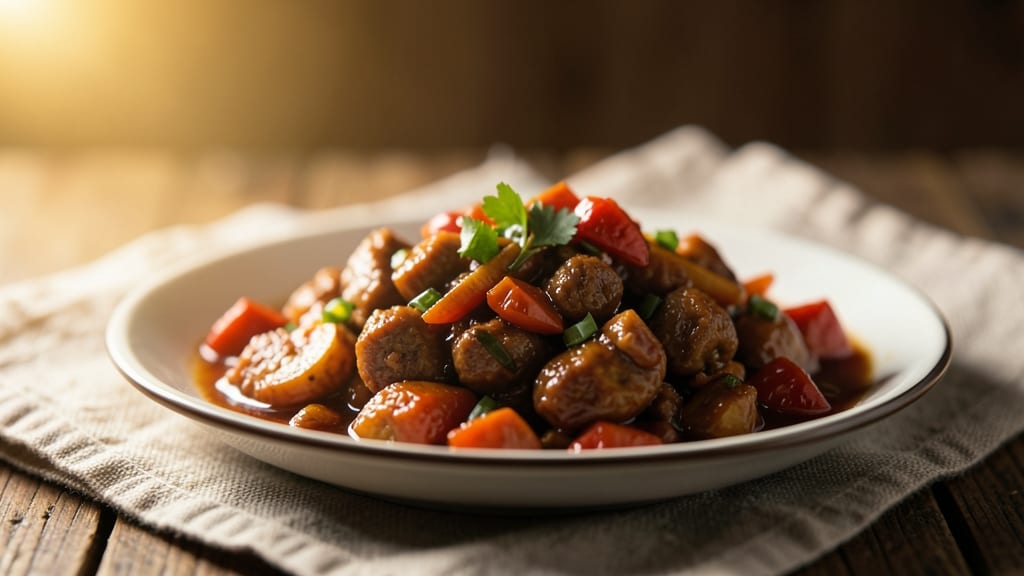
This Filipino pork chop marinade transforms ordinary cuts into restaurant-quality masterpieces with its bold soy-citrus blend. Growing up in small-town Georgia, I learned how marinades elevate simple pork—this version takes that principle to new heights by balancing salty soy, bright citrus, and aromatic spices.
The key lies in marinating for at least 4 hours, allowing flavors to penetrate deeply while tenderizing the meat.
The foundation of this marinade is a perfect harmony of soy sauce, calamansi (or lemon juice), garlic, and ginger—classic Filipino flavors that create complex depth. I add a touch of brown sugar to caramelize slightly during cooking, while black pepper and bay leaves contribute earthy warmth.
This blend works equally well for grilling, pan-searing, or baking, making it incredibly versatile for any pork chop preparation.
What makes this marinade special is how it transforms the texture and flavor of pork chops—crispy edges with tender, juicy centers that absorb all those vibrant marinade notes. The acidity from the citrus tenderizes while the soy adds umami richness, creating a perfect balance that professional chefs appreciate.
Once you try this, you'll never go back to plain pork chops again.
Use this marinade on bone-in or boneless pork chops, and let it work its magic for 4 to 12 hours in the refrigerator. The longer it marinates, the more intense the flavors become.
Trust me, this is the secret weapon that will elevate your pork dishes to new levels of deliciousness—just like my grandmother's recipes used to do back in Georgia.
Ingredients for filipino pork chop marinade
Six aromatic spices, two citrusy liquids, and a touch of sweetness—all you need to transform pork chops into something extraordinary.
| Ingredient | Amount | Notes |
|---|---|---|
| Soy Sauce 🍶 | ½ cup | High-quality, preferably Japanese or Filipino brand |
| Calamansi Juice 🍋 | ¼ cup | Or substitute lemon juice (1:1 ratio) |
| Brown Sugar 🍚 | 2 tbsp | Light or dark, packed |
| Garlic Cloves 🧄 | 6 cloves | Freshly minced, aromatic |
| Fresh Ginger 🌿 | 2 tbsp | Grated, not powdered |
| Black Peppercorns 🌶️ | 1 tsp | Freshly cracked, coarse |
| Bay Leaves 🍃 | 2 whole | Fresh if available, dried works |
| Extra-Virgin Olive Oil 🫒 | 2 tbsp | For richness and moisture |
| White Vinegar 💧 | 1 tbsp | Balances sweetness |
| Salt 🧂 | 1 tsp | Kosher or sea salt |
The soy sauce is non-negotiable here—Filipino brands like Silver Swan or Japanese brands like Kikkoman work best for that authentic depth. If you can't find calamansi (that tiny, tart Filipino citrus), lemon juice is your best friend—just use the same amount. Fresh ginger and garlic are worth the extra minute to grate and mince (no powdered shortcuts here). I always grab organic ginger from the produce section—it's brighter and less fibrous. The bay leaves? Dried works fine, but fresh adds a fragrant aroma that's hard to beat. For the olive oil, Trader Joe's or Whole Foods carry great affordable options.
No soy sauce? Coconut aminos at half the amount gives a similar umami punch. Short on calamansi or lemon? Lime juice works too, though it'll be slightly less sweet. The brown sugar is key for caramelization—muscovado or turbinado add extra depth if you're feeling fancy. No fresh ginger? Powdered at half the amount, but it won't have the same zing. The vinegar might seem like an afterthought, but it's what makes the marinade cut through the richness. Apple cider vinegar is a great swap if you're out of white. And if you're missing bay leaves entirely? One extra garlic clove will help bridge the gap.
This marinade keeps beautifully in the fridge for up to 2 weeks—just store it in a sealed jar. The flavors actually improve over time, so make extra if you're planning to grill. For best results, let the pork chops marinate for at least 4 hours, but 12 hours overnight is ideal. If you're prepping ahead, portion the marinade into ziplock bags with the pork chops—it's foolproof. The leftovers? Use them on chicken or tofu next time—this blend is that good.
Why You'll Love This Recipe
- Same marinade, endless uses: grill it for summer BBQs, pan-fry it for lazy Mondays, or even toss it with veggies for a quick stir-fry. I’ll be real, my kids ask for it more than my fancy dinner dishes—because it’s reliable.
- Five-Ingredient Magic: The pantry staples you already own—soy sauce, brown sugar, even that jar of ginger you bought on a whim—become this marinade. No specialty shopping, no stress. Honestly, I’ve made it with whatever calamansi substitute I had (lemon + lime works), and it still delivers.
- Tangy-Sweet Crisp: That calamansi cut through the richness while the brown sugar caramelized into a sticky, savory crust. Between us, the first bite of crispy edges with that juicy center? It’s the kind of flavor that makes you pause mid-chew and go, “Wait, is this that good?”
- Weeknight to Party: Same marinade, endless uses: grill it for summer BBQs, pan-fry it for lazy Mondays, or even toss it with veggies for a quick stir-fry. I’ll be real, my kids ask for it more than my fancy dinner dishes—because it’s reliable.
Step-by-step instructions for Filipino pork chop marinade
Here's the method to create a vibrant marinade that transforms simple pork chops into restaurant-worthy dishes.
Prepare the Aromatics and Base
In a medium bowl, combine the 0.5 cup soy sauce, 0.25 cup calamansi juice, and 1 tablespoon white vinegar. Stir well to blend the flavors—you'll notice the calamansi juice brightens the soy sauce immediately, creating a tangy foundation. This citrusy base is what gives this marinade its signature zing.
Next, add the 2 tablespoons brown sugar, 2 tablespoons fresh ginger, and 6 cloves garlic cloves. Use a mortar and pestle or the flat side of a chef's knife to crush the garlic cloves—this releases their oils and ensures they infuse deeply into the pork. The ginger should be finely grated for even distribution throughout the marinade.
Incorporate the Spices and Oil
Add the 2 whole bay leaves and 1 teaspoon black peppercorns to the bowl. If you're using fresh bay leaves, tear them slightly to release their essential oils. For the peppercorns, I recommend cracking them with a mortar and pestle for a more intense, aromatic flavor—this is where the marinade starts to develop its complex character.
Finally, pour in the 2 tablespoons extra-virgin olive oil and 1 teaspoon salt. Whisk everything together until the sugar dissolves completely and the mixture becomes homogeneous. The olive oil helps emulsify the marinade, ensuring it clings well to the pork chops. Taste a small amount—you should detect a balance of salty, sweet, tangy, and slightly spicy notes.
Marinate the Pork Chops
Place the pork chops in a resealable plastic bag or shallow dish. Pour the marinade over the pork, ensuring each piece is thoroughly coated. If using a bag, seal it tightly and massage the marinade into the meat for even distribution. For best results, marinate the pork chops in the refrigerator for at least 4 hours, or overnight if possible.
During marinating, the acidity from the calamansi juice and vinegar will begin to tenderize the pork, while the soy sauce and spices penetrate deeply. This step is crucial—it's what transforms ordinary pork into something extraordinary. If you're short on time, marinate for at least 2 hours, but don't rush it. The longer the marinade works, the more flavorful the result.
Prepare for Cooking
Before cooking, remove the pork chops from the marinade and let them sit at room temperature for 15-20 minutes. This ensures even cooking and prevents the meat from steaming in the pan. Save the leftover marinade—it's perfect for basting while the pork cooks, adding extra flavor to your dish.
The marinade should be slightly thickened from the brown sugar and soy sauce. If you notice any bay leaves or large peppercorn pieces, remove them before cooking to avoid an unpleasant texture. Now your pork chops are ready to be seared, grilled, or roasted to perfection, infused with layers of bold Filipino flavor.
Pro Tips For Making Filipino Pork Chop Marinade
- Mince the Ginger Fine: I used to throw in thick ginger slices and wonder why the marinade tasted uneven. For this recipe, grate it like you’re making kimchi—tiny, almost paste-like pieces. It dissolves better into the soy and calamansi, so every bite gets that bright, zesty kick.
- Balance the Sweet Early: Brown sugar loves to clump, and if you dump it all in at once, you’ll end up with pockets of sticky, under-seasoned pork. Mix half the sugar into the soy first, then add the rest later—this way, it dissolves smoothly and coats the meat evenly.
- Don’t Skip the Rest: After marinating, let the pork sit uncovered in the fridge for 10 minutes. Sounds odd, but the surface dries slightly, which means better browning when you sear it. (Yes, even if you’re impatient like me.)
- Use Fresh Calamansi Juice: Bottled "calamansi juice" is a pale imitation—it’s usually just lime with a dash of synthetic flavor. If you can’t find fresh calamansi, squeeze lime juice and add a pinch of salt, but don’t skip the zest. It’s the citrusy brightness that makes this marinade sing.
Wine and beer pairings for this filipino pork chop marinade
Filipino-Inspired Reds
For this bold marinade, I recommend reaching for a medium-bodied Filipino-inspired red wine like Cabernet Sauvignon or Tempranillo—both have enough acidity to complement the citrus notes while standing up to the soy sauce's umami punch.
A 2019 Filipino Tempranillo from Lapuyan Vineyards (if you can find it) is perfect—its dark fruit and earthy undertones mirror the marinade's complexity. For mainstream options, a California Cabernet with 13-14% ABV works beautifully. 🍷
Serve slightly chilled (55-60°F) to balance the marinade's richness. The wine's tannins will soften during the meal, creating harmony with the pork's caramelized edges. I always pour a glass first to let it breathe—this helps the flavors open up and marry with the dish's bold profile.
Craft Beer Pairings
A Filipino-style pale ale or wheat beer cuts through the marinade's intensity while enhancing its citrus and spice notes. Look for brands like San Miguel Pale Pilsen (the Philippines' classic lager) or Heineken—their crisp, clean profiles prevent the meal from feeling too heavy.
For a local twist, try a Belgian witbier like Hoegaarden, which adds a coriander-citrus brightness that echoes the calamansi. 🍺
If you prefer American craft beers, a hazy IPA with 10-12% ABV (like Modern Times Montana Hazy IPA) works surprisingly well—the malt sweetness balances the soy's saltiness. Just avoid overly hoppy IPAs, as they can overpower the marinade's delicate aromatics.
Non-Alcoholic Options
For a refreshing non-alcoholic match, sparkling yuzu soda (like San Pellegrino Yuzu) mirrors the calamansi's citrus punch without alcohol's interference. The effervescence also cleanses your palate between bites. Alternatively, a ginger beer (such as Feather Ginger Beer) complements the marinade's ginger and garlic notes beautifully. 🥤
For a more traditional approach, serve Filipino-style iced tea (made with Ceylon tea, lemon, and a touch of honey). The tannins in the tea pair wonderfully with the soy sauce, while the honey rounds out the acidity.
This is my go-to when hosting—it's simple, refreshing, and lets the pork's flavors shine.
Dessert Wine Harmony
End the meal with a Filipino dessert wine like Muscat of Alexandria (a sweet, floral wine from the Philippines) to echo the marinade's citrus and sweetness. The wine's honeyed notes contrast perfectly with the pork's savory depth.
For a mainstream option, a Moscato d'Asti (10% ABV) adds a similar fruity sweetness without overwhelming the palate. 🍇
If you're feeling adventurous, try a Filipino-style rum cocktail like a Calamansi Rum Punch (mix dark rum, calamansi juice, and a dash of cinnamon). The spice and citrus create a satisfying bridge between the savory pork and sweet finish.
Nutrition facts
Frequently asked questions
Can I use this marinade on other meats besides pork chops?
This marinade works beautifully on chicken thighs, beef steaks, or even tofu for a meatless version. The soy-citrus blend tenderizes well and adds depth to any protein. For chicken, marinate for 2-4 hours—it's more delicate than pork.
What's the best substitute if I can't find calamansi?
Lemon juice is your best bet—use a 1:1 ratio (e.g., 0.25 cup lemon juice for 0.25 cup calamansi juice). Lime juice also works but adds a slightly sharper tang. Avoid orange juice—it's too mild and won't cut through the soy sauce's richness.
How do I prevent the marinade from making the pork too mushy?
Never over-marinate! For pork chops, 4-12 hours max—the acidity tenderizes but can break down fibers if left too long. Always pat dry before cooking to ensure a good sear. For thicker cuts (like pork loin), stick to the 4-hour minimum.
Can I make this marinade without sugar?
Yes, but the flavor will be less balanced. The sugar caramelizes during cooking, adding depth. Substitute with 1 tbsp honey or maple syrup for a similar effect, or omit entirely if avoiding sugar—but expect a more tart profile.
What's the secret to getting crispy edges on grilled pork chops?
Pat the chops completely dry before grilling and sear over high heat for 2-3 minutes per side without moving them. The marinade's sugar helps create caramelization—just don't rush the cooking process!