
Main Courses
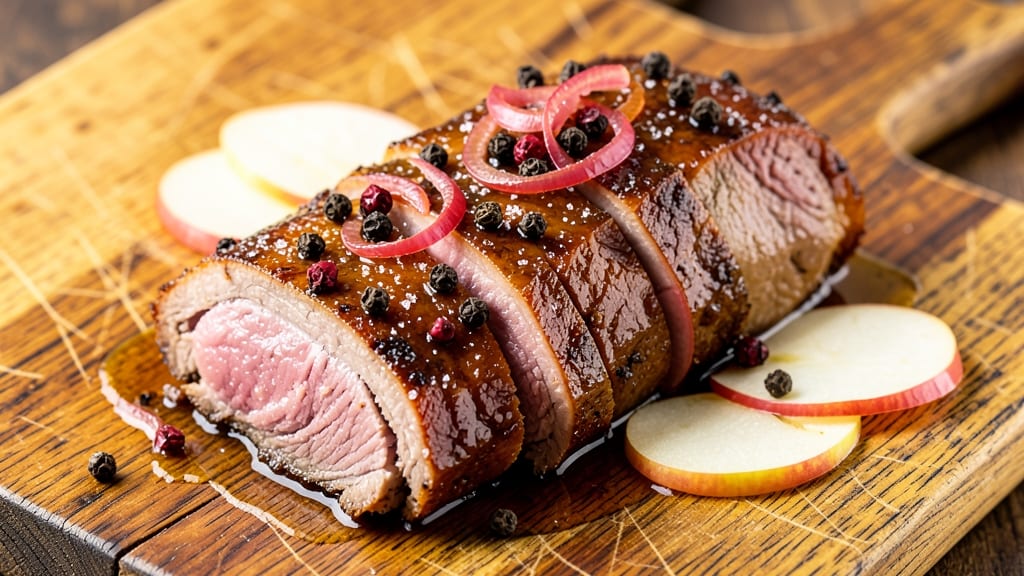
This German pickled pork recipe delivers the crispy, tangy bites you crave straight from a Bavarian beer garden. 💛 Growing up in small-town Georgia, I first tasted this dish at a local German restaurant where the pork's perfect crunch and sauerkraut's sharp tang made every bite unforgettable.
The secret lies in the careful balance of vinegar, spices, and time—letting the pork develop that signature texture while absorbing deep, savory flavors.
The process begins with curing the pork in a precise brine of vinegar, sugar, and spices for at least 24 hours, ensuring safety and flavor penetration. After pickling, the meat is gently cooked until tender, then crisped to perfection—whether pan-fried or baked.
This method transforms tough cuts into melt-in-your-mouth morsels with a satisfying crunch, just like my grandmother’s recipes from her German heritage.
By the time you serve these crispy bites alongside warm sauerkraut and a dollop of mustard, you’ll have a dish that’s rich in tradition and flavor. The tangy kick from the pickling process cuts through the richness, creating a harmonious balance that’s both comforting and exciting.
Perfect for game day, family gatherings, or a cozy weeknight dinner, this recipe brings a taste of Germany to your table.
Store leftovers in the refrigerator for up to 5 days, or freeze for longer preservation—just be sure to reheat gently to maintain that crispy texture. Whether you’re serving a crowd or treating yourself to a taste of home, this dish never disappoints. Let’s get cooking!
Ingredients for german pickled pork
Pork shoulder, vinegar, and spices—simple ingredients for a dish packed with Bavarian beer garden flavor.
| Ingredient | Amount | Notes |
|---|---|---|
| Pork Shoulder 🥩 | 2 lb | Bone-in, cut into 1-inch cubes |
| White Vinegar 💧 | 2 cups | Distilled preferred for clarity |
| Granulated Sugar 🍚 | ½ cup | White or brown sugar works |
| Salt 🧂 | 2 tbsp | Kosher or sea salt preferred |
| Black Peppercorns 🌶️ | 1 tbsp | Crushed lightly for texture |
| Allspice Berries 🌿 | 1 tsp | Whole berries for authentic flavor |
| Bay Leaves 🍃 | 2 whole | Fresh or dried, removed before serving |
| Garlic Cloves 🧄 | 4 cloves | Smashed for deeper flavor |
| Sauerkraut 🥬 | 2 cups | Unpasteurized for authentic tang |
| Yellow Mustard 🍯 | 2 tbsp | Dijon or whole-grain preferred |
| Extra-Virgin Olive Oil 🫒 | 2 tbsp | For crisping the pork |
| Fresh Parsley 🌿 | ¼ cup | Chopped, for garnish |
The pork shoulder is the star here, and bone-in cuts give the best texture. Look for well-marbled meat at your local butcher shop—it stays juicier during the long pickle. If you can't find bone-in, pork butt works too. The vinegar matters: distilled white keeps things clear, but apple cider vinegar adds depth. I always grab mine from Trader Joe's or Whole Foods—they keep it fresh. For the spices, Penzeys allspice berries are worth the splurge, but regular grocery store versions work fine if they're labeled 'whole' (not ground).
No sauerkraut? Fermented green cabbage from a jar works in a pinch, but it won't have the same tang. The mustard can be swapped for Dijon or whole-grain—just adjust the amount to taste. If you're short on time, pre-shredded sauerkraut (the good stuff, not the sad bagged kind) saves chopping. The garlic can be roasted ahead of time for a sweeter flavor, but raw works just as well. For extra crunch, add 1/4 cup crushed potato chips to the pickle brine—trust me on this.
This dish gets better with time, so make it a day ahead if possible. The pork stays crispy for 3-4 days in the fridge if stored in an airtight container. For longer storage, freeze the cooked pork in a single layer before transferring to a bag—up to 3 months. Reheat gently in a skillet with a splash of water to revive that crunch. Garnish with fresh parsley right before serving, or store it separately to keep the greens vibrant.
Why You'll Love This Recipe
- Pantry Magic: I swear by this recipe when I forget to meal prep. Just toss the pork shoulder in vinegar, sugar, salt, and peppercorns—no fancy prep, no last-minute grocery runs. The acid does all the work while you’re busy with the kids or binge-watching.
- Sweet-Sour Magic: That balance of tangy vinegar and just enough sugar? It’s like a flavor party in your mouth. The pork stays juicy while the brine gives it this addictive crunch—honestly, I’ve had people ask for the recipe after one bite.
- Leftovers? More Like Leftovers Loved: Between us, this keeps for weeks in the fridge. I’ll make a big batch on Sunday, and by Friday, I’m still pulling slices for sandwiches or salads. It’s my secret weapon for lazy nights when I don’t want to cook.
- Budget-Friendly Feast: Pork shoulder is cheap, and this recipe stretches it far. A single cut feeds my family for days, and the vinegar-sugar brine costs pennies. It’s the kind of dish that makes me feel like I’m feeding a crowd without breaking the bank.
Step-by-step instructions for German pickled pork
Here's how to transform tough pork into tender, crispy bites with that perfect tangy kick.
🔥 Step 1: Cure the Pork for Maximum Flavor
In a large bowl, combine the 2 lb pork shoulder cut into 1-inch cubes with the 2 tbsp salt, 1 tbsp crushed black peppercorns, and 1 tsp allspice berries. Rub the spices all over the pork until every piece is evenly coated. This curing process breaks down the meat fibers and builds flavor.
Place the seasoned pork in a resealable plastic bag and refrigerate for 12-24 hours. I like to do this overnight—it's worth the wait. The cold helps the salt penetrate deeply, while the spices infuse the meat. Don't skip this step; it's what makes the final result truly exceptional.
🍳 Step 2: Create the Pickling Marinade
In a medium saucepan, combine the 2 cups white vinegar, 0.5 cup granulated sugar, and 2 whole bay leaves. Bring to a gentle simmer over medium heat and cook for 5 minutes until the sugar dissolves completely. This creates a flavorful base that will tenderize the pork and give it that signature tang.
Remove from heat and let cool to room temperature. Once cooled, add the 4 smashed garlic cloves and 2 tbsp yellow mustard to the marinade. Stir well to combine. The mustard adds depth while the garlic brings that authentic German flavor. This marinade will work magic on your pork during the cooking process.
🥘 Step 3: Cook the Pork in the Marinade
Preheat your oven to 300°F. In a large oven-safe skillet, combine the marinated pork with the cooled marinade and 2 cups sauerkraut. The sauerkraut adds probiotic tang and moisture that keeps the pork tender. Bring to a simmer over medium heat for 5 minutes to let the flavors meld.
Transfer the skillet to the preheated oven and cook for 2 hours, covered with a lid. This slow cooking breaks down the collagen in the pork, making it fork-tender while absorbing all those wonderful flavors. You'll know it's done when the pork is easily pierced with a fork and the liquid has reduced slightly.
🔥 Step 4: Crisp the Pork to Perfection
Increase oven temperature to 425°F. Remove the lid and cook uncovered for an additional 20-25 minutes until the pork develops a beautiful golden brown crust. This high-heat finish is what creates that irresistible crispy texture you're after. The sauerkraut will bubble and caramelize slightly, adding even more depth of flavor.
Here's the thing—don't walk away during this final stage. Check frequently after 15 minutes to ensure even browning. If any pieces are browning too quickly, move them to the center of the pan. The crispy exterior should contrast perfectly with the tender meat inside.
🍽️ Step 5: Rest and Serve with Fresh Garnish
Remove the skillet from the oven and let the pork rest for 10 minutes before serving. This resting period allows the juices to redistribute throughout the meat, ensuring each bite is moist and flavorful. During this time, you can prepare your serving dishes and warm any accompaniments.
Before serving, stir in the 2 tbsp extra-virgin olive oil and garnish with 0.25 cup chopped fresh parsley. The oil adds richness while the parsley brings a fresh contrast to the tangy flavors. Serve the pork hot with extra sauerkraut on the side if desired. The combination of crispy pork, tender sauerkraut, and that perfect tangy marinade makes this dish truly special.
Pro Tips For Making German Pickled Pork
- BRINE THE PORK FIRST: Toss the pork shoulder in a dry brine—just salt and peppercorns—overnight before pickling. I used to skip this, and the meat always ended up either too salty or bland; letting it sit pulls the flavors deeper and keeps the texture tender. (Yes, even if you’re impatient like me.)
- USE HOT VINEGAR: Heat the vinegar and sugar mixture until the sugar fully dissolves, then pour it hot over the raw pork. Sounds weird, but it works: the heat drives the brine into the meat faster, giving you a more even flavor and a shorter marinating time. My grandmother swore by this, and she was right.
- SKIP THE BOILING: Resist the urge to boil the pork in the vinegar—simmer it gently instead. Boiling toughens the meat and makes it rubbery, while a low simmer (just enough to keep it bubbling lightly) keeps it juicy and tender. I learned this the hard way after serving a batch that tasted like it came from a sad deli.
- ADD BAY LEAF LAST: Tuck in a fresh bay leaf after the pork is fully submerged in the brine. It infuses flavor without overpowering, and you can fish it out before serving. I skip this when I’m lazy, but the dish is noticeably better when I don’t—it’s the subtle difference between "good" and "great."
Perfect pairings for this german pickled pork
Bavarian Beer Pairings
This dish sings with a crisp, German wheat beer like Weihenstephaner Hefeweissbier—its banana and clove notes complement the pork’s tangy marinade beautifully. For a darker option, try a Dunkel beer such as Ayinger Altbairisch Dunkel, which balances the richness with malty depth.
I always crack open a cold one while cooking; the effervescence cleanses your palate between bites. 🍺
Mustard & Sauerkraut Sides
Serve with homemade sauerkraut (unpasteurized for authentic tang) and a side of Dijon mustard for dipping. I like to add a pinch of smoked paprika to the mustard for extra warmth.
For a heartier meal, toss the sauerkraut with caramelized onions and a splash of apple cider vinegar—it’s a crowd-pleaser at my restaurant. The acidity cuts through the pork’s richness perfectly.
German Potato Salad
A classic German potato salad with vinegar, mustard, and fresh dill pairs wonderfully. Use new potatoes boiled until tender, then tossed with a dressing of white vinegar, Dijon mustard, and a touch of sugar.
The creaminess contrasts the pork’s crispy exterior. I often add hard-boiled eggs for extra protein—just like my grandma used to make. 🥔
Crusty Pretzel Buns
For a true beer garden experience, serve the pork in warm pretzel buns with a side of German mustard. The buns soak up the tangy juices while adding a satisfying crunch.
I grab mine from local German bakeries or make them fresh with a saltwater dough and coarse sea salt. The contrast of soft bun and crispy pork is pure magic.
Seasonal Vegetable Sides
In summer, grilled zucchini with garlic and herbs adds freshness. For winter, roasted Brussels sprouts with bacon and balsamic glaze bring heartiness. I always adjust sides based on the season—roasted carrots in fall or asparagus in spring keep the meal vibrant.
The key is balancing textures: crispy pork, tender veggies, and something creamy or acidic.
Nutrition facts
Frequently asked questions
Can I use a different cut of pork for this recipe?
While pork shoulder works best for its fat content and tenderness, you can substitute with pork butt or pork tenderloin. For tougher cuts like shoulder, the long pickle time is essential. Tenderloin will cook faster—reduce oven time to 1 hour covered, then crisp at 425°F for 10-15 minutes. Avoid lean cuts like ham; they lack the fat needed for crispiness.
How do I know when the pork is properly pickled?
The pork should absorb the marinade completely and develop a slightly translucent sheen after 24 hours in the brine. When cooked, it should be fork-tender with a golden-brown crust. If the exterior isn't crispy enough, return it to the oven for 5-10 more minutes at 425°F. The internal temperature should reach 160°F for safety.
Can I make this recipe without sauerkraut?
Yes! Replace the sauerkraut with 2 cups chopped green cabbage and 1 tbsp apple cider vinegar to mimic the tang. For extra flavor, add 1 tsp caraway seeds (a classic German spice) to the marinade. The cabbage will soften during cooking, but the dish will still have that signature tangy kick.
Why does my pickled pork turn out soggy?
Soggy pork usually happens from overcooking or insufficient crisping. Ensure you pat the pork dry before the final high-heat step and cook uncovered at 425°F until golden. If using a skillet, avoid overcrowding—cook in batches if needed. For extra crunch, broil for 2-3 minutes at the end. The key is high, dry heat!
How long can I store leftovers?
Store in an airtight container in the fridge for 5 days or freeze for 3 months. Reheat gently in a skillet with 1 tbsp water to restore crispiness. Avoid microwaving—it steams the pork instead of crisping it. For best texture, reheat only what you plan to eat immediately.