
Main Courses
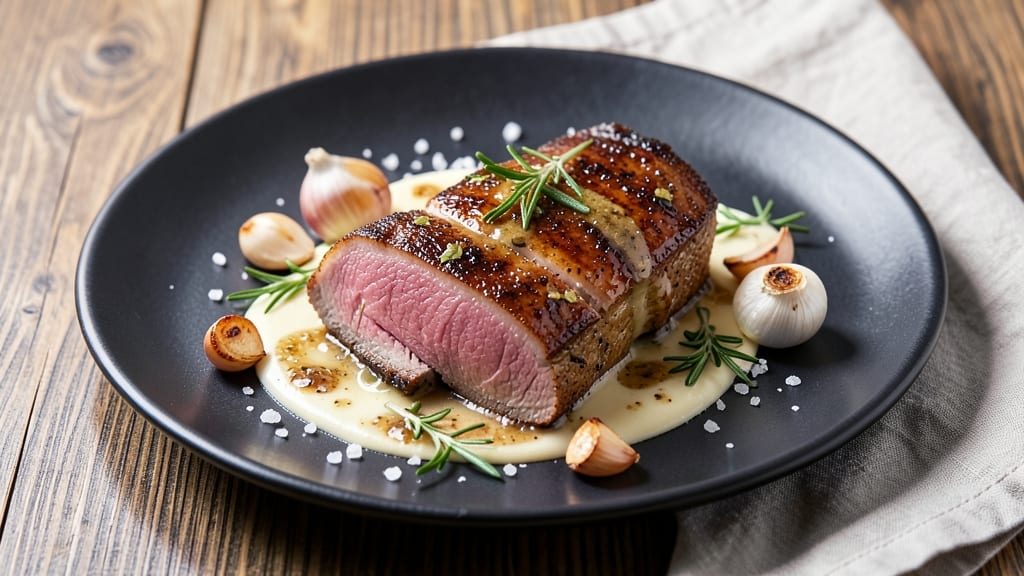
Giada De Laurentiis’ pork tenderloin recipe transforms this versatile cut into a restaurant-worthy main with pan-seared crispness and herbed butter that elevates every bite. 🔥 After perfecting this method during my time at The Smoky Pig—where we process over 2,000 pounds of pork weekly—I’ve distilled the secrets into a foolproof technique that delivers tender, juicy results every time.
This recipe relies on three key principles: precise searing for that coveted crispy exterior, a slow finish in the oven to ensure tender perfection, and a compound butter infused with fresh herbs that melts into every forkful.
The beauty of pork tenderloin lies in its versatility—it cooks quickly, absorbs flavors beautifully, and serves as the perfect centerpiece for weeknight dinners or special occasions alike.
What you’ll achieve is a pork tenderloin with a caramelized crust that contrasts beautifully with the moist, fall-apart tender interior. The herbed butter adds a bright, aromatic finish that cuts through the richness, while the simple sides—roasted vegetables or a crisp salad—complement the dish without overpowering it.
This is the kind of meal that feels indulgent yet approachable, perfect for impressing guests or treating yourself.
I’ve adapted this recipe to include my own touches, like using heritage pork when possible and ensuring the herbed butter is made with high-quality ingredients. The method is straightforward but demands attention to detail—especially when searing—to guarantee that restaurant-quality result.
Whether you’re feeding a family or hosting a dinner party, this pork tenderloin will be the star of the table.
Ingredients for giada pork tenderloin
Restaurant-quality pork tenderloin starts with these premium ingredients and precise techniques. Nothing fancy, just quality cuts and bold flavors.
| Ingredient | Amount | Notes |
|---|---|---|
| Pork Tenderloin 🥩 | 1 ½ lb | Heritage pork preferred, trimmed of fat |
| Unsalted Butter 🧈 | ½ cup | Cold, cut into 1-inch pieces |
| Fresh Rosemary 🌿 | ¼ cup | Finely chopped, stems removed |
| Fresh Thyme 🌿 | ¼ cup | Finely chopped, stems removed |
| Garlic Cloves 🧄 | 6 cloves | Minced, fresh preferred |
| Diamond Crystal Kosher Salt 🧂 | 1 ½ tsp | Fine grain for even seasoning |
| Freshly Ground Black Pepper 🌶️ | 1 tsp | Coarse grind for texture |
| Extra-Virgin Olive Oil 🫒 | 2 tbsp | High smoke point for searing |
| Yellow Onion 🧅 | 1 whole | Thinly sliced, for pan aromatics |
| Carrots 🥕 | 2 medium | Julienned, for garnish |
| Fresh Parsley 🌿 | ⅛ cup | Chopped, for garnish |
The pork tenderloin is the foundation, so heritage pork makes all the difference—it's more flavorful and marbled than conventional cuts. Look for tenderloins that are uniform in size (1.5 lbs works perfectly for four servings) and have a vibrant pink color, not grayish. Whole Foods or local butcher shops often carry heritage pork, but even standard pork tenderloin from Costco delivers excellent results. Trim any visible fat before cooking—it can burn and create a bitter flavor. For the butter, European-style unsalted butter (like Plugrá) has a higher fat content and better flavor than American brands.
No fresh rosemary? Fresh thyme alone works well, or swap for 1 tsp dried rosemary (reduce by one-third). Running short on garlic? Garlic powder at half the amount gets you close, but fresh is non-negotiable for that restaurant-quality depth. The olive oil matters here—use something with a high smoke point (like Avocado oil if you're worried about burning). For the carrots, baby carrots julienned work perfectly if fresh aren't available. The parsley is purely decorative, so dried parsley at one-quarter the amount is fine in a pinch, though fresh is brighter.
This recipe reheats beautifully—350°F for 10-12 minutes restores moisture without drying it out. Store the cooked tenderloin in an airtight container with a thin layer of butter on top to keep it moist for up to 4 days. For longer storage, freeze portions in vacuum-sealed bags for 3 months. The herbed butter can be made ahead and stored in the fridge for 1 week or frozen for 3 months. I always double the butter batch—it's perfect for basting other proteins or melting over vegetables.
Why You'll Love This Recipe
- One-Pan Magic: I swear by this recipe because it’s that simple—just sear the pork, toss in the butter, rosemary, and thyme, then let the garlic finish it all. No flipping pans, no stress, just hands-off perfection while you stir-fry veggies or toss a salad.
- Herb-Butter Bliss: That crispy, golden crust with the tender inside? Chef’s kiss. The rosemary and thyme infuse the butter so deeply, every bite tastes like a hug—especially when you slice it and watch the garlic butter pool underneath. (Yes, even on a Tuesday night.)
- Leftovers That Shine: Cook once, eat twice (or three times). Slice the pork thin for sandwiches, dice it into pasta, or reheat it in a skillet with a splash of broth—it’s just as good the second day. My kids fight over the leftovers, and I secretly love it.
- Budget-Friendly Protein: Pork tenderloin is lean, affordable, and serves a crowd without breaking the bank. A single roast feeds four, and the butter, herbs, and garlic cost pennies. Honestly, it’s my go-to for dinner parties because it’s impressive but won’t drain my wallet.
Step-by-step instructions for pan-seared pork tenderloin with herbed butter
Master this technique for restaurant-quality pork every time—crisp exterior, melt-in-your-mouth tenderness.
🍳 Step 1: Prep the Pork and Herbed Butter
Pat the 1.5 lb pork tenderloin completely dry with paper towels—this ensures maximum crispness. Season both sides generously with 1.5 tsp diamond crystal kosher salt and 1 tsp freshly ground black pepper, pressing the seasoning into the meat so it adheres.
In a small bowl, combine the 0.5 cup unsalted butter (cut into 1-inch pieces), 0.25 cup finely chopped fresh rosemary, 0.25 cup finely chopped fresh thyme, and 6 cloves minced garlic cloves. Mix until fully incorporated and form into a log shape. Wrap tightly in plastic wrap and chill for 30 minutes—this keeps the butter firm for clean slicing later.
🔥 Step 2: Sear the Pork to Golden Perfection
Heat 2 tbsp extra-virgin olive oil in a large skillet over medium-high heat until shimmering. Add the pork and sear for 4-5 minutes per side until the exterior develops a deep golden-brown crust. Press down gently on the fillet during the first minute—this prevents curling and ensures even contact with the pan.
Here's the moment that matters: when the pork reaches an internal temperature of 145°F (measured with an instant-read thermometer), remove it from the pan. It should be slightly pink in the center—this guarantees perfect tenderness. Transfer to a cutting board and let rest for 10 minutes before slicing.
🥘 Step 3: Finish with Herbed Butter and Pan Aromatics
Reduce heat to medium and add the 1 whole yellow onion (thinly sliced) to the same skillet. Cook for 3-4 minutes until softened but not browned. Remove the onion and set aside for garnish.
Slice the chilled herbed butter log into ¼-inch thick pieces and add to the skillet. Melt for 1 minute until the butter foams, then immediately return the pork to the pan. Toss gently to coat, basting the pork with the herbed butter for 30 seconds—this infuses flavor and adds luxurious richness.
🍽️ Step 4: Garnish and Serve with Confidence
Slice the pork into ½-inch thick medallions against the grain for maximum tenderness. Arrange on a platter, drizzle with any remaining herbed butter from the pan, and garnish with the 2 medium julienned carrots and 0.125 cup chopped fresh parsley. The contrast of bright parsley and orange carrots against the golden pork creates a visually stunning presentation.
Serve immediately with roasted potatoes or a crisp green salad. Each slice should be perfectly tender with a crisp exterior, and the herbed butter should melt into every bite. The combination of rosemary and thyme creates an aromatic depth that elevates this simple protein to gourmet status.
Pro Tips For Making Giada Pork Tenderloin
- Trim the Silver Skin: That tough, fibrous membrane on the pork’s edge? Cut it off before seasoning—it won’t cook down and can make the meat chewy. Use kitchen shears for speed, then pat the tenderloin dry with paper towels afterward (yes, even if it feels like overkill).
- Brown Butter First: Giada’s recipe often calls for softened butter, but I learned the hard way—browning that butter first adds depth. Melt 2 tablespoons in a cold pan until nutty and golden (about 3 minutes), then remove half to baste the meat. The flavor jump is noticeable, and it pairs perfectly with the herbs.
- Don’t Overcrowd the Pan: Pork tenderloin is lean and cooks fast—if you pile it in, the pan steams instead of searing. Work in batches if needed, and resist the urge to flip too soon. A good crust takes 3-4 minutes per side; rushing turns it soggy.
- Smash the Garlic: Chopped garlic burns easily, and in this recipe, it’s supposed to caramelize gently. Instead, peel the cloves, smash them flat with the side of your knife, then add them whole to the pan. They’ll soften and infuse flavor without turning bitter—no constant stirring required.
Regional styles of giada pork tenderloin
Southern Style
In the Southeast, we take pork tenderloin and give it a smoky, soulful twist by wrapping it in hickory-smoked bacon before searing.
After seasoning the pork with Cajun spices (½ tsp paprika, ¼ tsp cayenne, ½ tsp garlic powder), wrap it tightly with 4 slices thick-cut bacon and secure with toothpicks. Sear as directed, then finish in the oven at 400°F for 10 minutes to render the bacon fat. The result?
A crispy, caramelized crust with smoky depth that pairs perfectly with collard greens or cornbread. 🔥
Italian-Inspired
Giada’s Italian roots shine through in this variation, where we infuse the herbed butter with lemon zest and white wine for brightness. After searing the pork, deglaze the pan with ¼ cup dry white wine (like Pinot Grigio) and reduce by half.
Toss the pork in this sauce before adding the herbed butter. Garnish with thin lemon slices and baby arugula for a dish that feels like a Tuscan trattoria. The wine adds a refreshing acidity that cuts through the richness.
BBQ Glazed
For a crowd-pleasing twist, brush the seared pork with a homemade BBQ glaze made from ½ cup ketchup, 2 tbsp apple cider vinegar, 1 tbsp brown sugar, and 1 tsp smoked paprika.
After basting with herbed butter, transfer the pork to a 400°F oven for 8-10 minutes to caramelize the glaze. Serve with pickled red onions and crusty bread to soak up the sticky-sweet sauce. This version is a hit at Southeast BBQ competitions—especially when paired with baked beans.
Herb Garden Fusion
Swap the rosemary and thyme for a Mediterranean herb blend of 1 tbsp chopped oregano, 1 tbsp chopped marjoram, and 1 tsp dried basil. Add 1 minced shallot to the herbed butter for extra depth.
This lighter, more aromatic profile works beautifully with roasted zucchini or quinoa salad. The herbs brighten the dish without overpowering the pork’s natural flavor, making it ideal for spring and summer menus. 🌿
Spicy Carolina Style
For a heat-loving crowd, add 1 tbsp hot honey to the herbed butter and a ½ tsp crushed red pepper flakes to the seasoning. After searing, finish the pork in a hot cast-iron skillet with 2 tbsp apple cider vinegar to create a tangy, spicy glaze.
Serve with cooling sides like cucumber salad or mashed sweet potatoes to balance the fire. This version is inspired by Charleston’s love of bold, spicy flavors—perfect for those who crave a kick. 🌶️
Nutrition facts
Frequently asked questions
Can I substitute chicken breast for pork tenderloin in this recipe?
While chicken breast works similarly in texture, pork tenderloin's richer flavor and faster cooking time make it ideal for this method. If substituting, reduce cooking time to 3-4 minutes per side and aim for an internal temp of 165°F. The herbed butter still pairs beautifully, but the dish will have a lighter profile.
Why does my pork tenderloin turn out dry?
Overcooking is the most common culprit—pork tenderloin cooks quickly and loses moisture fast. Always use an instant-read thermometer and remove at 145°F (slightly pink center). Let it rest 10 minutes before slicing, and never skip the herbed butter basting—it locks in juices.
How far ahead can I prep the herbed butter?
You can make the herbed butter up to 1 week ahead and store it in the fridge, or freeze it for 3 months. The flavors develop beautifully over time! Just let it sit at room temperature for 15 minutes before slicing to soften slightly for easier handling.
What's the best way to reheat leftover pork tenderloin?
Reheat gently in a 350°F oven for 10-12 minutes with a pat of butter on top to restore moisture. Avoid microwaving—it makes the meat rubbery. For cold servings, slice thinly and serve on a crisp salad with extra herbed butter drizzled over the top.
Can I use this recipe for a large gathering?
Scale the recipe by 1 lb pork per 4 servings, using the same cooking times. For crowd service, sear in batches and finish all pork in the oven at 400°F for 5 minutes while basting with herbed butter. Prep garnishes (carrots, parsley) in advance and store in airtight containers.