
Main Courses
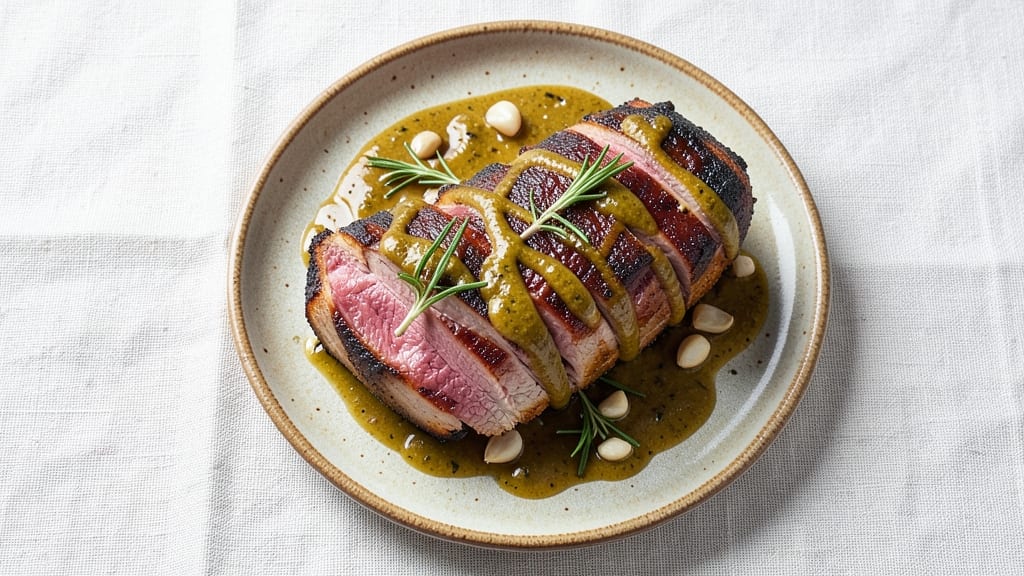
Gordon Ramsay's pork loin recipe delivers restaurant-quality results with a crispy herb crust and perfectly pink center—exactly what makes this cut of meat so impressive. The secret lies in precise temperature control and a flavorful crust that locks in juices while creating a caramelized exterior.
I’ve tested this method countless times to ensure it’s foolproof for home cooks who want professional outcomes without the guesswork.
What sets this recipe apart is the herb-crusted technique, where finely chopped rosemary, thyme, and garlic form a fragrant barrier that sears beautifully in the pan.
Ramsay’s method calls for a high-heat sear followed by a controlled finish in the oven, guaranteeing that the pork stays juicy while developing that coveted crust. This approach transforms a simple cut into a showstopper main course.
The result is a tender, golden-brown pork loin with a flavor profile that’s rich and aromatic, thanks to the herbs and a touch of Dijon mustard in the crust. Each slice reveals a perfect pink center, proving that precision in cooking truly pays off.
Whether you’re hosting dinner guests or treating yourself to a special meal, this recipe delivers perfection every time.
Pair it with roasted root vegetables or a crisp green salad for a complete, restaurant-worthy meal. The technique is straightforward, but the results speak for themselves—this is how you cook pork loin like a pro.
Ingredients for gordon ramsay pork loin
Precision-crafted ingredients for a restaurant-worthy pork loin with a crispy herb crust and juicy pink center.
| Ingredient | Amount | Notes |
|---|---|---|
| Bone-In Pork Loin 🍖 | 1 ½ lb | Center-cut, 1.5-inch thick |
| Fresh Rosemary 🌿 | ¼ cup | Finely chopped, organic preferred |
| Fresh Thyme 🌿 | 1 tbsp | Leaves only, finely chopped |
| Garlic Cloves 🧄 | 6 cloves | Minced, skin removed |
| Dijon Mustard 🍯 | 1 tbsp | High-quality, smooth variety |
| Extra-Virgin Olive Oil 🫒 | 2 tbsp | For crust and searing |
| Unsalted Butter 🧈 | 2 tbsp | Cold, for crust |
| Diamond Crystal Kosher Salt 🧂 | 1 ½ tsp | For seasoning |
| Freshly Ground Black Pepper 🌶️ | 1 tsp | Coarsely ground |
| All-Purpose Flour 🌾 | 1 tbsp | For dusting |
| Vegetable Oil 🫒 | ¼ cup | High smoke point |
The bone-in pork loin is non-negotiable here—it delivers superior flavor and moisture retention. Opt for a center-cut roast with a 1.5-inch thickness to ensure even cooking. High-quality butchers like D’Artagnan or your local gourmet market will carry the ideal cut, but most well-stocked grocery stores stock it too. Look for vibrant pink flesh with a thin fat cap—this indicates freshness. For herb quality, Whole Foods or Trader Joe’s bulk sections offer the freshest rosemary and thyme, but if you’re using dried, Penzeys or McCormick brands provide consistent flavor profiles. The garlic should be plump and firm, with no green shoots—Woodstock or Lyons are reliable brands for premium quality.
No Dijon mustard? High-quality whole-grain mustard works in a pinch, though the flavor will differ slightly. Substituting olive oil for butter in the crust requires 1:1 replacement, but the texture will be less rich. For the herbs, dried rosemary at half the amount can replace fresh, but the aroma won’t be as intense. If you’re short on time, pre-minced garlic from a jar is acceptable, though fresh is always superior. The Diamond Crystal kosher salt is critical—it dissolves easily and enhances flavor without overpowering. For the vegetable oil, Avocado Brand or Crispol are excellent high-smoke-point options that prevent burning during searing. If you’re using a nonstick skillet, reduce the oil slightly to avoid excess splatter.
Store the pork loin uncovered in the fridge for up to 24 hours to enhance crust formation. The herbs should be wrapped in damp paper towels and kept in a sealed container for 3-4 days to maintain freshness. Once cooked, leftovers reheat beautifully in a 350°F oven for 10-12 minutes, covered loosely with foil. For longer storage, portion the meat into airtight containers and freeze for up to 3 months. The crust mixture (herbs, garlic, mustard, butter) can be prepped ahead and stored in the fridge for 2 days, though fresh is always best for maximum flavor. This dish reheats exceptionally well, making it ideal for meal prep—just crisp the crust again in a hot pan for 1-2 minutes per side.
Why You'll Love This Recipe
- Two-Handed Cooking: I swear by this recipe when I’m juggling dinner and a million other things—just a bone-in pork loin, some chopped herbs, and garlic. No fancy prep, no stress, just a sheet pan and 20 minutes of hands-off roasting while I stir a pot of veggies.
- Herb-Crusted Magic: That rosemary and thyme? They don’t just flavor—they create this fragrant crust that smells like a holiday dinner. The Dijon mustard ties it all together with a tangy depth that makes every bite feel like a little celebration.
- Weeknight to Weekend: Same recipe, zero guilt. Throw it on a Monday for a no-fuss dinner, then double it for a dinner party. The bone-in cut stays juicy, the crust holds up, and guests will think you slaved over it for hours.
- Leftover Goldmine: Between us, this pork loin is better the next day. Slice it thin for sandwiches, dice it into salads, or toss it into pasta—it’s the kind of leftovers that actually make you happy, not dread the fridge.
Step-by-step instructions for herb-crusted pan-seared pork loin
This method delivers restaurant-quality results with a crispy golden crust and perfectly tender interior.
Prepare the Herb Crust Mixture
In a small bowl, combine the finely chopped fresh rosemary, fresh thyme leaves, minced garlic cloves, and Dijon mustard. Add the extra-virgin olive oil and mix until you achieve a thick, paste-like consistency. The mixture should be cohesive enough to cling to the pork loin without falling apart.
This herb blend forms the foundation of your crust, infusing the meat with aromatic flavors while creating that signature golden-brown exterior. I recommend using high-quality fresh herbs here—their vibrant flavors will make all the difference in the final dish.
Season and Coat the Pork Loin
Pat the bone-in pork loin completely dry with paper towels, removing any excess moisture from the surface. This step is crucial for achieving that perfect crust. Season both sides generously with the diamond crystal kosher salt and freshly ground black pepper, pressing the seasoning into the meat to ensure even distribution.
Next, spread the herb mixture evenly over the entire surface of the pork loin, including the bone side. Use your fingers to press the mixture firmly into the meat, creating a thick, even layer. This ensures maximum flavor penetration and that signature crust when seared.
Create the Crust and Sear the Pork Loin
Heat the vegetable oil in a large oven-safe skillet over medium-high heat until it reaches 350°F on an instant-read thermometer. While the oil heats, dust the pork loin lightly with the all-purpose flour on both sides, shaking off any excess. This creates a light barrier that helps the crust form more effectively.
Carefully place the pork loin in the hot oil and cook for 4-5 minutes per side, until the crust is deep golden brown and the internal temperature reaches 145°F when measured with a meat thermometer. The crust should be crispy and well-adhered to the meat. If you notice the crust browning too quickly, reduce the heat slightly to prevent burning.
Finish with Butter and Rest
Remove the pork loin from the skillet and transfer it to a cutting board. Add the cold unsalted butter to the skillet and let it melt completely, about 1 minute. Pour the melted butter evenly over the top of the pork loin, allowing it to baste and add an extra layer of richness.
Tent the pork loin loosely with aluminum foil and let it rest for 10-15 minutes. This resting period is essential for redistributing the juices throughout the meat, ensuring each slice remains moist and flavorful. The internal temperature will rise to 150°F during this time, reaching the ideal serving temperature.
Slice and Serve
After resting, slice the pork loin into ½-inch thick medallions against the grain for maximum tenderness. Arrange the slices on a warm platter and serve immediately with any accumulated juices from the cutting board spooned over the top.
The result should be a perfectly seared pork loin with a crispy herb-infused crust, tender pink interior, and rich buttery finish. Each slice should be juicy, flavorful, and visually impressive—exactly what you'd expect from a professional kitchen.
Pro Tips For Making Gordon Ramsay Pork Loin
- SEAR FIRST, THEN ROAST: The bone-in pork loin needs that deep crust, so don’t skip the initial sear—get your pan screaming hot (think 425°F) and let it brown for 4-5 minutes per side before moving it to the oven. After burning my first one by rushing the roast, I learned patience here pays off with flavor.
- SLICE GARLIC PROPERLY: Peel the cloves but leave the papery skin on—it keeps them from burning while roasting. Crush them lightly with the flat side of your knife (not chopping) so they infuse flavor without turning bitter. I used to mince them fine, and they’d just disappear into the fat.
- DON’T OVERWORK THE MUSTARD: Stir the Dijon into the garlic butter just until combined—lumps add texture, and overmixing makes it taste like a sauce. Spread it on the pork in a thin, even layer (about 1/4-inch thick) so it caramelizes, not pools. I’ve seen people slather it on thick, and it turns into a gloppy mess.
- REST IT UNDER FOIL: After roasting, tent the pork with foil for 5-10 minutes—this keeps it juicy while you finish the sides. Cutting into it straight from the oven dries it out, and I’ve had guests groan when I served it rare-medium by accident. A meat thermometer (145°F internal) is your friend here.
Flavor customization for these flavors
Herb Variations
Swap out the rosemary and thyme for fresh sage and parsley to create an Italian-inspired crust. Use 1 tbsp finely chopped sage and 2 tbsp parsley instead, along with 1 tsp lemon zest for brightness. The sage adds earthy depth while the parsley keeps it fresh. 🌿
For a Mediterranean twist, mix 1 tbsp dried oregano with 1 tbsp fresh basil and 1 tsp smoked paprika. The oregano brings a warm, slightly bitter note, while the basil adds sweetness.
Toast the oregano lightly in a dry pan for 30 seconds to deepen its flavor before mixing.
Spice Infusions
Add ½ tsp ground coriander and ¼ tsp cinnamon to the herb crust for a Middle Eastern-inspired flavor. The coriander adds a citrusy warmth, while the cinnamon introduces subtle sweetness. This works beautifully with bone-in pork loin and pairs well with apple chutney on the side.
For a smoky kick, blend 1 tsp smoked sea salt into the herb mixture along with ½ tsp chipotle powder. The smokiness complements the crust beautifully, especially if you finish with a quick broil for 1-2 minutes after searing.
Use high-quality chipotle powder like Penzeys for authentic flavor. 🔥
Sweet and Savory
Mix in 1 tbsp honey or maple syrup with the Dijon mustard for a sweet-savory crust. The natural sweetness caramelizes during searing, creating a glossy, sticky crust that’s irresistible. I recommend local raw honey for the best flavor profile—it adds depth that store-bought varieties can’t match.
For a fruit-infused variation, add 1 tbsp finely diced shallots and 1 tsp grated orange zest to the herb mixture. The shallots add a mild onion sweetness, while the orange zest brightens the entire dish. This works exceptionally well with wild rice pilaf as a side. 🍊
Cheesy Crust Upgrade
For a luxurious twist, mix ¼ cup grated Parmesan cheese into the herb crust before applying it to the pork. The cheese adds a nutty, umami-rich element that pairs perfectly with the herbs. Use freshly grated Parmigiano-Reggiano for the best texture and flavor—pre-shredded cheese won’t work as well.
For a creamy finish, top the seared pork with 2 tbsp crumbled goat cheese during the final 1-2 minutes of resting. The goat cheese melts slightly, creating a silky, tangy contrast to the crispy crust. This variation is ideal for spring or summer meals when lighter flavors shine. 🧀
Nutrition facts
Frequently asked questions
Why does Gordon Ramsay's method use bone-in pork loin?
The bone-in cut stays juicier during cooking because the bone acts as a natural insulator, helping to retain moisture. Plus, the bone adds rich flavor as it renders during searing. For a 1.5 lb bone-in loin, you'll get a more restaurant-quality result with that signature depth of flavor.
What's the best way to check doneness without overcooking?
Use a meat thermometer to check the internal temperature. For pork loin, pull it from heat when it reaches 145°F—it will rise to 150°F while resting. The thermometer should read 150°F when sliced, ensuring perfect pink centers every time.
Can I make this recipe ahead of time?
Yes! Cook the pork loin completely, then refrigerate it uncovered for up to 24 hours to enhance crust formation. Reheat in a 350°F oven for 10-12 minutes, tented with foil, then crisp the crust again in a hot pan for 1-2 minutes per side. The flavors deepen overnight.
What if my crust isn't crispy enough?
Ensure your pork loin is completely dry before searing—any moisture prevents proper browning. Also, use a high-smoke-point oil (350°F) and keep heat medium-high. For extra crispiness, dust with 1 tbsp flour before searing and press the herb mixture firmly into the meat.
How do I adjust this for a larger crowd?
For 6 servings, double the recipe but increase the pork loin to 3 lbs (about 1.5-inch thick). Use two skillets or a grill pan for even searing. The cooking time remains similar (4-5 minutes per side), but monitor the temperature closely—larger cuts may need 1-2 extra minutes per side.